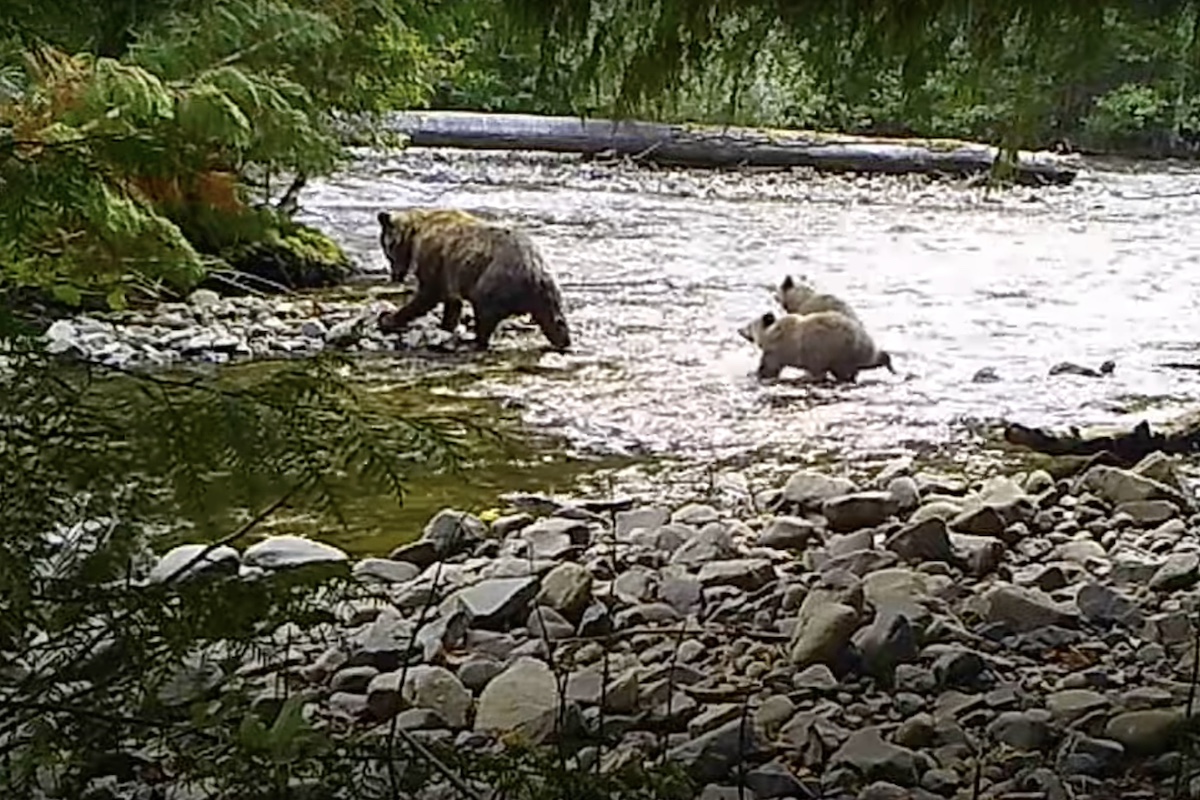
The Alaska grizzly bear cam is a live-streaming wildlife viewing tool that lets viewers observe wild brown bears in their natural coastal habitat, most notably at Brooks Falls in Katmai National Park. The platform provides real-time educational insights into ursine ecology, feeding patterns, and social dynamics during the peak summer salmon run.
Understanding the Phenomenon of Live Wildlife Streaming
Live wildlife streaming has transformed environmental education, scientific observation, and public engagement. Among the thousands of nature webcams operating globally, virtual observation feeds focusing on brown bears—specifically coastal grizzly bears (Ursus arctos horribilis) in Alaska—command millions of viewers each season. These remote camera systems bridge the geographical gap between wilderness areas and urban audiences, offering unscripted, real-time glimpses into complex ecological processes.
The primary hub for this phenomenon is Katmai National Park and Preserve, managed by the National Park Service (NPS). Through collaborative partnerships with organizations like explore.org, high-definition cameras are positioned at strategic ecological bottlenecks where bears congregate. The most famous of these locations is Brooks Falls, a 6-foot drop in the Brooks River. Here, brown bears gather by the dozens to intercept migrating sockeye salmon (Oncorhynchus nerka) fighting their way upstream to spawning grounds.
Virtual observation serves multiple functions beyond entertainment. For researchers, remote camera feeds assist in tracking population metrics, individual animal identification, and shifts in phenology due to changing climate conditions. For educators, the streams provide dynamic teaching tools regarding predator-prey relationships, riverine food webs, and the biological importance of Pacific salmon to temperate rainforest ecosystems. For the general public, observing these apex predators fosters a deeper appreciation for wilderness preservation and wild animal behavior.
Equipment, Locations, and Technology Behind the Streams
Operating reliable live video feeds in remote Alaskan wilderness environments requires sophisticated engineering, resilient power systems, and specialized camera hardware. Katmai National Park experiences harsh sub-polar and maritime climates, featuring sub-zero winter temperatures, gale-force winds, heavy snowfall, and aggressive mosquito populations during summer. Consequently, the technology deployed must withstand extreme meteorological abuse while transmitting high-bandwidth video data over vast distances.
Power generation relies heavily on hybrid systems combining solar arrays, wind turbines, and industrial-grade battery banks. Because mains electricity is entirely absent at these remote monitoring sites, these autonomous power grids store energy during long daylight hours to sustain continuous broadcasting and camera articulation motors. Signal transmission typically utilizes line-of-sight microwave radio links or satellite uplinks to bounce data to relay stations, eventually connecting the video feeds to high-speed fiber-optic networks for global distribution.
The camera hardware itself consists of pan-tilt-zoom (PTZ) units housed in weather-sealed, heated domes. These housings prevent lens fogging, ice accumulation, and condensation during rapid temperature swings. Operators, often stationed miles away or working in coordination with park staff, manipulate the optics to follow specific bears, adjust focus against glaring water reflections, and capture wide ecological contexts or close-up behavioral studies. Audio microphones are strategically placed near rushing water and gravel bars, capturing the atmospheric sounds of roaring rapids, snapping jaws, and vocalizations that enrich the viewer experience.
Key Viewing Locations in Katmai National Park
While Brooks Falls remains the premier focal point for virtual wildlife observation, several other camera angles within Katmai National Park provide diverse perspectives on brown bear ecology. Each location highlights different seasonal behaviors, social strategies, and landscape interactions.
| Location Name | Primary Ecological Feature | Peak Viewing Season |
|---|---|---|
| Brooks Falls | Waterfall salmon leap bottleneck | Late June through July |
| Riffles | Shallow gravel rapids, fishing pods | July through August |
| Lower River | Estuary access, resting, and training | August through September |
| Naknek Lake Shoreline | Sedge meadows, mating, early feeding | June |
Brooks Falls and the Upper River
The Brooks Falls camera offers the most iconic perspective. Positioned directly above or adjacent to the waterfall, this feed captures bears competing for prime "lip" positions—the flat rock ledge where salmon frequently misjudge their leap and land directly in waiting jaws. Viewers witness intense behavioral negotiations, dominance displays, and remarkable displays of agility as massive bears snatch fish out of mid-air.
The Riffles and Lower River
As the summer progresses, the action shifts downstream to the Riffles and the Lower River. Here, the water is shallower and wider. Bears employ different fishing techniques, such as diving headfirst into deep pools, snorkeling in clear water to spot salmon hiding beneath cutbanks, or cooperative fishing where mother bears herd fish toward their dependent cubs. These angles illustrate how bear behavior adapts to changing hydrological conditions and shifting salmon distribution.
Naknek Lake and Sedge Meadows
Early season cameras focus on the lake edges and meadows where bears emerge from hibernation. During June, protein-rich sedge grass provides essential nutrition before the salmon arrive. These feeds often feature solitary sows with newborn cubs navigating the landscape, avoiding dominant adult males, and establishing territorial boundaries after months of winter denning.
Deciphering Grizzly Bear Behavior on Camera
Interpreting what occurs on screen requires understanding grizzly bear ethology—the scientific study of animal behavior. Bears are solitary creatures by nature, but high-density food aggregations like Brooks River force them into complex social hierarchies characterized by tolerance, avoidance, and strict dominance rules.
Dominance Hierarchies and Body Language
Viewers frequently observe large, mature adult males—often weighing upwards of 800 to 1,000 pounds—dominating the best fishing spots. Subordinate bears, younger adolescents, and mothers with cubs must read subtle body language cues to avoid costly physical conflicts. Recognizing these signals enhances the viewing experience significantly:
- Head Lowering and Ear Positioning: When a bear lowers its head, flattens its ears backward, and stares intently, it signals aggression, challenge, or a warning to clear the area.
- Side-on Profiling: Dominant bears will often turn sideways to exaggerate their physical size and shoulder humps, intimidating rivals without engaging in physical combat.
- Submissive Postures: Subordinate bears display appeasement by looking away, lying flat on the ground, or making slow, deliberate retreats while avoiding direct eye contact.
Fishing Strategies and Individual Techniques
Not all bears fish with equal skill. Viewers watching the live feeds over multiple seasons often recognize individual bears by their scars, ear tears, coat colors, and distinct personalities. Biologists and devoted fans track these bears through annual events like Fat Bear Week. Individual fishing styles include:
- Waiting: Standing motionless at the waterfall lip, waiting for a salmon to jump directly into the bear's mouth.
- Diving: Plunging the entire head and upper body underwater in fast-moving riffles to blind-grab fish hiding beneath rocks.
- Clamping: Pinning salmon against the riverbed using heavy forepaws equipped with non-retractable, four-inch claws.
Mother-Cub Dynamics and Rearing
Sows with spring cubs or yearlings provide compelling viewing throughout the summer. Mother bears must fiercely protect their offspring from infanticide by adult males, who view unrelated cubs as competitors or potential prey. Viewers can observe maternal vigilance, nursing sessions, and teaching behaviors as mothers guide young cubs on how to swim, forage for berries, dig for clams, and safely navigate crowded fishing areas.
Seasonal Progression: From Emergence to Hyperphagia
Brown bear behavior captured on camera changes dramatically across the active season, which typically spans from May through October. Understanding this chronological progression helps viewers contextualize what they observe on screen.
- Spring Emergence (May to June): Bears leave mountain dens, moving to low-elevation valleys and lake shores to feed on winter-killed carcasses, green vegetation, and early sedge grasses.
- Peak Salmon Run (Late June to July): Sockeye salmon arrive in massive waves at Brooks River; bears gather at waterfalls and rapids to maximize caloric intake.
- Mid-Summer Lull (August): Salmon numbers temporarily dip between runs; bears diversify their diets by foraging for wild berries, digging roots, and scavenging.
- Fall Hyperphagia (September to October): A massive surge in feeding activity occurs as bears consume up to 90 pounds of food daily to build critical fat reserves for winter hibernation.
During hyperphagia, the physical transformation of the bears is staggering. Lean, ragged-looking animals from spring molt into sleek, massive, fat-laden giants by October. This seasonal fattening is the biological basis for popular public engagement initiatives like Fat Bear Week, a tournament-style bracket where voters celebrate the survival success and biological triumph of individual Katmai bears.
Optimizing the Virtual Viewing Experience
To get the most out of the Alaska grizzly bear cam, viewers should adopt specific strategies, utilize community resources, and understand the technical limitations of remote observation.
Best Times to Watch
Due to time zone differences and circadian rhythms, bear activity peaks during specific windows. While cameras stream 24/7 during the light-filled Alaskan summer days, the highest concentrations of bears at the falls generally occur during the morning hours (local Alaskan time) and late afternoon. Salmon activity also fluctuates with tides and water temperatures, influencing when bears decide to hunt.
Utilizing Community Chat and Ranger Guides
Platforms hosting the streams often feature live chat rooms moderated by park rangers, naturalists, and experienced volunteers. These communities are invaluable for identifying individual bears, learning their life histories, understanding ongoing conservation challenges, and receiving real-time commentary on unusual behaviors or wildlife interactions.
Navigating Technical Limitations
Viewers should anticipate occasional disruptions. Because the cameras operate in remote wilderness areas, severe weather, equipment failures, power outages from low solar charge, or maintenance by park personnel can interrupt the feeds. Furthermore, during periods of high water or salmon absence, the streams may show empty riverbanks for hours at a time, highlighting the authentic, unscripted nature of wild animal observation.
Frequently Asked Questions
How many grizzly bears live in Katmai National Park?
Katmai National Park and Preserve is estimated to support a healthy population of over 2,200 brown bears. This high concentration is sustained by one of the largest remaining sockeye salmon runs in the world, providing abundant, high-protein nutrition that allows brown bears to grow larger and live in closer proximity than interior grizzly populations.
What is the difference between a grizzly bear and a brown bear?
Biologically, grizzly bears and brown bears belong to the exact same species (Ursus arctos). The distinction is geographical and ecological. "Brown bear" is the term used for coastal populations that have access to marine-derived food sources like salmon, allowing them to reach massive sizes. "Grizzly bear" typically refers to inland populations that subsist on roots, berries, small mammals, and sparse vegetation, resulting in smaller body sizes and lighter coat colors.
Do the bears have names on the live cam?
While the National Park Service identifies bears through ear tags, natural scars, and DNA sampling for research purposes, popular web-streaming communities and rangers assign descriptive nicknames (such as Bear 480 Otis, Bear 747, or Holly) to help fans track individual bears across multiple seasons and participate in public education events.
Can the park rangers control what the bears do on camera?
No. The cameras observe completely wild animals in an unmanaged, protected wilderness ecosystem. Park staff do not feed, bait, or direct the bears. Every interaction, chase, dominance display, and meal witnessed on the stream is entirely natural and untamed.
How do bears survive the winter after the cameras shut down or show fewer bears?
Beginning in late October and November, bears enter hyper-sleep or true hibernation known as torpor. They retreat to excavated earth dens dug into hillsides, where their heart rates drop, body temperatures decrease slightly, and they survive entirely off their accumulated fat reserves without eating, drinking, urinating, or defecating for up to six months.
Strategic Next Steps for Wildlife Enthusiasts
For those inspired by virtual observation who wish to deepen their engagement, several practical avenues exist. Review official park educational materials provided by the National Park Service to understand visitor regulations, wildlife safety protocols, and habitat conservation efforts in Alaska. Consider supporting non-profit conservation groups dedicated to protecting Bristol Bay watershed ecosystems and preserving Pacific salmon habitats, which remain the literal lifeblood of Katmai’s grizzly bear population. Finally, follow seasonal events like Fat Bear Week to stay connected with ongoing population monitoring and scientific research long after the summer salmon runs have concluded.