When encountering news regarding alaska bears shot safety tips, understanding the strict legal requirements, defensive protocols, and coexistence strategies is essential for outdoor recreationists and residents alike. Federal and state regulations dictate exact procedures for reporting wildlife encounters, while field safety measures focus on deterrence and ethical self-defense.
Understanding how to interact safely with brown bears, black bears, and polar bears in Alaska requires separating sensationalized news headlines from verifiable wildlife management data. In Alaska, where human-wildlife overlap is a daily reality, managing encounters involves strict adherence to state hunting regulations, Department of Fish and Game (ADF&G) guidelines, and federal wildlife protection statutes. Whether reviewing recent news reports of defensive bear shootings or preparing for a wilderness expedition, mastering the intersection of safety tactics and legal obligations ensures both human survival and ecological compliance.
Legal Framework and Reporting Requirements for Discharging Firearms at Bears
Under Alaska state law and federal regulations, discharging a firearm at a bear is strictly regulated. It is critical to distinguish between lawful defense of life or property (DLP) and illegal poaching or wanton waste.
According to the Alaska Department of Fish and Game, any citizen may kill a bear under DLP conditions if the bear is aggressively attacking, has already attacked a person, or is actively destroying property. However, these provisions do not apply if the person provoked the bear or failed to secure attractants properly.
When a bear is shot in self-defense or defense of property, strict reporting mandates apply. The shooter must:
- Immediately contact the nearest Alaska Department of Fish and Game or Alaska Wildlife Troopers office to report the incident.
- Salvage and surrender the hide, skull, and claws to the state, as these remain the property of the State of Alaska.
- Complete a detailed DLP questionnaire outlining the exact sequence of events, distances, and perceived threats.
Failure to report a DLP kill within the statutory timeframe or failure to salvage government property can result in misdemeanor or felony wildlife violations, heavy fines, and potential jail time. News outlets frequently cover high-profile DLP cases where these protocols are investigated to determine if lethal force was genuinely necessary.
Proven Bear Deterrents and Prevention Strategies
News stories about aggressive bear encounters often highlight the importance of non-lethal deterrents. Lethal force should always be a last resort. Preventing an encounter through proactive behavioral habits and carrying reliable defensive gear remains the most effective strategy for backcountry safety in Alaska.
Bear spray, containing a concentrated formulation of capsaicin and related capsaicinoids, has proven statistically more effective at stopping aggressive bear behavior than firearms in many field scenarios. Because adrenaline runs high during an encounter, deploying a firearm accurately under a charging bear's high speed is notoriously difficult. Bear spray creates an expansive aerosol cloud that disrupts the animal's eyes, nose, and respiratory tract without causing permanent physical trauma.
| Deterrent Type | Primary Mechanism | Advantages | Limitations |
|---|---|---|---|
| Bear Spray | High-pressure capsaicin aerosol | Wide deployment pattern, highly effective deterrent, lightweight | Affected by strong crosswinds, short shelf life, requires proximity |
| Large-Caliber Firearm | Ballistic impact (.44 Magnum, 12-gauge slug) | Lethal stopping power at range | Requires exceptional accuracy under stress, heavy to carry, high risk of wounding |
| Electric Fencing | Physical barrier with high-voltage shock | Excellent for base camps and food caches | Stationary protection only, requires maintenance and battery power |
| Noise Makers | Air horns, bangers, and screamer shells | Deters habituated bears from a distance | May habituate wildlife if overused, ineffective against startled bears |
Securing food and attractants is another legal and practical necessity. Across most public lands in Alaska, including National Parks and state reserves, food storage regulations mandate that human food, garbage, and harvested game must be stored in certified bear-resistant containers or hung at least 10 feet high and 4 feet out from a tree trunk.
Analyzing Recent Bear Incident Reports and News Coverage
Media coverage of bear incidents in Alaska often emphasizes dramatic conflicts, but analyzing these reports through an objective lens reveals common environmental triggers. News headlines detailing bear shootings usually trace back to specific seasonal vulnerabilities, such as salmon runs, berry ripening periods, or unmanaged urban garbage.
When reading or analyzing bear news, researchers and safety advocates look for specific investigative metrics:
- Attractant Presence: Was human negligence (unsecured trash, accessible livestock feed) a contributing factor?
- Surprise Factor: Did the encounter occur in dense brush where the human and bear startled each other at close range?
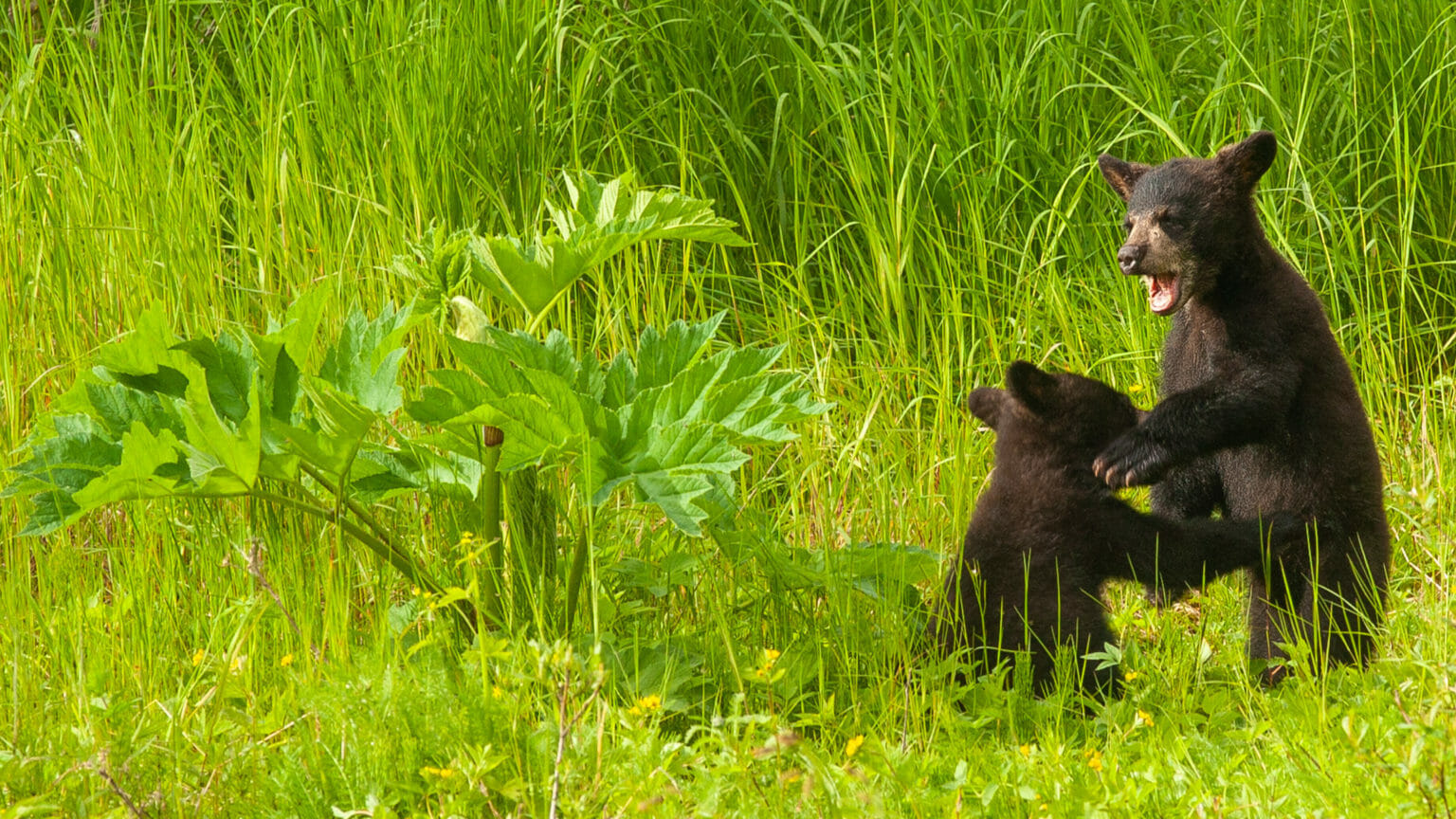
- Sow with Cubs: Were maternal instincts triggered by an inadvertent approach between a mother bear and her offspring?
- Response Timelines: Did wildlife troopers verify the validity of the DLP claim through forensic examination of the scene?
Understanding these variables helps separate sensational media narratives from actionable safety intelligence. Responsible reporting emphasizes that most bears naturally avoid humans unless food rewards condition them to associate people with meals.
Field Survival and Emergency Response Protocols
If an encounter escalates despite preventative measures, knowing the precise species-specific behavioral response can save a life. Grizzly/brown bears, black bears, and polar bears exhibit fundamentally different predatory and defensive instincts.
- Brown/Grizzly Bears: If attacked by a defensive brown bear, playing dead by lying flat on your stomach, interlocking your fingers behind your neck, and spreading your legs to make it harder for the bear to flip you over is recommended. If the attack is predatory (occurring at night or after stalking behavior), fight back aggressively with any available weapon.
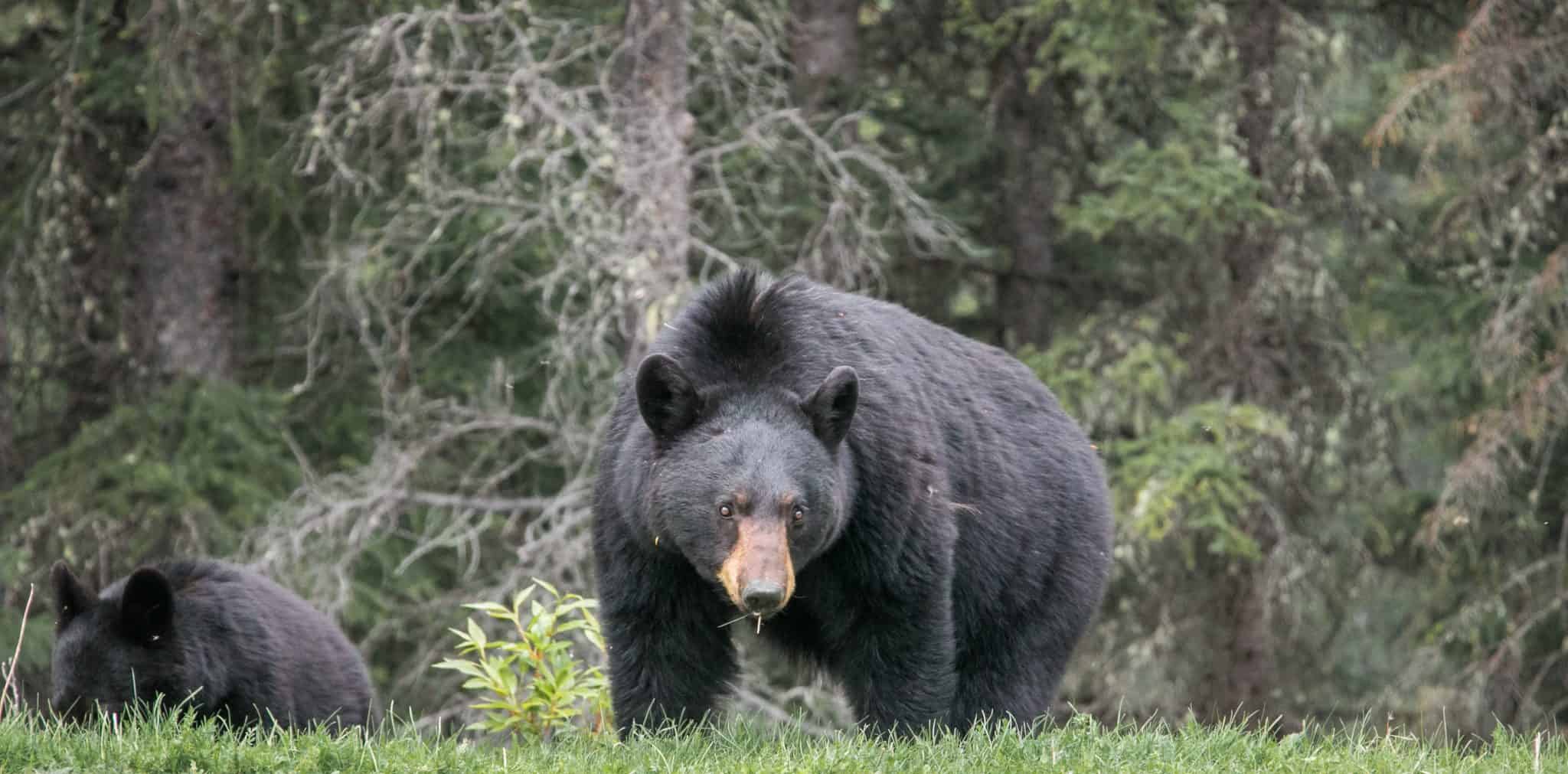
- Black Bears: Never play dead during a black bear attack. Black bears rarely bluff-charge. If a black bear attacks, fight back with everything you have, aiming for the face and muzzle.
- Polar Bears: Considered active carnivores that view humans as potential prey, polar bears should never be approached, and playing dead is generally ineffective against them. Deterrence and retreat are critical.
Maintaining situational awareness, traveling in groups, making intentional noise in thick brush, and keeping firearms or bear spray readily accessible rather than stowed deep inside a backpack form the bedrock of safe Alaskan wilderness navigation.
Best Practices for Safe Coexistence in Bear Country
Avoiding negative interactions relies on daily habits that respect wildlife territories. Whether working on an industrial site, guiding a backcountry excursion, or managing a remote homestead, keeping a clean camp and respecting animal space prevents unnecessary lethal outcomes.
- Maintain Distance: Always remain at least 100 yards away from bears, and double that distance for sows with cubs. Never crowd an animal for photography.
- Never Feed Wildlife: Purposely or accidentally feeding bears creates food-conditioned animals that inevitably lose their natural fear of humans, creating public safety hazards that usually result in the bear being shot.
- Know Your Weapon: If carrying a firearm for defense, ensure it is chambered appropriately, practiced regularly under field conditions, and stored in a quick-draw chest holster rather than a pack scabbard.
- Monitor Local Advisories: Check ADF&G and land management agency updates before heading into the backcountry to learn about seasonal closures, high-activity zones, and recent nuisance bear reports.