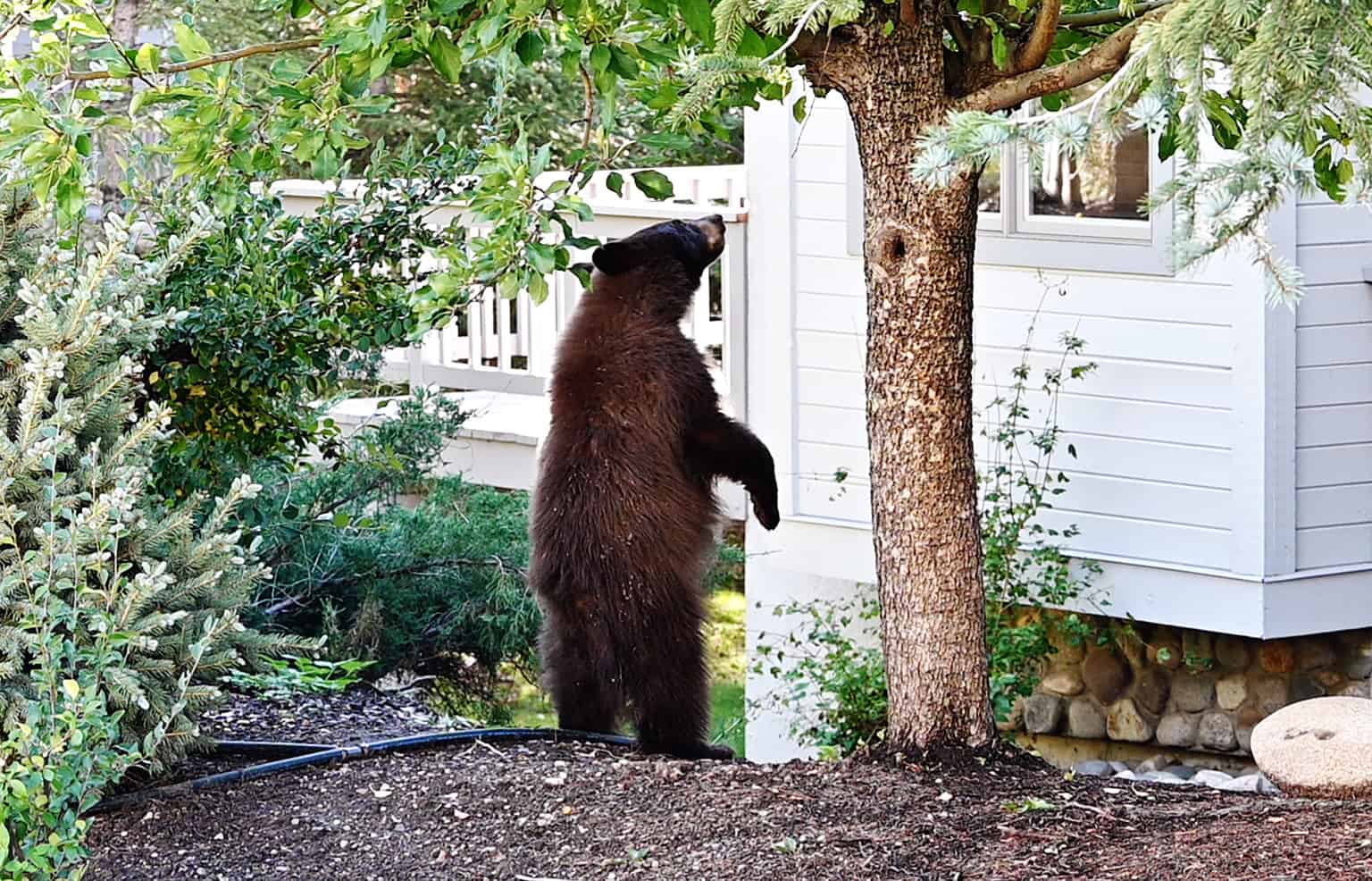
Understanding the realities of wilderness travel in Alaska requires examining documented bear encounters and mastering proven defensive strategies. Surviving an aggressive wildlife encounter relies on recognizing predator behavior, deploying EPA-registered deterrent sprays effectively, and adhering to strict backcountry protocols that minimize the likelihood of a surprise conflict.
Alaska hosts robust populations of brown bears, black bears, and polar bears, making wildlife awareness a fundamental requirement for anyone venturing beyond urban infrastructure. While millions of visitors and residents explore the state's vast wilderness annually without incident, historical accounts and contemporary wildlife management data show that rare encounters can turn dangerous within seconds. Examining documented alaska bear attack survival stories alongside essential safety tips reveals critical patterns: attacks typically occur due to surprise, defense of cubs, or competition for food, and survival frequently depends on immediate, decisive reactions rather than panic.
Understanding Bear Behavior and Encounter Dynamics
Before examining survival strategies, travelers must understand what motivates ursine behavior in remote environments. Bears are intelligent, adaptable omnivores whose movements are primarily driven by seasonal food availability, territorial instincts, and the need to protect their young. In Alaska, encounters usually involve either grizzly bears (the coastal and interior brown bear) or American black bears, each exhibiting distinct physical traits and behavioral tendencies.
Brown bears possess a prominent shoulder hump, a concave facial profile, and longer, less curved claws adapted for digging. They are generally more defensive than black bears and are more likely to respond to a perceived threat with a physical charge. Black bears are smaller, lack the shoulder hump, have a straight facial profile, and possess shorter claws well-suited for tree climbing. When startled, black bears frequently climb a tree or retreat, though food-conditioned black bears can display predatory behavior that differs significantly from defensive reactions.
Analyzing wildlife encounter data compiled by agencies such as the Alaska Department of Fish and Game highlights two primary contexts for aggression:
- Defensive Encounters: Occur when a bear is surprised at close range, startled while feeding on a carcass or berry patch, or defending its cubs. The animal views humans as a direct threat and often displays agitation through jaw-clicking, huffing, and bluff charging.
- Predatory Encounters: Occur when a bear stalks, tests, or actively hunts a human as a potential food source. This behavior is rare but dangerous; a predatory bear typically approaches silently, exhibits focused interest without defensive displays, and may follow travelers over extended distances.
Lessons from Historical Survival Accounts
Documented wilderness survival narratives provide invaluable context for evaluating human response under extreme stress. While every encounter presents unique variables, historical accounts consistently underscore the importance of preparation, proper equipment carriage, and emotional composure during a crisis.
Many survival stories from the Kenai Peninsula, Denali, and Katmai regions emphasize the critical window for deploying bear spray. In numerous documented defensive encounters, individuals who kept their deterrent spray instantly accessible on a hip holster or chest harness successfully deflected charging bears within seconds. Conversely, accounts involving individuals whose deterrents were packed deep inside rucksacks often resulted in prolonged physical contact and severe injuries.
Another recurring theme in survival literature is the distinction between defensive and predatory response protocols. Historical case studies demonstrate that playing dead during a sudden defensive mauling by a brown bear often causes the animal to cease its attack once the perceived threat is neutralized. However, applying the same tactic during a rare predatory approach—where the bear views the human as prey—can prove fatal, requiring victims to fight back aggressively with any available means, including trekking poles, rocks, and camping knives.
Essential Safety Protocols for Backcountry Travel
Mitigating risk in bear country begins long before stepping onto a trail. Adhering to established prevention protocols drastically reduces the probability of a surprise encounter, ensuring that wilderness excursions remain safe and memorable.
Travel Discipline and Noise Discipline
Bears generally prefer to avoid humans and will usually move away if they hear travelers approaching. To prevent surprising an animal at close range, hikers should travel in groups, converse in normal tones, and make deliberate noise when moving through dense brush, near rushing water, or along winding trails with limited visibility. Relying exclusively on electronic devices or wearing headphones creates a dangerous sensory deficit in remote terrain.
Food and Scent Management
Attracting wildlife to campsites or cabins creates chronic hazards for both humans and bears. Regulatory bodies enforce strict food storage mandates across Alaskan public lands, requiring the use of certified bear-resistant containers or elevated cache systems.
- Airtight Containment: Store all food, garbage, toiletries, and scented items in certified bear-resistant containers placed at least 100 yards downwind from sleeping areas.
- Odor Separation: Never cook inside or near sleeping tents, and change clothes that smell of grease or food preparation before retiring for the night.
- Waste Disposal: Pack out all garbage and waste; burying food scraps or dumping grease attracts wildlife and habituates them to human presence.
Bear Deterrents: Selection, Carriage, and Deployment
When prevention fails, physical deterrents provide the most reliable defense against an aggressive animal. Equipping oneself correctly requires understanding the specifications, limitations, and operational mechanics of EPA-registered bear sprays and firearms.
| Deterrent Type | Primary Mechanism | Effective Range | Operational Limitations | Training Requirements |
|---|---|---|---|---|
| Bear Spray | Capsicum-based aerosol cloud | 30 to 40 feet | Wind drift, cold temperature pressure drop | Quick-draw practice, wind awareness |
| Large-Caliber Firearm | Ballistic projectile (.44 Magnum or larger) | Variable (up to 50+ yards) | Accuracy under stress, heavy recoil, potential legal/permitting issues | Professional marksmanship, stress-fire drills |
| Acoustic Deterrents | Air horns or bear bangers | Varies by charge | Ineffective against highly aggressive or food-habituated animals | Timing and safe launch procedures |
Bear spray is widely recommended by wildlife biologists and safety experts because it creates a dense, disabling fog that temporarily blinds and irritates the bear's respiratory tract without causing permanent physical harm. To be effective, the canister must be carried immediately accessible on a chest holster or hip belt—never stowed inside a backpack. Firearms, while favored by some experienced wilderness users, require exceptional precision under extreme adrenaline surges; a missed shot or non-lethal hit can escalate an animal's aggression.
Step-by-Step Response Plan for an Encounter
Knowing how to react during the critical moments of a bear sighting can prevent a minor encounter from escalating into a physical attack.
- Stop and Assess: Do not run. Running triggers a bear's natural chase instinct and makes it impossible to outrun an animal capable of reaching speeds up to 35 miles per hour.
- Identify Yourself: Speak to the bear in a calm, low, assertive voice while waving your arms slowly above your head to make yourself appear larger. This helps the animal identify you as a human rather than prey.
- Check for Reactions: Observe the bear's body language. If the animal remains stationary, feeds, or moves away, slowly back away while keeping the bear in your field of vision.
- Stand Your Ground During a Bluff Charge: If the bear charges, hold your ground. Many charges are bluffs intended to test the intruder's reaction; running invites pursuit.
- Deploy Deterrent Spray: As the bear enters your effective range (typically 30 to 40 feet), aim slightly downward and discharge a heavy cloud of bear spray directly into its face.
- Execute the Correct Physical Response: If physical contact is imminent from a defensive brown bear, drop to your stomach, interlace your fingers behind your neck, and use your elbows and toes to maintain your position if the bear attempts to roll you over. If the attack is predatory, fight back with relentless aggression.
Frequently Asked Questions
What should you do if a bear approaches your campsite at night?
If a bear enters your campsite after dark, make loud noises, turn on bright flashlights, and gather your group together to appear as a large, intimidating unit. Prepare your bear spray immediately, do not run, and make aggressive verbal noises while slowly backing away toward a hard-sided structure or vehicle if available.
Is bear spray effective in high winds and freezing temperatures?
EPA-registered bear sprays are designed to function in cold weather and typically project a dense cloud even in moderate winds, though strong headwinds can blow aerosol back toward the user. Checking the expiration date and practicing quick-draw mechanics from a chest holster ensures reliable performance when environmental conditions are suboptimal.
How do black bear attacks differ from brown bear attacks?
Black bear attacks are statistically more likely to be predatory in nature, whereas brown bear attacks are typically defensive responses to surprise or cub protection. Consequently, safety experts advise playing dead during a defensive brown bear mauling, but recommend fighting back vigorously if a black bear initiates a predatory stalk or attack.
Are bells effective for deterring bears while hiking?
Trail bells are generally considered ineffective because their high-pitched, intermittent tinkling does not carry well over rushing water or wind noise, and bears often fail to associate the sound with humans. Human voices, clapping, and calling out warnings work significantly better to alert wildlife of your approach.
What is the proper storage protocol for food in bear country?
Food, scented toiletries, and garbage must be stored in certified bear-resistant hard-sided containers or hung at least 10 feet high and 4 feet out from a tree trunk if utilizing a proper cache system. Never store food inside fabric tents or unsecured vehicle cabins, as bears easily break through glass and canvas to access odors.
Prioritizing Preparedness and Vigilance
Mastering wilderness safety in Alaska requires continuous situational awareness, meticulous camp hygiene, and the unwavering discipline to keep deterrent equipment within immediate reach. By respecting wildlife boundaries and understanding the behavioral triggers documented in historical survival accounts, travelers can explore remote Alaskan landscapes responsibly while minimizing risks to both human safety and wildlife preservation.