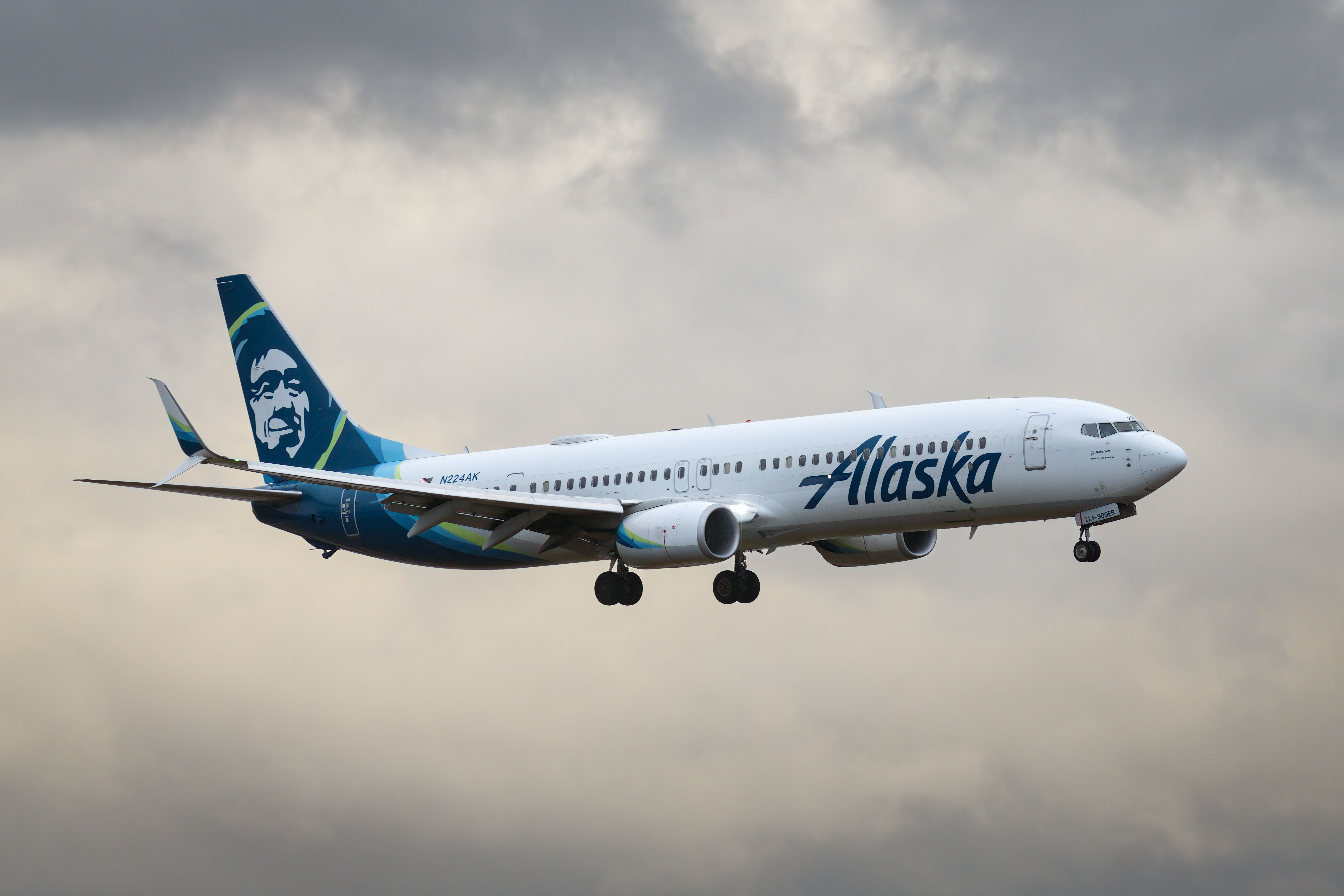
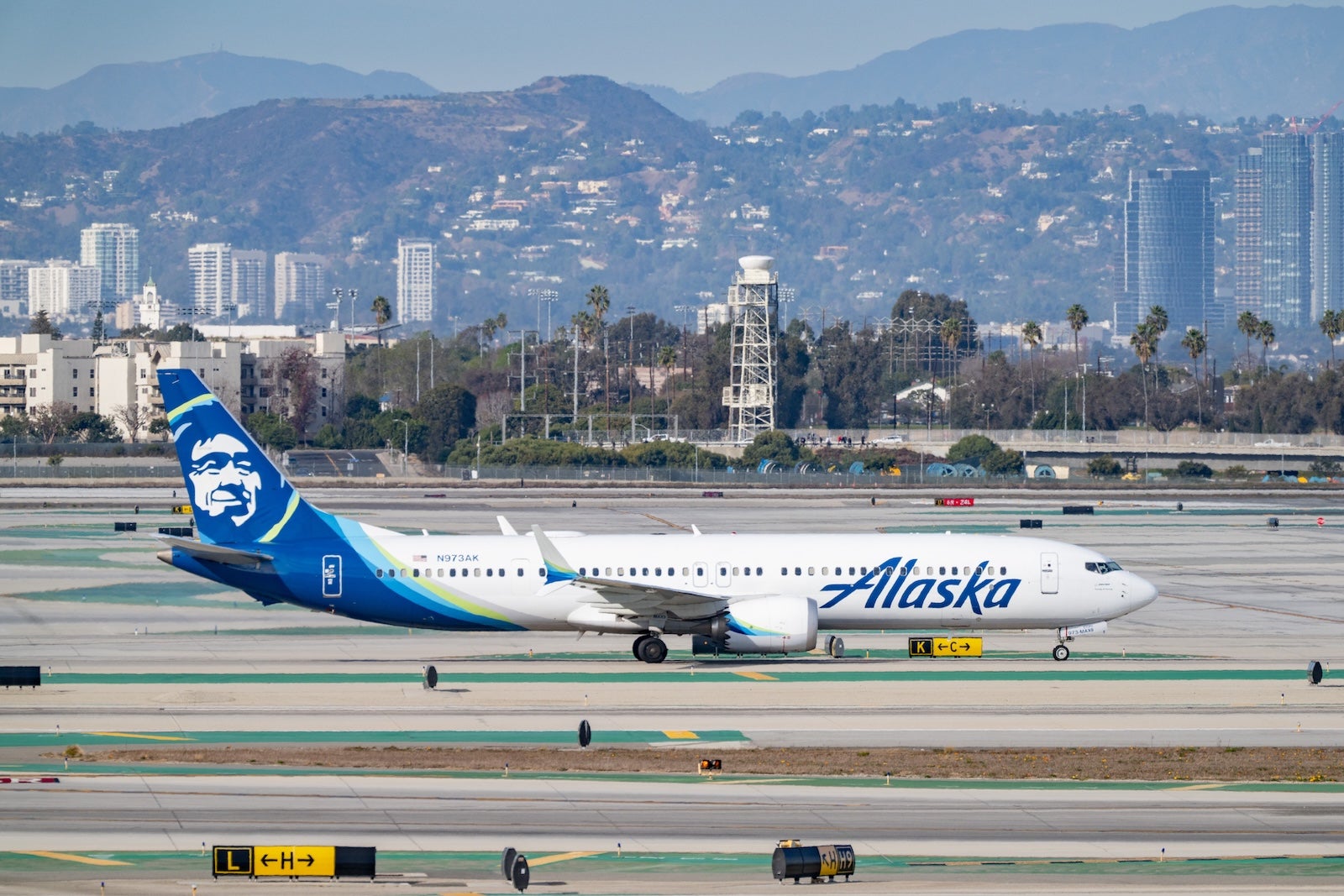
The phrase "Alaska Airlines guy" typically refers to prominent brand figures, viral passenger incidents, or specific corporate leadership figures associated with Alaska Airlines, most notably the distinctive internal safety and marketing personnel or viral figures who have shaped public perception of the carrier. Understanding the identity, operational function, and cultural impact of these associated figures clarifies how modern commercial airlines manage public relations, safety messaging, and customer relations in an era of hyper-connected social media.
Disambiguating the "Alaska Airlines Guy" Phenomenon
When individuals search for the "Alaska Airlines guy," they are usually looking for one of a few distinct entities. Public interest in airline personnel often surges following viral video moments, marketing campaigns featuring real employees, or high-profile executive and operational appointments.
In the digital age, a single flight attendant, passenger, or corporate spokesperson can become a viral sensation overnight. Alaska Airlines has experienced its share of viral moments, ranging from commended flight attendants handling emergency situations with poise to passenger incidents captured on smartphone cameras. Disambiguating these figures requires looking past sensationalized headlines to examine the actual roles these individuals play within the corporate and operational ecosystem of the airline.
Furthermore, commercial aviation relies heavily on strict branding guidelines and standardized training. When an employee becomes the "face" of an airline—whether through an official safety demonstration video, a customer service interaction, or a marketing advertisement—their actions reflect directly on the carrier's corporate reputation.
Operational Roles and Responsibilities Within Alaska Airlines
To understand why a specific individual associated with Alaska Airlines commands public attention, it is necessary to examine the structured roles within the airline industry. Commercial aviation is a highly regulated environment where every employee—from pilots and flight attendants to customer service agents and safety inspectors—operates under strict federal guidelines established by bodies such as the Federal Aviation Administration (FAA).
Frontline employees are the primary touchpoints for passengers. Flight attendants are not merely service personnel; they are primarily safety professionals trained in emergency evacuation, cabin security, medical response, and fire suppression. When a specific employee gains notoriety, it is frequently because their execution of these safety protocols or their exceptional de-escalation skills caught the public eye.
Below is an overview of key operational roles often associated with public-facing airline personnel:
| Role Title | Primary Responsibilities | Regulatory Oversight |
|---|---|---|
| Flight Attendant | Cabin safety, emergency evacuation, passenger management, in-flight service | FAA, corporate safety standards |
| Gate Agent | Passenger boarding, flight scheduling management, customer resolution | Transportation Security Administration (TSA), airline policy |
| Pilot in Command | Aircraft navigation, flight safety, operational decision-making | FAA Airman Certification |
| Corporate Spokesperson | Public relations, crisis communication, media management | Corporate governance, federal disclosure rules |
Why Brand Figures and Viral Personalities Matter to Modern Airlines
The modern airline industry operates in an environment where consumer perception is instantly shaped by digital media. When a video featuring an Alaska Airlines employee goes viral, it can significantly impact the airline's brand equity, customer loyalty, and public relations strategy.
Airlines invest heavily in corporate communications and customer service training to ensure brand consistency. When a frontline worker handles a difficult situation with empathy and professionalism, it reinforces consumer trust. Conversely, operational failures or mishandled customer interactions can lead to widespread public scrutiny.
Public fascination with airline personnel highlights a broader cultural trend: consumers increasingly look for human elements within massive corporate structures. Staff members who display exceptional competence, humor, or grace under pressure humanize the travel experience, turning a routine commercial flight into a memorable brand interaction.
Corporate Leadership and Brand Stewardship
Beyond viral personalities and frontline workers, the public perception of Alaska Airlines is heavily influenced by its executive leadership and corporate strategy. Leadership transitions, operational expansions—such as the airline's acquisition and integration of Virgin America or regional partnerships—place executives in the spotlight.
The stewardship of an airline brand requires balancing profitability, labor relations, environmental sustainability, and passenger safety. When executive figures communicate policy changes or navigate industry crises, they become the defining "face" of the company for investors, regulators, and frequent flyers alike. Effective leadership ensures that the airline maintains its operational reliability while adapting to evolving consumer expectations and regulatory mandates.
Navigating Airline Customer Relations and Public Incidents
For travelers seeking to understand how Alaska Airlines manages customer relations, service recovery, and public incidents, structured protocols guide every interaction. The airline industry relies on systematic approaches to handle passenger grievances, operational disruptions, and media inquiries.
When public interest focuses on a specific incident or individual associated with an airline, corporate communications teams follow established crisis management frameworks:
- Information Verification: Internal teams gather factual data regarding the incident, reviewing safety logs, security footage, and witness accounts before issuing public statements.
- Regulatory Compliance: Communications must adhere to federal privacy laws, transportation regulations, and safety reporting standards.
- Stakeholder Engagement: Management addresses concerns from passengers, employees, and shareholders through official channels to maintain transparency.
- Policy Review: Operational procedures are evaluated to prevent recurring issues and enhance overall service delivery.
Assessing Brand Impact and Passenger Experience
The enduring interest in figures associated with Alaska Airlines underscores the intersection of corporate branding, consumer culture, and digital media. Whether examining viral frontline workers, safety video presenters, or executive leadership, these figures play a vital role in defining how the airline is perceived in a competitive marketplace. Understanding who these individuals are and what they do provides valuable insight into the complex mechanics of modern commercial aviation.