Alani Nu, the popular fitness and wellness brand founded by Katy Hearn and her husband Haydn Schneider, has experienced explosive growth in the supplement and beverage market. However, this commercial success has frequently been accompanied by intense public scrutiny, social media backlash, and corporate controversies. Understanding the realities behind the brand requires separating verified business practices and public relations disputes from unverified online rumors.
Origins and Rise of the Alani Nu Brand
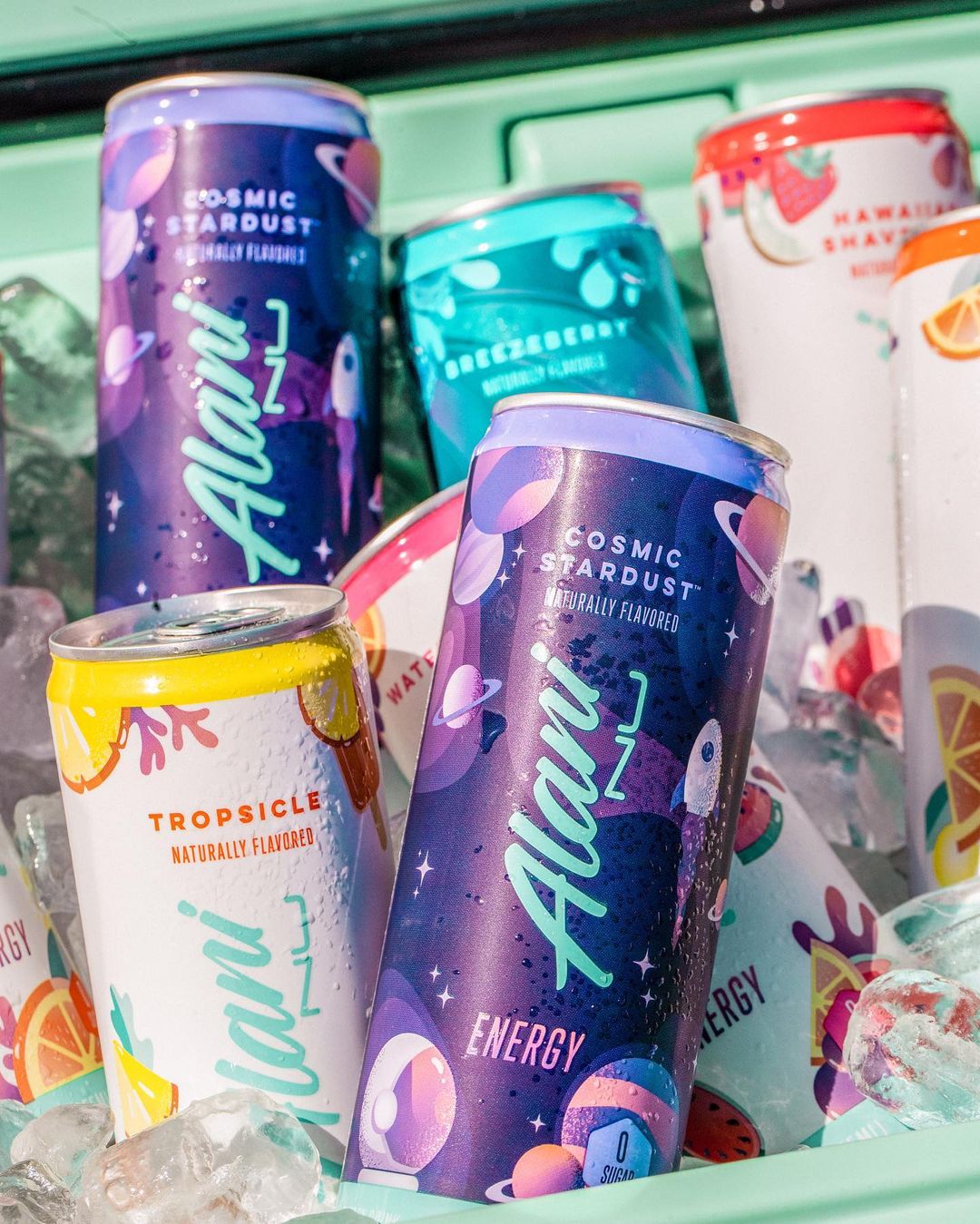
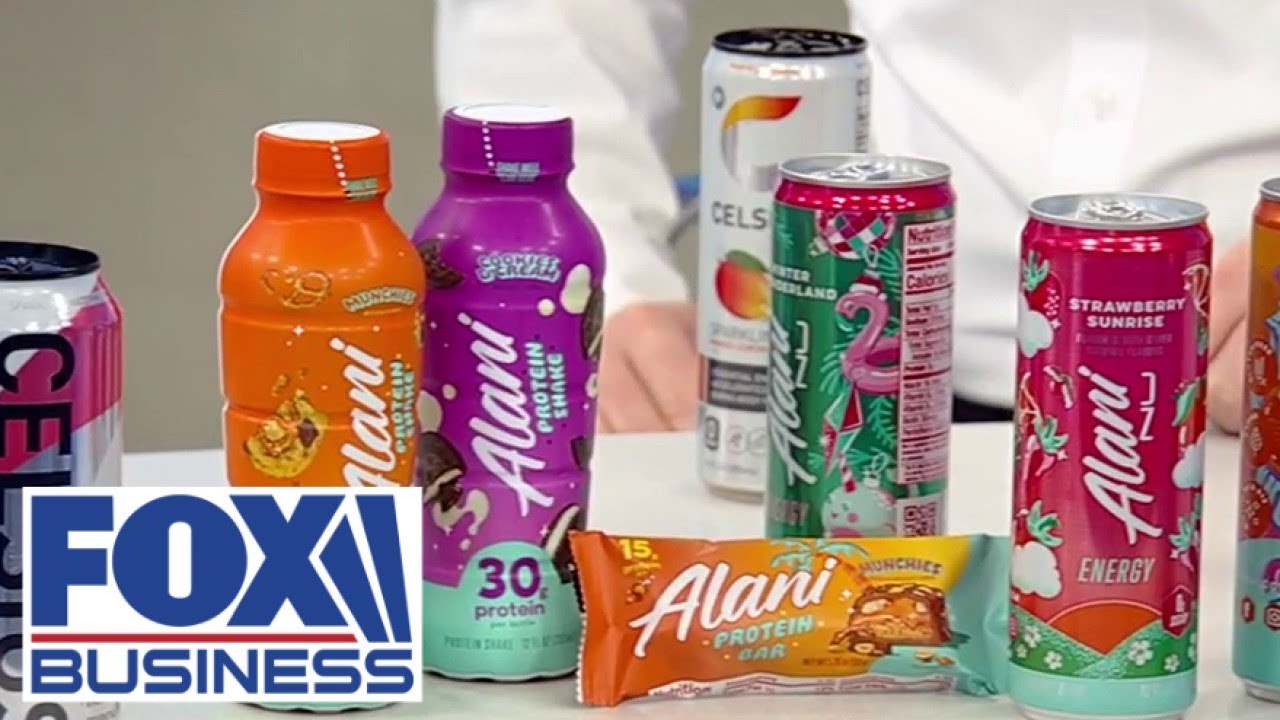
Launched in 2018, Alani Nu quickly carved out a significant share of the competitive functional beverage and dietary supplement market. Marketed heavily toward women, the brand capitalized on the massive social media followings of its fitness-influencer founders, Katy Hearn and Haydn Schneider. By leveraging Instagram and YouTube, the creators built an empire centered around energy drinks, protein bars, snacks, and pre-workout powders that prioritized aesthetically pleasing packaging and approachable flavor profiles.
The foundational strategy relied on direct-to-consumer digital marketing before expanding into major physical retail spaces like Target, GNC, and Kroger. This rapid transition from a niche influencer project to a mainstream retail powerhouse brought immense financial rewards, but it also exposed the business and its owners to broader public evaluation. As the brand scaled, consumers and industry observers began closely tracking the business operations, executive decisions, and past public statements of its leadership team.
Examining the Core Public Controversies
Over the years, the brand and its owners have faced several waves of criticism ranging from marketing tactics to product formulations and historical social media activity. One of the earliest flashpoints involved criticisms regarding the transparency of influencer-led supplement companies. Critics frequently question whether celebrity-backed brands offer proprietary formulations that lack sufficient clinical backing or rely entirely on marketing hype to justify premium pricing.
Furthermore, public figures operating in the public eye often face retroactive scrutiny of their digital footprints. In the case of Alani Nu's founders, historical social media posts and past public statements resurfaced during periods of peak brand growth, sparking online debates regarding accountability, personal growth, and corporate values. While supporters emphasize the right of entrepreneurs to evolve past earlier mistakes, detractors argue that corporate leadership must be held to higher standards of public conduct, particularly when marketing wellness products to impressionable demographics.
Product Quality, Safety, and Consumer Skepticism
In the dietary supplement and energy drink sector, consumer trust is heavily tied to rigorous quality control, accurate labeling, and transparent safety standards. Alani Nu products—particularly their high-caffeine energy drinks—have frequently become subjects of discussion among fitness professionals, nutritionists, and regulatory advocates.
| Product Category | Primary Ingredients / Claims | Common Consumer Criticisms | Verified Market Reality |
|---|---|---|---|
| Energy Drinks | Caffeine, B-vitamins, zero sugar | High caffeine concentration per can (200mg) | Labeled clearly with warning notices for children and sensitive individuals |
| Pre-Workout Powders | Amino acids, beta-alanine, caffeine | Skin tingling sensations (paresthesia) caused by beta-alanine | Standard physiological reaction to ingredients, documented on product labels |
| Protein Supplements | Whey isolate, plant-based blends | Price per serving compared to generic competitors | Premium pricing reflects branding, flavoring R&D, and retail distribution margins |
The debate surrounding energy drink consumption among younger demographics has also cast a shadow over brands like Alani Nu. Public health advocates frequently raise concerns about the aggressive marketing of high-caffeine beverages in brightly colored cans. While Alani Nu complies with standard regulatory guidelines for labeling caffeine content and restricting sales to minors where mandated by retailers, the brand remains linked in public discourse to broader anxieties regarding the commercialization of stimulants.
Navigating Corporate Scaling and Manufacturing Realities
As Alani Nu expanded its distribution networks, managing large-scale manufacturing partnerships became a central operational challenge. Like many modern consumer packaged goods (CPG) companies, Alani Nu does not manufacture its own products in-house; instead, it partners with third-party contract manufacturers and co-packers.
This business model can occasionally lead to logistical hurdles, supply chain inconsistencies, and quality assurance discrepancies. When supply shortages occurred during periods of viral social media demand, consumer frustration was directed squarely at the brand's owners. Additionally, navigating intellectual property disputes, flavor duplication accusations from competing brands, and retail compliance regulations required significant legal and operational oversight, demonstrating that managing a multi-million-dollar CPG brand extends far beyond social media promotion.
Separating Rumor from Verified Fact in Influencer Culture
The digital landscape surrounding influencer-founded businesses is frequently saturated with unverified gossip, manufactured outrage, and sensationalized headlines designed to generate click-through traffic. Discerning the shocking truth behind the Alani Nu brand requires a critical examination of verifiable records rather than relying on viral TikTok commentary or heavily biased forum threads.
While the founders have faced legitimate public critique regarding past statements and the aggressive commercialization of fitness culture, many circulating rumors lack substantive evidence. Media literacy in the wellness space demands that consumers evaluate corporate accountability through verified business practices, regulatory compliance records, and official company responses rather than anonymous internet allegations.
Frequently Asked Questions
Who owns Alani Nu?
Alani Nu was co-founded by fitness influencers Katy Hearn and Haydn Schneider in 2018. The brand operates under their parent company umbrella alongside other health and lifestyle ventures.
Are Alani Nu energy drinks safe to consume?
Alani Nu energy drinks contain 200mg of caffeine per can, which is comparable to many competing energy drinks on the market. They are labeled with standard advisory warnings recommending that children, pregnant or nursing women, and individuals sensitive to caffeine avoid consumption.
What caused the online controversies surrounding the brand's owners?
The controversies primarily stem from a combination of historical social media statements resurfacing from years prior, debates over the ethics of influencer-led marketing in the wellness industry, and general scrutiny accompanying rapid corporate growth.
Does Alani Nu manufacture its own products?
No, Alani Nu partners with external third-party manufacturing facilities and co-packers to produce its lines of energy drinks, snacks, and dietary supplements.
How does Alani Nu compare to other energy drink brands?
Alani Nu differentiates itself primarily through flavor innovation, aesthetic branding tailored toward female demographics, and zero-sugar formulations, positioning itself directly alongside brands like Celsius and Alani's internal competitors within major retail chains.
Strategic Consumer Takeaways
Evaluating brands operating at the intersection of social media influence and consumer packaged goods requires maintaining a balanced perspective on corporate marketing versus verified operational standards. Consumers purchasing dietary supplements and functional beverages should consistently review ingredient labels, assess individual tolerance to active stimulants like caffeine, and look beyond influencer endorsements to determine product suitability. By relying on factual data and transparent labeling rather than sensationalized online controversies, buyers can make informed decisions aligned with their personal health and wellness objectives.