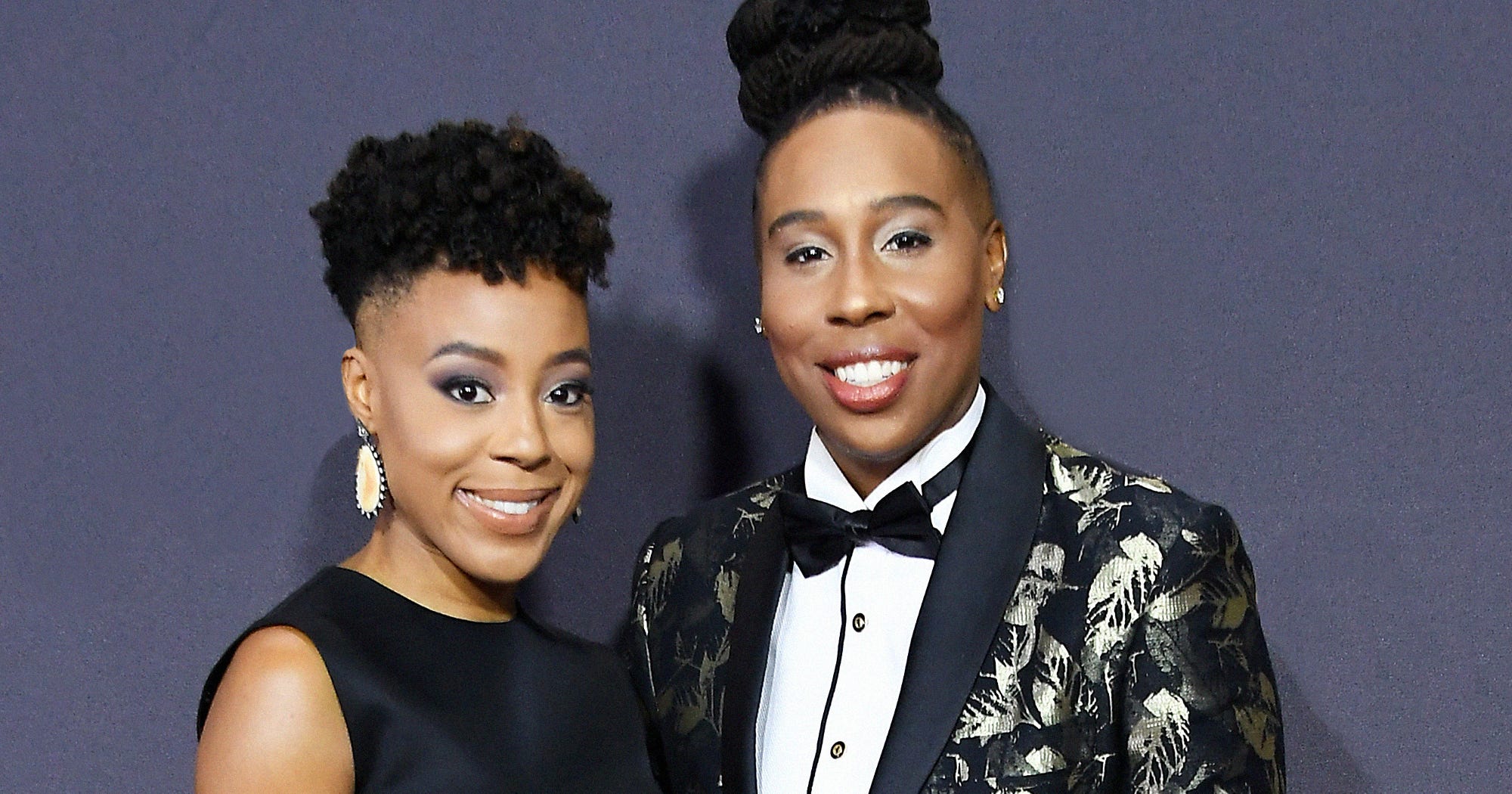
Alana Mayo and Lena Waithe represent a transformative alignment of executive authority and creative vision in Hollywood. Through studio leadership and groundbreaking production ventures, their work individually and collectively has expanded opportunities for underrepresented storytellers, reshaping how Black, queer, and marginalized narratives are financed, produced, and distributed across mainstream entertainment platforms.
The Dual Pillars of Hollywood Power: Creative Visionary Meets Studio Strategist
Sustainable change within the motion picture industry requires a dual-front approach: visionary creative talent capable of crafting authentic narratives, and high-level studio executives with the greenlight authority to finance and market those stories. While Hollywood history has often seen creative artists struggle against institutional risk aversion, the rise of figures like Lena Waithe and Alana Mayo demonstrates the power of operating simultaneously at the top of the creative and corporate ladders.
Waithe’s groundbreaking work as an Emmy-winning writer, creator, and producer provides the creative spark and structural blueprint for expansive storytelling. Concurrently, Mayo’s executive trajectory across top-tier studios—culminating in her stewardship of major film labels—provides the institutional access, budgetary support, and strategic oversight required to bring non-traditional stories to global audiences. Together, their parallel efforts illustrate how systemic industry barriers are dismantled when creative ingenuity is paired with executive decision-making.
Understanding their impact requires examining how creative freedom and executive leverage interact within studio ecosystems. When executives prioritize inclusive slate development and creative founders build self-sustaining production pipelines, the historical bottleneck restricting marginalized voices narrows significantly.
Executive Blueprint: Alana Mayo’s Leadership in Studio Production
Alana Mayo has established herself as one of the film industry's most effective corporate strategists and production executives. Her career trajectory underscores a rigorous commitment to narrative excellence coupled with operational pragmatism.
Mayo gained early prominence as Vice President of Production at Paramount Pictures, where she oversaw critically acclaimed and commercially successful feature films, including Fences, The Big Short, and Arrival. In this environment, Mayo developed a reputation for identifying commercially viable prestige projects while navigating the complexities of studio financing, physical production, and global talent acquisition.
Studio Development Trajectory:
- Paramount Pictures (VP of Production)
- Outlier Society (Head of Production)
- Orion Pictures / Amazon MGM Studios (President)
- Outlier Society (Head of Production)
Following her tenure at Paramount, Mayo joined Michael B. Jordan’s Outlier Society as Head of Production. There, she was instrumental in operationalizing one of the film industry’s earliest and most comprehensive inclusion riders, mandating diverse hiring practices both above and below the line for major studio features such as Just Mercy.
In September 2020, Mayo was appointed President of Orion Pictures, a historic studio label under MGM (and subsequently Amazon MGM Studios). Under her leadership, Orion was deliberately repositioned to serve as a home for underrepresented filmmakers and marginalized perspectives. Mayo’s executive greenlight strategy yielded critical landmarks, including:
- Sarah Polley’s Women Talking: An adaptation that secured widespread critical acclaim and won the Academy Award for Best Adapted Screenplay.
- Cord Jefferson’s American Fiction: A sharp satirical drama that achieved major award season recognition, including an Academy Award for Best Adapted Screenplay.
- Emma Seligman’s Bottoms: A breakout queer comedy that demonstrated commercial viability and cultural impact within mainstream theatrical distribution.
Mayo’s executive philosophy centers on the premise that championing diverse voices is not merely a social obligation but a sound, highly profitable business model for contemporary cinema.
Creative Architect: Lena Waithe and the Hillman Grad Pipeline
Where Mayo operates within the executive boardrooms, Lena Waithe commands the creative frontlines. Waithe made history in 2017 as the first Black woman to win the Primetime Emmy Award for Outstanding Writing for a Comedy Series for the celebrated "Thanksgiving" episode of Netflix’s Master of None.
Rather than treating individual accolades as an end point, Waithe leveraged her creative momentum to establish Hillman Grad Productions, a multi-platform media company designed to create access points for marginalized storytellers across film, television, music, and theatre.
Hillman Grad Model:
- Creative Development (The Chi, Queen & Slim)
- Mentorship Lab (Access for Underrepresented Writers/Actors)
- Financial Infrastructure (First-Look Deals & Executive Producing)
- Mentorship Lab (Access for Underrepresented Writers/Actors)
Through Hillman Grad, Waithe has produced a wide range of influential projects across major networks and studios:
- Feature Films: Queen & Slim (directed by Melina Matsoukas), The Forty-Year-Old Version (directed by Radha Blank), and A Thousand and One (directed by A.V. Rockwell), which won the Grand Jury Prize at the Sundance Film Festival.
- Television Series: The Chi (Showtime), Twenties (BET), and The Them anthology series (Prime Video).
- Mentorship Initiatives: The Hillman Grad Mentorship Lab, an annual tuition-free program providing instruction, access, and industry connections to emerging BIPOC writers, actors, and executives.
Waithe’s approach challenges the traditional Hollywood model by integrating talent discovery directly into the production company's operational blueprint. By training and hiring emerging artists within Hillman Grad projects, Waithe ensures that systemic diversity is embedded directly into production crews and writers' rooms.
Parallel Trajectories and Institutional Contributions
While Mayo and Waithe have each navigated distinct professional spheres—one advancing through corporate studio hierarchy, the other building an independent production empire—their combined impact has radically redefined the landscape for Black women in film.
| Strategic Metric | Alana Mayo | Lena Waithe |
|---|---|---|
| Primary Industry Role | Studio President / Senior Executive | Screenwriter / Producer / Actor / Founder |
| Key Organizations | Orion Pictures, Outlier Society, Paramount | Hillman Grad Productions |
| Operational Focus | Greenlight authority, studio financing, slate management | Story creation, scriptwriting, creative producing |
| Signature Film Projects | American Fiction, Women Talking, Bottoms | Queen & Slim, A Thousand and One, The Forty-Year-Old Version |
| Inclusion Mechanism | Inclusion riders, studio mandate repositioning | Mentorship Lab, equity-focused crew hiring |
| Core Industry Impact | Institutional capital allocation for diverse slates | Creative pipeline development and IP generation |
This synergy highlights a fundamental truth of contemporary media economics: script development and executive greenlighting must align to bring non-traditional projects from pitch to premiere successfully.
Structural Challenges Facing Black Women Executives and Creatives
Despite the visible success of leaders like Mayo and Waithe, Black women in the film industry continue to face significant systemic friction. Understanding these structural dynamics contextually highlights the resilience required to sustain high-level careers in entertainment.
Funding Disparities and Budgetary Ceiling Limits
Historically, projects helmed by Black creators—particularly Black women—have been constrained by lower production and marketing budgets compared to their white counterparts. Industry gatekeepers often miscategorize stories centering Black life as "niche" or limited in international appeal. Executive leaders combat this bias by providing robust studio marketing spend and securing wide theatrical windows, proving that diverse stories perform consistently across international markets.
The Executive Representation Void
While on-screen representation has seen measurable progress, C-suite and greenlight authority remains predominantly homogeneous. The paucity of executives of color in greenlight positions means that pitches from underrepresented writers often require extensive contextual justification before securing development funds. Mayo’s presence at the studio head level directly alters this dynamic, providing an informed perspective during greenlight evaluations.
Genre Restrictions and Typecasting
Black creatives have historically been steered toward narrow narrative categories, predominantly historical dramas dealing with trauma or broad slapstick comedies. Both Waithe and Mayo have worked to dismantle these restrictions by supporting varied genres, including:
- Satire and Social Commentary: Projects like American Fiction that critique media industry tropes.
- Queer Cinema and Comedies: Teen comedies such as Bottoms and coming-of-age series like Twenties.
- Prestige Indie Dramas: Character studies like A Thousand and One and domestic thrillers.
Practical Takeaways for Emerging Media Professionals and Executives
The strategies deployed by Mayo and Waithe offer clear lessons for emerging creators, independent producers, and media executives striving to build sustainable careers in the film industry.
- Establish Strategic Alliances Between Creative and Executive Spheres: Writers and directors must actively build relationships with executives who understand their creative syntax, while executives must seek out bold voice-driven talent early in their development cycles.
- Build Owned Infrastructure: Relying solely on third-party studio approval creates long-term vulnerability. Developing independent companies—such as Hillman Grad—allows creators to maintain intellectual property leverage and build self-sustaining pipelines.
- Codify Inclusion Mandates into Production Workflows: Inclusion cannot remain an informal goal. Implementing concrete contractual tools like inclusion riders ensures equitable hiring practices across physical production departments.
- Diversify Slate Risk through Varied Genres: Both studio slates and production company rosters should balance high-concept indie projects, commercial genre pieces, and low-budget prestige films to mitigate financial volatility.
Frequently Asked Questions
What are the distinct roles of Alana Mayo and Lena Waithe in film?
Alana Mayo is a top-tier film executive and studio president (heading Orion Pictures) who oversees film slates, financing, and greenlight decisions. Lena Waithe is an Emmy-winning screenwriter, producer, actor, and founder of Hillman Grad Productions, focusing on story creation, script writing, and talent cultivation.
How did Alana Mayo impact inclusion mandates in studio filmmaking?
During her tenure as Head of Production at Outlier Society, Alana Mayo was pivotal in operationalizing one of Hollywood's first comprehensive inclusion riders, ensuring that hiring practices for cast and crew prioritized diversity on major studio releases.
What is the goal of Lena Waithe’s Hillman Grad Productions?
Hillman Grad Productions was created to provide a platform and production pipeline for underrepresented artists. Beyond producing award-winning film and television projects, it operates a free mentorship lab providing access and training to BIPOC writers, actors, and executives.
Which major award-winning films were executive produced under Alana Mayo’s leadership at Orion Pictures?
Under Alana Mayo’s presidency, Orion Pictures backed critically acclaimed and award-winning films including Women Talking (Academy Award winner for Best Adapted Screenplay) and American Fiction (Academy Award winner for Best Adapted Screenplay).
Why is the partnership between studio executives and creative producers essential for industry reform?
Creative producers generate non-traditional stories, but studio executives hold the financial authority to approve budgets and distribution. Institutional reform requires both creative output and executive authorization working in harmony to ensure projects are properly funded, marketed, and released.
Advancing Inclusive Leadership in the Film Industry
For film industry professionals, executives, and content creators, the career trajectories of Alana Mayo and Lena Waithe offer a concrete blueprint for long-term cultural and economic impact. Real progress within entertainment requires moving beyond passive advocacy toward active infrastructure development.
To implement these lessons effectively, prospective filmmakers and media leaders should audit their own projects and organizations: assess whether production crews reflect inclusive hiring standards, build direct mentorship pathways for emerging talent, and actively support films championed by diverse executive leadership at the box office. Supporting both the creative visionaries on set and the strategic executives in studio boardrooms remains the most reliable path toward a fully equitable cinematic landscape.