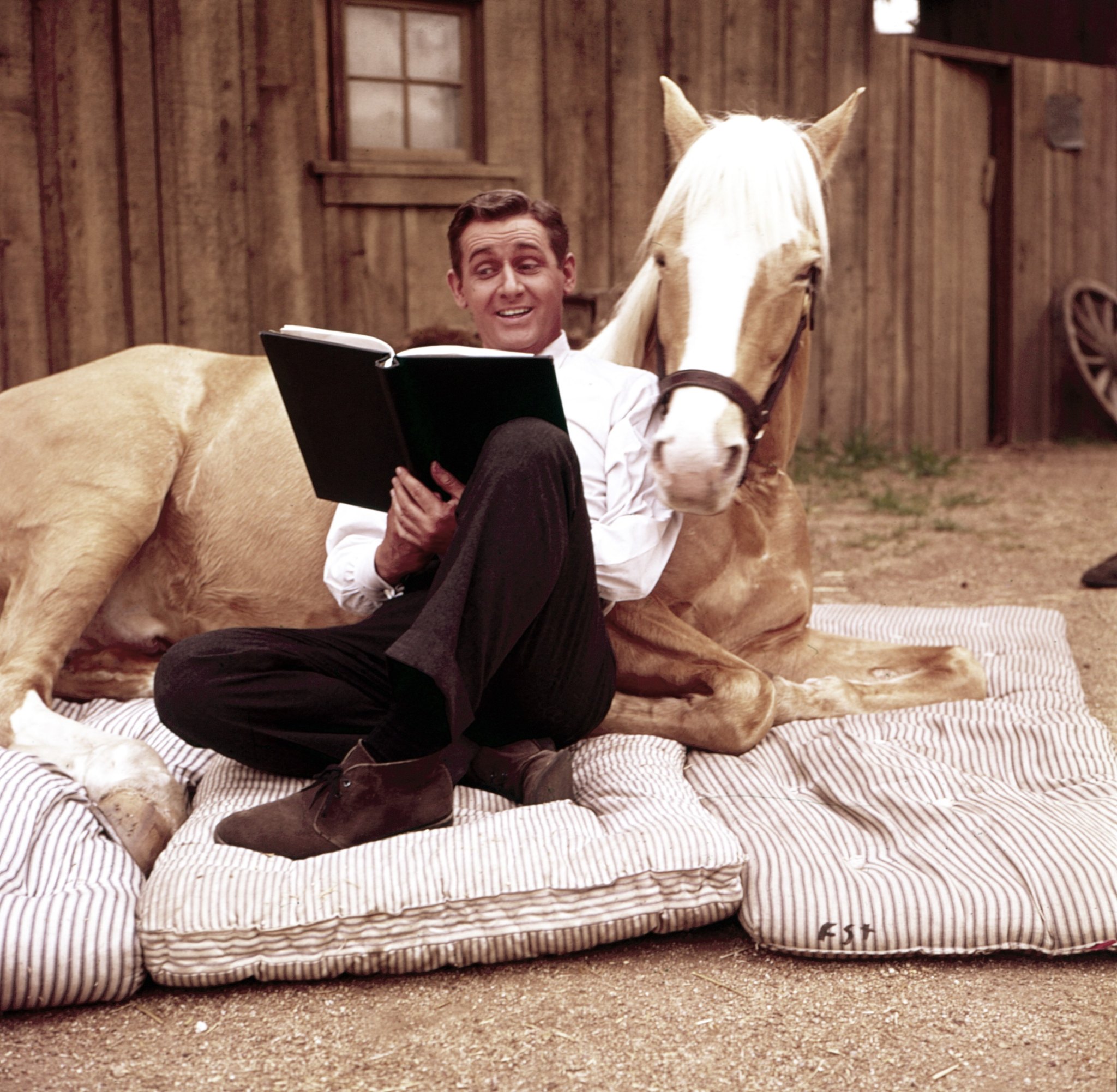
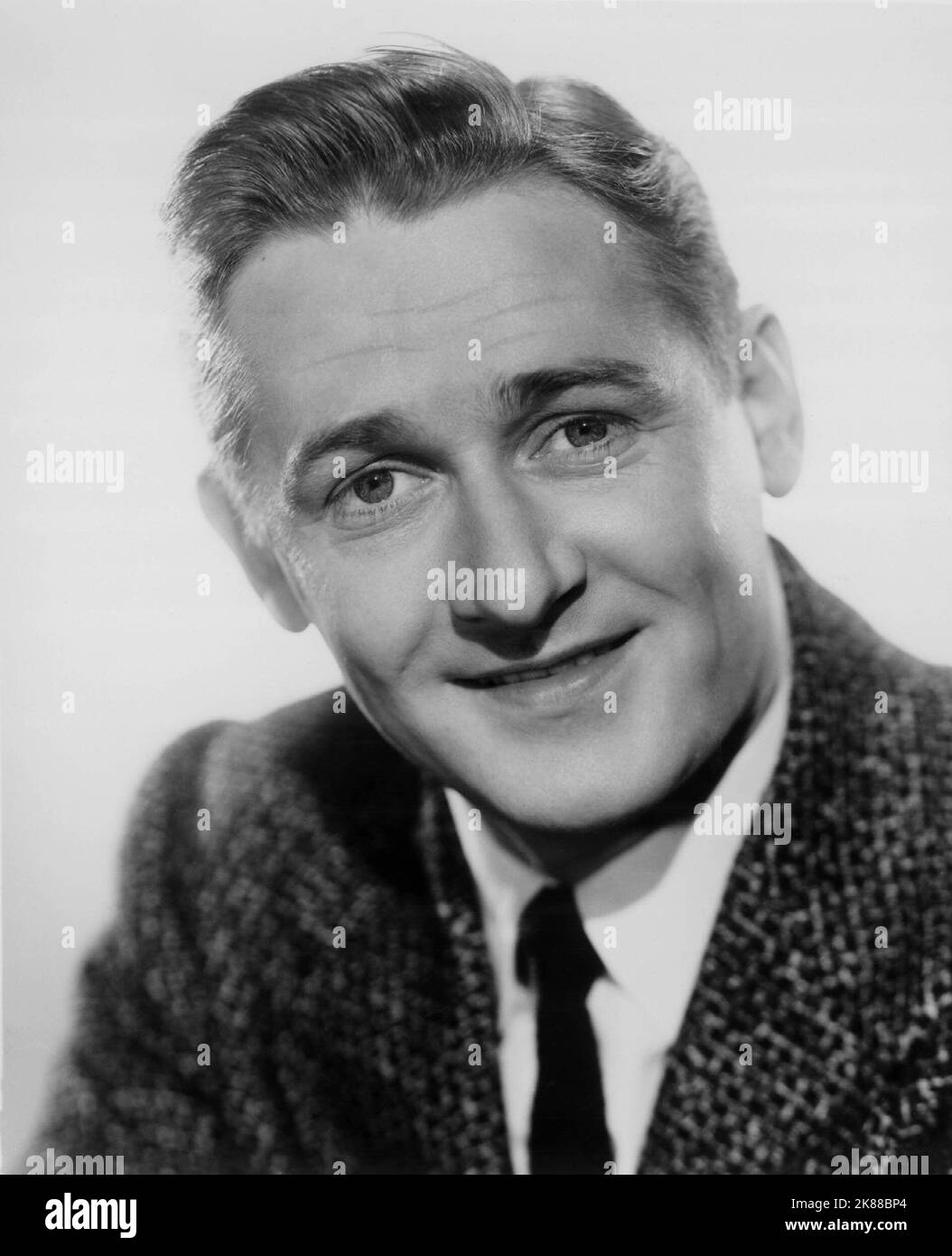
Alan Young’s reflections on his time with Bamboo Harvester, the Palomino known globally as Mister Ed, are documented in his memoirs and various archival "PDF" retrospective articles. To access these primary accounts, researchers should look for digital editions of Young’s autobiography, Mister Ed and Me, or scholarly archives of 1960s television history.
The phrase "TV’s smartest Orson" is a common typographical error or OCR (Optical Character Recognition) glitch found in digital archives, where the word Horse was misread as Orson. In the context of the actor Alan Young, the subject is invariably his equine co-star, Mister Ed. Young spent years clarifying the "magic" behind the show, debunking myths about peanut butter, and highlighting the genuine intelligence of the animal he considered a true partner. As of 2026, these accounts remain a cornerstone of television history, offering a window into the technical and emotional complexities of 1960s sitcom production.
The Identity of the "Smartest Horse" and the Orson Ambiguity
When fans search for a "PDF" regarding Alan Young and "Orson," they are almost certainly encountering a legacy of digital indexing errors. Bamboo Harvester, the American Saddlebred/Arabian/Grade cross Palomino, was the animal that played Mister Ed. He was widely marketed as "TV’s Smartest Horse." The confusion with the name "Orson" likely stems from a combination of the word "Horse" being misread in older, scanned documents and the name of Orson Bean, a contemporary actor who appeared in similar circles of mid-century entertainment.
Alan Young often noted that the horse’s intelligence was not merely a marketing gimmick. Bamboo Harvester was capable of performing complex multi-step tasks that exceeded the capabilities of most animal actors of the era. This intelligence is the primary focus of the various tribute articles and PDF documents circulating in digital libraries. These documents detail how the horse would "direct" himself to some degree, recognizing his cues and even "calling" for his trainer, Les Hilton, if he felt a scene was going long.
Accessing the PDF: Archives and Memoirs of Alan Young
For those seeking the specific document titled or related to "Alan Young actor remembering TV's smartest horse," there are three primary avenues to locate these materials in 2026.
- The Autobiography (Mister Ed and Me): Originally published in 1995 and co-written with Bill Giffin, this book is the definitive source of Young’s memories. While physical copies are collectors' items, digital versions (often in PDF or ePub format) are available through major library lending services like Libby or the Internet Archive’s Open Library.
- Magazine Retrospectives: Journals such as Classic Images and Nostalgia Magazine have published extensive "remembering" pieces. These are frequently stored in PDF format within academic databases like JSTOR or ProQuest, which can be accessed through university logins or public library portals.
- Fan-Archived Tributes: Several dedicated Alan Young and Mister Ed fan societies have digitized 1960s press kits. These kits often contain the original promotional copy that referred to the horse’s "genius," which serves as the source for many modern digital reprints.
When searching these databases, it is more effective to use the search string "Alan Young" AND "Mister Ed" AND "memoir" rather than the "Orson" misspelling to ensure the most accurate results from high-quality institutional archives.
The Technical Magic: How Mister Ed "Talked"
One of the most requested pieces of information in the Alan Young archives is the technical explanation of how they made the horse appear to speak. For decades, a popular rumor suggested that the production team smeared peanut butter on the horse’s gums to make him move his lips. In many of the "remembering" articles and PDF interviews, Young took great pains to clarify the actual methodology.
Initially, the trainer, Les Hilton, used a piece of nylon thread under the horse's lip. The horse would try to remove the thread, creating the talking motion. However, being "TV's smartest horse," Bamboo Harvester eventually learned to move his lips whenever Alan Young finished his line. He began to associate the end of the human dialogue with his own "cue" to speak.
Young famously stated that the horse eventually became so proficient that he didn't need the thread or any other stimulus. This transition from a physical prompt to a cognitive cue is a major theme in Young’s writings, as it elevated the horse from a "trained animal" to a "performer" in Young's eyes.
A Comparative Analysis of 1960s Television Animals
To understand why Mister Ed was uniquely labeled as the "smartest," it is helpful to compare the production requirements of Mister Ed with other contemporary animal-led shows.
| Animal Actor | Real Name | Species | Primary Skillset | Production Challenge |
|---|---|---|---|---|
| Mister Ed | Bamboo Harvester | Horse | Lip-syncing, door-opening, phone usage | Required precise timing with Alan Young's dialogue. |
| Lassie | Pal (and descendants) | Rough Collie | Stunt work, "pointing," rescue sequences | Multiple dogs often used for different physical tasks. |
| Flipper | Susie / Kathy | Dolphin | Water-based acrobatics, vocalizations | Filming in salt water and maintaining animal hydration. |
| Arnold Ziffel | Multiple Pigs | Pig | Following complex "human" blocking | Pigs are intelligent but highly food-motivated and easily distracted. |
| Trigger | Golden Cloud | Horse | Complex tricks (dancing, kneeling) | Primarily for Westerns; rarely required to "act" in a domestic sitcom setting. |
The Relationship Between Alan Young and Bamboo Harvester
Alan Young’s "remembering" is not just a technical log of a TV show; it is a narrative of a deep, inter-species friendship. In his PDF-archived interviews, Young frequently mentioned that he spent his lunch hours in the stable with the horse rather than in his trailer. This bond was essential for the show’s success because it allowed for a level of comfort on screen that was rare for the time.
Young often joked that the horse was the "real star" and he was merely the "straight man." This wasn't just humility; it was a reflection of the show's billing. In the 1960s, the horse actually won several PATSY Awards (Picture Animal Top Star of the Year), which were the animal kingdom's equivalent of the Oscars. Young’s writings reflect a man who was entirely comfortable playing second fiddle to a Palomino, a sentiment that preserved the show's charm and contributed to its longevity in syndication.
Challenges in Preserving the Alan Young Legacy
As we move through 2026, preserving the digital legacy of mid-century actors like Alan Young faces the challenge of "data rot" and the proliferation of low-quality AI-generated content. The "Orson" typo mentioned in the search intent is a prime example of how digital misinformation can cloud historical records.
Authentic PDF records from the Alan Young estate or authorized biographers are vital for correcting these errors. These documents provide the correct dates (the show ran from 1961 to 1966) and confirm that Young himself did the voice of Scrooge McDuck later in life—a fact often intertwined in "remembering" documents as part of his extensive career.
How did Alan Young feel about the peanut butter rumor?
In his documented memoirs, Alan Young expressed a mix of amusement and frustration with the peanut butter rumor. He clarified that while it might have been used as a very early experiment, it was not the sustainable method used for the bulk of the 143 episodes. He felt the rumor diminished the horse's actual intelligence and the training skill of Les Hilton.
Where can I find a legitimate PDF of Alan Young’s writings?
Legitimate PDFs are primarily found through the Internet Archive (Archive.org) or via JSTOR for academic articles about the show. If you are looking for his book Mister Ed and Me, it is best to check digital library platforms that verify copyright and provide high-resolution, searchable scans.
Was the horse's name actually Orson in any version of the show?
No. The horse’s name on the show was always Mister Ed, and the animal's real name was Bamboo Harvester. The name "Orson" does not appear in the credits or the production history of the series. It is almost certainly a recurring typographical error for the word "Horse."
What happened to the horse after the show ended?
Bamboo Harvester retired after the series concluded in 1966. There is some historical debate documented in Young's later interviews regarding the exact circumstances of the horse's passing in the early 1970s, with various accounts suggesting different dates and locations. Young’s later writings help consolidate these stories, generally pointing toward a quiet retirement.
Did Alan Young do the voice of Mister Ed?
No, the voice of Mister Ed was provided by Allan "Rocky" Lane, a former Western film star. Lane remained uncredited for most of the show's run to maintain the "illusion" that the horse was actually talking. Alan Young’s memoirs detail how he and Lane worked together to ensure the timing of the voiceover matched the horse's movements.
Verifying Historical Documents for Research
When engaging with materials regarding Alan Young and Mister Ed, researchers should prioritize sources that cite the Les Hilton training logs or provide direct quotes from Young's 1990s-era interviews. In 2026, with the rise of synthesized media, verifying the "PDF" source's provenance is essential. Look for documents that include scans of original set photography or production notes from Filmways/Derby Productions, as these are the most reliable indicators of factual accuracy regarding "TV’s smartest horse."