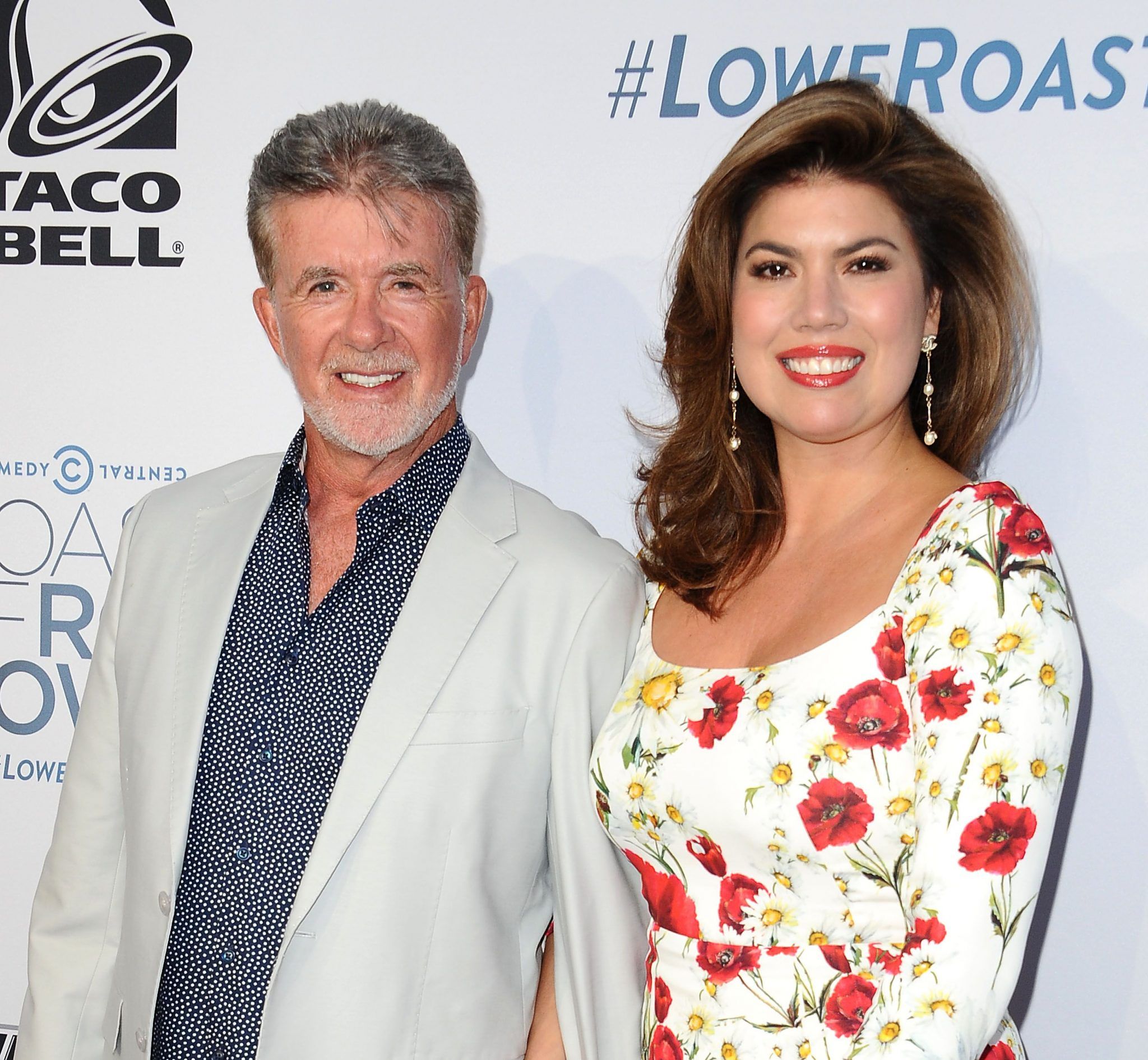
At the time of his passing in December 2016, Alan Thicke had an estimated net worth of $40 million. This substantial fortune was the result of a diverse career spanning over four decades, during which he excelled as a television actor, a prolific composer of iconic TV theme songs, a popular talk show host, and a savvy real estate investor.
Alan Thicke is perhaps best remembered by audiences worldwide as Dr. Jason Seaver, the patriarch of the Seaver family on the hit ABC sitcom Growing Pains. However, his financial success was rooted in far more than just acting. Thicke was a quintessential "multi-hyphenate" entertainer whose ability to write music, produce content, and host variety shows provided him with multiple streams of high-level income that many of his contemporaries lacked. Even a decade after his passing, looking back from the vantage point of 2026, his estate remains a testament to the enduring value of residuals and intellectual property in the entertainment industry.
The Foundation of a Fortune: Music and Composition
Before Alan Thicke became a household name in front of the camera, he was a powerhouse behind the scenes in the world of television music. For many, it is a surprising fact that Thicke was the creative force behind some of the most recognizable television theme songs in history. This facet of his career was arguably the most lucrative in the long term, as music royalties provide a continuous stream of passive income.
Thicke composed more than 40 television theme songs. Among his most famous works are the themes for Diff'rent Strokes and The Facts of Life. He also composed the original theme for the game show Wheel of Fortune, titled "Choral集" (which was used in the early years of the show), and the theme for The Joker's Wild. In many of these projects, he collaborated with his first wife, Gloria Loring.
The financial significance of these compositions cannot be overstated. Television theme songs earn performance royalties every time an episode of that show is broadcast anywhere in the world. Given that The Facts of Life and Diff'rent Strokes have enjoyed decades of global syndication, these royalties contributed millions to Thicke’s net worth over his lifetime. Unlike a standard acting salary, which is a one-time payment for service, songwriting credits represent an asset that grows in value and pays out for the life of the copyright.
The Growing Pains Era: Television Stardom and Syndication
While music provided the foundation, Growing Pains (1985–1992) provided the peak of Alan Thicke’s fame and his primary earning power as an actor. As the star of a top-rated network sitcom during the "Golden Age" of the 1980s, Thicke commanded a significant salary per episode. At the height of the show’s popularity, leading sitcom stars could earn upwards of $100,000 to $250,000 per episode, and Thicke was no exception.
However, the real wealth in network television lies in syndication. Once a series reaches 100 episodes, it becomes eligible for "off-network syndication," where local stations and cable networks buy the rights to air reruns. Growing Pains produced 166 episodes, making it a staple of daytime and late-night television for years.
As a primary cast member, Thicke was entitled to "residuals"—payments made to creators and performers when their work is reused. While these payments decrease over time, the sheer volume of Growing Pains broadcasts globally ensured that Thicke remained financially comfortable long after the show went off the air. This period also allowed him to establish his brand as "America's Dad," a reputation that led to numerous lucrative endorsement deals and public speaking engagements throughout the 1990s and 2000s.
Diversification: Hosting, Writing, and Producing
Alan Thicke was famously industrious, often joking that he would never turn down a job. This work ethic led him into various sectors of media, each contributing to his overall net worth:
- Talk Show Hosting: Before his success in the U.S., Thicke was a massive star in Canada, hosting The Alan Thicke Show. He later attempted to challenge Johnny Carson with the late-night American talk show Thicke of the Night (1983). While the show did not achieve the ratings success of The Tonight Show, the contract itself was highly lucrative and helped establish his presence in the American market.
- Writing and Producing: Thicke was an accomplished writer, contributing to variety specials for stars like Richard Pryor and Barry Manilow. He also produced several television events. Producers typically receive a percentage of a project's budget or profits, adding another layer to his professional income.
- Later Acting and Reality TV: In his later years, Thicke remained active with guest roles on shows like How I Met Your Mother and This Is Us. He also leaned into the reality TV trend with Unusually Thicke, a "mockumentary" style series that followed his real life. These projects kept his brand relevant in the 21st century and ensured a steady flow of income.
Real Estate and Physical Assets
A significant portion of Alan Thicke's $40 million net worth was tied up in high-value real estate. His primary asset was his 11-acre ranch in Carpinteria, California, near Santa Barbara. Thicke purchased this property in the 1990s and spent years developing it.
The Carpinteria estate, known for its stunning views and privacy, featured a large Spanish-style villa, equestrian facilities, and lush landscaping. In the California real estate market, particularly in the Santa Barbara area, property values appreciated significantly between 1990 and 2016. By the time of his death, the ranch was estimated to be worth between $10 million and $15 million.
In addition to the ranch, Thicke owned other properties and investments. His financial portfolio was managed with an eye toward long-term stability, focusing on a mix of tangible assets and equity. This diversified approach is what allowed his net worth to remain high even during periods when he wasn't starring in a top-rated television show.
The Estate Battle: Legacy and Legalities
Following Alan Thicke’s sudden passing in December 2016 due to a ruptured aorta, his estate became the subject of a highly publicized legal dispute. This conflict provided a rare glimpse into the inner workings of his financial planning and the true value of his assets.
Thicke had a living trust and a prenuptial agreement with his third wife, Tanya Callau. According to court filings from 2017 and 2018, his sons, Robin and Brennan Thicke (acting as co-trustees), were involved in a legal disagreement with Tanya regarding the terms of the trust. Tanya claimed that the prenuptial agreement she signed in 2005 was potentially invalid, while the sons accused her of attempting to "raid" the estate.
The documents revealed that Thicke had been careful to ensure his children were the primary beneficiaries of his long-term wealth, while still providing for his wife. The Carpinteria ranch was a focal point of this dispute, as Tanya was granted the right to live there for the rest of her life, provided she covered the maintenance costs—a common arrangement in high-net-worth estate planning. The eventual resolution of these legal issues confirmed that the majority of the $40 million fortune remained intact within the family trust, benefiting his three sons (Robin, Brennan, and Carter).
Summary of Alan Thicke’s Estimated Income Sources
The following table outlines the various sectors that contributed to Alan Thicke's total valuation at the time of his death.
| Category | Primary Sources | Estimated Financial Impact |
|---|---|---|
| Television Acting | Growing Pains, Hope & Gloria, guest spots | High (Major salary + long-term residuals) |
| Music Composition | Themes for The Facts of Life, Diff'rent Strokes, Wheel of Fortune | High (Continuous royalties over 40 years) |
| Hosting & Producing | The Alan Thicke Show, Thicke of the Night, Unusually Thicke | Moderate to High (Contract fees and production points) |
| Real Estate | Carpinteria Ranch, various residential holdings | High (Asset appreciation and equity) |
| Author & Commercials | Books (How to Raise Kids Who Won't Hate You), endorsements | Moderate (Supplemental income) |
FAQ: Understanding the Thicke Fortune
How much did Alan Thicke make from "Growing Pains"?
While exact per-episode figures were not public, leading stars of successful 80s sitcoms typically earned between $2 million and $5 million per season at their peak. The real wealth, however, came from the back-end syndication deals, which can pay out millions over several decades.
Who inherited Alan Thicke's money?
The bulk of Alan Thicke's estate was left to his three sons: Brennan, Robin, and Carter. His third wife, Tanya Callau, was provided for through the trust, including a percentage of the estate's income and the right to reside at his Carpinteria ranch, though her specific inheritance was governed by a prenuptial agreement.
Did Alan Thicke write the "Wheel of Fortune" theme?
Yes. Alan Thicke composed the original theme song used during the show's early years. While the show later moved to the "Changing Keys" theme (composed by Merv Griffin), Thicke's early contribution remains a part of his musical royalty portfolio.
How much was the Carpinteria ranch worth?
At the time of his death, the property was valued at approximately $11 million to $15 million. It was one of his most significant non-liquid assets and a centerpiece of his estate's valuation.
Was Robin Thicke's success related to his father's wealth?
While Robin Thicke certainly grew up with the advantages of his father's success, his own net worth (estimated at $15 million) was earned independently through his music career and hits like "Blurred Lines." Alan Thicke's wealth and Robin's wealth are separate, though Robin is a primary beneficiary of Alan's estate.
Reflecting on Alan Thicke's Enduring Financial Legacy
Alan Thicke's financial story is a masterclass in career diversification. He did not rely solely on the "next big role" to sustain his lifestyle. Instead, he invested his time in creating intellectual property—specifically music—that would pay him for the rest of his life. By the time 2026 arrived, his compositions were still being heard on streaming services and digital sub-channels, continuing to generate revenue for his heirs.
The $40 million valuation is a reflection of a man who understood the "business" part of show business. From the royalties of The Facts of Life to the strategic purchase of California real estate, Thicke built a resilient financial empire. For fans and observers, his net worth serves as a reminder that true wealth in Hollywood often comes from what you own (copyrights and land) rather than just what you do on screen.
His legacy is not just one of a charming TV dad, but of a shrewd professional who successfully navigated the volatile entertainment industry for half a century. Whether through the catchy tune of a sitcom theme or the syndication of a classic series, Alan Thicke's work continues to hold significant value in the modern media landscape.