Alan Thicke’s portrayal of Dr. Jason Seaver on Growing Pains defined the 1980s sitcom patriarch, blending humor with earnest parental guidance. As a psychiatrist working from home, Thicke’s character navigated the evolving dynamics of a modern family, cementing his status as a beloved cultural icon and "America’s Dad" for a generation of viewers.
The Genesis of Jason Seaver: From Songwriter to Sitcom Star
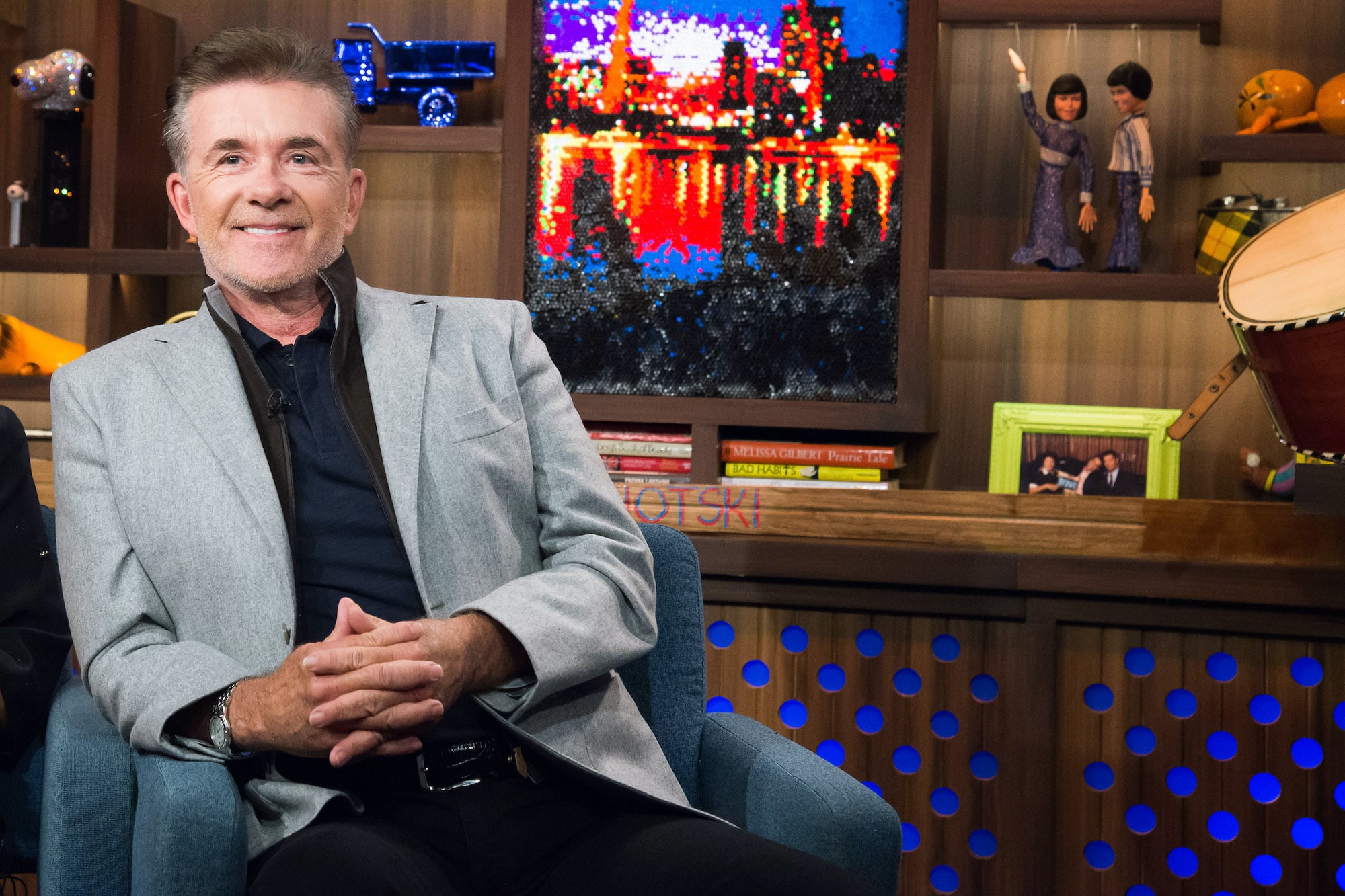
Before he became the face of the Seaver household, Alan Thicke was not an obvious choice for a primetime sitcom lead. In the early 1980s, the Canadian-born entertainer was primarily known as a successful songwriter and a talk show host. He had written the iconic theme songs for Diff'rent Strokes and The Facts of Life, and he hosted The Alan Thicke Show in Canada followed by the late-night American attempt, Thicke of the Night.
When Growing Pains debuted on ABC in September 1985, Thicke brought a unique energy to the role of Dr. Jason Seaver. Unlike the more authoritarian fathers of earlier television eras, Jason was a psychiatrist who practiced from a home office. This narrative choice allowed the character to be physically present for his children’s daily struggles while maintaining a professional career. Thicke’s natural charisma and quick-witted delivery made the transition from host to actor appear seamless, though he often joked in later years that he was simply playing a slightly more patient version of himself.
The show's premise—a mother returning to the workforce while the father managed the home—was a subtle but significant reflection of the changing American social landscape of the mid-80s. Thicke’s Jason Seaver became the archetype for the "new man" of the decade: emotionally intelligent, involved in domestic duties, and capable of handling a crisis with a calm, analytical perspective.
The Chemistry of 15 Robin Hood Lane
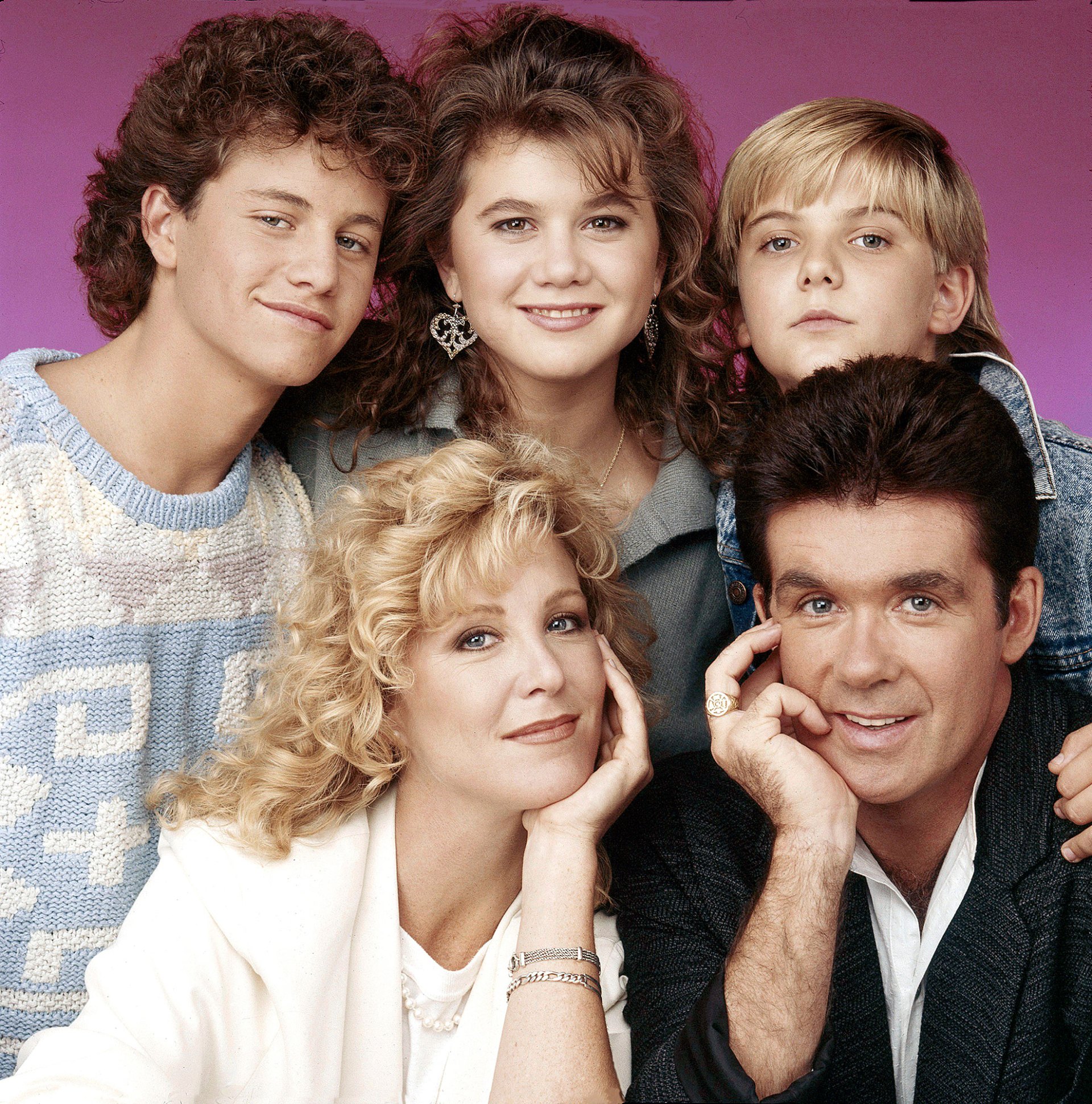
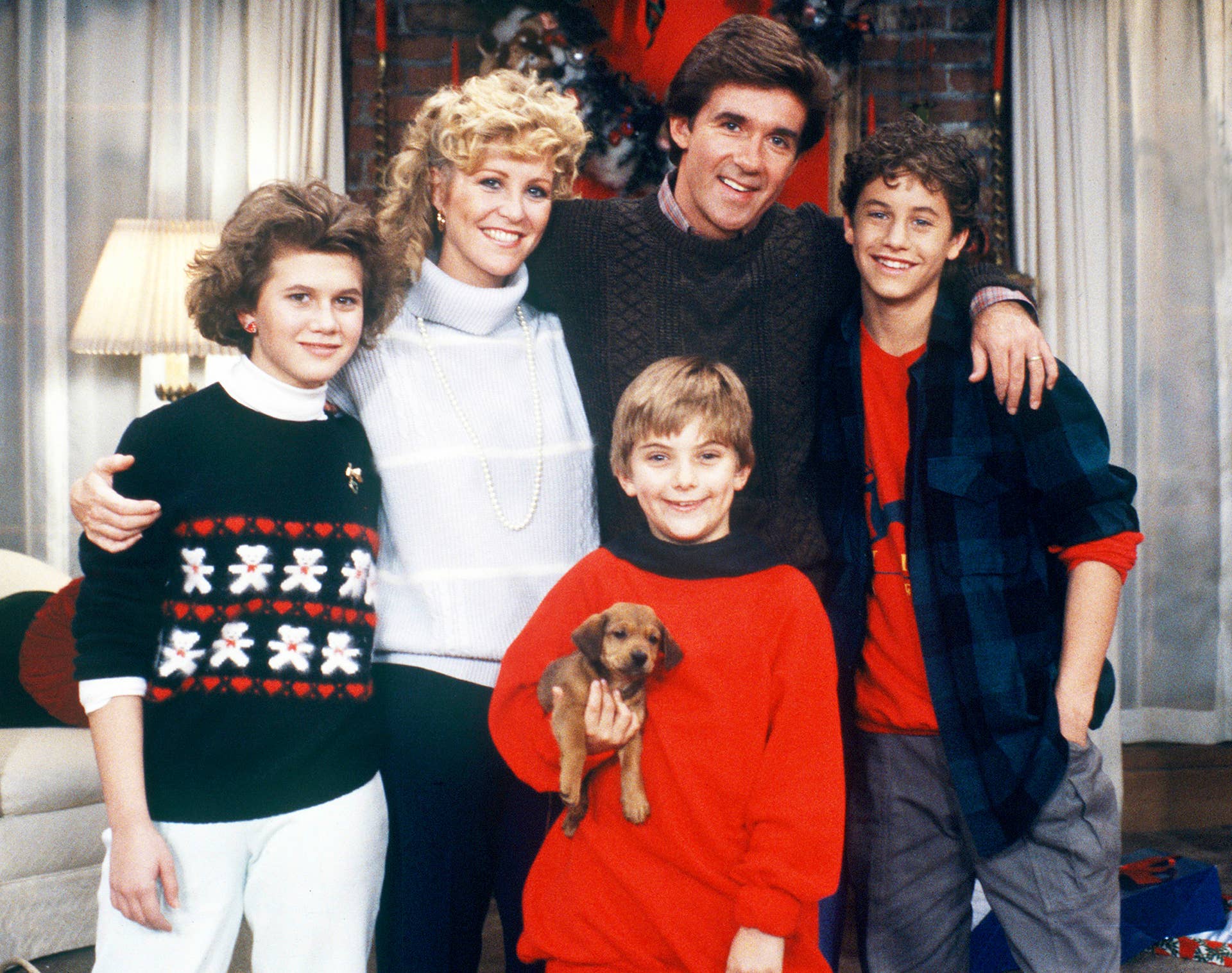
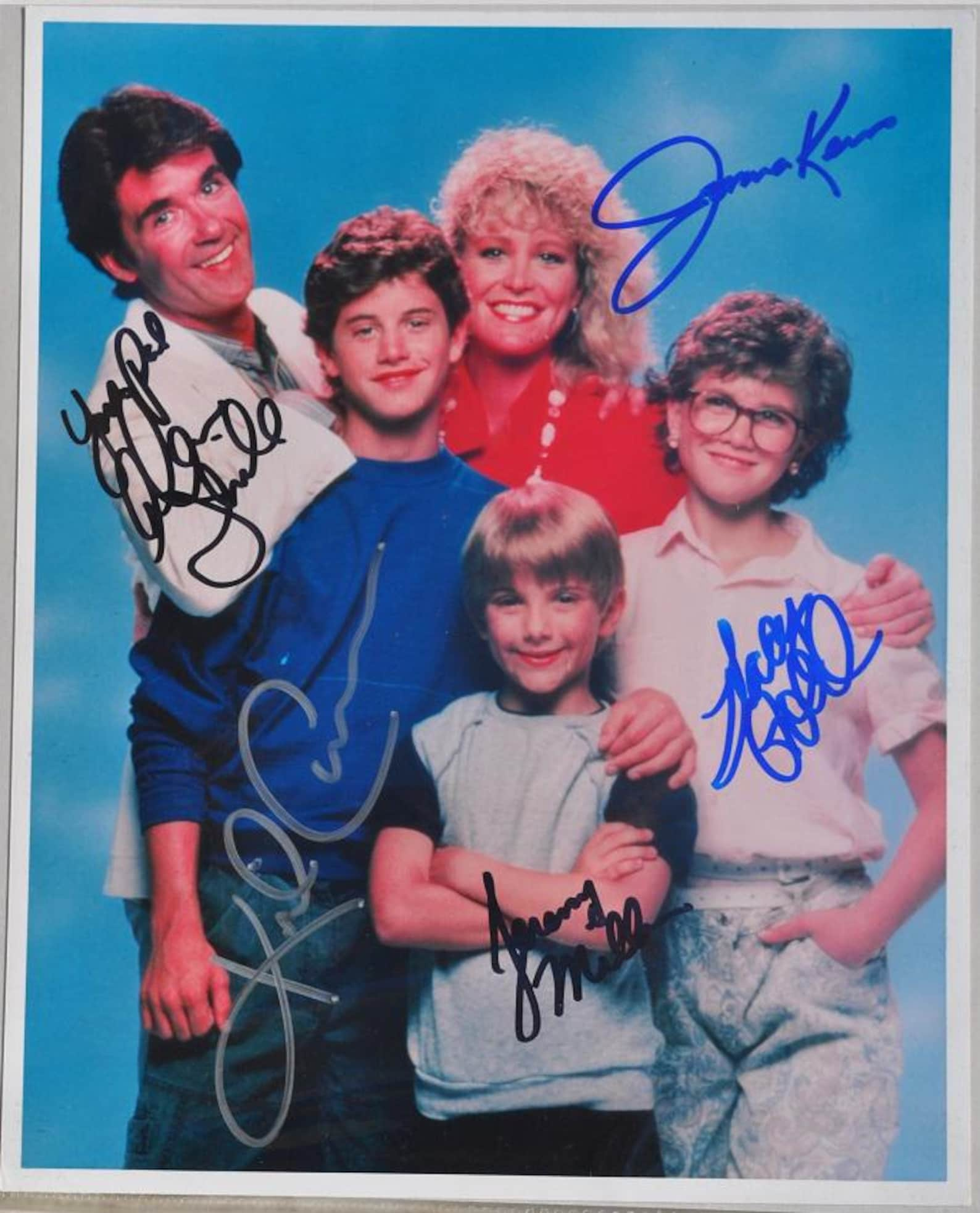
The enduring success of Growing Pains (1985–1992) relied heavily on the chemistry between Alan Thicke and his on-screen wife, Joanna Kerns, who played Maggie Seaver. The two shared a genuine rapport that translated into one of the most believable marriages in sitcom history. They were partners who navigated the complexities of raising three (later four) distinct children while maintaining their own romantic and professional lives.
Thicke often credited the show's longevity to the authenticity of these relationships. Behind the scenes, the cast truly functioned as a family unit. This bond was tested and strengthened through the "teen idol" years of Kirk Cameron (Mike Seaver), the academic focus of Carol (Tracey Gold), and the mischievous growth of Ben (Jeremy Miller).
Mentorship and the Young Cast
As the patriarch off-camera as well as on, Thicke took his role as a mentor seriously. During the height of "Mike-mania," when Kirk Cameron was receiving thousands of fan letters a week, Thicke helped the young actor navigate the pressures of sudden superstardom. Later in the series, when a young Leonardo DiCaprio joined the cast as the homeless teen Luke Brower in the seventh season, Thicke was among the first to recognize the boy’s prodigious talent, famously predicting that DiCaprio would go on to become a major film star.
Thicke’s ability to anchor the show while allowing the younger actors to shine was a testament to his lack of ego. He understood that for a family sitcom to work, the "kids" had to be the primary drivers of the plot, while the "parents" provided the safety net. This balance kept Growing Pains in the Top 10 of the Nielsen ratings for much of its early run.
A Legacy of Song: The Musical Identity of Growing Pains
One cannot discuss Alan Thicke’s contribution to Growing Pains without mentioning the music. While Thicke did not write the show's theme song, "As Long as We Got Each Other" (composed by John Bettis and Steve Dorff), his background as a composer informed the musicality of the series. The theme song itself remains one of the most recognizable in television history, perfectly encapsulating the show’s optimistic, family-first ethos.
Thicke’s musical career was vast. Beyond the theme songs he penned for other shows, he frequently incorporated music into his public appearances and later sitcom roles. On Growing Pains, Jason Seaver was occasionally shown to be a lover of music, a trait that mirrored Thicke’s real-life passions. This multifaceted talent contributed to the "Renaissance Man" aura that Thicke carried throughout his life, making him more than just a "sitcom dad" but a complete entertainer.
Key Milestones and Series Evolution
To understand the impact of Growing Pains, it is helpful to look at how the show evolved over its seven-season run. The transition from a small family unit to a larger ensemble reflected the actual "growing pains" of a 1980s household.
| Season | Year(s) | Major Developments | Alan Thicke’s Role Focus |
|---|---|---|---|
| Season 1 | 1985–1986 | Maggie returns to work; Jason moves his practice home. | Establishing the "Work-from-Home Dad" archetype. |
| Season 3 | 1987–1988 | The show hits peak popularity; Mike becomes a breakout star. | Balancing fatherhood with the emerging independence of teens. |
| Season 4 | 1988–1989 | The birth of Chrissy Seaver. | Transitioning back to "new baby" parenting in middle age. |
| Season 7 | 1991–1992 | Luke Brower (Leonardo DiCaprio) joins the household. | Mentoring a child from outside the immediate family. |
| Reunions | 2000, 2004 | The Growing Pains Movie and Return of the Seavers. | Exploring Jason Seaver’s retirement and legacy. |
The Enduring Influence of the "TV Dad" Archetype
In the landscape of 2026, looking back ten years after Alan Thicke’s passing in 2016, his influence on the television landscape remains profound. The "Jason Seaver" model of fatherhood—patient, humorous, and occasionally flawed but always present—paved the way for modern TV fathers. He was a bridge between the stern figures of the 1950s and the more bumbling, comedic fathers of the late 90s and 2000s.
Thicke’s Jason Seaver was notable because he was allowed to be wrong. He would often over-analyze his children’s behavior through a psychiatric lens, leading to comedic misunderstandings. However, the resolution was always rooted in communication. This focus on "talking it out" was a hallmark of the show and helped normalize the idea of mental health and counseling in suburban America.
Life After the Seavers
After Growing Pains concluded in 1992, Thicke remained a fixture in the entertainment industry. He embraced his status as a pop culture icon, making frequent guest appearances on shows like How I Met Your Mother, where he played a fictionalized, hyper-Canadian version of himself. He also starred in the "quasi-reality" series Unusually Thicke, which showcased his real-life family dynamics with his wife Tanya and son Carter.
Despite his many other roles, Thicke was always happy to revisit Jason Seaver. He recognized that the show represented a "golden era" of television—a time when families gathered around a single screen to watch stories that reflected their own lives. His sudden death in December 2016 prompted a massive outpouring of grief from fans and former co-stars, proving that the bond he formed with the public was genuine.
Nostalgia in the Streaming Era
In 2026, Growing Pains continues to find new audiences through streaming platforms and digital syndication. Younger viewers, discovering the show for the first time, often comment on the timelessness of the family conflicts. Whether it is Mike trying to skip a test or Carol navigating a difficult breakup, the emotional core of the show remains relevant.
Alan Thicke’s performance is the glue that holds these episodes together. His ability to move from a slapstick comedic moment to a poignant, heart-to-heart talk with one of his children is a masterclass in sitcom acting. For those who grew up watching him, a "nostalgic look back" isn't just about the 80s fashion or the feathered hair; it’s about the feeling of security and warmth that Jason Seaver provided.
For more information on the history of 1980s sitcoms, you can explore the archives at The Museum of Broadcast Communications or check the cast's filmographies on IMDb.
Frequently Asked Questions
Who wrote the theme song for Growing Pains?
The theme song, "As Long as We Got Each Other," was composed by Steve Dorff with lyrics by John Bettis. While Alan Thicke was a famous songwriter who wrote themes for Diff'rent Strokes and The Facts of Life, he did not write the music for his own show. The most famous version of the theme was a duet performed by B.J. Thomas and Jennifer Warnes.
Why did Jason Seaver work from home?
The narrative reason was that his wife, Maggie, was returning to her career as a journalist, and Jason, a psychiatrist, could easily move his practice to a home office. This allowed him to be the primary supervisor for the children during the day, which was a progressive move for a 1980s sitcom and provided a fresh perspective on the "stay-at-home parent" dynamic.
How did Alan Thicke die?
Alan Thicke passed away on December 13, 2016, at the age of 69. He suffered a ruptured type A aortic dissection while playing hockey with his youngest son, Carter, in Burbank, California. His death was a shock to the entertainment community, as he had been active and in good health prior to the event.
Did Leonardo DiCaprio really start his career on Growing Pains?
While not his very first role, Leonardo DiCaprio joined Growing Pains during its final season (1991–1992) as Luke Brower, a homeless student taken in by the Seavers. This role significantly boosted his profile and showcased his acting range to a wide audience just before his transition into major film roles like This Boy's Life and What's Eating Gilbert Grape.
Where can I watch Growing Pains in 2026?
As of 2026, Growing Pains is widely available on various streaming services and digital retailers. Due to its status as a classic ABC sitcom, it is frequently featured on platforms that host Warner Bros. Discovery content or on dedicated "retro" television networks that specialize in 80s and 90s programming.
Reconnecting with the Seaver Family Legacy
If you are looking to revisit the warmth and humor of the Seaver household, the best way is to start with the pilot episode and watch the evolution of the family. Beyond the television show, fans can also look into Alan Thicke’s books on parenting, such as How to Raise Kids Who Won't Hate You, which blend his real-world experiences with the wisdom he "learned" while playing Jason Seaver. Embracing the nostalgia of Growing Pains is more than just a trip down memory lane; it is a reminder of the enduring power of family, communication, and a well-timed dad joke.