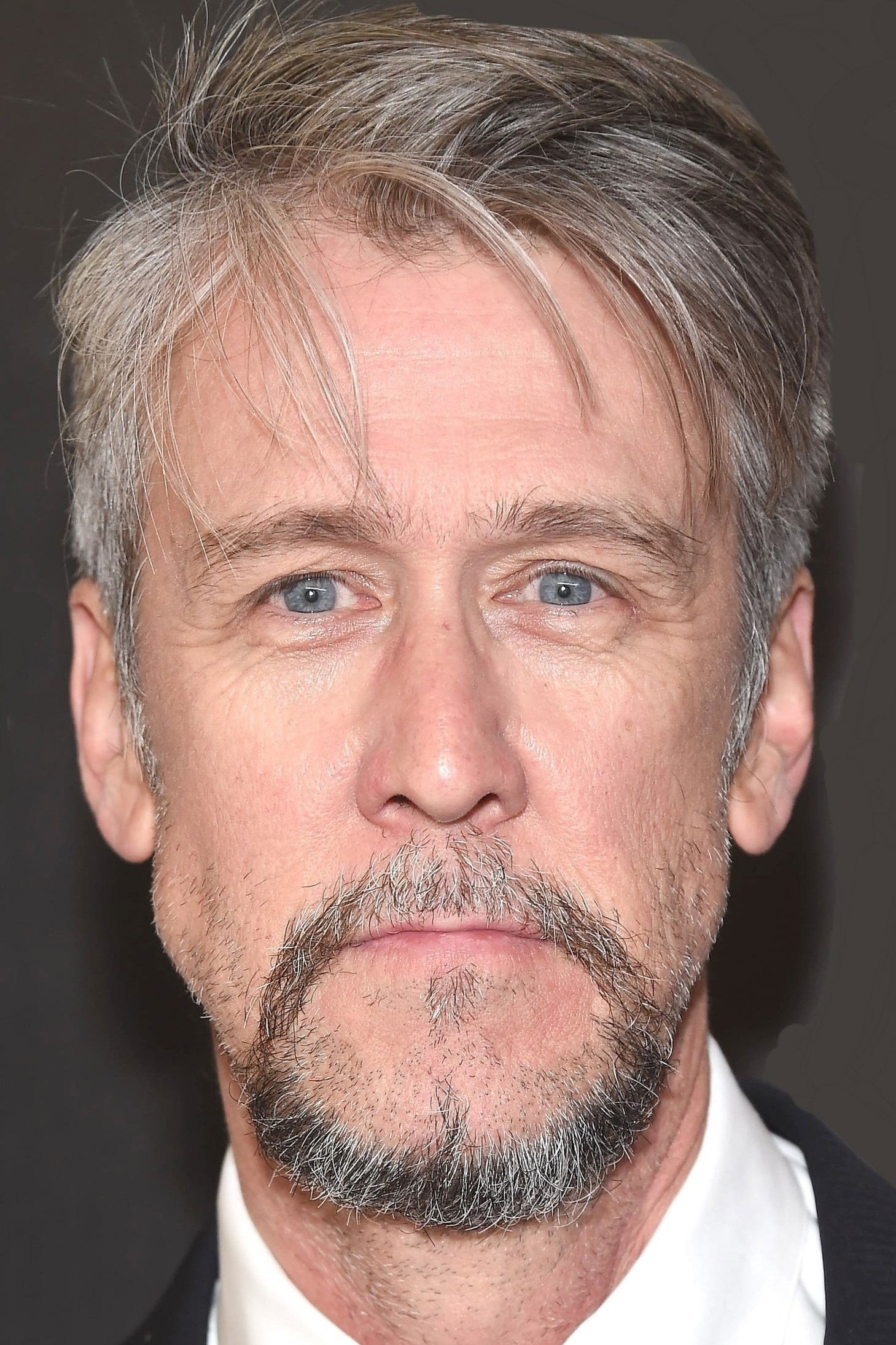
Alan Ruck is a distinguished American actor whose career spans over four decades, most famously defined by his roles as the neurotic Cameron Frye in Ferris Bueller’s Day Off and the delusional Connor Roy in HBO’s Succession. Known for his masterful blend of dry wit and vulnerability, Ruck has successfully transitioned from a 1980s teen icon to a prestigious Emmy-nominated dramatic performer.
Early Life and the Road to Broadway
Born on July 1, 1956, in Cleveland, Ohio, Alan Ruck’s journey into the performing arts began in the Midwest. He attended the University of Illinois at Urbana-Champaign, where he earned a B.F.A. in drama. Unlike many actors who head straight for Los Angeles, Ruck’s early foundation was built on the stage. His time in the Chicago theater scene was pivotal, providing him with the technical discipline required for long-form character development.
In the early 1980s, Ruck made the move to New York City. His professional trajectory changed significantly when he was cast in the Broadway production of Neil Simon’s Biloxi Blues. It was here that he met Matthew Broderick. The two developed a genuine chemistry that would soon be immortalized on film. Ruck’s theater background remains a cornerstone of his professional identity; he often credits the "repetition and discovery" of stage work for his ability to find new layers in long-running television characters. This period established him as a reliable ensemble player, a reputation that would serve him well as he moved into the high-stakes world of Hollywood filmmaking.
The Cultural Icon: Ferris Bueller’s Day Off
In 1986, Alan Ruck secured the role that would define the first half of his career. At the age of 29, he was cast as the 17-year-old Cameron Frye in John Hughes’ Ferris Bueller’s Day Off. While Matthew Broderick’s Ferris was the charismatic lead, Ruck’s Cameron provided the emotional heart of the film. Cameron was the personification of teenage anxiety, parental neglect, and internal paralysis.
Ruck’s performance was nuanced far beyond the typical "sidekick" archetype. He portrayed a young man physically and mentally stifled by his father’s expectations—symbolized by the pristine, untouchable Ferrari. The scene in which Cameron finally "kills" the car remains one of the most cathartic moments in 1980s cinema. This role showcased Ruck’s unique ability to handle physical comedy (such as the catatonic "staring" sequences) alongside genuine dramatic breakdown. For decades, Cameron Frye has remained a touchstone for audiences who felt they didn't fit the "cool kid" mold of 80s protagonists. Despite the massive success of the film, Ruck avoided the "Brat Pack" pigeonholing that affected many of his contemporaries, largely because he was nearly a decade older than the character he played, allowing him to maintain a level of professional distance from the teen-idol circuit.
Navigating the 90s: Speed, Twister, and Spin City
The decade following Ferris Bueller saw Ruck establish himself as one of Hollywood’s most dependable character actors. He avoided the "leading man" trap, instead choosing roles that allowed him to vanish into diverse ensembles. This period was marked by appearances in some of the highest-grossing films of the era.
In 1994, he played the nervous tourist Stephens in the action blockbuster Speed. Two years later, he appeared in Twister as Robert "Rabbit" Nurick, a member of the storm-chasing team. These roles cemented his status as a "utility player"—an actor who could ground high-concept action films with relatable humanity.
However, it was on the small screen where Ruck found his next major foothold. From 1996 to 2002, he starred as Stuart Bondek in the ABC sitcom Spin City. As the cynical, sex-obsessed chief of staff, Ruck displayed a sharp comedic edge that contrasted sharply with the gentleness of Cameron Frye. Working alongside Michael J. Fox (and later Charlie Sheen), Ruck proved his stamina for network television, appearing in 145 episodes. Spin City allowed him to refine his "deadpan" delivery, a skill that would eventually peak during his time on Succession.
The Succession Renaissance: Connor Roy and Late-Career Brilliance
After years of steady work in guest roles and independent films, Ruck experienced a career renaissance in 2018 when he was cast in Jesse Armstrong’s HBO series Succession. As Connor Roy, the eldest, eccentric, and often ignored son of media mogul Logan Roy, Ruck delivered what many critics consider his finest work.
Connor Roy was a complex creation: a man with "billionaire-funded" delusions of grandeur who famously ran for President of the United States despite having no political experience. Ruck played Connor with a delicate balance of humor and profound sadness. He captured the essence of a man who was the "first pancake"—the one Logan Roy seemingly discarded before perfecting his cruelty on the younger siblings.
Ruck’s performance in Succession earned him an Emmy nomination for Outstanding Supporting Actor in a Drama Series in 2023. As of 2026, the legacy of Connor Roy continues to influence how character actors approach "unlikable" roles. Ruck didn't play Connor as a villain or a simpleton; he played him as a deeply lonely man whose wealth had insulated him from reality to the point of tragedy. This role introduced Ruck to a new generation of viewers, many of whom were shocked to realize that the "eldest Roy" was the same man who had crashed the Ferrari in 1986.
Artistic Style and Character Range
Alan Ruck’s longevity in the industry can be attributed to his "chameleon-like" presence. He lacks the ego of a traditional star, which allows him to elevate the actors around him. His style is often characterized by:
- Pathos in Comedy: Even in his most ridiculous roles (like Stuart Bondek), there is a flicker of insecurity that makes the character human.
- Physical Control: Ruck uses his posture and facial expressions to convey a character's social standing. In Succession, his awkward, overly stiff gait perfectly communicated Connor’s lack of a "place" in the corporate world.
- The "Everyman" Quality: Despite his wealth or status in various roles, Ruck retains a relatable quality. He often plays the character who is reacting to the chaos caused by more dominant personalities.
This range has allowed him to move seamlessly between genres, from the horror of the Exorcist television series to the sci-fi world of Star Trek: Generations (where he played Captain John Harriman).
Personal Life and Resilience
In his personal life, Alan Ruck has demonstrated a resilience that mirrors his career longevity. In 2001, he faced a life-threatening health crisis when he contracted a severe streptococcal infection that led to septic shock and kidney failure. His recovery was long and difficult, but he eventually returned to acting with a renewed perspective on his craft.
Ruck has been married to actress Mireille Enos since 2008. The couple has two children together, and Ruck has two children from a previous marriage to Claudia Stefany. Ruck and Enos are known for being one of Hollywood’s more low-profile and stable couples, often supporting each other's projects. In late 2023, Ruck was involved in a multi-vehicle car accident in Hollywood. While the event caused significant media attention, he recovered and continued his professional commitments, showcasing the same stoicism he has applied to his decades in the spotlight.
Career Milestones and Key Filmography
The following table summarizes the most significant projects in Alan Ruck's career, highlighting the diversity of his roles and his impact on both film and television.
| Year | Title | Role | Significance |
|---|---|---|---|
| 1986 | Ferris Bueller's Day Off | Cameron Frye | Breakout role; 80s cultural icon |
| 1994 | Speed | Stephens | Highlighted his "Everyman" appeal in blockbusters |
| 1996 | Twister | Robert "Rabbit" Nurick | Part of one of the decade's biggest ensembles |
| 1996-2002 | Spin City | Stuart Bondek | Proved his longevity and comedic timing on TV |
| 2016 | The Exorcist (TV) | Henry Rance | Demonstrated his skill in the horror genre |
| 2018-2023 | Succession | Connor Roy | Critical peak; Emmy-nominated dramatic role |
| 2023 | The Burial | Mike Allred | Continued success in high-profile streaming films |
Frequently Asked Questions
How old was Alan Ruck when he played Cameron Frye?
Alan Ruck was 29 years old when Ferris Bueller’s Day Off was filmed in 1985. Despite being nearly a decade older than the character of Cameron Frye, his lean build and ability to project teenage angst allowed him to convincingly play a high school senior.
Is Alan Ruck still acting as of 2026?
Yes, Alan Ruck remains active in the industry. Since the conclusion of Succession, he has focused on a mix of independent film projects and prestige television guest appearances. He continues to be sought after for roles that require a sophisticated blend of drama and dark humor.
Has Alan Ruck won an Emmy?
While Alan Ruck received significant critical acclaim and a Primetime Emmy nomination for Outstanding Supporting Actor in a Drama Series for his role in Succession, he did not win the award. However, he shared in several Screen Actors Guild (SAG) Awards for Outstanding Performance by an Ensemble in a Drama Series for the same show.
Who is Alan Ruck married to?
Alan Ruck is married to actress Mireille Enos, known for her roles in The Killing and World War Z. They married in 2008 and have frequently appeared together at industry events, maintaining a reputation as a highly respected acting duo.
Did Alan Ruck do his own stunts in Speed or Twister?
Ruck participated in many of the practical effects sequences in both Speed and Twister, though professional stunt performers handled the most dangerous maneuvers. He has often spoken about the intense physical nature of 90s action filmmaking compared to modern CGI-heavy productions.
Where to Watch Alan Ruck’s Best Performances
For those looking to explore the depth of Alan Ruck’s career, the best starting point is a chronological viewing of his most transformative roles. Begin with Ferris Bueller’s Day Off (available on most major streaming platforms) to understand his roots as a character actor who can anchor a story with emotional vulnerability.
Following this, transitioning to Succession on Max offers the best look at his mature work. Pay close attention to the second and fourth seasons, where his character, Connor Roy, receives more central plotlines. For a look at his comedic range, Spin City (available via syndication and various streaming libraries) showcases his ability to maintain a character’s identity over hundreds of episodes. Watching these three projects in sequence provides a comprehensive overview of how Ruck has evolved from a nervous teenager into a formidable master of his craft.