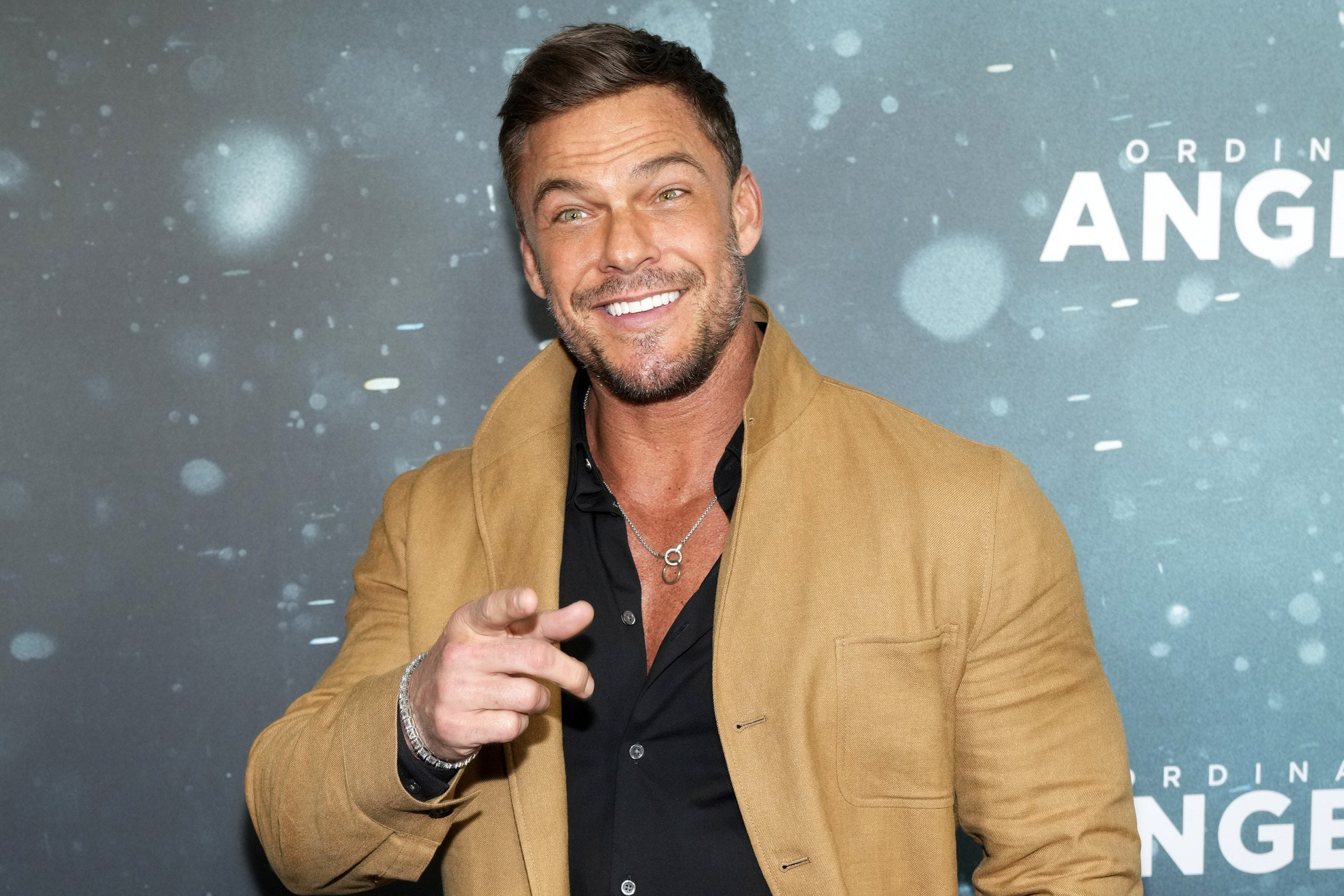
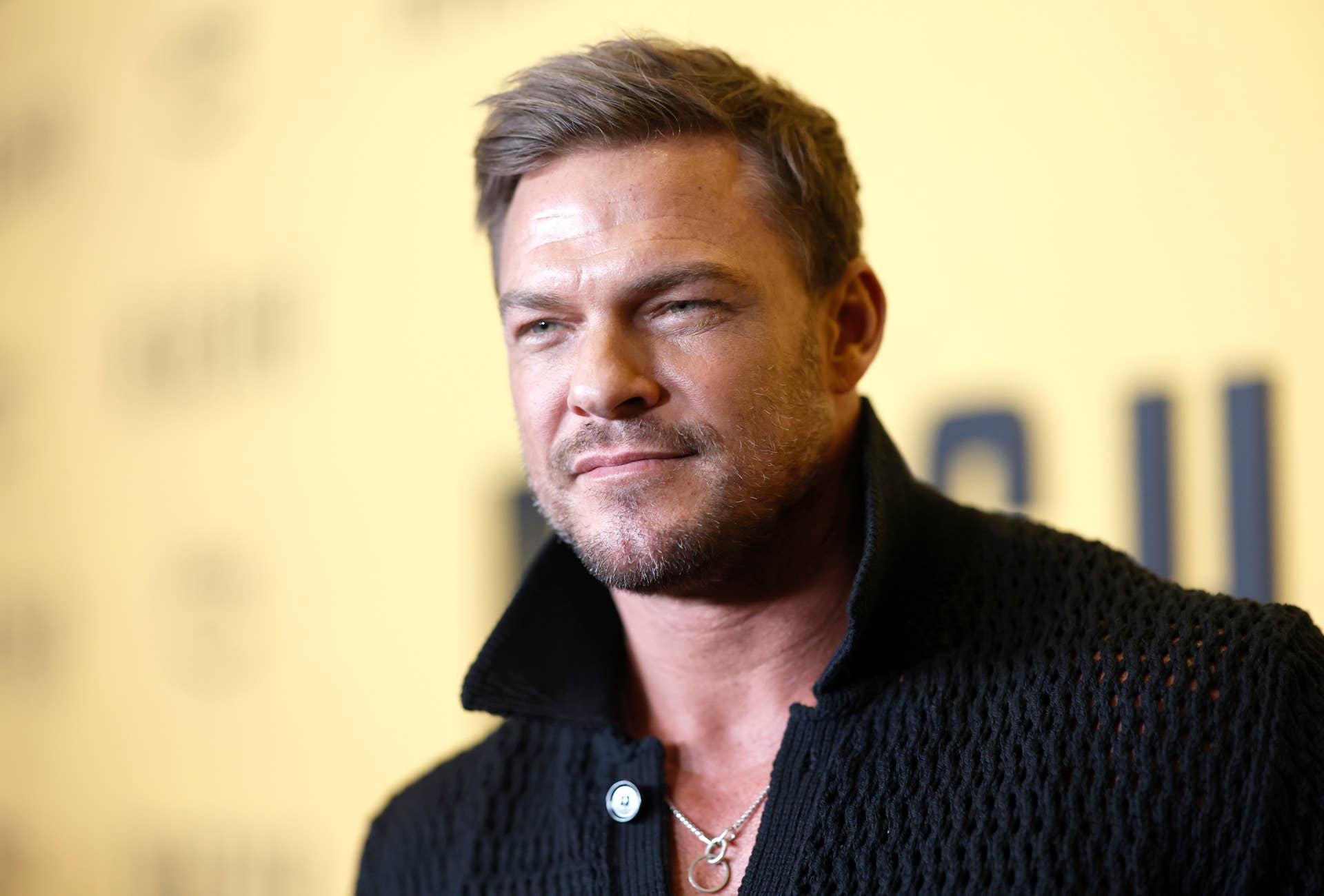
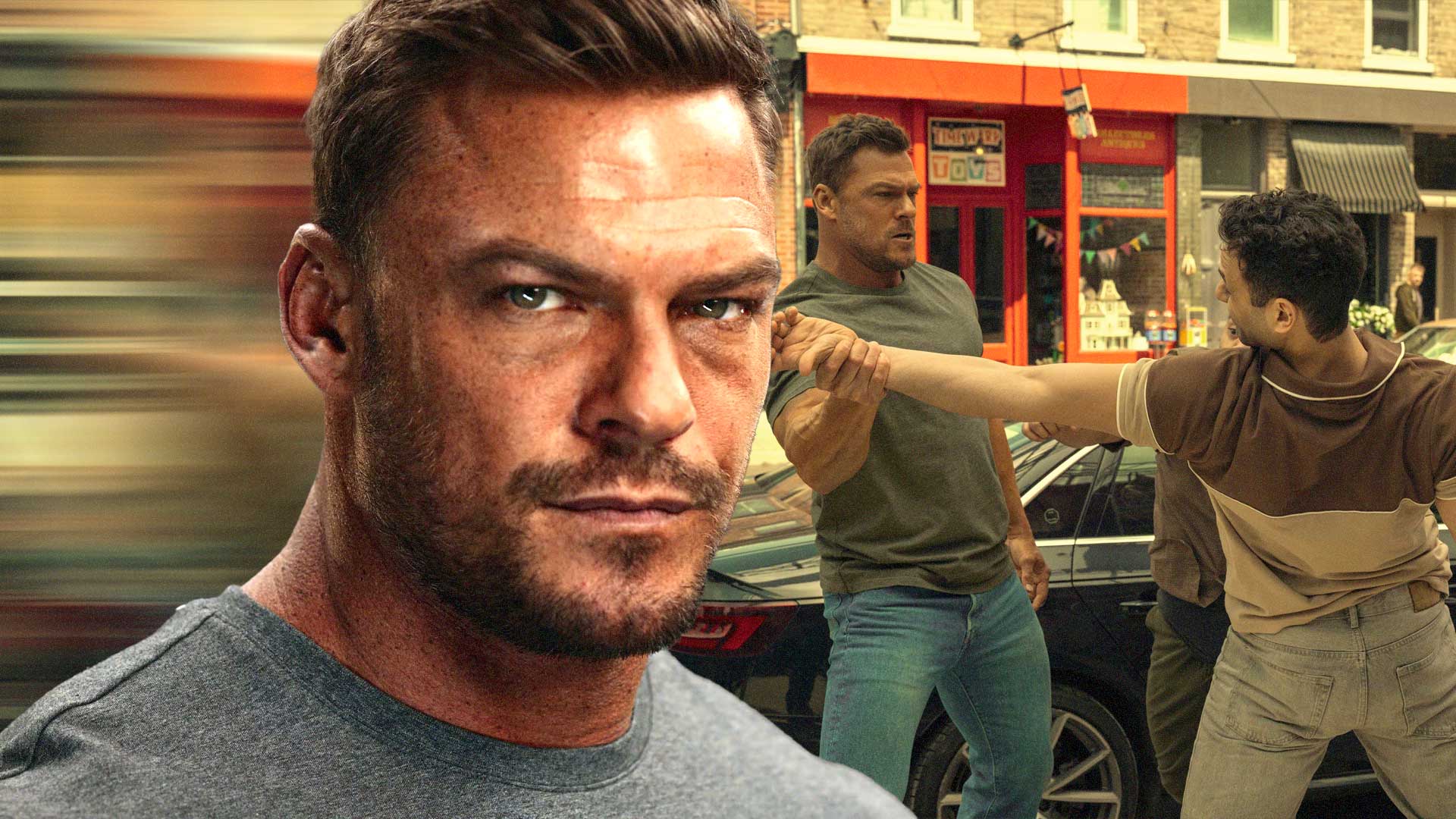
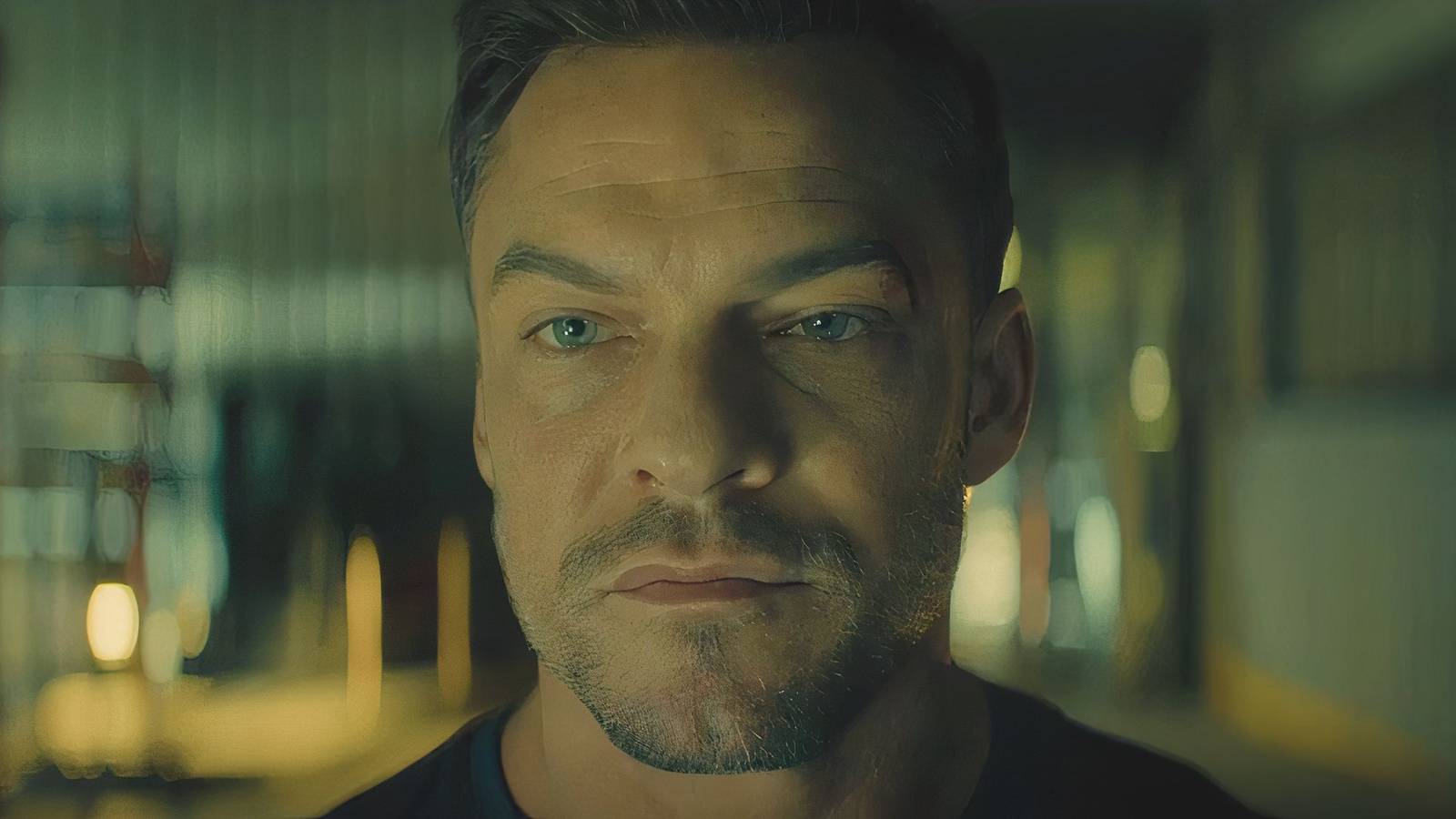
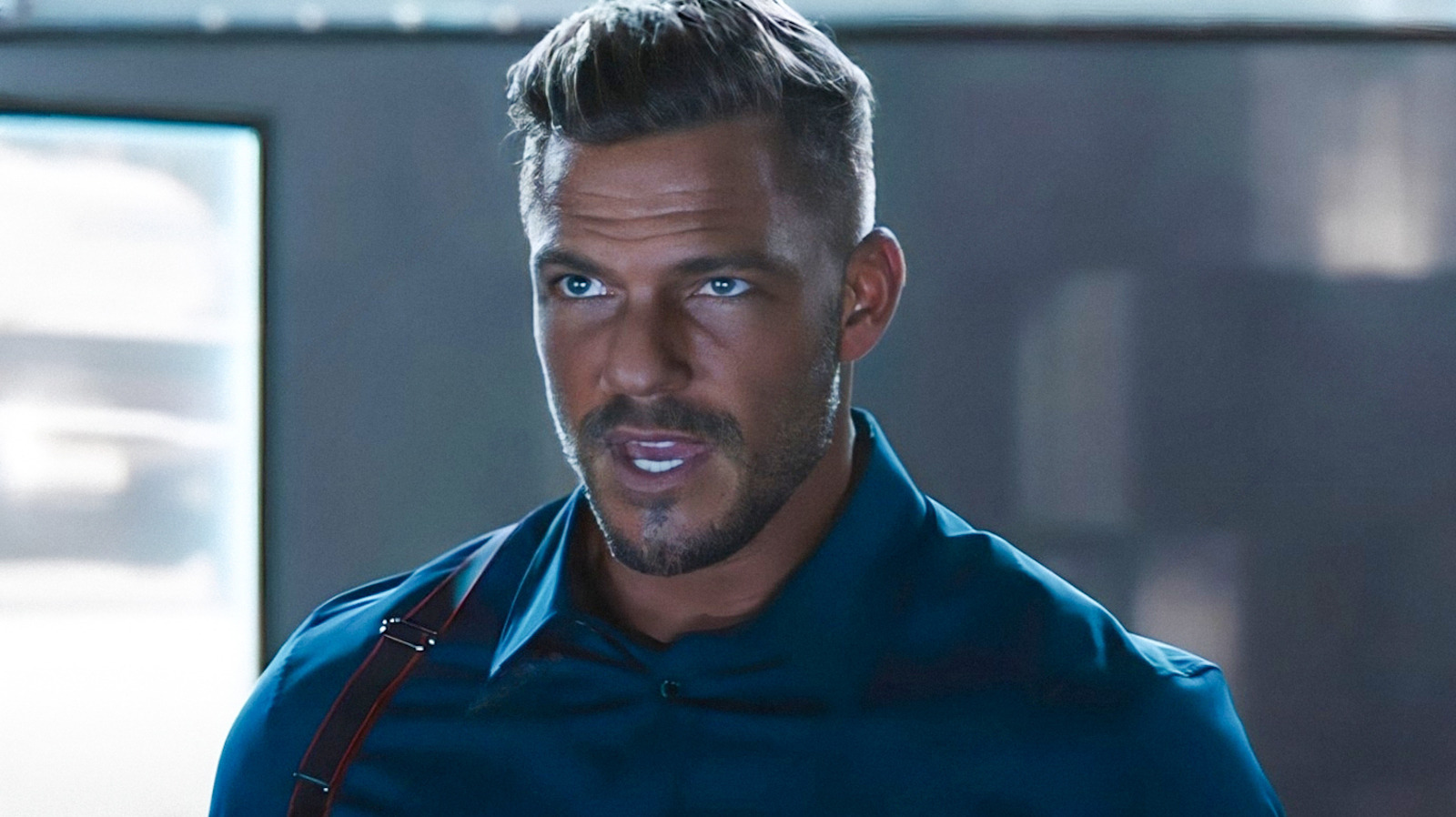
The latest updates regarding Alan Ritchson and his public stance on police accountability center on the lasting impact of his 2024 critiques of law enforcement and the subsequent response from national police organizations. While Ritchson continues to portray the iconic Jack Reacher—a character deeply embedded in the world of military policing and justice—the actor has maintained a firm distinction between his professional roles and his personal advocacy for systemic reform and transparency.
The Origins of the Alan Ritchson Police Controversy
The friction between Alan Ritchson and sections of the law enforcement community began in earnest in April 2024. During a high-profile interview with The Hollywood Reporter, Ritchson addressed a variety of social and political issues, including his views on the American justice system. The actor stated that "cops get away with murder all the time," arguing that the lack of accountability for law enforcement improprieties was a disturbing trend in the United States.
These comments were not made in a vacuum; they were part of a broader discussion about Ritchson’s personal faith, his history with mental health advocacy, and his desire to see a more equitable society. However, the specific phrasing regarding police conduct immediately went viral, drawing both sharp criticism and vocal support. For many, Ritchson’s comments were seen as a bold use of his platform; for others, they were interpreted as a broad-brush attack on a profession that many of his fans deeply respect.
The timing of these remarks was particularly noteworthy because Ritchson had recently become a household name for playing Jack Reacher. As a former U.S. Army Military Police officer in the series, the character of Reacher often operates as a vigilante who corrects the failures of local or federal law enforcement. This "art-meets-life" overlap created a unique tension that the media and various organizations were quick to exploit.
The National Fraternal Order of Police (FOP) Response
The most significant institutional pushback came from the National Fraternal Order of Police (FOP), the world's largest organization of sworn law enforcement officers. In a public statement shared across social media, the FOP characterized Ritchson as a "self-important TikTok star" and a "total hypocrite."
The FOP’s argument centered on two primary points:
- Professional Hypocrisy: They argued that Ritchson benefits financially from playing a character who uses violence and operates outside the formal legal system to achieve "justice," yet he criticizes the real-world officers who must follow strict legal procedures.
- Generalization: The organization claimed that Ritchson’s comments ignored the bravery and sacrifices of the hundreds of thousands of officers who perform their duties ethically every day.
This public call-out elevated the situation from a standard celebrity interview to a national cultural debate. It forced a conversation about whether actors who play "tough guy" roles are obligated to maintain a certain political or social alignment that matches their characters' traditional fanbases.
Ritchson’s Refinement and the Accountability Argument
Rather than retracting his statements in the face of pressure from the FOP, Ritchson took to Instagram to provide a detailed rebuttal. His response focused on the concept of accountability rather than a condemnation of all individual officers. He clarified that his issue was not with the existence of the police, but with the systemic protections that prevent bad actors within the force from facing consequences.
In his rebuttal, Ritchson emphasized the following:
- Support for "Good Cops": He stated that he has great respect for officers who do their jobs with integrity and that those officers should be the most frustrated by the "bad apples" who tarnish the badge.
- The Necessity of Reform: He argued that pointing out flaws in an institution is the only way to improve it. To Ritchson, being pro-accountability is not the same as being "anti-police."
- The Power of Policy: He highlighted that his comments were aimed at the legal frameworks, such as qualified immunity, that often shield officers from civil litigation even in cases of documented misconduct.
This nuanced approach helped to solidify Ritchson’s reputation as a celebrity who is willing to engage in complex, often uncomfortable social dialogues. By 2026, this stance has become a defining characteristic of his public persona, separating him from other action stars who typically avoid polarizing political topics.
Comparing Jack Reacher and Alan Ritchson’s Views
To understand the "hypocrisy" claim made by critics, it is useful to look at the differences between the fictional world of Reacher and the real-world views Ritchson has expressed.
| Feature | Jack Reacher (Character) | Alan Ritchson (Actor/Person) |
|---|---|---|
| View on Law | Often views the law as a secondary obstacle to true justice. | Advocates for stronger legal frameworks and oversight. |
| Methods | Uses extrajudicial violence to solve crimes and punish "bad guys." | Emphasizes the need for systemic reform and peaceful accountability. |
| Relationship to Police | Frequently clashes with local police but respects competent investigators. | Respects the profession but critiques the lack of institutional consequences. |
| Primary Goal | Direct retribution and immediate resolution of local corruption. | Long-term transparency and national reform of police conduct. |
| Role of Authority | Inherently skeptical of any authority that isn't his own. | Skeptical of authority that lacks public transparency and checks/balances. |
The Impact on Reacher Season 3 and Beyond
One of the most frequent questions following the controversy was whether it would impact the success of Reacher on Amazon Prime Video. As of 2026, the data suggests that while the comments polarized some of the audience, the show’s viewership remained robust. Reacher Season 3, which focused on the novel Persuader, continued to dominate streaming charts.
Industry analysts noted that the "Reacher" audience is diverse. While a segment of the audience may have disagreed with Ritchson’s personal politics, the quality of the production and Ritchson’s physical embodiment of the character remained a primary draw. Furthermore, the character of Jack Reacher himself is a "lone wolf" who often uncovers corruption within official organizations, meaning Ritchson’s real-world skepticism of institutions actually aligns with the core DNA of the show, albeit in a different context.
Ritchson’s career has continued to expand beyond the Reacher franchise. His involvement in The Ministry of Ungentlemanly Warfare and his vocal advocacy for mental health through his "Church of Rock and Roll" platform have helped build a multi-faceted brand that is resilient to single-issue controversies.
Public Perception and Celebrity Activism in 2026
In the current media landscape of 2026, Ritchson is often cited as a prime example of the "New Hollywood" activist—an actor who maintains a massive mainstream following while refusing to "stick to acting." His willingness to discuss his bipolar disorder, his struggles with the Christian church, and his critiques of law enforcement has created a transparent relationship with his fans.
The "police update" news regarding Ritchson has transitioned from a scandalous headline into a case study on how celebrities handle backlash. By doubling down on his message of accountability and refusing to engage in a "war" with the FOP, Ritchson effectively neutralized the "hypocrite" narrative. He redirected the conversation toward the specific policy changes he believes are necessary, which is a more defensible position than a generic critique of a profession.
Frequently Asked Questions
Did Alan Ritchson get in legal trouble with the police?
No, Alan Ritchson has not been arrested or involved in any personal legal disputes with law enforcement. The "police news" associated with him refers entirely to his public comments regarding police reform and the subsequent verbal back-and-forth with the National Fraternal Order of Police.
Is Alan Ritchson still playing Jack Reacher after his comments?
Yes, Alan Ritchson remains the lead actor in the Reacher series on Amazon Prime Video. Production for the series has continued without interruption, and Ritchson remains the face of the franchise through 2026. The controversy did not result in any professional "cancellation" or loss of roles.
What exactly did the FOP say about Alan Ritchson?
The National Fraternal Order of Police called Ritchson a "self-important TikTok star" and criticized him for calling police officers murderers while simultaneously making a living playing a character that uses violence. They suggested his comments were uneducated and ignored the reality of police work.
Has Alan Ritchson apologized for his comments?
Ritchson has not apologized for the substance of his comments. Instead, he clarified his position to explain that he supports the idea of law enforcement but believes the current system lacks sufficient accountability for officers who break the law. He has stood by his call for systemic reform.
How did the Reacher fanbase react to the news?
The reaction was split. Some fans expressed disappointment, feeling that his comments were too broad and unfairly targeted a profession they support. Other fans praised Ritchson for his honesty and for using his fame to highlight issues of social justice and government transparency.
Staying Informed on Future Developments
For those following Alan Ritchson’s career and his social advocacy, the best course of action is to monitor his official social media channels and major entertainment news outlets for direct quotes. Because Ritchson often speaks on complex topics like mental health and institutional reform, his words are frequently condensed into soundbites that may lose the original context.
As the entertainment industry continues to evolve in 2026, the intersection of an actor's personal beliefs and their professional roles will likely remain a topic of significant public interest. For Ritchson, the path forward involves balancing his role as a quintessential American action hero with his commitment to being a vocal advocate for what he perceives as a more just and accountable society.