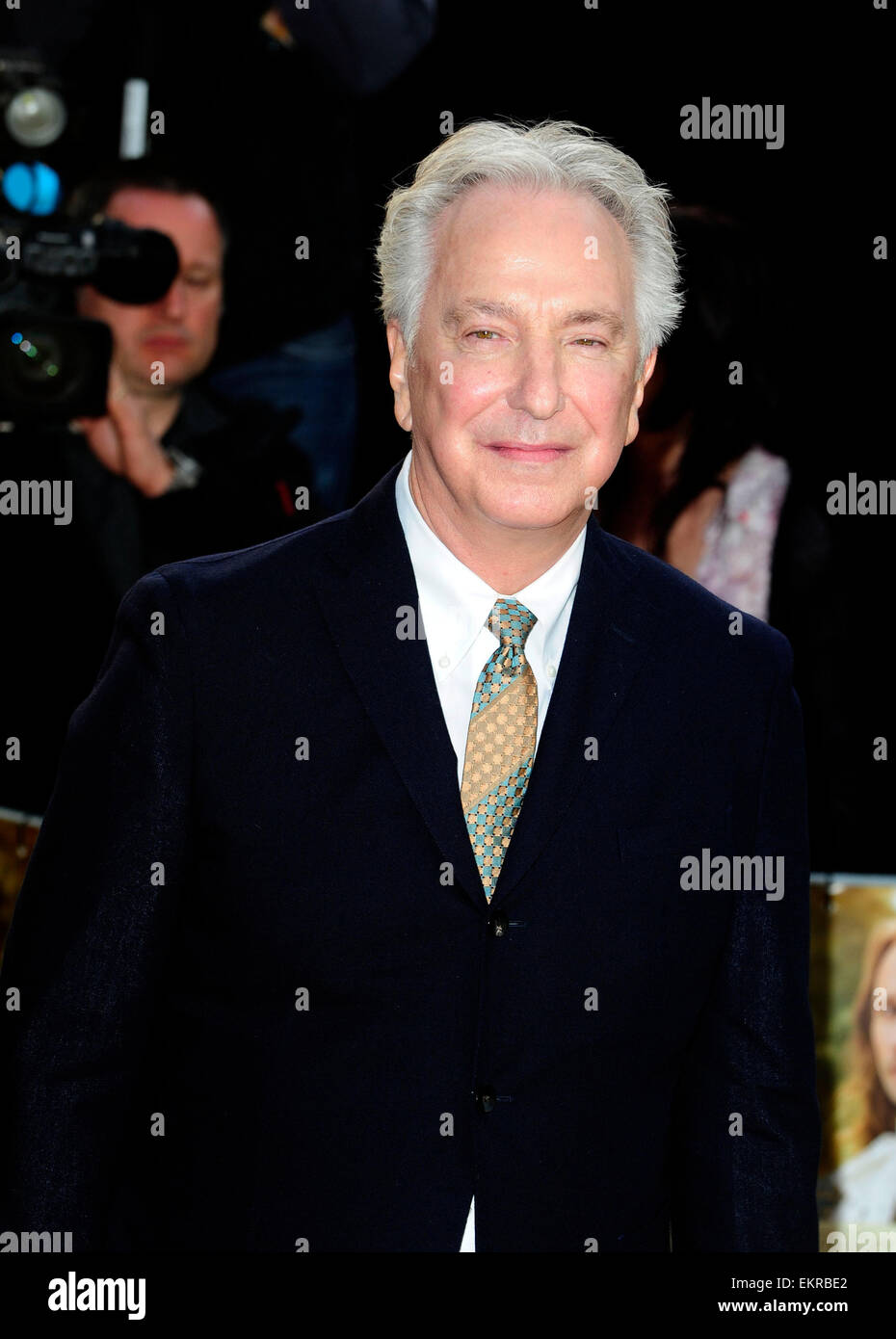
Alan Rickman primarily lived in West Kensington, London, where he maintained a long-term residence with his wife, Rima Horton. He also owned a beloved farmhouse in the Tuscany region of Italy and kept a secondary apartment in the West Village neighborhood of Manhattan, New York City.
Alan Rickman was a man of profound depth, known not only for his unmistakable baritone voice and "benevolent villainy" on screen but also for his deep-rooted appreciation for art, design, and privacy. Unlike many Hollywood stars who gravitated toward the gated mansions of Beverly Hills, Rickman remained steadfastly connected to his European roots and the bohemian energy of urban centers like London and New York. His choices in residence reflected a man who valued community, history, and the quietude of the countryside. As we look back in 2026, a decade after his passing, the locations he called home offer a window into the private life of one of the most respected actors of his generation.
The Foundations: Early Life in West London
To understand where Alan Rickman lived as an adult, one must first look at his beginnings in West London. Born in 1946 in Acton, Rickman grew up in a working-class environment that shaped his grounded perspective on fame and fortune. His early years were spent on a council estate in East Acton, a stark contrast to the global stage he would eventually command.
Following the death of his father when Alan was just eight years old, his mother raised four children alone. This period of his life was defined by the geography of West London—a region he would remain loyal to for the rest of his life. He attended Derwentwater Primary School and later won a scholarship to Latymer Upper School in Hammersmith. It was here, along the banks of the River Thames, that his interest in the arts was first nurtured.
Rickman’s initial career path was in graphic design, not acting. He attended the Chelsea College of Art and Design and the Royal College of Art. This background is crucial because it informed the aesthetic of his future homes. He wasn't just a resident; he was an artist with a keen eye for space, light, and history. Even after finding massive success in films like Die Hard and the Harry Potter series, his choice of residence always leaned toward architectural integrity rather than ostentatious displays of wealth.
The Primary Residence: West Kensington, London
For the majority of his adult life, Alan Rickman lived in West Kensington, a sophisticated but relatively understated neighborhood in West London. He shared a home here with Rima Horton, his partner since 1965 (and wife since 2012). Their residence was located near Brook Green, a picturesque area known for its Victorian architecture and sense of community.
A Sanctuary for Art and Intellect
The Rickman-Horton household was famously described by friends and colleagues as a hub of intellectual and artistic activity. Rather than a fortress of solitude, it was a place where actors, politicians, and artists gathered. The interior reflected Rickman’s training as a graphic artist; it was filled with books, paintings, and carefully selected furniture.
Living in West Kensington allowed Rickman to remain close to the heart of the British theater scene while maintaining a degree of anonymity. The neighborhood, characterized by its leafy streets and red-brick terraces, provided the perfect balance of urban accessibility and residential quiet. Rickman was often spotted by locals at neighborhood shops or walking near the green, treated more as a respected neighbor than a global celebrity.
Proximity to the Arts
The location was also strategically significant for his career. Being based in West London meant he was a short distance from the major television studios, the Royal Court Theatre, and the West End. Throughout the 1980s and 90s, while his Hollywood career soared, he remained anchored to this London base, ensuring he could easily transition between international film sets and the British stage.
The Italian Retreat: A Farmhouse in Tuscany
When Alan Rickman sought an escape from the rigors of filming and the grey skies of London, he retreated to his home in Italy. He owned a traditional farmhouse in the province of Arezzo, situated in the heart of Tuscany. This residence was perhaps the most significant "second home" in his life, representing a place of total decompression and creative renewal.
The Tuscan Lifestyle
Rickman was a passionate cook and a lover of fine wine, and his Tuscan home allowed him to indulge these interests fully. The property was surrounded by olive groves and vineyards, offering a stark contrast to the bustle of London or the high-pressure environment of a film set. He often spent his summers here, hosting close friends in an environment that prioritized long meals and quiet conversation over the "business" of acting.
The choice of Tuscany was deeply personal. The region is renowned for its light—a quality that appeals naturally to those with a background in visual arts. Rickman’s diaries, published posthumously, frequently mention the peace he found in the Italian countryside, the rhythm of the seasons, and the physical labor of maintaining a rural property. It was here that he could truly step out of the spotlight and inhabit the role of a private citizen.
Community Integration
True to his character, Rickman did not live in Italy as a tourist. He made an effort to integrate into the local community near the town of Montevarchi. He appreciated the local craftsmanship and the slow pace of life. For Rickman, the Italian home was not just a vacation spot; it was a necessary counterweight to the intensities of his professional life.
Life in New York: The West Village Apartment
As a major figure in international theater and film, Rickman frequently worked in the United States. While many British actors of his stature moved to Los Angeles, Rickman felt a much stronger affinity for New York City. He maintained a loft-style apartment in the West Village, specifically on West 12th Street.
The Bohemian Appeal of the West Village
The West Village was a natural fit for Rickman. With its narrow, winding streets and historic brownstones, the neighborhood feels more European than the rest of Manhattan. It has a long history as an enclave for artists, writers, and activists—the exact kind of environment Rickman thrived in.
His New York residence served as his base during his numerous stints on Broadway, such as his celebrated performances in Les Liaisons Dangereuses, Private Lives, and Seminar. Living in the West Village allowed him to walk to many of the theaters and enjoy the city's vibrant culinary and gallery scenes.
A Minimalist Urban Base
Unlike his London home, which was filled with decades of accumulated history, his New York apartment was often described as more streamlined. It was a functional space designed for a working actor, yet it still bore the hallmarks of his refined taste. The apartment offered views of the city he loved and provided a sense of belonging in a metropolis that can often feel alienating to outsiders.
Summary of Alan Rickman’s Residences
The following table summarizes the primary locations where Alan Rickman lived and the roles these homes played in his life.
| Location | Neighborhood/Region | Type of Property | Primary Purpose |
|---|---|---|---|
| London, UK | West Kensington | Victorian Terrace | Primary residence and creative hub. |
| Arezzo, Italy | Tuscany | Traditional Farmhouse | Private retreat and summer home. |
| New York, USA | West Village | Manhattan Apartment | Base for Broadway and US-based work. |
| London, UK | East Acton | Council Estate | Childhood home and early roots. |
The Influence of Home on Rickman’s Work
One cannot separate Alan Rickman’s living environments from his professional output. His homes were reflections of his values: stability, artistic integrity, and a rejection of the superficiality often associated with fame.
- Aesthetic Precision: His background in graphic design meant that his homes were curated with precision. This same attention to detail was evident in his acting, where every pause, inflection, and movement was calculated for maximum impact.
- Stability: Rickman remained in the same London neighborhood and with the same partner for nearly his entire career. This domestic stability provided the foundation that allowed him to take risks in his professional life, playing complex and often dark characters.
- Cultural Fluency: By living in London, New York, and rural Italy, Rickman was a true citizen of the world. This breadth of experience informed his portrayal of various characters, from the quintessential Englishman to the sophisticated international villain.
Frequently Asked Questions
Did Alan Rickman ever live in Los Angeles?
While Alan Rickman spent significant time in Los Angeles for filming movies like Die Hard and attending awards ceremonies, he never established a permanent residence there. He famously preferred the culture and climate of London and New York, often returning to Europe as soon as his filming obligations were complete.
Who inherited Alan Rickman’s homes after his death?
Upon his passing in 2016, his estate, including his primary residences, was left to his wife, Rima Horton. The couple had been together for over 50 years, and their homes were a shared testament to their long-standing partnership.
Is there a blue plaque at Alan Rickman's London home?
As of 2026, there is no official English Heritage blue plaque at his West Kensington residence. English Heritage guidelines typically require a person to have been deceased for 20 years or for the centenary of their birth to have passed before a plaque is installed. However, local memorials and tributes exist in the Hammersmith and Fulham area.
Why did Alan Rickman choose Tuscany for a second home?
Rickman was drawn to Tuscany for its privacy, its connection to the arts, and its culinary culture. He found the region's landscape and light to be restorative. It was a place where he could escape the "Alan Rickman" persona and live a quiet, grounded life.
Did he live in the Harry Potter "Snape" manor in real life?
No. While many fans associate him with the dark, gothic environments of Severus Snape, Rickman’s real-life tastes were much warmer and more artistic. His homes were characterized by natural light, books, and art, rather than the shadows of the film sets he inhabited.
Remembering the Man Through His Spaces
In 2026, the legacy of Alan Rickman is as strong as ever. While we remember him through his iconic film roles, understanding where he lived provides a deeper appreciation for the man behind the characters. He chose homes that fostered creativity, intimacy, and a connection to the world around him.
For those looking to honor his memory, the best "next action" is not to seek out the private addresses where he lived—as he valued his privacy immensely—but to support the institutions he loved. Rickman was a patron of the Royal Academy of Dramatic Art (RADA) and various charities like Saving Faces. Visiting the public spaces of West London, such as Brook Green or the banks of the Thames in Hammersmith, allows one to experience the atmosphere that shaped one of the greatest actors of our time.