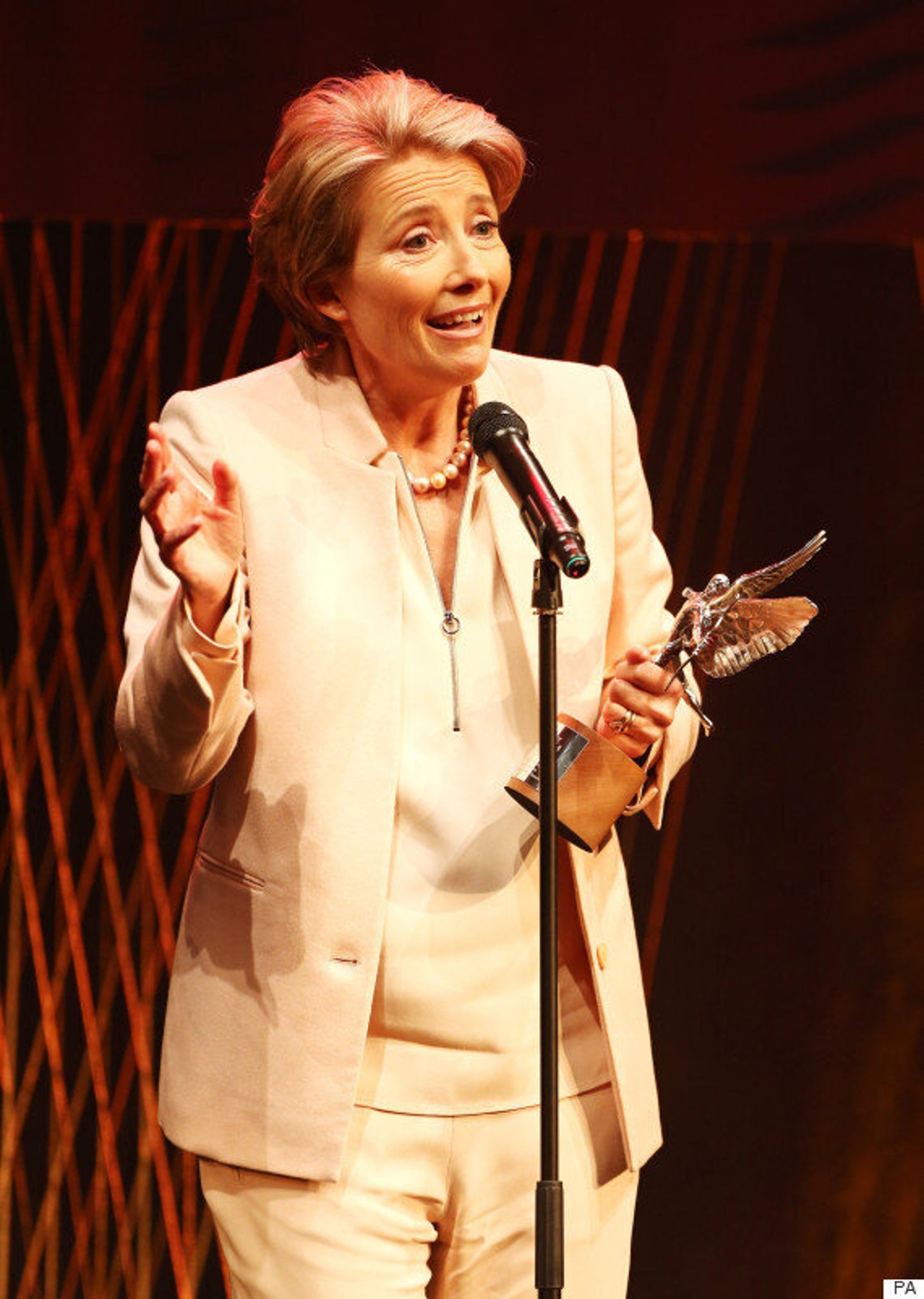
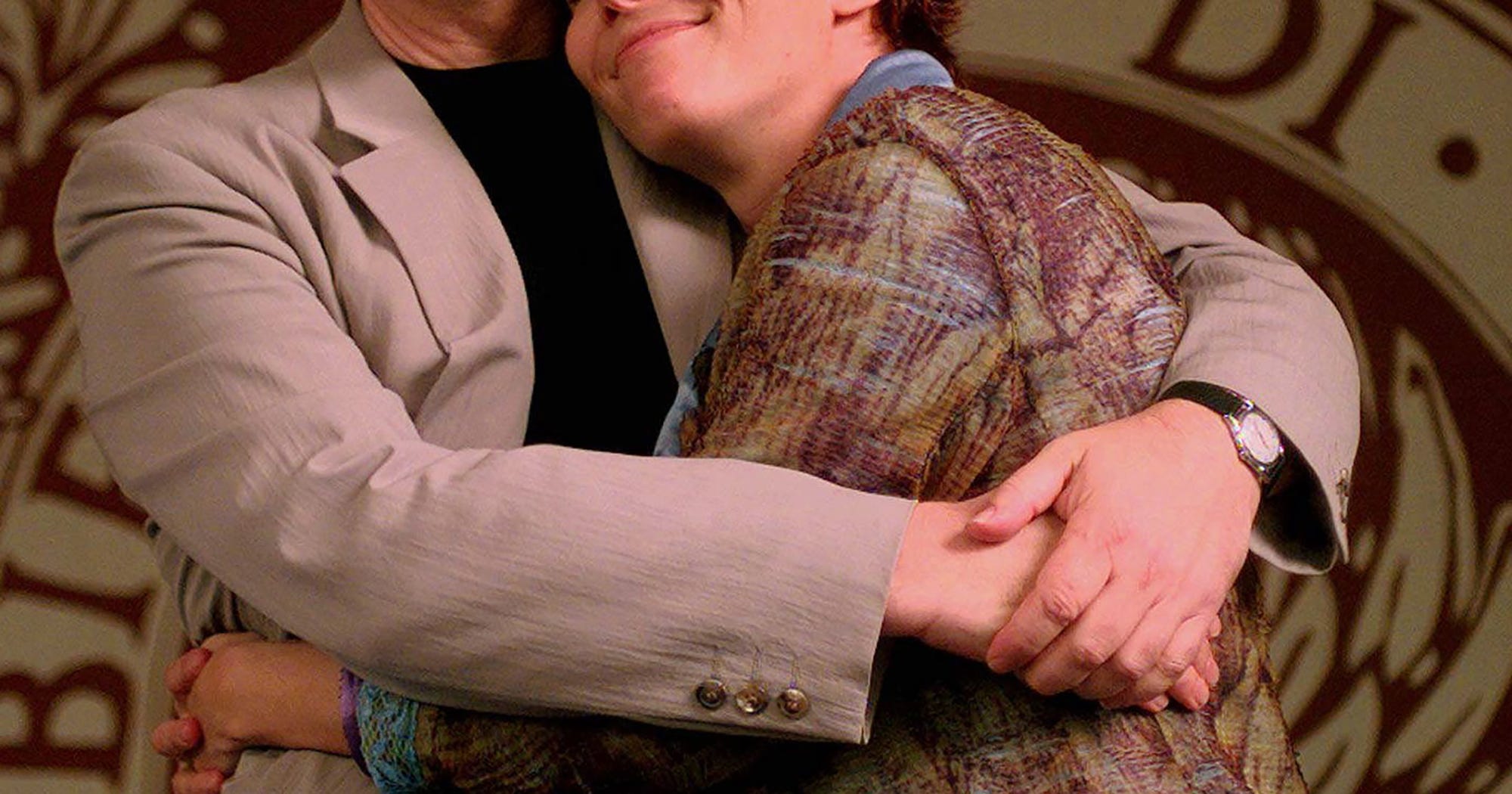
Alan Rickman and Emma Thompson are widely regarded as the ultimate cinematic duo due to their prolific 28-year friendship and seven major professional collaborations. Their partnership, spanning from the period-drama yearning of Sense and Sensibility to the modern domestic tragedy of Love Actually, was defined by a rare emotional shorthand, mutual artistic respect, and a unique ability to portray complex intimacy without reliance on cliché.
As of 2026, a decade since the passing of Alan Rickman, the legacy of his work with Emma Thompson remains a cornerstone of British film history. Their collaborations did not merely involve sharing the screen; they represented a meeting of two intellectual powerhouses who understood the rhythm of dialogue and the weight of silence. Whether playing unrequited lovers, bickering colleagues, or a crumbling married couple, Rickman and Thompson brought a lived-in authenticity to their roles that suggested a history far deeper than what was written in the script.
A Partnership Built on Mutual Respect and Artistic Synergy
The bond between Alan Rickman and Emma Thompson was forged in the demanding world of British theater and crystallized on film sets throughout the 1990s and 2000s. To understand why they are considered the "ultimate duo," one must look beyond their filmography and into the nature of their creative relationship. Thompson famously described Rickman as her "ultimate ally," a sentiment that translated into a fearless on-screen vulnerability.
Their synergy was rooted in a shared background of classical training and a mutual penchant for subverting expectations. Rickman, often cast as the brooding or villainous figure, found in Thompson a partner who could challenge his gravity with her quick-witted, often mercurial energy. Conversely, Thompson’s penchant for high-emotion performances was frequently anchored by Rickman’s steady, resonant presence. This "bass and soprano" dynamic allowed them to tackle diverse genres, from satirical crime thrillers to poetic teleplays, always maintaining a core of believability that drew audiences into their shared world.
Summary of Major Collaborations
| Project | Year | Roles | Relationship Dynamic |
|---|---|---|---|
| Sense and Sensibility | 1995 | Colonel Brandon & Elinor Dashwood | Mutual Respect / Unspoken Affection |
| The Winter Guest | 1997 | Director (Rickman) & Frances (Thompson) | Creative Collaboration |
| Judas Kiss | 1998 | Detective David Friedman & Sadie Hawkins | Professional Partners / Rivals |
| Love Actually | 2003 | Harry & Karen | Estranged Spouses |
| Harry Potter (Series) | 2004–2011 | Severus Snape & Sybill Trelawney | Contentious Colleagues |
| The Song of Lunch | 2010 | He & She | Former Lovers |
Defining the Relationship: Sense and Sensibility (1995)
While they had known each other for years, it was the 1995 adaptation of Jane Austen’s Sense and Sensibility that established them as a premier on-screen pairing. Emma Thompson, who also wrote the Academy Award-winning screenplay, fought for Rickman to be cast as Colonel Brandon. At the time, Rickman was largely known for his "villainous" roles in Die Hard and Robin Hood: Prince of Thieves. Thompson saw the "extraordinary sweetness" in his nature that she knew was essential for the character of Brandon.
In this film, the duo does not play the primary romantic couple—Brandon is destined for Marianne Dashwood—but the scenes between Rickman’s Brandon and Thompson’s Elinor Dashwood are the emotional spine of the movie. They represent "Sense" in its most mature form. The scene where Brandon approaches Elinor to offer a living for Edward Ferrars is a masterclass in understated acting. The two actors communicate through pauses and redirected gazes, conveying a profound mutual respect that mirrors their real-life friendship. This film proved that their chemistry was not dependent on traditional romantic tropes but on a deep, intellectual connection.
The Devastation of Love Actually (2003)
If Sense and Sensibility showed the quiet nobility of their pairing, Richard Curtis’s Love Actually (2003) showcased its tragic potential. As Harry and Karen, a long-married couple facing the husband’s infidelity, Rickman and Thompson provided the film’s most grounded and heartbreaking narrative.
The "necklace scene" and its aftermath remain some of the most analyzed moments in modern cinema. Thompson’s performance—specifically the sequence where she listens to Joni Mitchell’s "Both Sides Now" after discovering her husband’s betrayal—is often cited as one of the greatest depictions of grief in film. Rickman’s performance is equally vital; he plays Harry not as a mustache-twirling villain, but as a man whose foolishness and moral weakness lead to an irreparable fracture.
Their ability to portray a marriage that is both comfortable and dying was only possible because of the trust they shared. In interviews, Thompson noted that Rickman’s presence on set allowed her to "go to the dark places" required for the role, knowing he would be there to support the scene’s emotional weight. This collaboration cemented their status as a duo capable of reflecting the most painful realities of the human condition.
Exploring Other Collaborations: From Judas Kiss to The Song of Lunch
Beyond their most famous roles, the duo sought out projects that allowed them to play against type. In the 1998 noir thriller Judas Kiss, they played a pair of detectives—David Friedman and Sadie Hawkins. This film is a departure from their period drama roots, featuring them as cynical, banter-heavy professionals. It highlighted their comedic timing and their ability to inhabit a more gritty, American-inflected world.
In 2010, they reunited for the BBC production The Song of Lunch, a television film based on Christopher Reid's narrative poem. Set almost entirely in a Soho restaurant, the film features Rickman and Thompson as former lovers meeting after many years. It is an experimental piece, with Rickman providing a poetic monologue through voiceover while the two interact in "real-time."
The Song of Lunch is perhaps the purest distillation of their chemistry. With minimal set changes and a script that relies heavily on internal thought and subtle facial expressions, the two actors carry the entire 50-minute runtime. Their performance captures the bitterness, nostalgia, and lingering affection of two people who know each other too well. It serves as a haunting bookend to their collaborative career, showcasing two masters of their craft at the height of their powers.
Behind the Camera: Rickman Directing Thompson in The Winter Guest
The depth of their partnership extended beyond acting. In 1997, Alan Rickman made his directorial debut with The Winter Guest, a film he adapted from Sharman Macdonald's play. He chose Emma Thompson to lead the cast as Frances, a recent widow struggling to connect with her mother (played by Thompson’s real-life mother, Phyllida Law).
This collaboration was a testament to Rickman’s belief in Thompson’s range and Thompson’s belief in Rickman’s vision. As a director, Rickman was known for his meticulous attention to detail and his "actor-first" approach. Thompson’s performance in The Winter Guest is stark, stripped-back, and devoid of her usual "Thompson-esque" mannerisms, a result of Rickman’s direction. This project demonstrated that their duo was not just about performing together, but about challenging each other to grow artistically.
Why Their On-Screen Chemistry Remains Unmatched in 2026
In 2026, looking back at the landscape of cinema, the Rickman-Thompson partnership stands out for several distinct reasons:
- Intellectual Parity: Both actors were known for their formidable intellects. This translated into characters who felt like they were constantly engaging in a high-stakes mental chess match, even when discussing mundane topics.
- Vocal Contrast: The physical properties of their voices—Rickman’s famous, languid baritone and Thompson’s crisp, expressive delivery—created a rhythmic harmony that made their dialogue sequences feel like musical compositions.
- Subtextual Depth: Because of their off-screen bond, they could convey years of history with a single look. In the Harry Potter films, where they played Snape and Trelawney, even their brief, antagonistic interactions felt layered with a professional history that didn't need to be explained.
- The Erasure of Ego: Both actors were famously generous. In their scenes together, neither attempted to "out-act" the other. Instead, they focused on the truth of the relationship, often allowing the other to take the spotlight when the narrative demanded it.
Their legacy is preserved through the Alan Rickman Diaries, published posthumously, which reveal the deep affection and occasional professional frustrations they shared, humanizing a partnership that many fans view as legendary.
Frequently Asked Questions
How many movies did Alan Rickman and Emma Thompson make together?
Alan Rickman and Emma Thompson collaborated on seven major projects: Sense and Sensibility, The Winter Guest (as director/actor), Judas Kiss, Love Actually, The Song of Lunch, and the Harry Potter series (specifically The Prisoner of Azkaban and The Deathly Hallows Part 2).
Were Alan Rickman and Emma Thompson friends in real life?
Yes, they were incredibly close friends for nearly three decades. Thompson was one of the few people who knew about Rickman’s terminal illness before his death in 2016. She frequently spoke of him as her "dearest friend" and a "creative partner" who influenced her approach to both acting and writing.
Did they ever play a couple in the Harry Potter movies?
No. In the Harry Potter universe, Alan Rickman played Severus Snape and Emma Thompson played Sybill Trelawney. Their characters were faculty colleagues at Hogwarts who shared a mutual, comedic disdain for one another’s subjects (Potions vs. Divination).
What was the last project they worked on together?
Their final significant collaboration as a duo was the 2010 BBC production The Song of Lunch. While they both appeared in the Harry Potter finale in 2011, The Song of Lunch was their final project as the primary leads sharing the screen.
Which of their films is considered their best collaboration?
While Love Actually is their most famous modern collaboration, Sense and Sensibility is often cited by critics as their best work together. The film showcases their ability to handle complex period dialogue while maintaining a palpable, restrained emotional tension.
Continuing the Legacy of the Rickman-Thompson Duo
For those looking to experience the full breadth of this cinematic partnership, a chronological viewing of their work is highly recommended. Starting with the restrained elegance of Sense and Sensibility (1995) provides the necessary context for the emotional destruction found in Love Actually (2003). To see the duo at their most experimental, The Song of Lunch (2010) remains an essential piece of television history that rewards multiple viewings.
As audiences in 2026 continue to rediscover these films, the Rickman-Thompson duo serves as a reminder of a specific era of British filmmaking—one that prioritized character depth and theatrical precision over spectacle. Their work remains a blueprint for how two actors can elevate one another, creating a body of work that is, in every sense of the word, timeless.