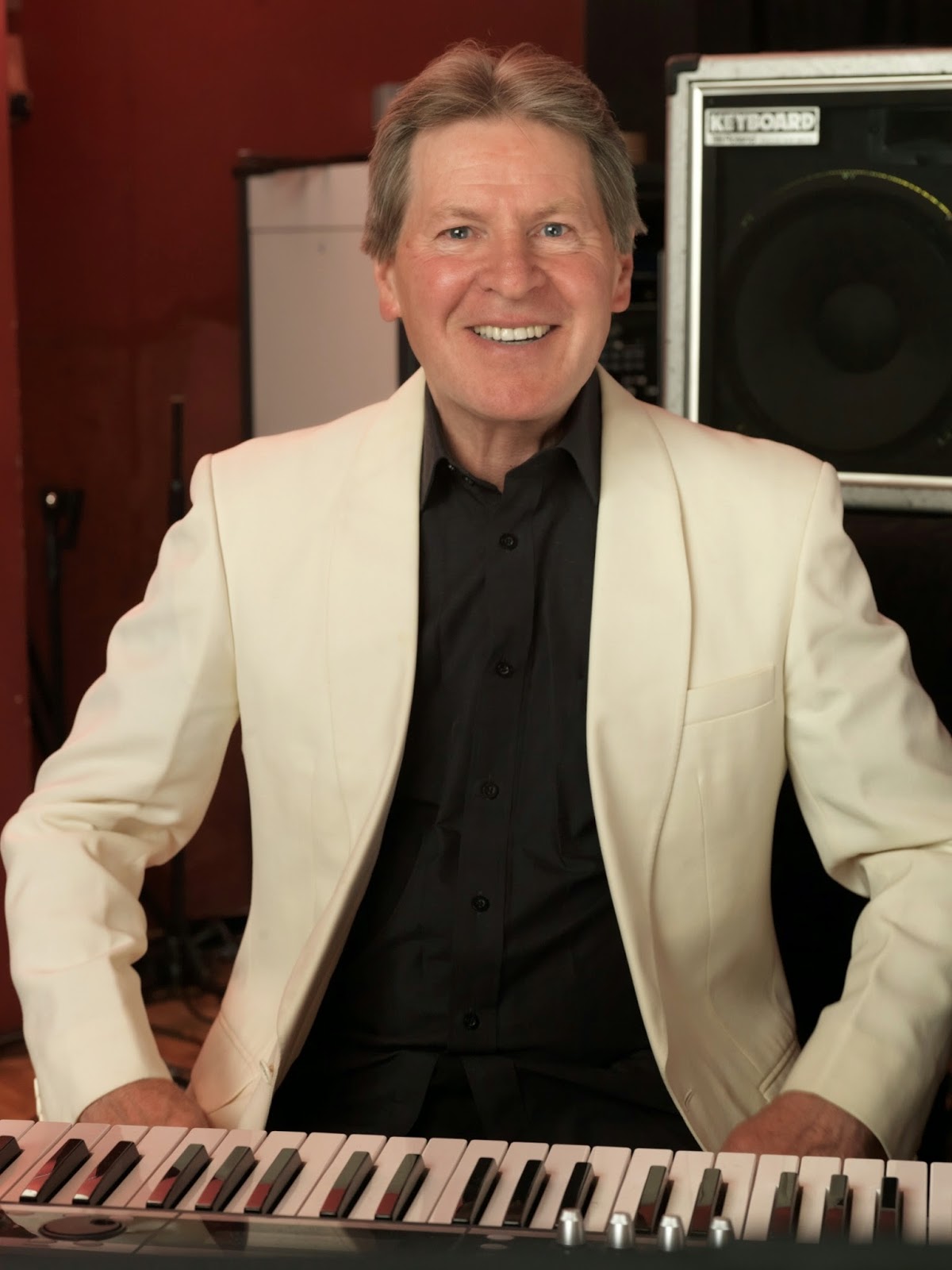
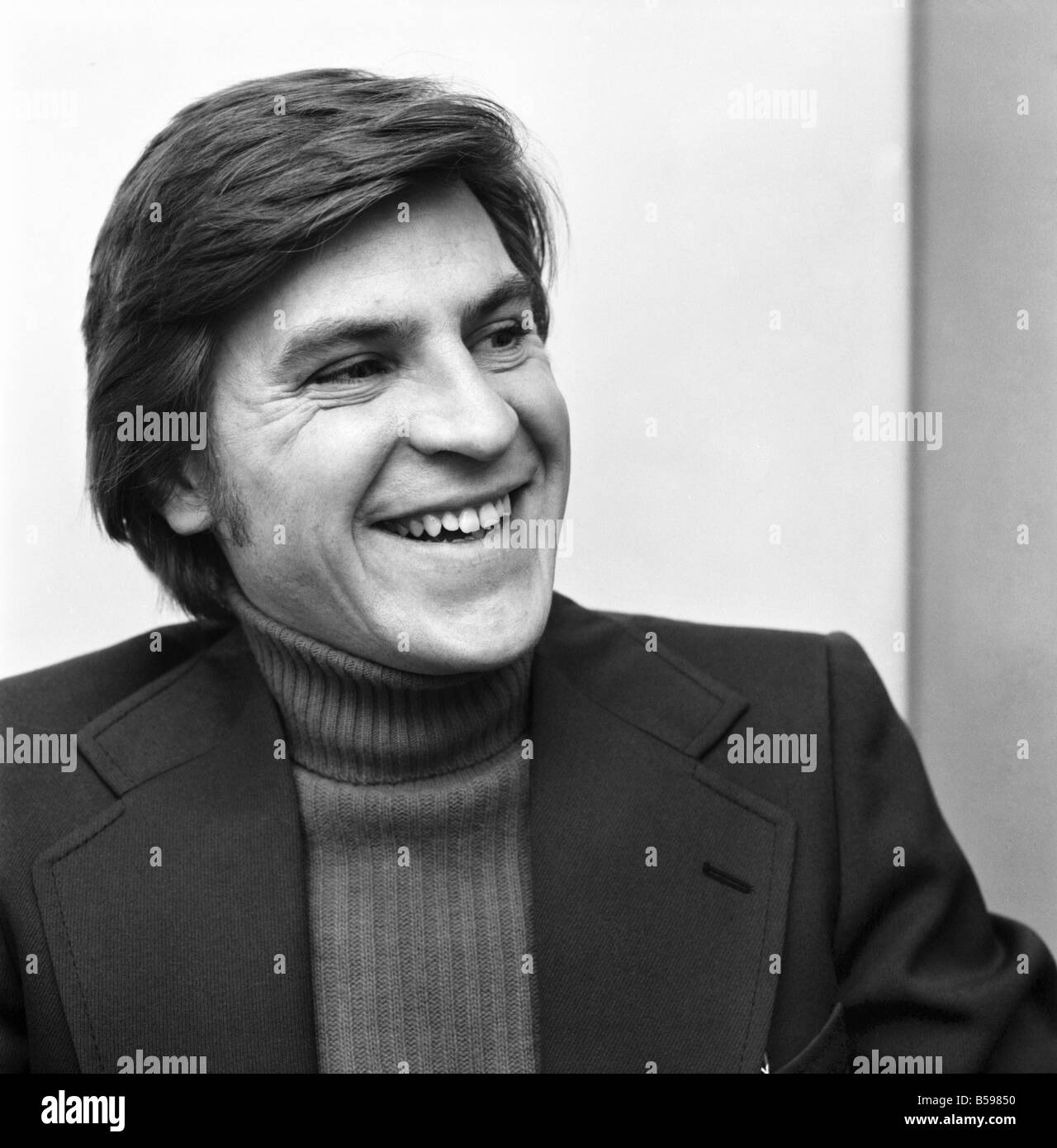
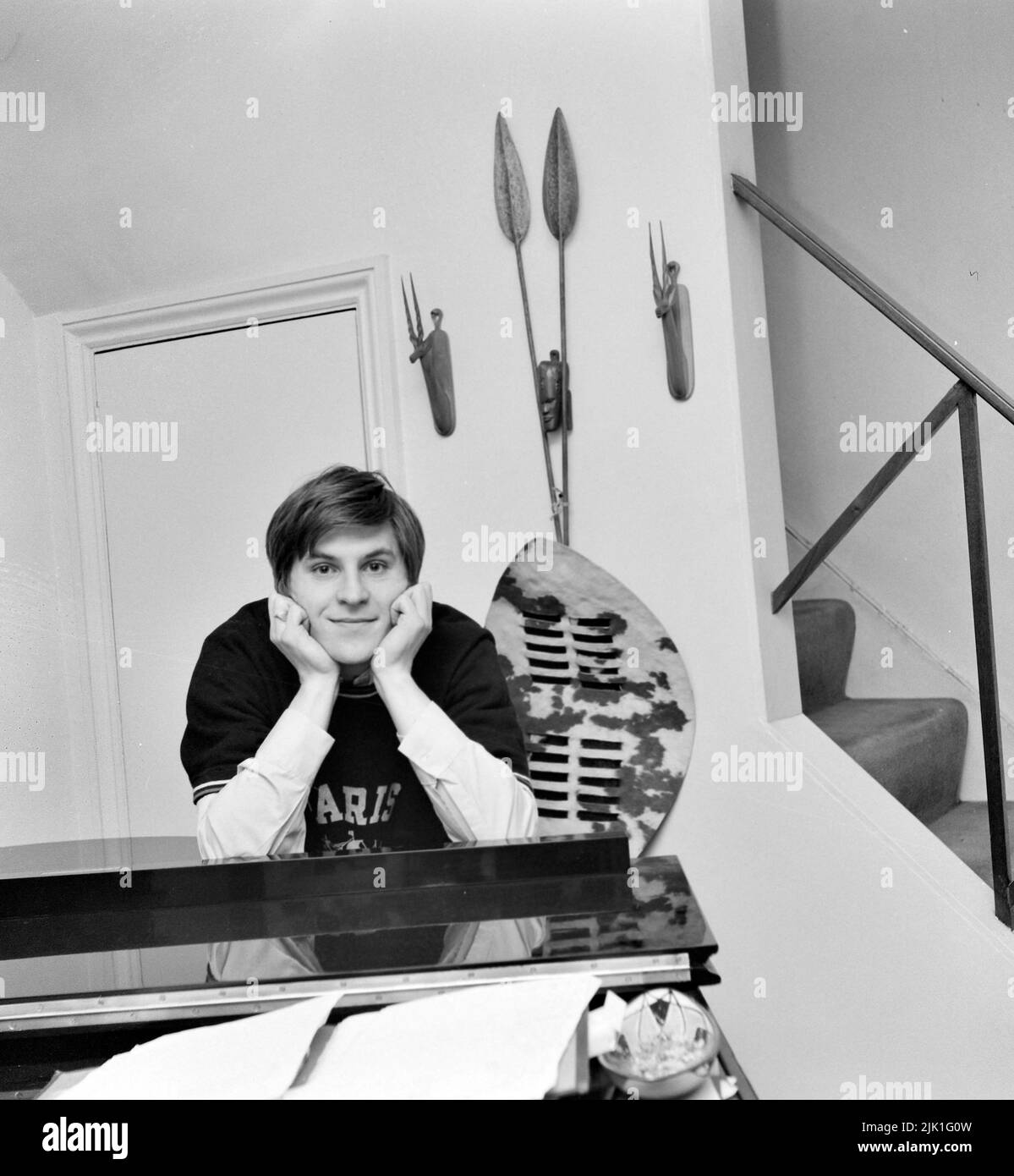
As of 2026, Alan Price remains one of the most significant and technically proficient figures of the 1960s British Invasion. Best known as the original keyboardist for The Animals and a successful solo artist and film composer, his legacy is defined by a unique fusion of rhythm and blues, jazz, and sophisticated pop.
While the phrase "Alan Price obituary" frequently surfaces in digital searches as fans of the 1960s era reflect on the legends of the British Invasion, Price’s enduring impact is best understood through his transformative arrangement of "The House of the Rising Sun" and his subsequent decades of musical innovation. This retrospective honors his contributions to the evolution of the rock keyboard and his transition from a band member to a BAFTA-winning composer and solo performer.
The Genesis of the Tyneside Sound: Alan Price and The Animals
The story of Alan Price begins in Fatfield, County Durham, where he developed a precocious talent for the piano and organ. By the early 1960s, the Newcastle music scene was a boiling pot of American blues influence and local grit. Price founded the Alan Price Combo in 1962, which soon welcomed vocalist Eric Burdon. The group eventually rebranded as The Animals, a name that reflected their wild, high-energy stage presence.
Price’s role in The Animals was not merely as a backing musician; he was the primary architect of their harmonic structure. Unlike many of his contemporaries who favored the guitar-heavy sound of the early 1960s, Price centered the band's identity around the organ. This was a radical departure for the time, bridging the gap between the sophisticated jazz clubs of London and the raw R&B coming out of the United States.
The band’s rapid rise was fueled by their ability to reinterpret traditional folk and blues songs with a modern, aggressive edge. In 1964, they moved to London under the management of Mickie Most, setting the stage for a recording that would change rock history forever.
The "House of the Rising Sun" Controversy and Musical Arrangement
In June 1964, The Animals recorded "The House of the Rising Sun," a traditional folk song that had been previously covered by artists like Bob Dylan and Josh White. However, it was Price’s arrangement—specifically his haunting, arpeggiated Vox Continental organ riff—that transformed it into a global phenomenon.
The technical brilliance of the arrangement lay in its use of a 6/8 time signature and a dramatic build-up that highlighted both Burdon’s vocals and Price’s swell on the organ. This recording is often cited as the first "folk-rock" hit, pre-dating the electric transition of Dylan.
The Credit Controversy
A significant part of the Alan Price narrative involves the controversy surrounding the song's credits. Due to limitations on the number of names that could be listed on a single record label, Price was the only band member credited for the arrangement. This meant that while the entire band contributed to the hit’s success, only Price received the royalties for the arrangement of the traditional piece. This financial and creative friction was a primary factor in Price’s departure from the group in May 1965, officially cited at the time as a "fear of flying."
Technical Innovations: From Vox Continental to Hammond B3
To understand the "legendary" status of Alan Price, one must examine his technical approach to the keyboard. During the height of The Animals' fame, Price was a champion of the Vox Continental, a portable transistor organ known for its bright, thin sound and iconic reversed-color keys.
Price used the Vox to provide a rhythmic "vamp" that grounded the band's sound. His technique involved:
- Rapid Arpeggiation: Moving away from static chords to create a sense of forward motion.
- Jazz-Informed Voicing: Incorporating 7th and 9th chords that gave the blues-based Animals a sophisticated edge.
- Dynamic Swelling: Utilizing the volume pedal to mirror the intensity of the vocals.
Later in his career, particularly during his solo years and with the Alan Price Set, he transitioned to the Hammond B3 organ. This allowed him to explore the "Leslie" speaker effect, adding a deep, rotating texture to his music that moved closer to the "Blue-Eyed Soul" genre. His ability to switch between the biting clarity of the Vox and the soulful warmth of the Hammond solidified his reputation as a musician’s musician.
The Alan Price Set and the Shift to R&B/Jazz Fusion
After leaving The Animals at the peak of their success, Price proved his critics wrong by forming the Alan Price Set. This ensemble was designed to showcase his broader musical interests, moving away from the "British Invasion" pop-rock mold and into a more refined R&B and jazz-pop territory.
The Alan Price Set achieved immediate success with hits like "I Put a Spell on You" (a Screamin' Jay Hawkins cover) and "Simon Smith and the Amazing Dancing Bear," written by Randy Newman. Price was one of the first British artists to recognize the genius of Newman, helping to introduce the American songwriter to a UK audience.
Discography Comparison: Animals vs. Solo Era
| Era | Key Project | Primary Genre | Technical Focus |
|---|---|---|---|
| 1962–1965 | The Animals | Blues Rock / R&B | Vox Continental, High-speed arpeggios |
| 1965–1968 | The Alan Price Set | Soul / Jazz-Pop | Brass arrangements, Hammond B3 |
| 1970–1973 | Georgie Fame Collab | Jazz / Easy Listening | Dual-keyboard interplay, Vocal harmony |
| 1973–1980 | Solo & Film Work | Art Rock / Satire | Narrative songwriting, Orchestral scoring |
Cinematic Excellence: 'O Lucky Man!' and the Lindsay Anderson Collaboration
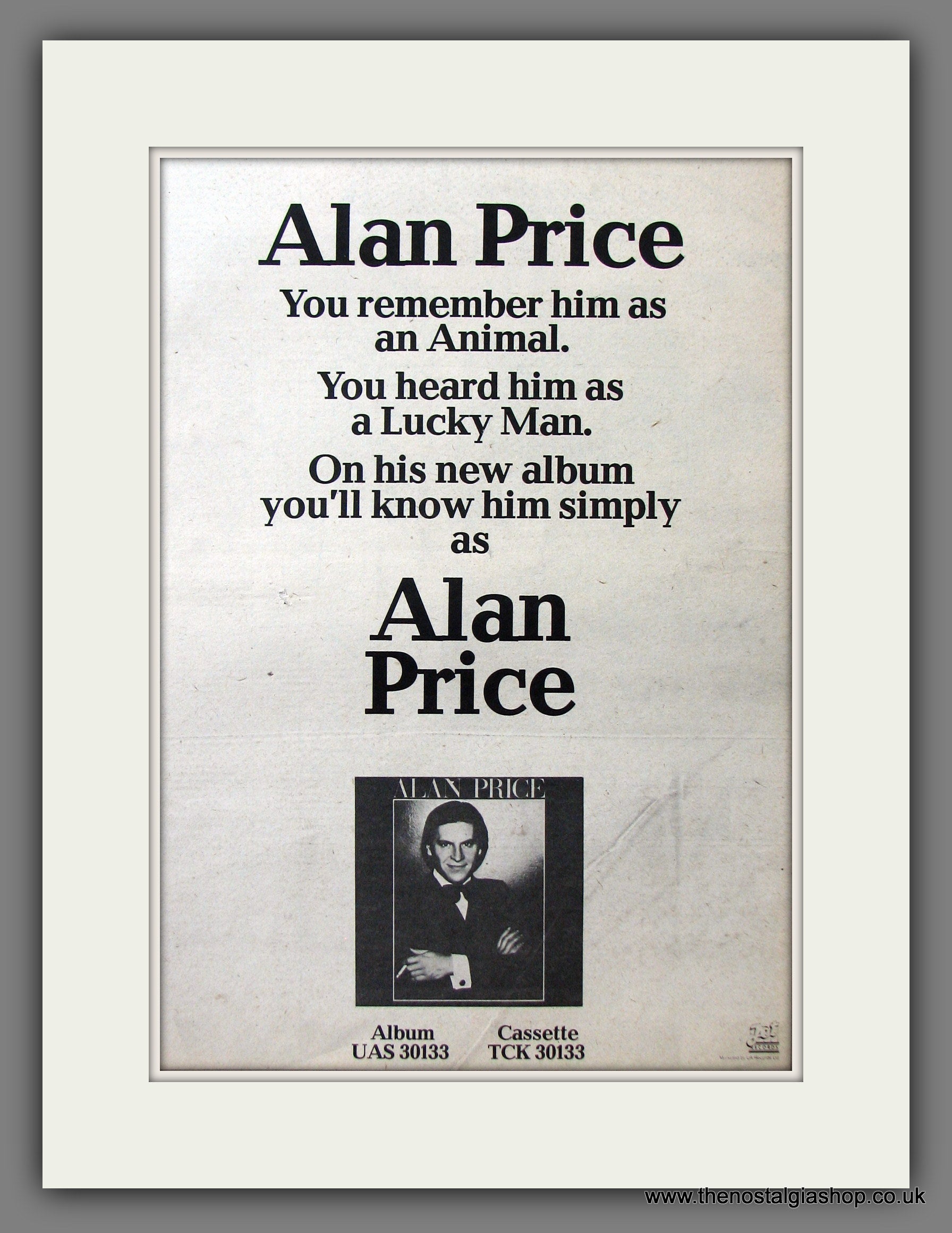
One of the most unique chapters in Price’s career was his collaboration with director Lindsay Anderson for the 1973 film O Lucky Man!. Unlike traditional film scores, Price and his band actually appear in the film as a sort of Greek chorus, performing the music as the narrative unfolds.
The soundtrack, which includes the title track "O Lucky Man!" and "Changes," earned Price a BAFTA Award for Best Original Music. The songs provided a cynical, upbeat counterpoint to the film’s surrealist take on capitalism and social mobility. This project demonstrated that Price was not just a keyboard player, but a sharp social commentator and a sophisticated composer capable of handling long-form cinematic structures.
The music for O Lucky Man! remains some of his most critically acclaimed work, praised for its lyrical wit and the seamless way it integrates with the visual storytelling. It marked his transition into the "elder statesman" phase of British rock, where he was respected for his intellect as much as his instrumental prowess.
Cultural Impact: "Jarrow Song" and Northern Identity
Price never forgot his roots in the Northeast of England. In 1974, he released "Jarrow Song," a poignant and politically charged track about the 1936 Jarrow March. The song reached the top ten of the UK charts and became an anthem for Northern identity, highlighting the struggles of the working class during the Great Depression.
"Jarrow Song" showcased Price’s ability to blend commercial pop sensibilities with historical and social gravity. It remains a staple of his legacy, representing a musician who used his platform to reflect on the history and hardships of his community. In the context of his career, it stands as a bridge between his early "Tyneside" blues days and his later status as a narrative songwriter.
Evaluating the Enduring Influence of Alan Price
As we look at the musical landscape in 2026, Price’s influence can be seen in the work of any keyboardist who refuses to sit in the background. He proved that the organ could be a lead instrument as powerful as the electric guitar.
- Elevating the Keyboard: Before Price, many rock bands used the piano as a secondary rhythm instrument. Price placed it at the forefront of the mix.
- Genre Blending: His seamless transition from blues to jazz to cinematic pop paved the way for eclectic artists in the 1970s and 80s.
- The Art of the Cover: Price’s ability to take existing songs—whether folk, blues, or Broadway—and completely reinvent them through arrangement remains a masterclass for contemporary producers.
Common Questions About Alan Price's Legacy
Is Alan Price still alive in 2026?
Yes, as of 2026, Alan Price remains a celebrated living legend of the British music scene. While his touring schedule has naturally slowed over the decades, he continues to be recognized for his contributions to the 1960s rock revolution and his subsequent solo career.
Why did Alan Price leave The Animals at the height of their fame?
The official reason given in 1965 was a "fear of flying" (aerophobia), which made international touring difficult. However, underlying tensions regarding the musical direction of the band and the fact that Price was the sole recipient of the arrangement royalties for "The House of the Rising Sun" played a significant role in the split.
What instruments is Alan Price most famous for playing?
Price is primarily associated with the Vox Continental organ during his years with The Animals. Later, he became known for his mastery of the Hammond B3 and the acoustic piano, often blending jazz-inflected improvisation with rock and roll power.
Did Alan Price win any major awards?
Yes, Alan Price won a BAFTA Award for Best Original Music in 1974 for his work on the film O Lucky Man!. He was also inducted into the Rock and Roll Hall of Fame in 1994 as a member of The Animals.
How many solo albums did Alan Price release?
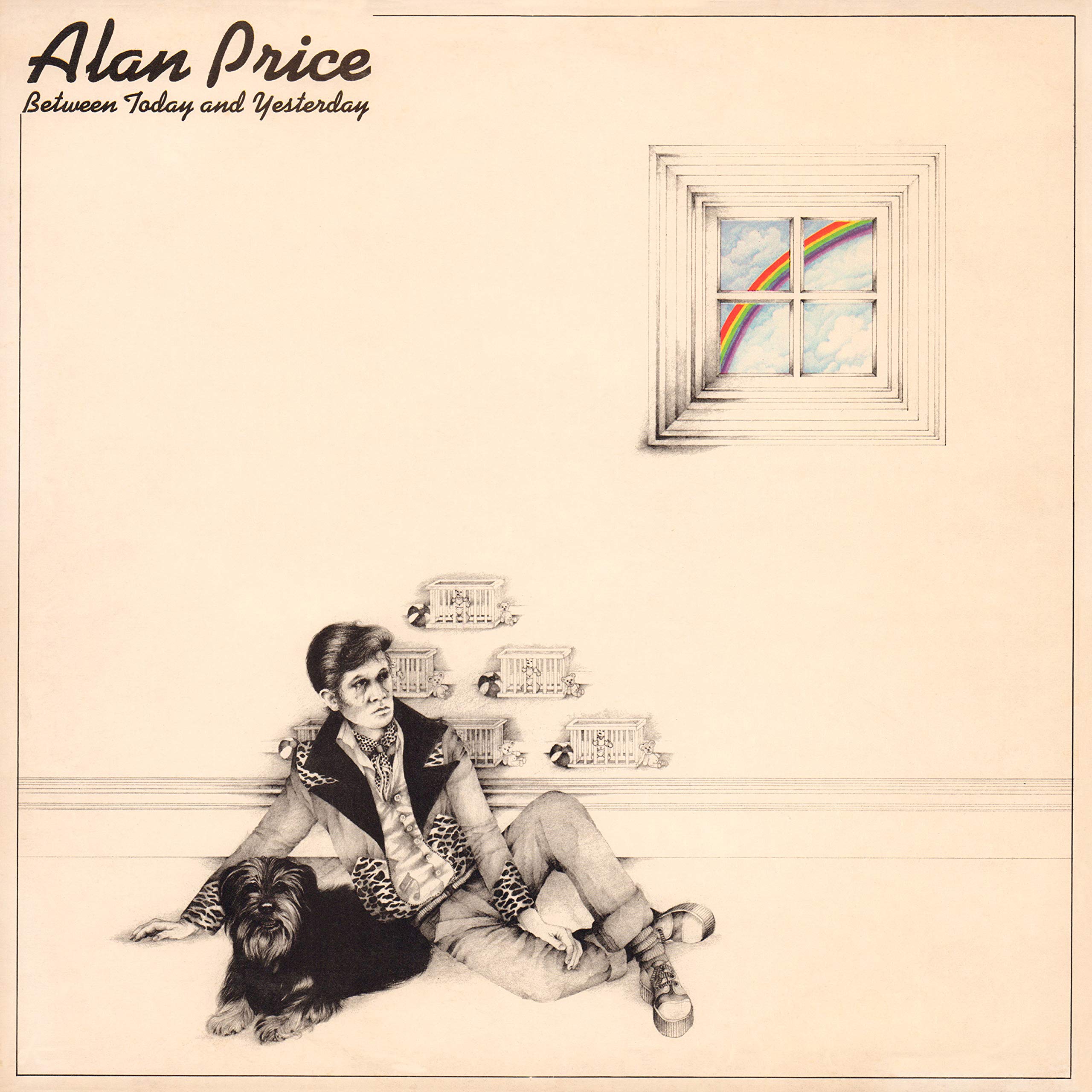
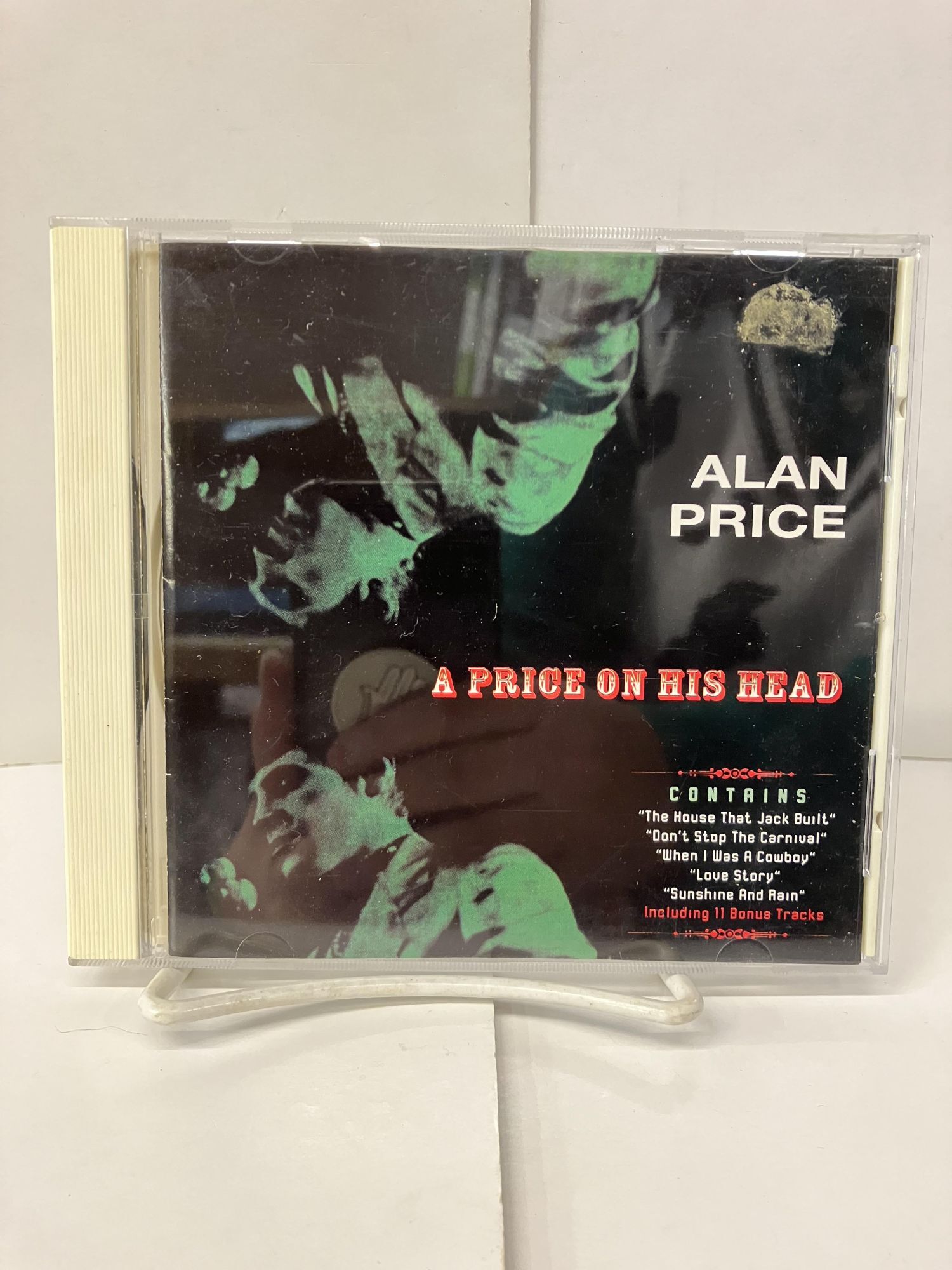
Alan Price has released over a dozen solo and collaborative albums throughout his career. Some of the most notable include The Price to Play (1966), O Lucky Man! (1973), and Between Today and Yesterday (1974), the latter of which features the "Jarrow Song."
Exploring the Alan Price Catalog Today
For those looking to honor the legacy of this legendary musician, the best starting point is a deep dive into the early 1960s recordings of The Animals, followed by the O Lucky Man! soundtrack. These works represent the bookends of his most influential period.
Listeners should pay close attention to the "interplay" between his left and right hands—a hallmark of his jazz training—and the way he uses the organ to create atmospheric tension. Whether through the gritty blues of Newcastle or the sophisticated satire of his 1970s solo work, Alan Price’s contribution to the language of rock and roll is indelible. To truly remember the musician is to listen to the soul he breathed into the keys, a sound that remains as vibrant in 2026 as it was in 1964.