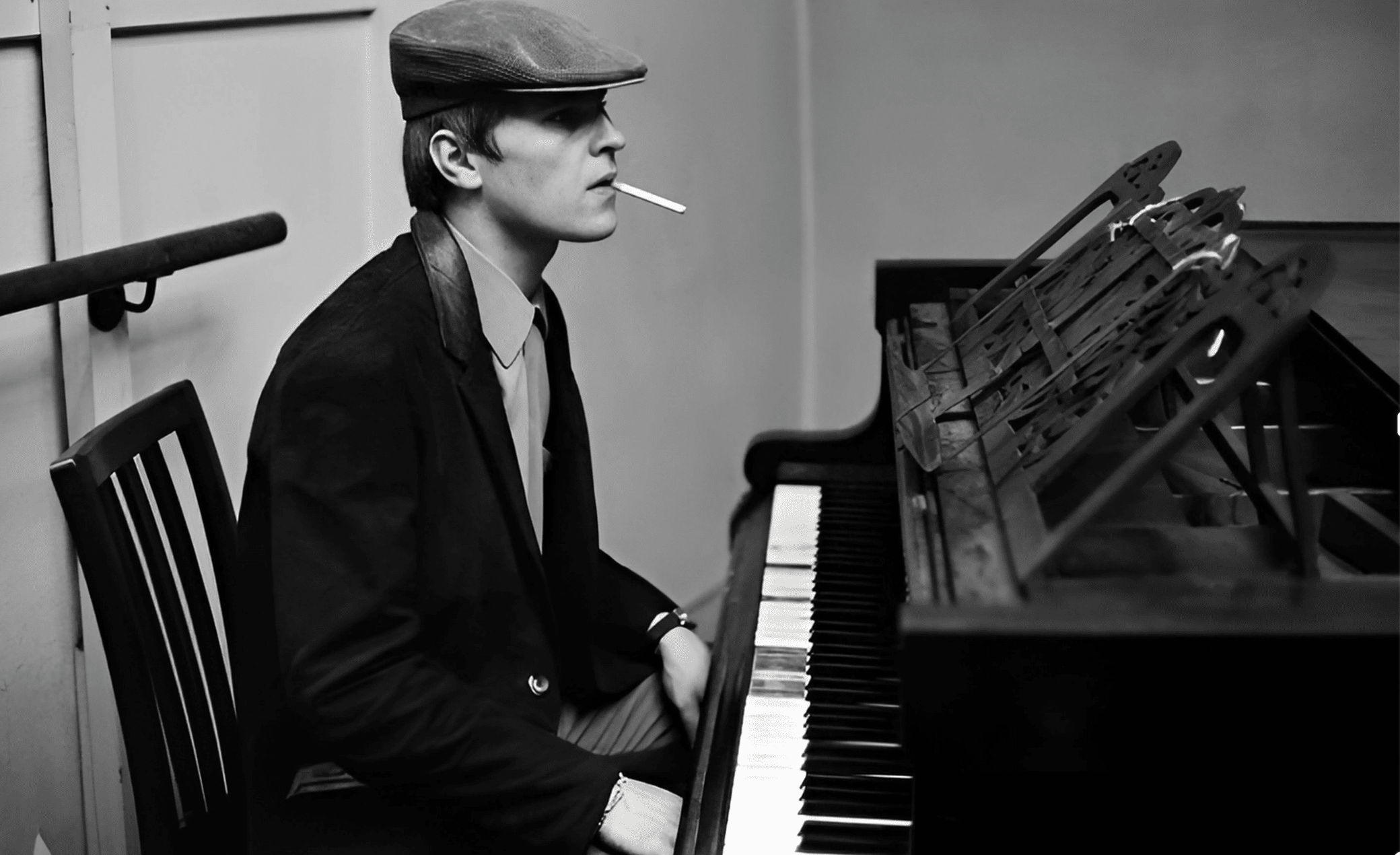
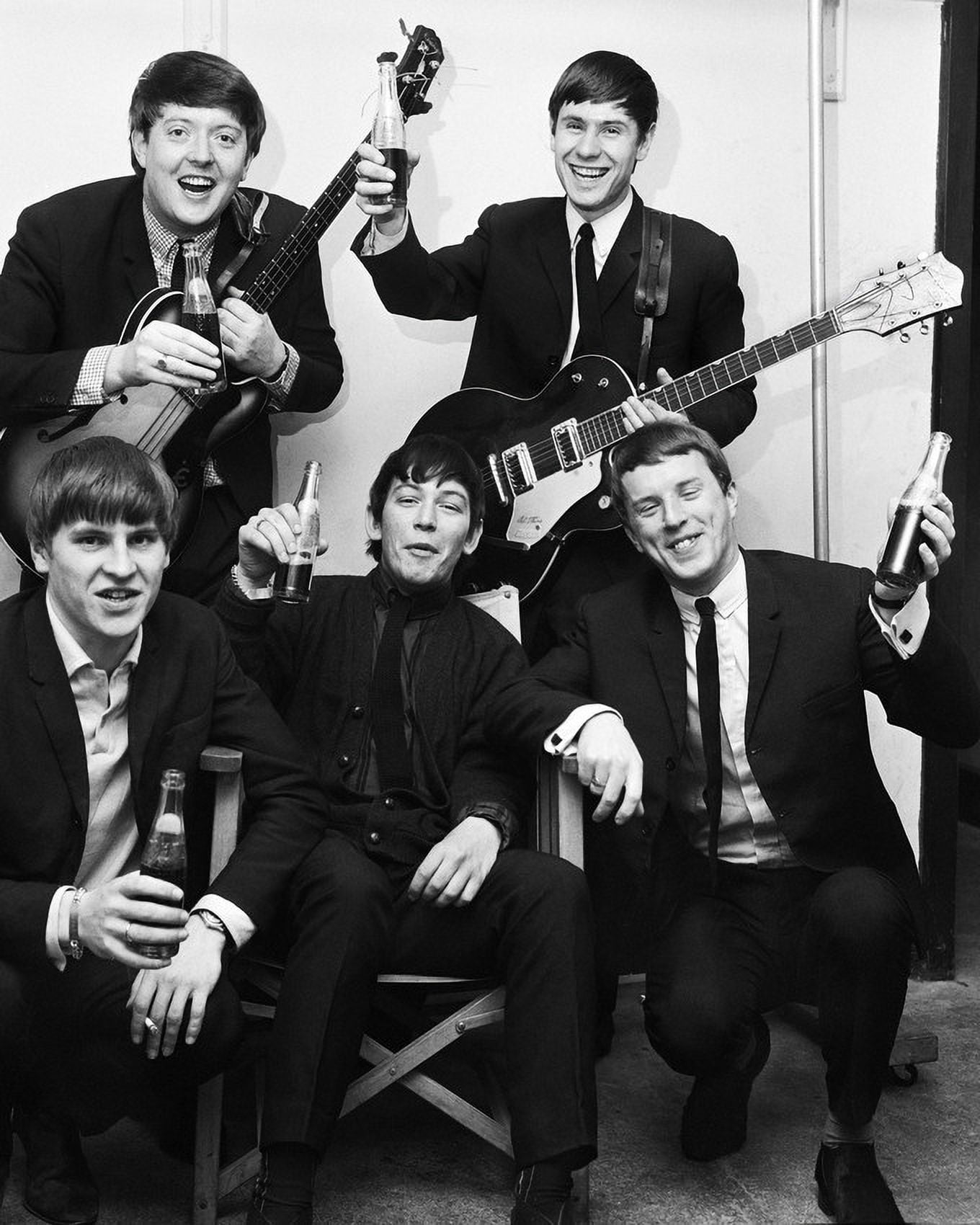
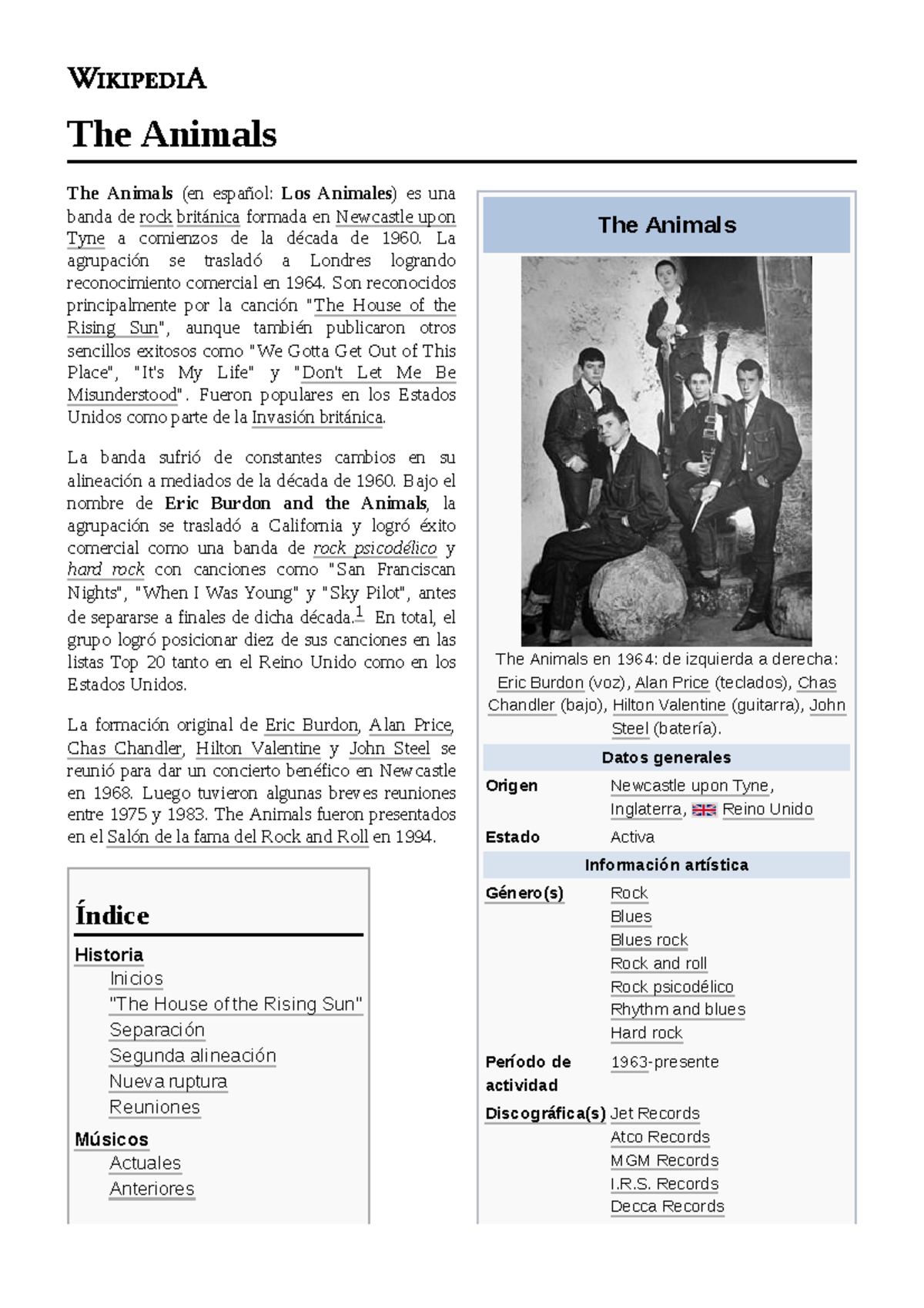
Alan Price was the keyboardist and founding leader of The Animals, responsible for the haunting organ arrangement of "House of the Rising Sun." He left the group in May 1965 during the height of their global fame. While his departure was officially attributed to a fear of flying, it was deeply rooted in financial tensions over songwriting royalties and internal power struggles with lead singer Eric Burdon.
The Newcastle Origins: From the Alan Price Combo to Global Stardom
Before they were known as The Animals, the group existed as the Alan Price Combo. Formed in Newcastle upon Tyne in the late 1950s, the ensemble was a vehicle for Price’s jazz and rhythm-and-blues sensibilities. Unlike many of their contemporaries in the British Invasion who focused on the skiffle-to-rock pipeline, Price’s unit was grounded in a sophisticated understanding of blues structures and keyboard-driven melodies.
In 1962, the addition of Eric Burdon brought a raw, powerhouse vocal presence that demanded a more aggressive sound. By 1963, the group changed their name to The Animals—a reflection of their "wild" stage presence—and moved to London under the management of Giorgio Gomelsky and later Mickie Most. Despite the name change and Burdon’s increasing role as the frontman, the band’s musical architecture remained firmly in the hands of Alan Price. His mastery of the Vox Continental combo organ provided the atmospheric, growling texture that distinguished The Animals from the guitar-heavy sound of the Beatles or the Rolling Stones.
The transition from a local Newcastle jazz-blues outfit to an international sensation was rapid. By 1964, the band had secured a recording contract with EMI’s Columbia label. However, the seeds of discord were sown early, as the transition from the "Alan Price Combo" to a collective unit created an underlying tension regarding who truly "owned" the band’s creative direction.
The "House of the Rising Sun" and the Credit Controversy
The defining moment of Alan Price’s career—and the primary source of lifelong friction with his bandmates—was the 1964 recording of "House of the Rising Sun." While the song was a traditional folk piece, the arrangement was revolutionary. It was Price who transposed the chords and developed the arpeggiated organ solo that became the track’s signature.
When it came time to register the song with the performing rights organizations, the credit for the arrangement was given solely to Alan Price. The standard explanation provided at the time was that there was insufficient space on the record label to list all five members (Alan Price, Eric Burdon, Hilton Valentine, Chas Chandler, and John Steel). Price was allegedly chosen as the "placeholder" for the group.
However, this administrative decision had permanent financial consequences. Because "House of the Rising Sun" became a global number-one hit, Price began receiving the lion's share of the royalties. For decades, the other members of The Animals expressed bitterness over this arrangement, claiming they were never compensated for their collective contribution to the arrangement. This "untold" financial imbalance is often cited by rock historians as the true catalyst for the band’s eventual fragmentation. Price’s refusal to split those royalties remained a point of contention during every subsequent reunion attempt.
The 1965 Departure: Fear of Flying or Internal Friction?
In May 1965, at the peak of The Animals' success, Alan Price abruptly quit the band. The official press release stated that Price suffered from a debilitating fear of flying, which made the grueling international touring schedule impossible. While Price did indeed have an aversion to air travel, the reality was more complex.
The "untold story" of his exit involves a combination of three factors:
- Leadership Struggles: As the original leader of the Combo, Price found it difficult to reconcile his role with the rising profile of Eric Burdon. The media increasingly viewed Burdon as the face of the band, marginalizing Price’s musical leadership.
- Financial Disparity: The aforementioned royalty dispute regarding "House of the Rising Sun" had created a toxic environment. Price felt isolated by the resentment of his bandmates, while the others felt exploited.
- Creative Differences: Price wanted to explore more sophisticated, jazz-influenced arrangements, while the band (and producer Mickie Most) pushed for a more commercial, pop-rock sound to maintain their chart momentum.
Price was replaced by Dave Rowberry, who mimicked Price’s style effectively, but the "soul" of the original line-up was irrevocably altered. Price’s departure was the first crack in the foundation of the original British Invasion giants, leading to the band’s total dissolution just a year later in 1966.
Comparison of Contributions: Price vs. The Animals' Evolution
To understand the impact of Price’s departure, one must look at the musical shift that occurred after May 1965.
| Feature | The Alan Price Era (1962–1965) | The Post-Price Era (1965–1966) |
|---|---|---|
| Primary Instrument | Vox Continental / Piano | Vox Continental / Farfisa |
| Musical Style | Dark, R&B, Jazz-influenced blues | Pop-oriented Rock, Proto-Psychedelia |
| Key Hits | "House of the Rising Sun", "I'm Crying" | "We Gotta Get Out of This Place", "It's My Life" |
| Arrangement Focus | Keyboard-driven textures | Balanced Guitar and Keyboard riffs |
| Internal Dynamic | Price as the musical director | Burdon as the central authority |
While the post-Price era produced some of the band's most socially conscious and enduring hits, the sophisticated, brooding "Nightclub Blues" atmosphere that Price cultivated was largely lost.
The Solo Years and the Alan Price Set
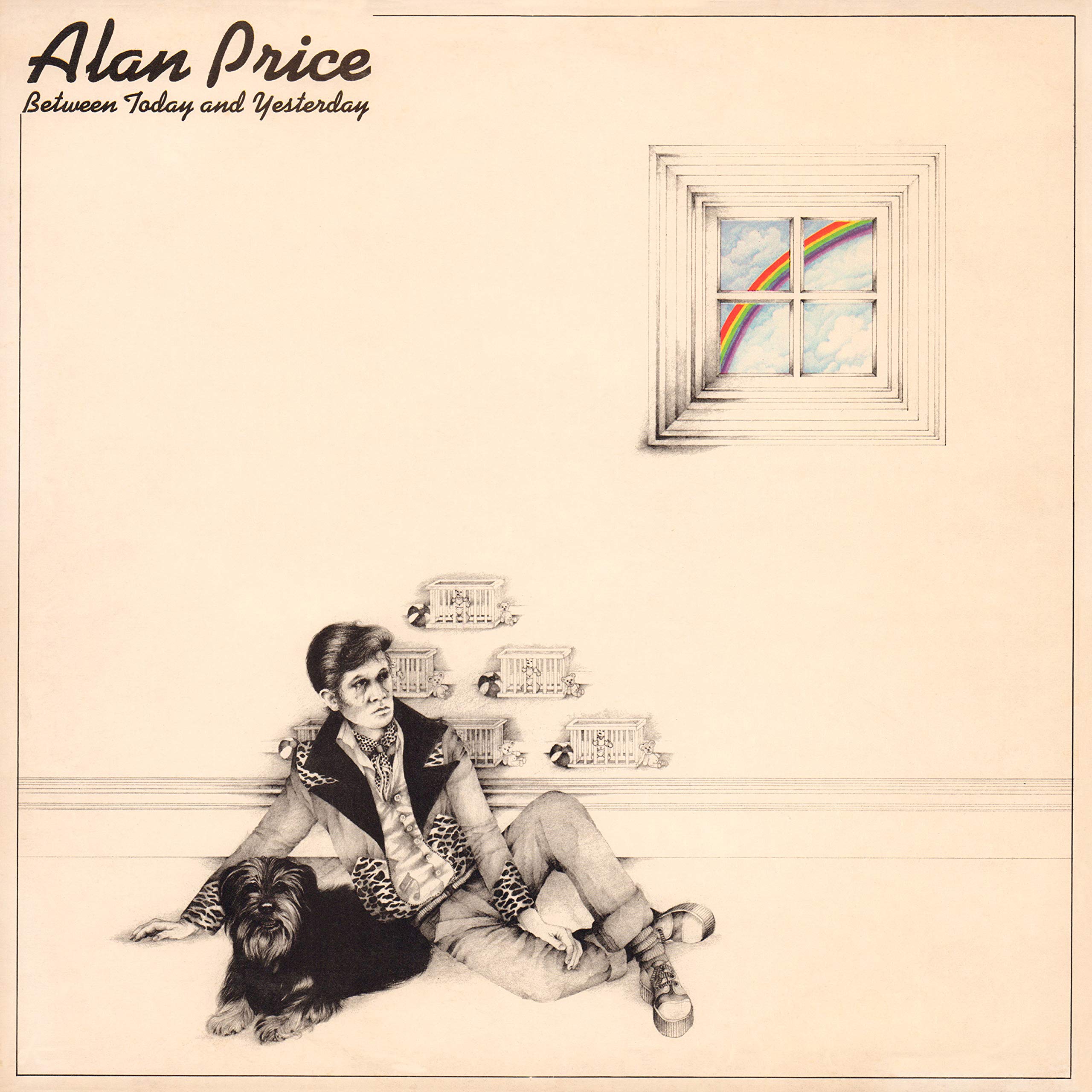
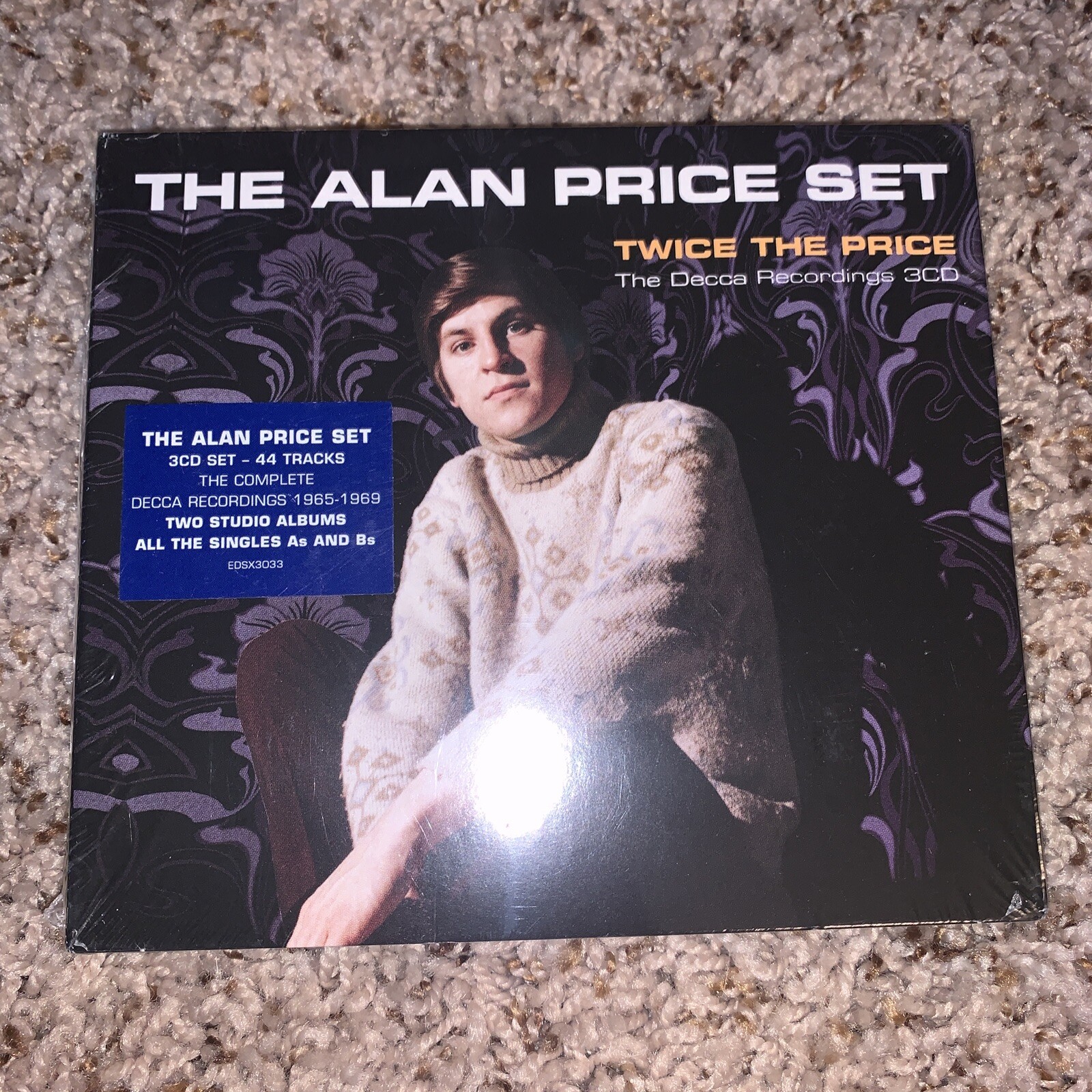
Following his exit, Price did not fade into obscurity. He formed the Alan Price Set, a group that incorporated a brass section and leaned into a more soulful, pop-adjacent sound. He achieved significant UK success with hits like "I Put a Spell on You" (1966) and "Simon Smith and His Amazing Dancing Bear" (1967), the latter written by Randy Newman.
Price’s solo career demonstrated his versatility. He became a fixture on British television and eventually moved into film scoring. His most acclaimed work in this period was the soundtrack for Lindsay Anderson’s 1973 film O Lucky Man!, where Price appeared on-screen as a sort of Greek chorus, performing songs that commented on the narrative. This project earned him a BAFTA Award for Best Film Music, proving that his creative instincts extended far beyond the confines of a five-piece rock band.
Legacy and the 2026 Perspective
As of 2026, Alan Price remains a pivotal figure in the history of British rock. His influence is seen in the works of keyboard-led bands across the decades, from The Doors to modern indie-rock ensembles. The "untold story" of his time with The Animals serves as a cautionary tale about the intersection of art, ego, and the business of music.
The original line-up of The Animals was inducted into the Rock and Roll Hall of Fame in 1994. Although Price attended, the tension between the members was still palpable. His legacy is defined by a paradox: he was the man who gave The Animals their most iconic sound, yet he was also the first to leave, unable to navigate the very success he helped create.
Frequently Asked Questions
Why did Alan Price really leave The Animals?
While a fear of flying was the official reason, the primary drivers were financial disputes over "House of the Rising Sun" royalties and a power struggle with Eric Burdon over the band’s creative direction. Price felt his role as the original founder was being overshadowed by Burdon’s frontman status.
Who received the royalties for "House of the Rising Sun"?
Alan Price was the only member credited for the arrangement on the original 1964 release. This meant he received all the arranger royalties, which caused significant friction with the other four members, who felt the arrangement was a collective effort developed during their live shows.
What happened to The Animals after Alan Price left?
The band recruited Dave Rowberry on keyboards and continued to have major hits like "We Gotta Get Out of This Place." However, the internal cohesion suffered, and the original group disbanded in 1966, with Eric Burdon later forming "Eric Burdon and the Animals" with a different musical focus.
Is Alan Price still performing in 2026?
Alan Price has maintained a lower public profile in recent years but remains a respected elder statesman of the British blues-rock scene. His contributions are frequently celebrated in retrospectives of the Newcastle music scene and the 1960s British Invasion.
Did Alan Price ever reconcile with Eric Burdon?
There were several reunions over the years, most notably in 1977 and 1983. However, these reunions were often fraught with the same tensions that led to the original split. While they shared the stage for induction ceremonies, the fundamental disagreements over the band's history and finances were never fully resolved.
How to Explore Alan Price’s Musical Catalog
To fully appreciate the "untold story" of Alan Price, listeners should look beyond the hits. Start with the early Alan Price Combo recordings to hear his jazz roots. Move to the Animal Tracks album (1965) to hear the peak of his collaboration with Burdon. Finally, listen to the O Lucky Man! soundtrack to understand his growth as a solo composer.
For those interested in the technical side of his sound, researching the Vox Continental organ provides insight into how he achieved the specific "Animal" growl. Additionally, the Official Charts Company records provide a detailed timeline of his commercial impact during the 1960s.