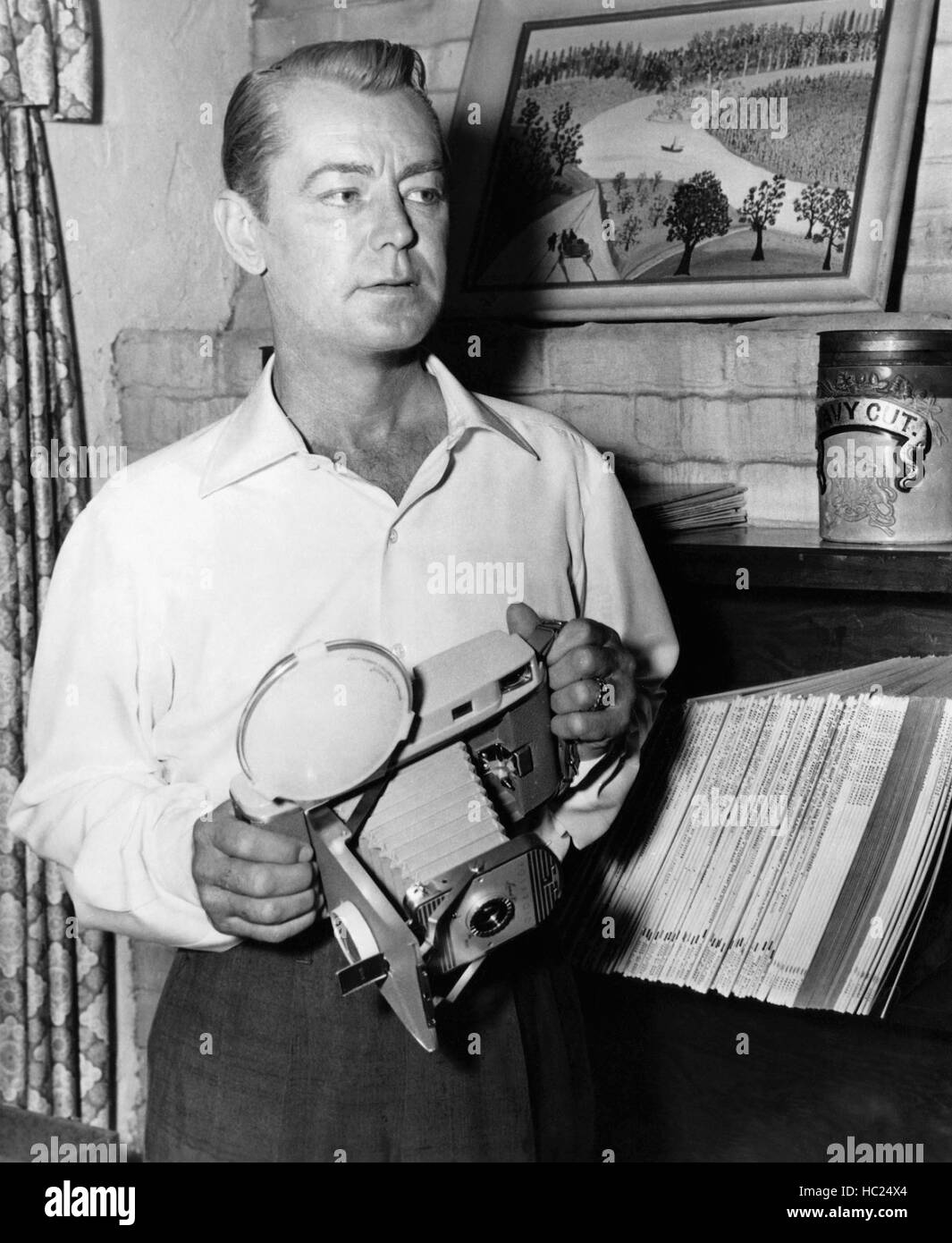
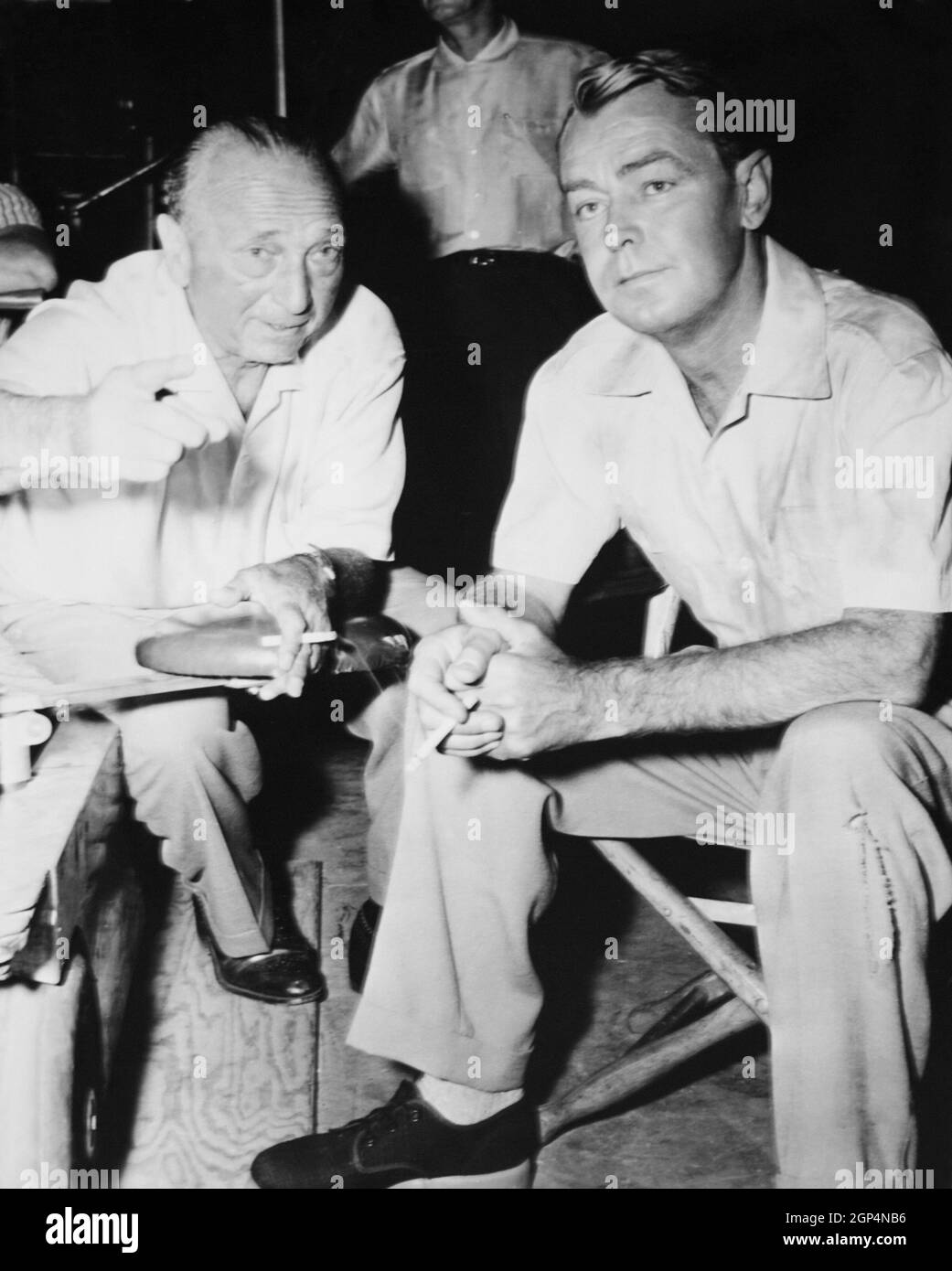
At the time of his death on January 29, 1964, Alan Ladd’s net worth was estimated to be approximately $1 million to $1.5 million. In 2026 currency, this valuation translates to an inflation-adjusted figure of roughly $10.2 million to $15.3 million, encompassing significant real estate holdings, his production company, and diverse business ventures in Southern California.
Alan Ladd remains one of the most enigmatic figures of Hollywood’s Golden Age. While he is best remembered for his iconic role in Shane (1953) and his stoic presence in film noir, his financial story is a masterclass in mid-century wealth accumulation and the transition from studio-contracted employee to independent entrepreneur. Unlike many of his contemporaries who struggled with financial mismanagement, Ladd—guided largely by his wife and agent, Sue Carol—built a diversified portfolio that provided long-term security for his family.
Contextualizing Alan Ladd’s Financial Peak
To understand Ladd’s net worth at the time of his death, one must first examine the earnings landscape of the 1940s and 1950s. Ladd was a top-ten box office draw for several years, which allowed him to command substantial weekly salaries and, later, a percentage of the profits.
During his tenure at Paramount Pictures, Ladd’s salary climbed from a few hundred dollars a week to nearly $5,000 per week. However, the true expansion of his wealth occurred when he moved toward independent production. By forming Alan Ladd Enterprises (later known as Jaguar Productions), he shifted from being a "salaryman" for the studios to a part-owner of the films he starred in. This move allowed him to retain rights to certain properties and receive "back-end" payments, a practice that was becoming the gold standard for A-list talent like James Stewart and Cary Grant.
The transition to independent production was not merely a vanity project. It was a calculated financial maneuver. By producing films through his own company, Ladd could capitalize on corporate tax rates, which were often more favorable than the high personal income tax brackets of the era, which could reach as high as 90% for top earners.
Major Assets and Real Estate Holdings
A significant portion of Alan Ladd’s $1 million-plus estate was tied up in high-value real estate. Ladd and his wife were known for their savvy property investments, focusing on areas of Southern California that were poised for explosive growth.
The Holmby Hills Estate
The crown jewel of his holdings was the family home in Holmby Hills, an ultra-exclusive neighborhood nestled between Beverly Hills and Bel Air. This French Provincial-style mansion was not just a residence but a tangible symbol of Ladd’s status. At the time of his death, the property was valued in the hundreds of thousands of dollars—a staggering sum for the early 1960s. Today, properties in this specific enclave frequently command prices in the tens of millions, highlighting the long-term appreciation of his primary asset.
The Palm Springs Ranch and Hardware Store
Ladd was an early adopter of the Palm Springs lifestyle, long before it became the global resort destination it is in 2026. He owned a substantial ranch in the desert, which served as a retreat from the pressures of Hollywood.
More interestingly from a business perspective, he owned and operated Alan Ladd’s Hardware in Palm Springs. This was not a mere celebrity endorsement; Ladd was the proprietor of the store. While a hardware store may seem like an unusual investment for a movie star, it provided a steady stream of "ordinary" commercial income and reflected Ladd’s grounded, practical approach to wealth. It also served as a tax-deductible business venture that diversified his income away from the volatility of the film industry.
The Role of Jaguar Productions
By the mid-1950s, Ladd’s Jaguar Productions had signed a multi-picture deal with Warner Bros. This agreement was pivotal to his final net worth. Under this contract, Ladd was not just an actor for hire; his company was responsible for producing the films, which included titles like Drum Beat (1954) and The McConnell Story (1955).
The value of Jaguar Productions at the time of his death included:
- Film Libraries and Residuals: While television syndication was in its infancy, the rights to his independent productions carried significant value.
- Contractual Obligations: The company held various scripts, options on novels, and development deals that constituted "intangible assets" in his probate records.
- Production Equipment: Like most independent units of the time, the company owned various physical assets used in the filmmaking process.
A Verified Breakdown of Estimated Assets in 1964
The following table provides a breakdown of the estimated asset distribution within the Ladd estate at the time of his passing. These figures are based on contemporary probate reporting and historical financial analysis.
| Asset Category | Estimated Value (1964) | 2026 Adjusted Value | Primary Details |
|---|---|---|---|
| Real Estate | $650,000 | $6,600,000 | Holmby Hills mansion and Palm Springs ranch property. |
| Business Interests | $300,000 | $3,050,000 | Jaguar Productions (Jaguar/Alan Ladd Enterprises) and commercial ventures. |
| Cash and Securities | $150,000 | $1,525,000 | Liquid savings, blue-chip stocks, and municipal bonds. |
| Personal Property | $100,000 | $1,015,000 | Jewelry, art collection, vehicles, and high-end furnishings. |
| Total Estimated Estate | $1,200,000 | $12,190,000 | Represents the core verified probate value. |
Note: These figures represent the gross estate value. Final distribution to heirs would have been subject to estate taxes and settled debts.
Life Insurance and Liquid Assets
Alan Ladd’s financial security was further bolstered by significant life insurance policies. In the 1960s, high-earning celebrities often used whole-life insurance as both a protective measure and a tax-advantaged investment vehicle. Records suggest that Ladd’s family was well-protected by these policies, which provided immediate liquidity upon his death, preventing the need for a "fire sale" of his real estate or business interests to pay estate taxes.
His liquid assets—stocks and bonds—were managed with a conservative lean. Unlike some actors who gambled on speculative oil wells or failed restaurants, Ladd’s portfolio was reportedly focused on steady growth. This conservative fiscal habit ensured that despite his relatively early death at age 50, his estate was not burdened by the debt common among stars who lived beyond their means.
Inflation and the "Star Power" Multiple
When discussing a net worth of $1 million in 1964, it is essential to consider the purchasing power of that era. In 1964, the median home price in the United States was less than $20,000. A million-dollar estate placed Ladd in the upper 0.1% of American earners.
Furthermore, the "value" of a celebrity estate often extends beyond the balance sheet. The brand name "Alan Ladd" continued to generate revenue for his heirs through the licensing of his likeness and the continued broadcast of his films. His estate remained a functioning entity long after his burial at Forest Lawn Memorial Park, managed by his widow, Sue Carol, who was a formidable business mind in her own right.
Legal and Probate Realities of the 1964 Settlement
The settlement of Alan Ladd’s estate was relatively straightforward compared to the legal battles that often plague modern celebrity passings. Because he had a clear will and most of his assets were held jointly with his wife or through established corporate entities, the probate process served more to validate the values than to adjudicate disputes.
However, estate taxes in 1964 were quite high for million-dollar valuations. The "Federal Estate Tax" at the time would have taken a significant bite out of the gross value, which is why the liquid life insurance payouts were so vital. His heirs—including his children Alana, David, and his son from a previous marriage, Alan Ladd Jr. (who would go on to become a legendary studio executive)—received a legacy that was both financial and professional.
Factors That Impacted His Final Valuation
Several late-career factors influenced the final figure of Ladd’s net worth:
- Declining Health: In his final years, Ladd’s health issues and personal struggles led to a slight slowdown in his work rate, which capped the potential growth of his liquid savings.
- The "Shane" Contract: While Shane was a massive hit, Ladd was under a standard contract at Paramount when it was filmed. He did not receive the massive percentage of the gross that a modern star would, which meant he missed out on tens of millions in potential wealth from that single film.
- The Hardware Store Sale: There are conflicting reports on the exact timing of the divestment of his commercial interests in Palm Springs, but any liquidation of these assets was generally folded back into his primary investment accounts.
How does Alan Ladd’s wealth compare to other stars of his era?
Ladd was comfortably in the middle-to-upper tier of the Hollywood elite. While he did not reach the astronomical wealth of stars like Bob Hope (whose real estate empire was worth tens of millions by the 1960s) or John Wayne, he was significantly more stable than many "glamour" stars who died with more debt than assets.
Who inherited Alan Ladd’s estate?
The majority of his estate was left to his wife, Sue Carol, who had been instrumental in building his career. His children, including Alan Ladd Jr. and David Ladd, also received portions of the estate and were set up with trusts that allowed them to pursue their own successful careers in the film industry.
Did Alan Ladd own the rights to his films?
He owned the rights to the films produced under Jaguar Productions and Alan Ladd Enterprises. However, his most famous films, such as Shane and The Glass Key, were owned by Paramount Pictures. His estate continued to receive certain residuals and "talent-side" royalties based on the Screen Actors Guild agreements of the time.
Was the $1 million figure considered "rich" in 1964?
Yes, exceptionally so. To put it in perspective, $1 million in 1964 had the same purchasing power as approximately $10 million today, but within the context of the 1960s economy, it carried even more social and economic weight because the cost of living was significantly lower relative to wages.
What happened to the Alan Ladd Hardware store?
After his death, the store was eventually sold and the name was changed. However, it remains a part of Palm Springs lore and a cited example in celebrity business history of a star engaging in "main street" entrepreneurship to diversify their income.
Reviewing the Financial Legacy of Alan Ladd
For those studying the financial structures of classic Hollywood, Alan Ladd’s estate serves as a prime example of the "Transition Era" star. He moved successfully from the rigid studio system to a model of self-ownership. The most important takeaway from his $1 million verified breakdown is the importance of diversification. By balancing high-risk film production with low-risk real estate and a "boring" but stable hardware business, Ladd ensured that his family remained wealthy long after the cameras stopped rolling.
Investors and historians alike can look to the Ladd estate as a blueprint for wealth preservation. His reliance on professional management (via his wife) and his refusal to over-leverage his lifestyle during his waning years of popularity allowed him to die a millionaire at a time when that title still held an air of near-unreachable prestige.