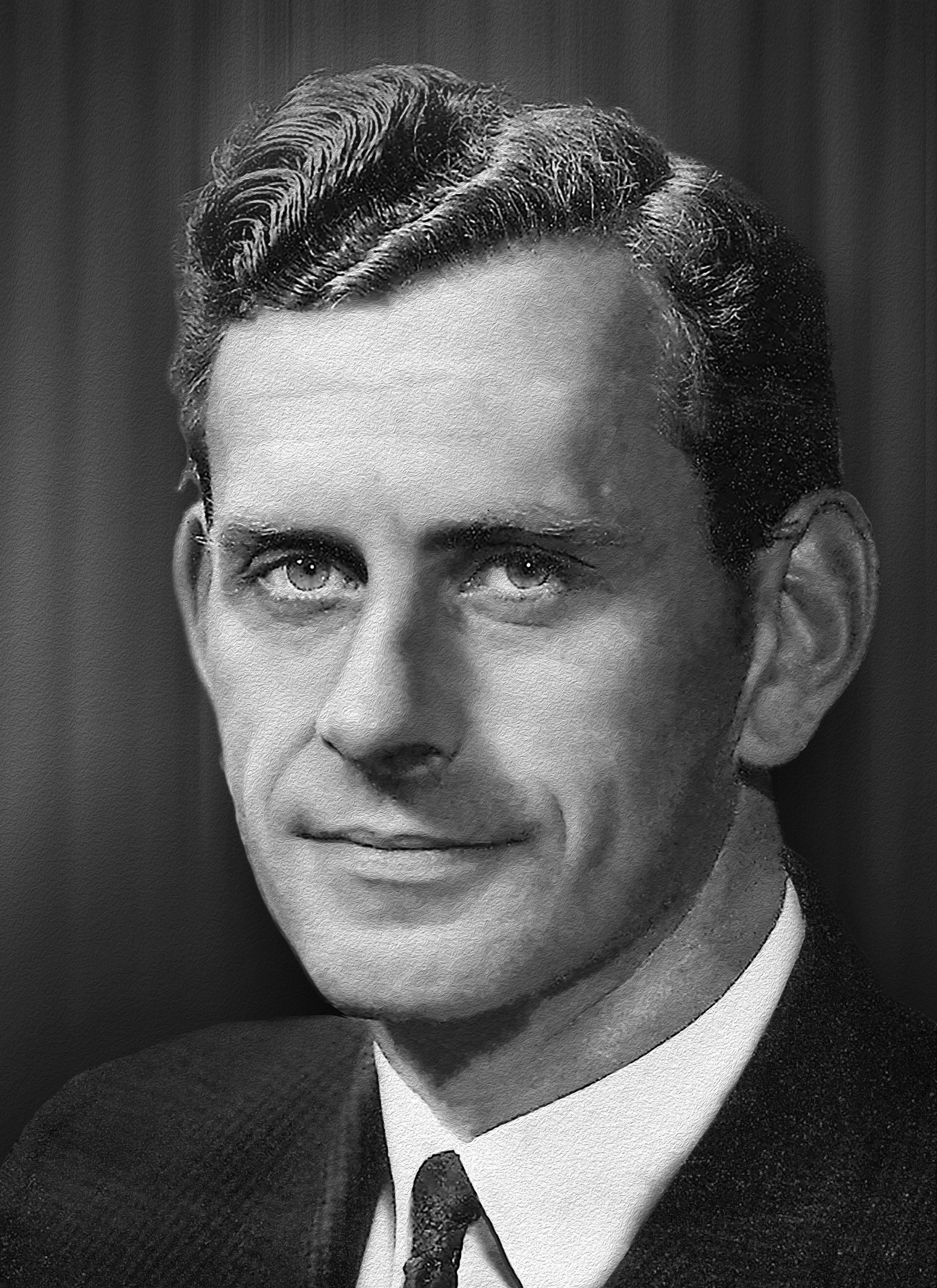
Alan King died on May 21, 2004, at the age of 76. The legendary American comedian and actor passed away at the Memorial Sloan-Kettering Cancer Center in Manhattan due to complications from lung cancer. His death marked the end of an era for the "Borscht Belt" style of humor and observational comedy.
The Circumstances Surrounding Alan King’s Death
Alan King, born Irwin Alan Kniberg, was a fixture of American entertainment for more than half a century. His death in May 2004 followed a significant battle with lung cancer, a diagnosis that he had largely kept private while continuing to make public appearances and work in the industry. At the time of his passing, he was surrounded by his family, including his wife of 57 years, Jeannette Sanders.
King was a lifelong fan of cigars, often seen with one on stage or during his frequent appearances at the Friars Club. While he had faced various health challenges typical of his age, the aggressive nature of his cancer eventually led to his hospitalization at Memorial Sloan-Kettering, one of the world's premier cancer treatment facilities. His passing was met with a massive outpouring of grief from the comedy community, as he was viewed not just as a performer, but as a mentor and a "godfather" figure to generations of younger comics.
The funeral services for King were held at Riverside Memorial Chapel in Manhattan, drawing hundreds of dignitaries, actors, and fellow comedians. Figures such as Jerry Stiller, Billy Crystal, and New York Mayor Michael Bloomberg attended to pay their respects to a man who had become synonymous with the spirit of New York City.
The Formative Years: From Irwin Kniberg to Alan King
To understand the impact of Alan King’s death, one must look at his humble beginnings in 1927. Born in Brooklyn and raised in the Williamsburg neighborhood, King was the son of Jewish immigrants. His early life was defined by the typical struggles of the Great Depression, which fueled his later comedic "anger" toward the inconveniences of modern life.
King began his career as a teenager, performing in the Catskill Mountains—a region affectionately known as the Borscht Belt. This area served as a training ground for many of the 20th century’s greatest comedians. Initially, King started as a drummer but quickly realized that the people telling the jokes were making more money and receiving more attention than the musicians. He began performing stand-up under the name Alan King, a moniker he chose to sound more "theatrical" and professional than his birth name.
In these early years, he followed the traditional joke-telling style of the time, which relied heavily on one-liners and "Take my wife, please" setups. However, a turning point occurred when he opened for Judy Garland at the London Palladium. He realized that his standard routine didn't resonate with the audience. This led him to shift toward a more conversational, observational style that focused on the frustrations of suburban life, insurance companies, and family dynamics.
The "Angry Man" Persona and Observational Comedy
Alan King is widely credited with being a pioneer of observational comedy. Long before Jerry Seinfeld or Larry David dissected the minutiae of daily life, King was on stage complaining about the absurdity of the world around him. He became known as the "Angry Man" of comedy, though his anger was always tempered with a sharp wit and a relatable perspective.
His signature look—well-tailored suits, a sophisticated demeanor, and often a cigar in hand—contrasted with his vocal exasperation. He spoke for the "common man" who was tired of being pushed around by bureaucracy. This persona made him a favorite on the talk show circuit. Most notably, King made 93 appearances on The Ed Sullivan Show, a record that few could match. He was the safe yet edgy choice for television; he was sophisticated enough for the adults but funny enough for the whole family.
King’s routines often centered on:
- The Airline Industry: Long before "airline food" became a cliché, King was ranting about the delays and poor service of mid-century travel.
- Medical Professionals: He frequently joked about the high costs and detached nature of doctors.
- Marriage and Family: His humor regarding his wife, Jeannette, was legendary, though always rooted in a deep, public devotion to her.
From the Stage to the Screen: A Versatile Acting Career
While many know Alan King primarily as a stand-up comedian, his contributions to cinema were significant. He successfully transitioned from the nightclub stage to character acting, often playing authoritative figures, tough guys, or weary professionals.
His most acclaimed role came in 1995 in Martin Scorsese’s Casino, where he played Andy Stone, a mob-connected union head. King’s performance was praised for its understated intensity, proving that he had the range to move beyond comedy into serious drama. He also appeared in films such as Rush Hour 2, Night and the City, and The Bonfire of the Vanities.
King’s presence on screen was often characterized by the same gravitas he brought to the Friars Club. He didn't just "play" a role; he inhabited the space with the confidence of a man who had seen everything the world had to throw at him.
| Category | Key Career Milestones & Details |
|---|---|
| Television | 93 appearances on The Ed Sullivan Show; host of the Alan King Show. |
| Film | Notable roles in Casino (1995), Rush Hour 2 (2001), and Night and the City (1992). |
| Literature | Author of several books, including Help! I'm a Prisoner in a Chinese Bakery. |
| Philanthropy | Founder of the Alan King Medical Center in Jerusalem; active with the Friars Club. |
| Awards | Recipient of the American Comedy Awards’ Lifetime Achievement Award (1988). |
Alan King's Impact on Entertainment and Philanthropy
Beyond his performances, Alan King was a powerful figure behind the scenes in the entertainment industry. He served as the "Abbot" of the New York Friars Club, an institution famous for its celebrity roasts. As an expert roastmaster, King was known for his ability to skewering his peers with both affection and brutal honesty.
His influence extended into production as well. He produced several Broadway shows and television specials, always with an eye for nurturing new talent. He was also deeply committed to philanthropic causes. The Alan King Medical Center in Jerusalem stands as a testament to his dedication to his heritage and his desire to give back to the global community.
King was also a mentor to younger comedians. He was one of the first to recognize the talent of performers like Billy Crystal and Robin Williams, often giving them advice on how to navigate the complexities of show business. He believed that comedy was a craft that required discipline, and he famously looked down upon performers who relied solely on shock value or profanity without having a solid comedic foundation.
Legacy and Influence in Modern Comedy (Perspective 2026)
As we look back in 2026, over two decades after his passing, Alan King’s influence remains palpable in the world of stand-up. The lineage of observational comedy that he helped establish can be traced directly to the biggest stars of today. Modern comedians who focus on social commentary and the frustrations of the human condition owe a debt to King’s "Angry Man" archetype.
King’s ability to transition between the Catskills, the Vegas strip, the Hollywood screen, and the Broadway stage set a blueprint for the multi-hyphenate entertainer. He proved that a comedian could be a serious actor, a savvy producer, and a respected philanthropist without losing their comedic edge.
His work is preserved in numerous television archives and through his written works. His books, such as Anybody Who Owns His Own Home Deserves It, continue to provide insight into his philosophy of life and humor. For students of comedy, King’s performances remain a masterclass in timing, delivery, and the art of the "slow burn" frustration.
Frequently Asked Questions
What was the official cause of Alan King’s death?
Alan King died of complications from lung cancer. He had been battling the disease for some time before passing away at Memorial Sloan-Kettering Cancer Center in Manhattan on May 21, 2004. King was a long-term cigar smoker, which is often associated with his health struggles in his later years.
How old was Alan King when he died?
He was 76 years old. Born on December 26, 1927, King had enjoyed a career that spanned nearly sixty years, beginning in his late teens and continuing until shortly before his death.
Which movie is considered Alan King’s best acting role?
While he appeared in many films, his role as Andy Stone in Martin Scorsese’s Casino (1995) is widely regarded as his finest dramatic performance. He played a savvy, mob-connected businessman with a level of realism and gravitas that surprised many who only knew him as a stand-up comic.
Was Alan King involved in the Friars Club?
Yes, Alan King was deeply involved with the New York Friars Club for decades. He served as its "Abbot" and was a legendary "Roastmaster General." He was instrumental in maintaining the club's tradition of celebrity roasts and was a key figure in its leadership until his passing.
What was Alan King’s real name?
Alan King was born Irwin Alan Kniberg. He changed his name early in his career to Alan King to make it more suitable for the entertainment industry, specifically during his time performing in the Catskills and later on national television.
How many times did Alan King appear on The Ed Sullivan Show?
Alan King made 93 appearances on The Ed Sullivan Show. This made him one of the most frequent guests in the history of the program, second only to a few other performers. His frequent appearances helped solidify him as a household name across the United States.
Continuing the Legacy of Alan King
For those looking to explore the genius of Alan King, the best starting point is his recorded stand-up specials from the 1970s and 1980s. These performances capture the essence of his observational style and his impeccable stage presence. Additionally, his memoirs offer a deep dive into the "Golden Age" of comedy and provide a roadmap for how he built a lasting career out of simple daily frustrations.
In an era where comedy often moves at a breakneck pace, revisiting the work of Alan King reminds us of the power of a well-timed pause, a perfectly placed "gripe," and the enduring appeal of the "Angry Man." His life and career serve as a reminder that the best humor often comes from the things that annoy us the most.