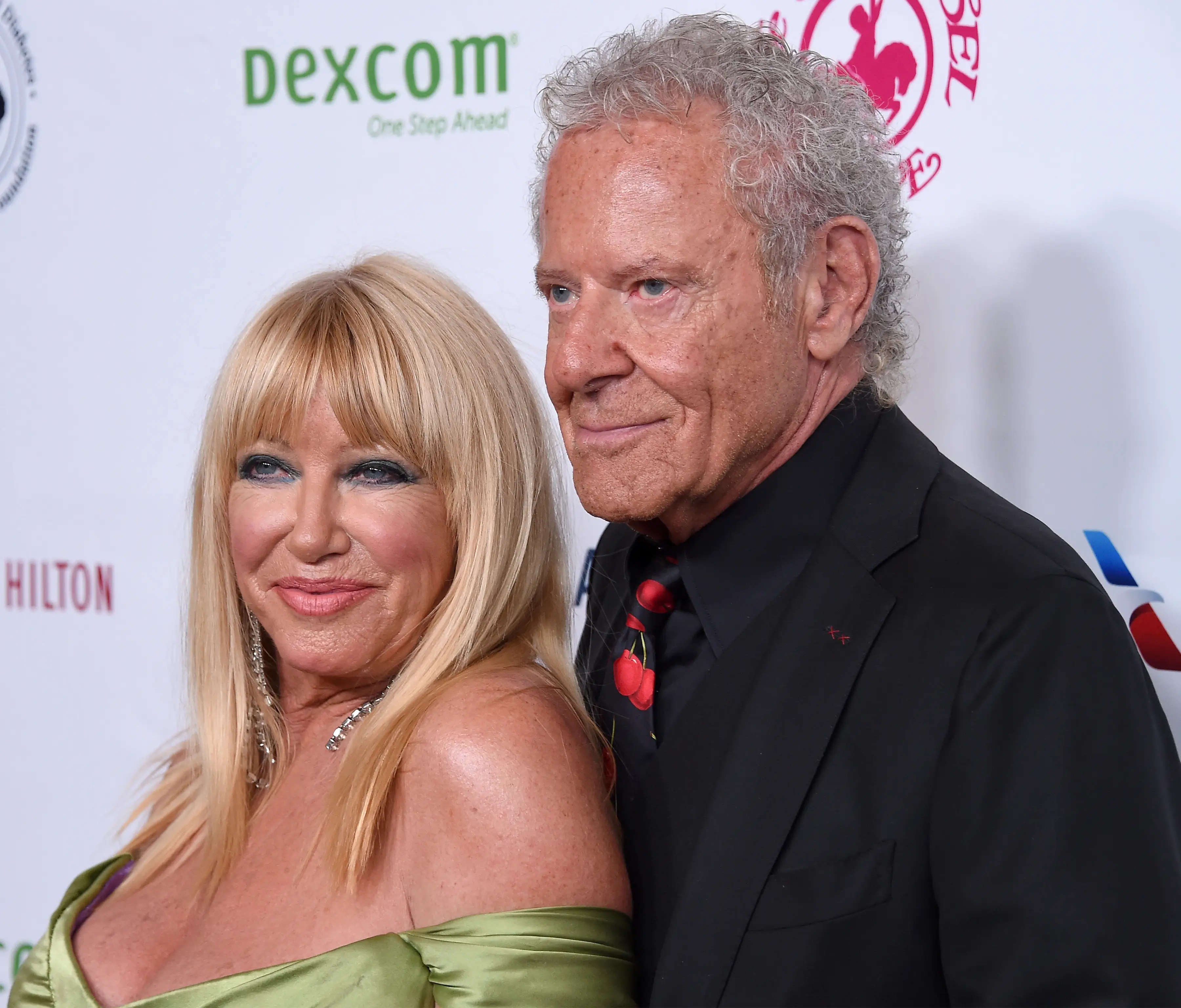
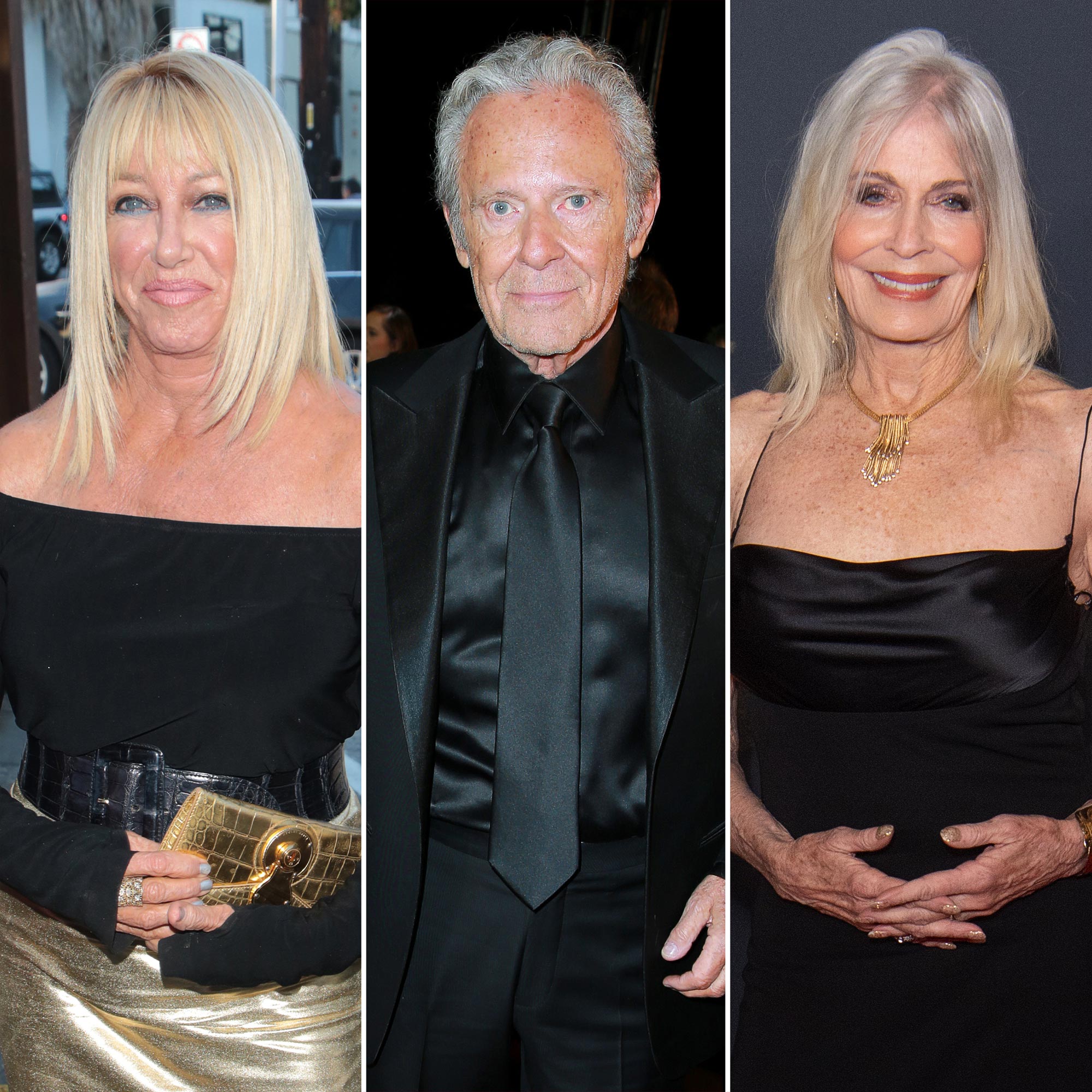
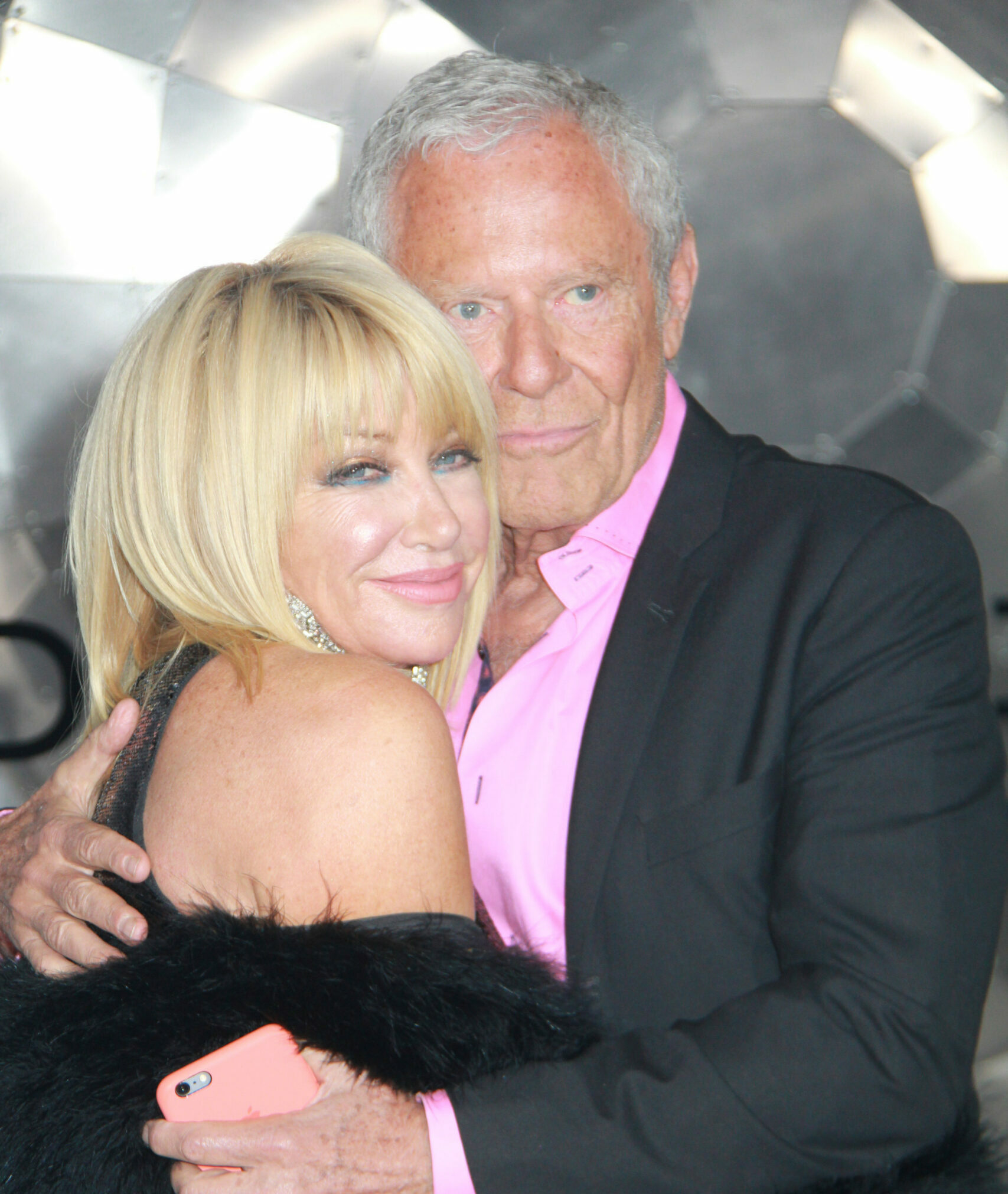
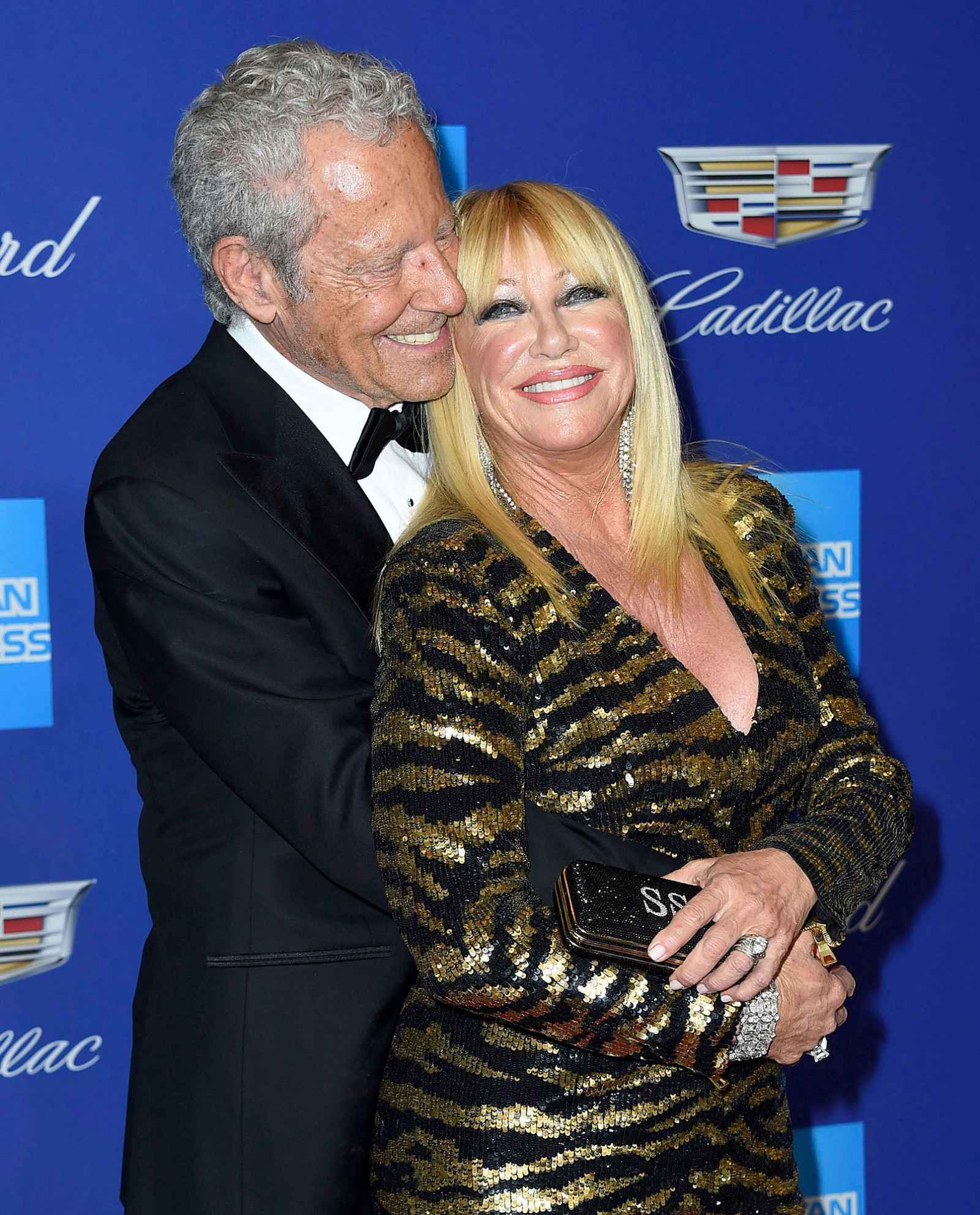
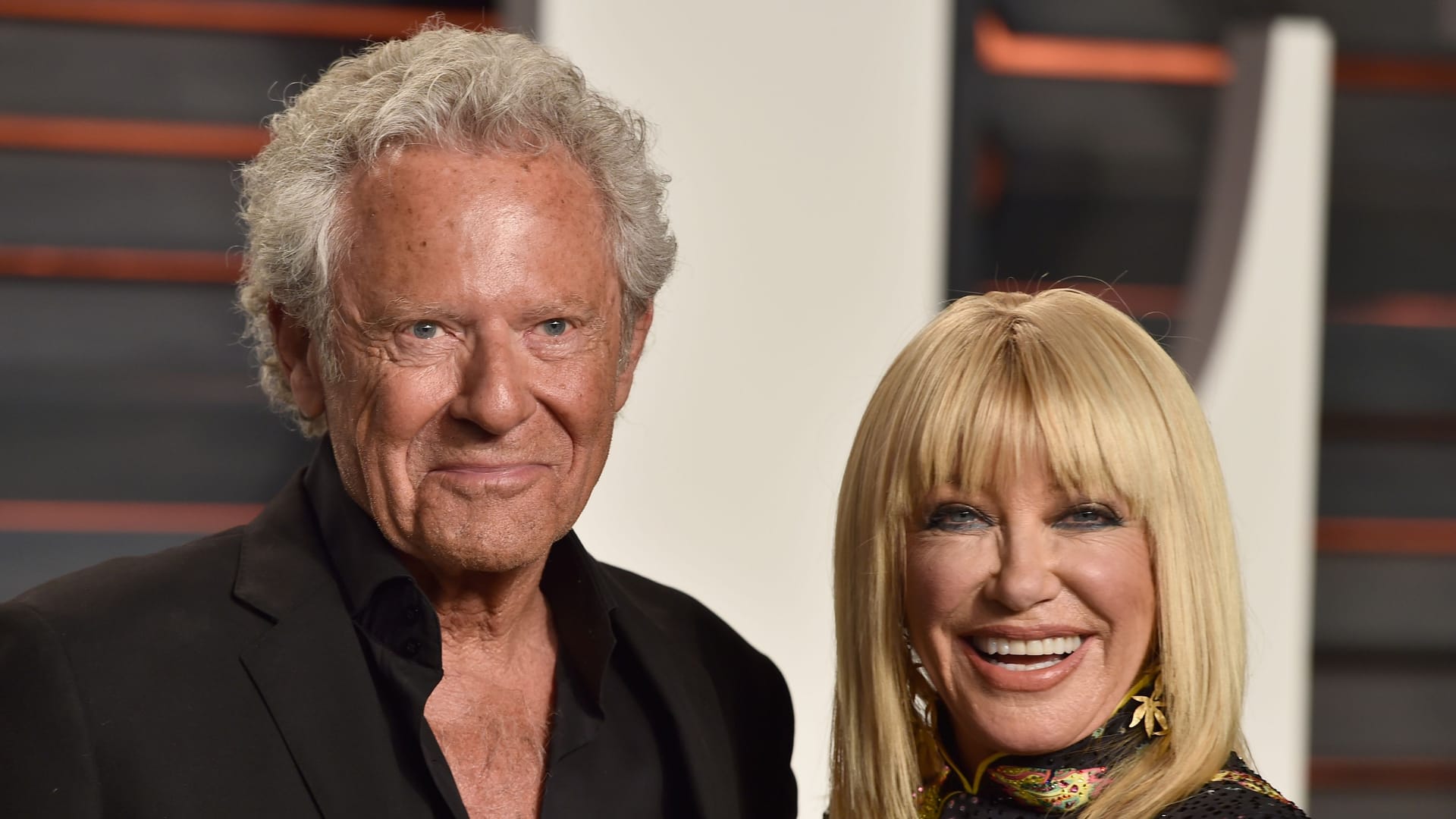
Alan Hamel is a Canadian-born entertainer, television host, and producer who transitioned from a successful broadcasting career to becoming the mastermind behind one of the most successful celebrity-driven business empires in history. Best known as the husband and business partner of the late Suzanne Somers, Hamel revolutionized direct-to-consumer marketing through the 1990s and 2000s.
The Canadian Roots: From Radio to "Razzle Dazzle"
Before becoming a fixture in American business and television production, Alan Hamel was a prominent figure in Canadian media. Born in Toronto in 1936, Hamel’s early career was defined by his natural charisma and versatility behind the microphone. He attended Ryerson Institute of Technology, where he honed the communication skills that would eventually make him a household name in the Great White North.
Hamel’s first major break came with the CBC (Canadian Broadcasting Corporation) children's show Razzle Dazzle, which aired from 1961 to 1966. As the host, Hamel possessed a unique ability to engage younger audiences without being patronizing, sharing the screen with the famous puppet "Howard the Turtle." The show was a cultural phenomenon in Canada, providing Hamel with a foundation in live television and audience engagement that would serve him for the rest of his career.
During this period, Hamel was not just a performer; he was learning the mechanics of television production. He understood that a personality was a brand, and that brand required consistent management. By the time he decided to move to the United States in the late 1960s, he was already a seasoned veteran of the industry, looking for a larger stage to exercise his hosting and production talents.
Transition to the American Market and Meeting Suzanne Somers
Alan Hamel’s transition to the American television market was swift. He hosted several programs, including the talk show The Alan Hamel Show and the game show The Anniversary Game (1969). It was on the set of The Anniversary Game that he met a young actress named Suzanne Somers, who was working as a prize model. Their meeting was the beginning of a partnership—both romantic and professional—that would span over five decades.
In the early 1970s, Hamel continued to build his profile as a host and producer, but his focus began to shift toward management. He recognized that Somers possessed an "it factor" that could be leveraged far beyond typical acting roles. When Somers landed the role of Chrissy Snow on the hit sitcom Three's Company in 1977, Hamel stepped into the role of her manager. This move was pivotal; it marked his departure from being a solo performer to becoming the strategic architect of the "Somers" brand.
The entertainment industry of the 1970s was often predatory toward young actresses, and Hamel took it upon himself to ensure that Somers was treated as a business entity rather than just talent. This protective and visionary management style eventually led to one of the most famous contract disputes in television history.
The "Three's Company" Negotiation: A Turning Point in Executive Strategy
By 1980, Three's Company was one of the highest-rated shows on television. Suzanne Somers was the breakout star, yet her salary significantly lagged behind her male co-star, John Ritter. Alan Hamel, acting as her manager, initiated a bold negotiation strategy. He demanded a salary increase from $30,000 per episode to $150,000, along with a 10% ownership stake in the show’s profits.
The network, ABC, and the show’s producers resisted fiercely. The ensuing standoff resulted in Somers being phased out of the show, eventually being fired in 1981. At the time, many in Hollywood viewed Hamel’s aggressive tactics as a career-ending mistake for Somers. However, Hamel saw a different path. He realized that if the traditional Hollywood system would not pay what she was worth, they would build their own system.
This "failure" became the catalyst for Hamel’s greatest achievement: the creation of a direct-to-consumer health and beauty empire. Hamel and Somers pivoted to the Las Vegas circuit, where Somers became the "Entertainer of the Year" in 1987. This period proved that her fan base was loyal and willing to follow her outside of network television, setting the stage for the infomercial revolution of the 1990s.
The ThighMaster Era: Revolutionizing Direct-Response Marketing
In 1990, Alan Hamel and Suzanne Somers encountered a simple piece of exercise equipment called the "V-Toner." Recognizing its potential for the burgeoning home-fitness market, they bought the rights to the product, rebranded it as the ThighMaster, and launched a marketing campaign that would change the advertising landscape forever.
Hamel’s strategy was multifaceted:
- Celebrity Integration: Unlike other infomercials that used obscure pitchmen, Hamel used Somers’ existing star power to provide instant credibility.
- Simple Messaging: The "it's so simple" mantra appealed to a broad demographic of women who wanted effective, at-home solutions.
- High Frequency: Hamel understood the power of repetition in the then-new world of cable television advertising.
The ThighMaster became a global sensation, selling over 10 million units and generating hundreds of millions of dollars in revenue. Hamel managed the backend operations through their company, Choice Marketing, handling everything from manufacturing logistics to media buying. This success proved that Hamel was more than just a manager; he was a pioneer of "brand integration" long before the term became a corporate buzzword.
Building the Somers/Hamel Lifestyle Empire
Following the ThighMaster, Hamel and Somers did not stop. They expanded into jewelry, skincare, and eventually a massive line of organic beauty products and health supplements. As of 2026, the blueprint established by Hamel—using television as a launchpad for a diversified product line—is still taught in business schools as a masterclass in brand longevity.
Hamel was instrumental in navigating the controversies surrounding Somers’ later career, particularly her advocacy for bioidentical hormone replacement therapy (BHRT) and alternative cancer treatments. While these topics were often polarized in the media, Hamel’s PR strategy focused on Somers’ personal health journey, which resonated deeply with a maturing "Baby Boomer" audience. This demographic was often overlooked by mainstream marketers, but Hamel saw them as a goldmine of loyal consumers.
| Key Career Phases | Primary Role | Core Achievement |
|---|---|---|
| 1961–1966 | TV Host (CBC) | Developed Razzle Dazzle, a landmark Canadian children's show. |
| 1969–1976 | Producer/Host | Hosted The Anniversary Game; transitioned to US media production. |
| 1977–1981 | Talent Manager | Negotiated for pay equity during the Three's Company era. |
| 1990–2005 | CEO, Choice Marketing | Launched ThighMaster and pioneered the celebrity infomercial model. |
| 2006–2023 | Brand Architect | Built an organic beauty and wellness empire with over 1,000 products. |
| 2024–2026 | Legacy Guardian | Overseeing the archival and estate management of the Somers/Hamel brand. |
Executive Production and Media Influence
Beyond the boardroom, Alan Hamel’s credits as an executive producer are extensive. He produced numerous television specials for Somers, including Suzanne Somers: Breaking Through and various variety specials that kept her in the public eye even when she wasn't starring in a weekly series.
Hamel’s production philosophy was always "quality over quantity." He ensured that every project Somers touched reflected the high standards of their brand. This included meticulous control over lighting, scripts, and even the commercials that aired during her specials. By controlling the production, Hamel ensured that Somers was never at the mercy of a director who didn't understand her specific appeal.
This level of control was revolutionary. In an era where most celebrities were simply "hired guns," Hamel and Somers owned their content, their products, and their distribution channels. This vertical integration is what allowed them to maintain a high net worth and professional autonomy for decades.
The Legacy of Alan Hamel in 2026
As of 2026, Alan Hamel remains a figure of immense respect in both the entertainment and direct-marketing industries. Following the passing of Suzanne Somers in late 2023, Hamel has focused his efforts on preserving her legacy and ensuring the continued integrity of their business ventures.
His work in 2026 involves the management of the Suzanne Somers Foundation and the oversight of a massive digital archive of their shared work. Hamel’s career serves as a blueprint for how to transition from the ephemeral world of show business into the sustainable world of global commerce. He is often cited as the "silent partner" who was anything but silent, a man who combined the charm of a 1960s TV host with the shark-like instincts of a modern venture capitalist.
How did Alan Hamel and Suzanne Somers maintain such a long marriage?
The couple was famous for being inseparable, often spending 24 hours a day together for over 50 years. Hamel frequently attributed their success to "constant communication" and a shared vision. They operated as a single unit in both business and life, which prevented the typical "Hollywood divide" where separate careers often lead to personal friction.
What happened to the ThighMaster company?
Under Hamel’s guidance, the company evolved from a single-product venture into a broad wellness brand. While the original ThighMaster remains an iconic piece of pop culture, the company shifted its focus toward organic supplements and skincare in the 2010s. In 2026, the brand continues to operate through online retail, maintaining the direct-to-consumer model Hamel pioneered.
Is Alan Hamel still active in television production?
While he has stepped back from day-to-day filming, Hamel remains active in a consultative role for documentaries and retrospective projects. His primary focus in 2026 is the stewardship of his and Suzanne’s joint intellectual property, ensuring that their contributions to television and business history are accurately documented.
What was Alan Hamel's impact on Canadian television?
Hamel is considered a pioneer of the "Golden Age" of Canadian TV. His work on Razzle Dazzle was instrumental in establishing the CBC as a leader in high-quality children’s programming. He is often remembered in Canada for his warmth and his ability to handle live, unscripted moments with professional ease.
Strategic Recommendations for Brand Management
For modern entrepreneurs looking to emulate Alan Hamel's success, the key takeaway is the importance of equity over salary. Hamel’s decision to walk away from Three's Company when they wouldn't grant Somers a piece of the "back-end" was a gamble that paid off because he understood the long-term value of ownership.
Aspiring brand architects should focus on building a direct relationship with their audience, much as Hamel did through the ThighMaster infomercials. In the age of social media, the "Hamel Model"—which prioritizes authenticity, simple problem-solving, and celebrity-led trust—remains the most effective way to build a lasting consumer brand.