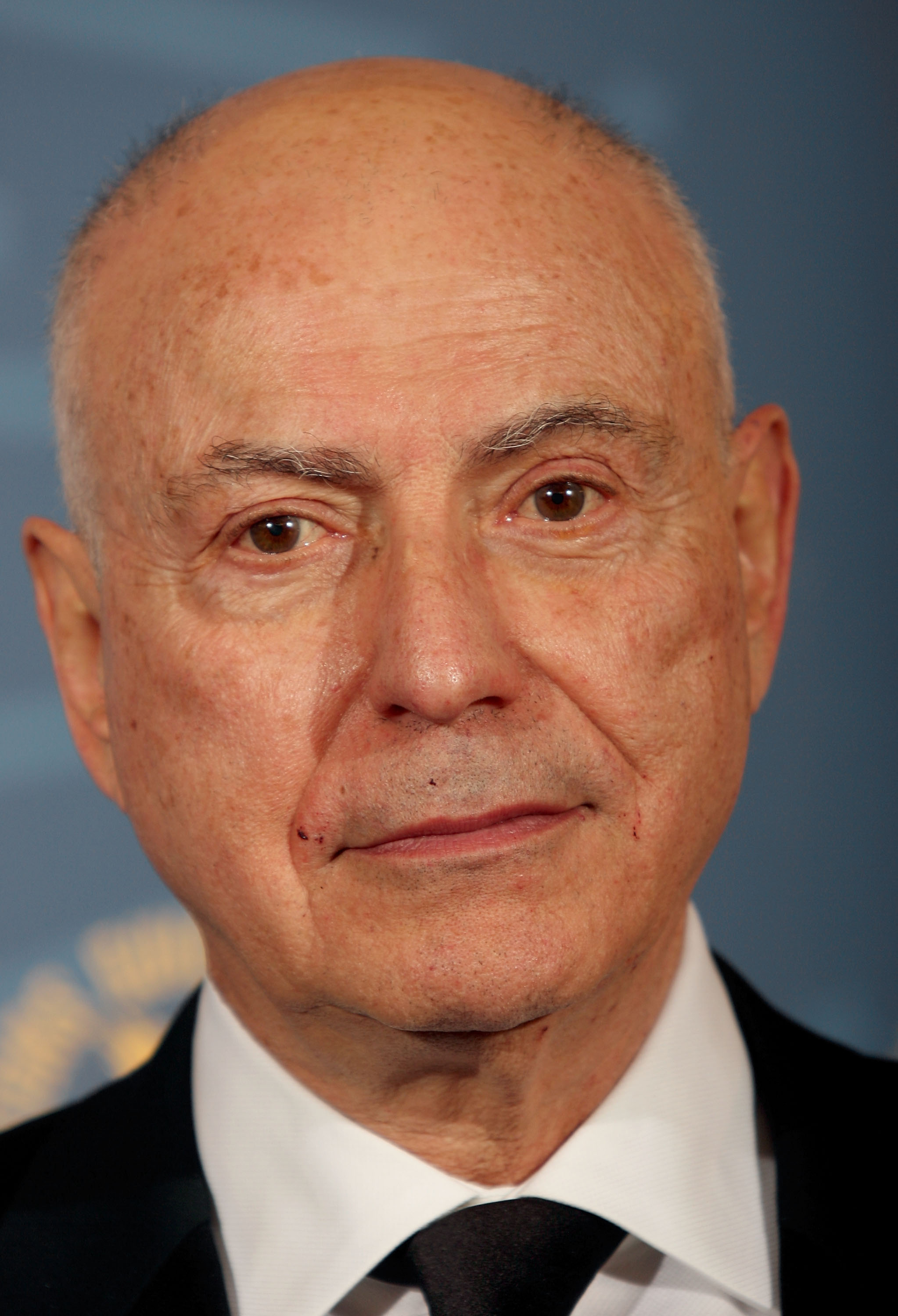
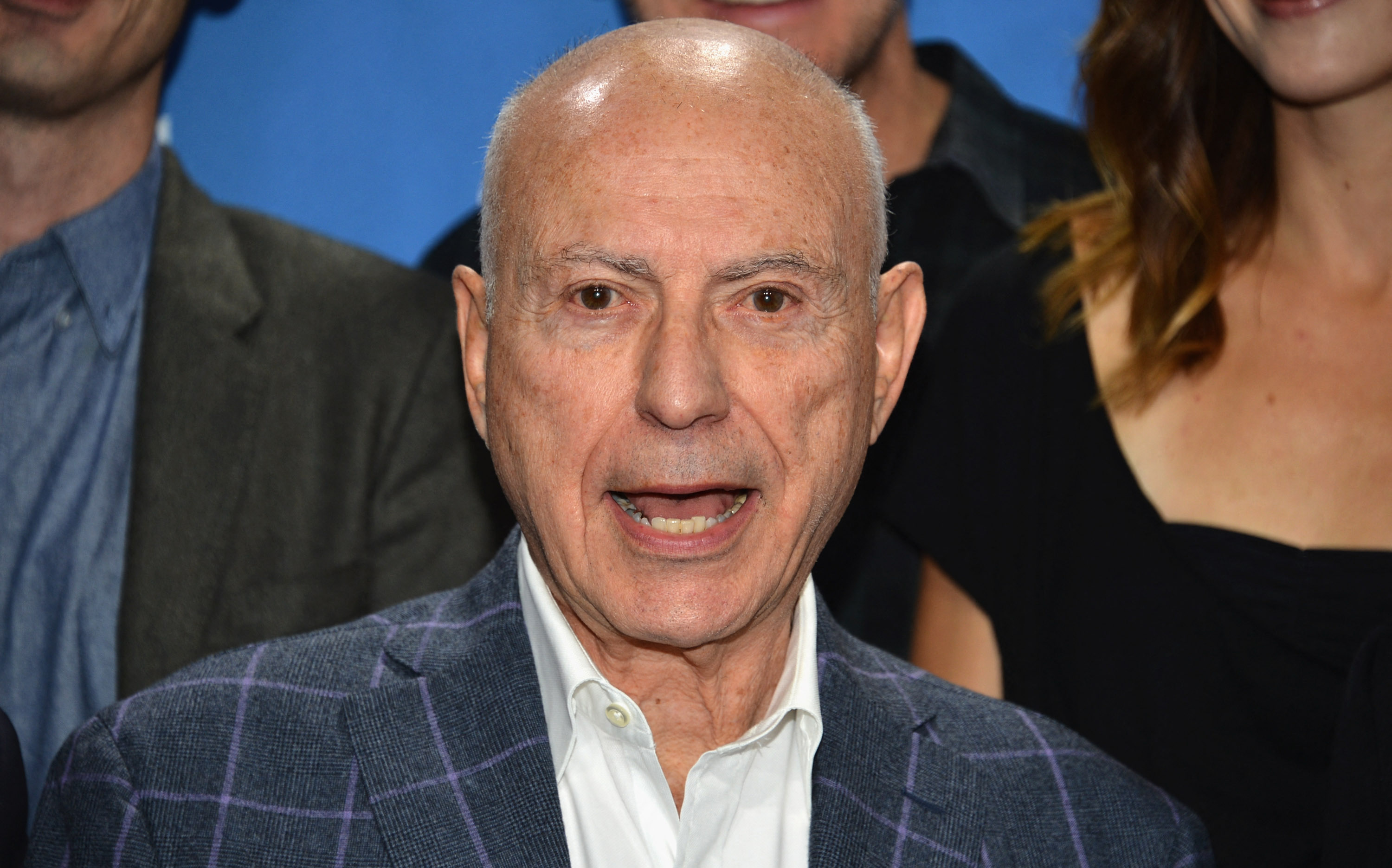
Alan Arkin was an Academy Award-winning American actor, director, musician, and author whose career spanned seven decades of transformative performances. Renowned for his dry wit and immense dramatic range, he is best known for his roles in Little Miss Sunshine, Argo, and The Russians Are Coming, the Russians Are Coming. Arkin passed away in June 2023 at the age of 89, leaving behind a definitive body of work that redefined the modern character actor.
The Foundation of an Improvisational Mindset
To understand Alan Arkin’s approach to acting, one must look back at his early years and his involvement with The Second City in Chicago. Arkin was not a "Method" actor in the traditional sense of Lee Strasberg or the Actors Studio. Instead, he was a product of improvisational theater. This background allowed him to remain exceptionally present in every scene, often prioritizing the ensemble's rhythm over individual spotlight-grabbing.
Arkin’s early career was also defined by his musical talents. In the 1950s, he was a member of the folk group The Tarriers, contributing to the "The Banana Boat Song" (Day-O). This rhythmic sensibility followed him into his acting; whether he was playing a frantic Russian sailor or a cynical Hollywood producer, his dialogue always possessed a specific, musical cadence. By the time he moved to Broadway and won a Tony Award for Enter Laughing in 1963, he had already mastered the art of "listening" on stage—a skill he credited for his longevity in the industry.
For modern viewers and students of film in 2026, Arkin’s work serves as a primary text on the importance of spontaneity. He famously preferred minimal takes and was known to become frustrated with directors who over-analyzed a scene. For Arkin, the truth of a character lived in the initial, instinctive reaction to a co-star’s delivery.
Breakthrough Success and the 1960s Lead Era
Alan Arkin’s transition from stage to screen was remarkably swift and successful. In 1966, he starred in The Russians Are Coming, the Russians Are Coming, a Cold War satire that earned him his first Academy Award nomination for Best Actor. It is rare for an actor to receive a leading-man nomination for their film debut, but Arkin’s portrayal of Lieutenant Rozanov displayed a unique blend of vulnerability and comedic timing that immediately resonated with audiences.
Following this success, Arkin refused to be pigeonholed. In 1967, he took on the terrifying role of Roat in Wait Until Dark, playing a psychopathic criminal opposite Audrey Hepburn. This role demonstrated his ability to pivot from comedy to chilling intensity, a duality that would define his career. He followed this with The Heart Is a Lonely Hunter (1968), earning another Oscar nomination for his sensitive, near-silent performance as John Singer.
These early roles established Arkin as a "chameleon." While his contemporaries often built a "star persona" that they carried from film to film, Arkin disappeared into his characters. This versatility ensured that even as he aged out of traditional leading-man roles, his career did not decline; instead, it evolved into a series of high-profile character roles that often stole the show from the primary stars.
The Evolution into a Definitive Character Actor
The 1970s and 1980s saw Arkin diversifying his portfolio, often taking roles that subverted audience expectations. In Catch-22 (1970), he played Yossarian, capturing the existential dread and absurdity of Joseph Heller’s protagonist. This period marked Arkin's shift toward becoming one of the industry's most reliable supporting players—a role he embraced with intellectual rigor.
One of his most significant ensemble contributions came in 1992 with Glengarry Glen Ross. Playing George Aaronow, the most timid and beaten-down of the real estate salesmen, Arkin provided a necessary emotional anchor to a film dominated by high-decibel performances from Al Pacino and Alec Baldwin. His performance in this film is frequently cited by acting coaches as a lesson in "playing the subtext," as his character’s silence says more than the script’s most aggressive monologues.
Arkin's ability to ground a scene allowed him to work across all genres, from the cult classic Edward Scissorhands (1990) to the action-comedy Grosse Pointe Blank (1997). He became the "actor's actor," someone whom directors hired when they needed a performance that felt lived-in rather than performed.
Late-Career Renaissance: Little Miss Sunshine and Beyond
In 2006, Alan Arkin experienced a career resurgence that introduced him to a new generation. His role as Edwin Hoover, the foul-mouthed, heroin-snorting, but deeply loving grandfather in Little Miss Sunshine, earned him the Academy Award for Best Supporting Actor. The role was a distillation of everything Arkin did best: it was hilarious, abrasive, and unexpectedly moving.
The "Arkin Renaissance" continued into the 2010s with his role as Lester Siegel in Ben Affleck’s Argo (2012). His delivery of the line "Argo fuck yourself" became an instant piece of cinematic history and earned him his fourth Oscar nomination. Even in his 80s, Arkin remained a formidable presence on screen, eventually moving into television with The Kominsky Method. His chemistry with Michael Douglas in the series earned him multiple Emmy and Golden Globe nominations, proving that his dry, deadpan delivery was just as effective in a long-form streaming format as it was on the silver screen.
Technical Analysis of Alan Arkin’s Filmography
The following table highlights the pivotal films that defined Arkin's career trajectory, illustrating his range across different decades and genres.
| Year | Film Title | Role | Key Recognition/Impact |
|---|---|---|---|
| 1966 | The Russians Are Coming... | Lt. Rozanov | Academy Award Nomination (Best Actor) |
| 1967 | Wait Until Dark | Roat | Established his range as a villain |
| 1968 | The Heart Is a Lonely Hunter | John Singer | Academy Award Nomination (Best Actor) |
| 1970 | Catch-22 | Capt. John Yossarian | Iconic portrayal of literary anti-hero |
| 1976 | The Seven-Per-Cent Solution | Sigmund Freud | Showcase of intellectual character work |
| 1992 | Glengarry Glen Ross | George Aaronow | Masterclass in ensemble acting |
| 2006 | Little Miss Sunshine | Edwin Hoover | Academy Award Winner (Best Supporting Actor) |
| 2012 | Argo | Lester Siegel | Academy Award Nomination (Best Supporting Actor) |
| 2018 | The Kominsky Method | Norman Newlander | Emmy-nominated television performance |
Contributions Beyond Acting: Directing and Writing
Alan Arkin was a true multi-hyphenate, though his work behind the camera and on the page is often overshadowed by his acting. He directed several films, most notably the dark comedy Little Murders (1971), which captured the chaotic and violent energy of New York City in that era. His directorial style mirrored his acting: he prioritized the performers and sought to capture an organic, often uncomfortable, sense of reality.
As an author, Arkin penned several books, including children's stories and memoirs. His 2011 memoir, An Improvised Life, provides an in-depth look at his philosophy on creativity. In it, he discusses his struggles with the pressures of Hollywood and how he found peace through meditation and a return to his improvisational roots. He argued that the best work comes from a state of "not knowing," where the actor is as surprised by the character’s actions as the audience is.
Arkin's writing reveals a man who was deeply skeptical of celebrity culture but profoundly committed to the craft of storytelling. This perspective allowed him to maintain a sense of integrity throughout his career, rarely taking "paycheck roles" unless he felt there was something humanly interesting about the character.
How to Study the Arkin Method
For those looking to understand the technical depth of Alan Arkin's work, a specific viewing order is recommended to see the progression of his style. Unlike many actors who become more "mannered" as they get older, Arkin seemed to strip away more and more artifice as his career progressed.
- Watch the Silence: Start with The Heart Is a Lonely Hunter. Observe how Arkin communicates complex internal states without the use of dialogue.
- Analyze the Timing: Watch The Russians Are Coming, the Russians Are Coming followed by Argo. Note how his "deadpan" style evolved from a tool for broad comedy into a tool for sharp, cynical realism.
- The Ensemble Study: Watch Glengarry Glen Ross. Pay attention to Arkin when he is not speaking. His reactions to the other actors provide the emotional "weather" of the scene.
- Read the Philosophy: Supplement the viewing with An Improvised Life. This provides the internal context for why he makes specific choices on screen, particularly his focus on breath and presence.
By studying Arkin, actors and film enthusiasts can learn that the most powerful performances often come from restraint rather than exaggeration. He taught the industry that being a "character actor" was not a consolation prize for not being a lead—it was a specialized, highly difficult discipline that allowed for a much longer and more diverse career.
Frequently Asked Questions
Did Alan Arkin win an Oscar?
Yes, Alan Arkin won the Academy Award for Best Supporting Actor in 2007 for his role as Edwin Hoover in Little Miss Sunshine. Throughout his career, he received a total of four Oscar nominations: two for Best Actor (The Russians Are Coming, the Russians Are Coming and The Heart Is a Lonely Hunter) and two for Best Supporting Actor (Little Miss Sunshine and Argo).
What was Alan Arkin's first major movie?
His first major feature film role was as Lieutenant Rozanov in the 1966 comedy The Russians Are Coming, the Russians Are Coming. It was a breakout performance that earned him an immediate Academy Award nomination, a rare feat for a debut performance in a lead role.
Was Alan Arkin in The Second City?
Yes, Alan Arkin was an early and influential member of The Second City in Chicago during the 1960s. He credited the improvisational training he received there as the most significant influence on his acting style, teaching him how to stay present and reactive in a scene.
How many children did Alan Arkin have?
Alan Arkin had three sons: Adam, Matthew, and Anthony Arkin. All three followed in their father's footsteps to become actors and directors. Adam Arkin is particularly well-known for his extensive work in television, including roles in Chicago Hope and Sons of Anarchy.
Where can I read more about Alan Arkin's acting philosophy?
The best source for his philosophy is his memoir, An Improvised Life, published in 2011. He also wrote Out of My Mind (2020), which explores his spiritual journey and his thoughts on the nature of consciousness and creativity.
Practical Next Steps for Enthusiasts
To truly appreciate Alan Arkin’s contribution to cinema as of 2026, one should explore his filmography beyond the major Oscar-winning hits. Seeking out his directorial work, such as Little Murders, offers a glimpse into his unique, darkly comedic worldview. Additionally, listening to his early folk recordings with The Tarriers provides a complete picture of his artistic beginnings. His legacy is one of intellectual curiosity and artistic bravery, serving as a reminder that a career in the arts is best treated as a lifelong "improvised" journey rather than a pre-scripted path to fame.