Alaina Urquhart is a multifaceted professional known for her unique intersection of careers in medical science and the true crime entertainment industry. Serving as both a practicing autopsy technician and an influential podcast creator, she has carved out a distinct niche by blending clinical precision with compelling forensic storytelling, effectively bridging the gap between professional pathology and public consumption.
Professional Foundations in Forensic Science
At the core of Alaina Urquhart’s professional identity is her background as an autopsy technician. Working within the highly specialized field of forensic pathology, she operates in an environment where precision, ethics, and technical rigor are non-negotiable. An autopsy technician is responsible for assisting a forensic pathologist in the examination of decedents, a role that requires a deep understanding of human anatomy, toxicology, and the chain of custody required for legal proceedings.
Her work involves the logistical and physical preparation of bodies for examination, the preservation of evidence, and the documentation of trauma or natural causes of death. This experience provides the authentic, technical foundation that distinguishes her media projects from purely entertainment-based true crime content. By grounding her public persona in the realities of her clinical work, Urquhart provides an educational dimension to the often-sensationalized genre of true crime.
The Rise of Morbid: A Podcast Journey
Urquhart gained significant prominence as the co-host of the true crime podcast Morbid, which she launched alongside Ash Kelley. Established in 2018, the podcast quickly grew into a massive cultural phenomenon. Its success is attributed to the chemistry between the hosts and their commitment to highlighting the human elements behind criminal cases.
In the landscape of 2026, Morbid remains a fixture in the podcasting ecosystem. The structure of the show typically balances intense research with personal commentary, a format that fostered a highly engaged community known for its social interaction and charitable initiatives. Her role in the podcast represents a pivot from the singular focus of autopsy work to the broader demands of media production, distribution, and audience management. This transition highlights the growing demand for creators who possess "on-the-ground" professional credentials to interpret complex forensic information for a lay audience.
Professional Differentiators and Content Approach
Urquhart’s approach is defined by a specific methodology: the use of authoritative, technical language translated into accessible narrative arcs. Unlike true crime creators who rely solely on public records or journalism, she integrates insights from the autopsy room. This often includes explaining the "how" of post-mortem changes or the mechanics of forensic testing, which provides listeners with a more visceral understanding of investigative procedures.
This approach requires maintaining a delicate balance between professional ethics and public transparency. As a practitioner of forensic medicine, she must adhere to strict protocols regarding confidentiality and the respectful treatment of victims. Her content curation intentionally avoids the voyeuristic pitfalls of the genre, opting instead for a victim-centered perspective that prioritizes historical context and forensic accuracy.
Comparative Overview of Media Roles
| Role Type | Primary Focus | Technical Requirement | Audience Engagement |
|---|---|---|---|
| Autopsy Technician | Clinical Pathology | Anatomy & Legal Protocols | Medical/Legal Teams |
| Podcast Host | Forensic Storytelling | Narrative & Rhetoric | General Public/Community |
| Author | Creative Writing | Character & Plot Development | Literary Consumers |
Expansion into Fiction: The Butcher and the Wren
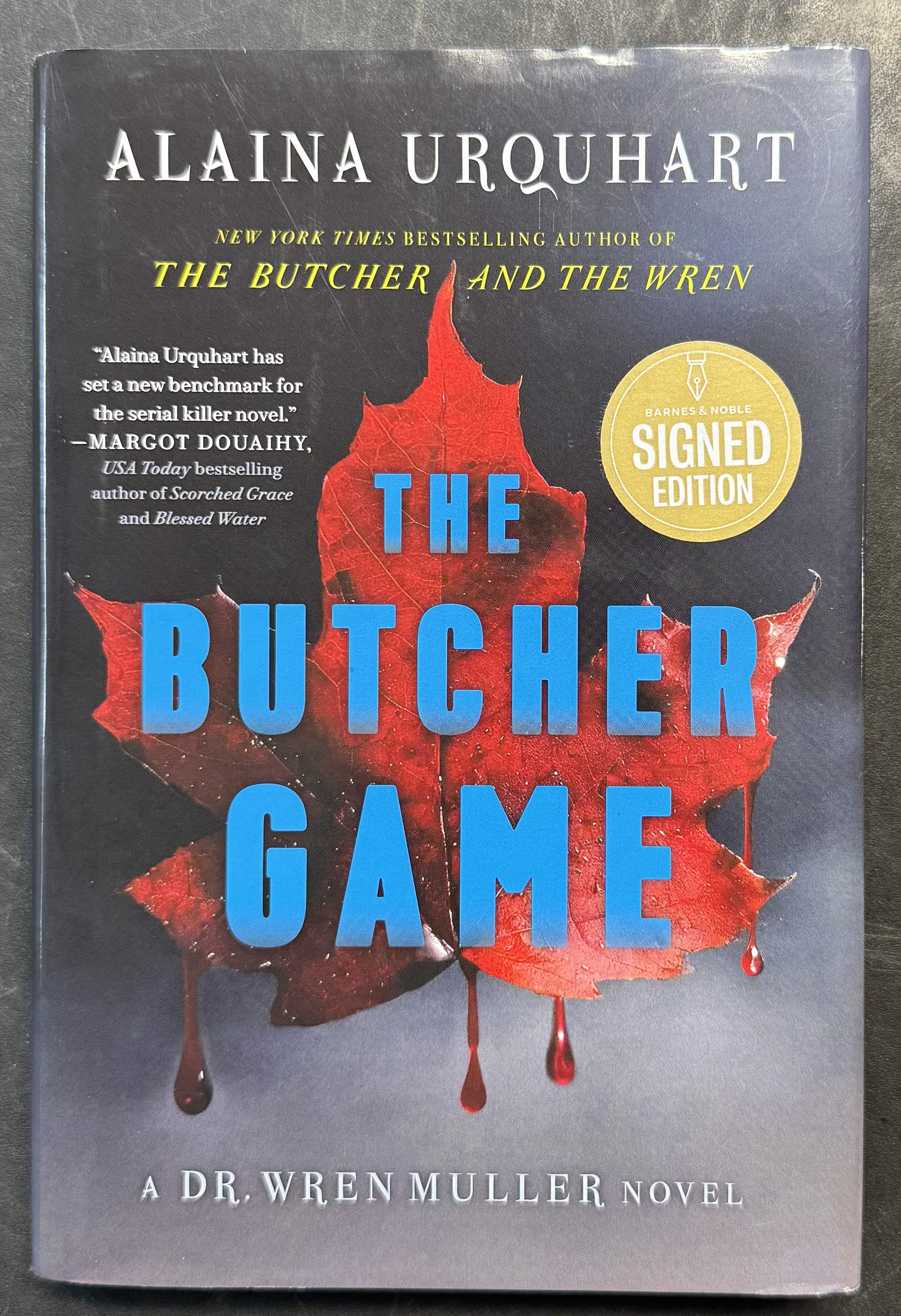
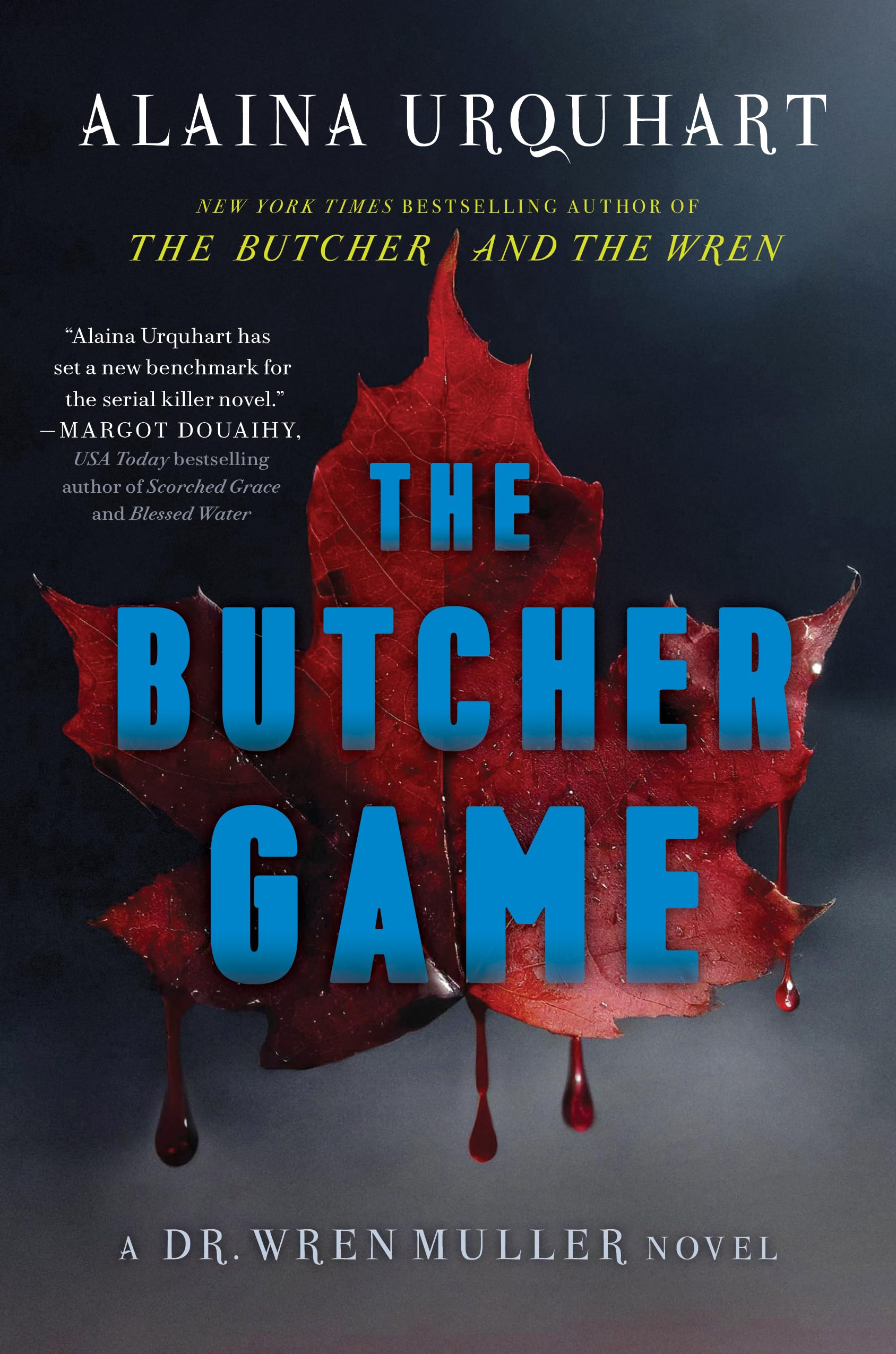
In addition to her nonfiction media work, Urquhart transitioned into professional authorship with the publication of her novel, The Butcher and the Wren. The book reflects her deep familiarity with the psychological and forensic elements of crime, centering on the pursuit of a serial killer through the eyes of a forensic pathologist.
The publication of this work demonstrates an evolution from observing crime scenes to constructing them. For audiences, it serves as a synthesis of her expertise. The novel allows her to explore the nuances of investigative work that may be difficult to convey in a short podcast episode, such as the slow, methodical pace of laboratory analysis or the psychological toll of serial crime investigations on first responders. Her success in fiction signifies the maturity of her brand, moving from a medium that relies on public interest in true crime to a medium that leverages her specific technical expertise for creative intellectual property.
Navigating the Intersection of Ethics and Entertainment
The true crime genre faces persistent criticism regarding the potential for exploitation. For creators like Urquhart, this environment creates a mandatory requirement for ethical rigor. Her career demonstrates a commitment to "forensic integrity," where the primary goal is not merely the delivery of shock value, but the accurate representation of forensic science and the acknowledgement of the lives impacted by crime.
Readers and listeners interested in following this career path should note the specific educational and professional requirements needed to replicate this level of credibility. A standard path into forensic technology involves:
- Formal education in biological sciences or mortuary science.
- Certification or state-level licensure in pathology assistance or forensic tech.
- Clinical experience, often gained in county or state medical examiner offices.
By fulfilling these prerequisites, individuals ensure that their contributions to public discourse are supported by verifiable, hands-on experience, rather than secondary research alone.
Frequently Asked Questions
How does Alaina Urquhart’s medical background influence her podcast content?
Her clinical training ensures that the forensic details discussed on Morbid are based on professional, rather than speculative, knowledge. She frequently provides context on how death investigations actually proceed, which helps debunk common misconceptions perpetuated by fictional television procedurals.
What is the core focus of her debut novel, The Butcher and the Wren?
The book is a psychological thriller that pits a forensic pathologist against a serial killer. It serves as a creative outlet for her to explore the forensic science concepts and procedural complexities that she encounters in her real-world profession, translated into a narrative format.
Is forensic pathology a required career for entering true crime media?
It is not required, but it is a distinct competitive advantage. Many creators rely on investigative journalism or historical research. However, professionals with specialized backgrounds in forensic science, law enforcement, or criminal psychology provide a unique layer of credibility that is highly valued by modern podcast audiences.
How does she maintain work-life balance between two high-stress industries?
While specifics of personal scheduling are private, professional success in dual fields requires compartmentalization. Balancing the visceral nature of forensic work with the creative output of podcasting and writing necessitates strict boundaries and the ability to pivot between clinical tasks and public-facing media responsibilities.
Where can one find her official publications and media projects?
Her media presence is primarily centered on the Morbid podcast and her literary works released through major publishing houses. As of 2026, these are available through standard audio streaming services, podcast platforms, and established retail bookstores.
Recommended Steps for Aspiring Forensic Communicators
If you aim to bridge the gap between technical expertise and public education, start by solidifying your domain knowledge. Do not attempt to build a platform on second-hand information; instead, cultivate a deep, verifiable understanding of a specific scientific or legal niche. Once you have established your credentials through formal education or long-term industry experience, focus on identifying the "technical gap" in your field—the concepts that the public is interested in but that are rarely explained accurately in popular media. By consistently prioritizing accuracy over engagement-driven sensationalism, you can build a sustainable, respected presence in both professional and public spheres.