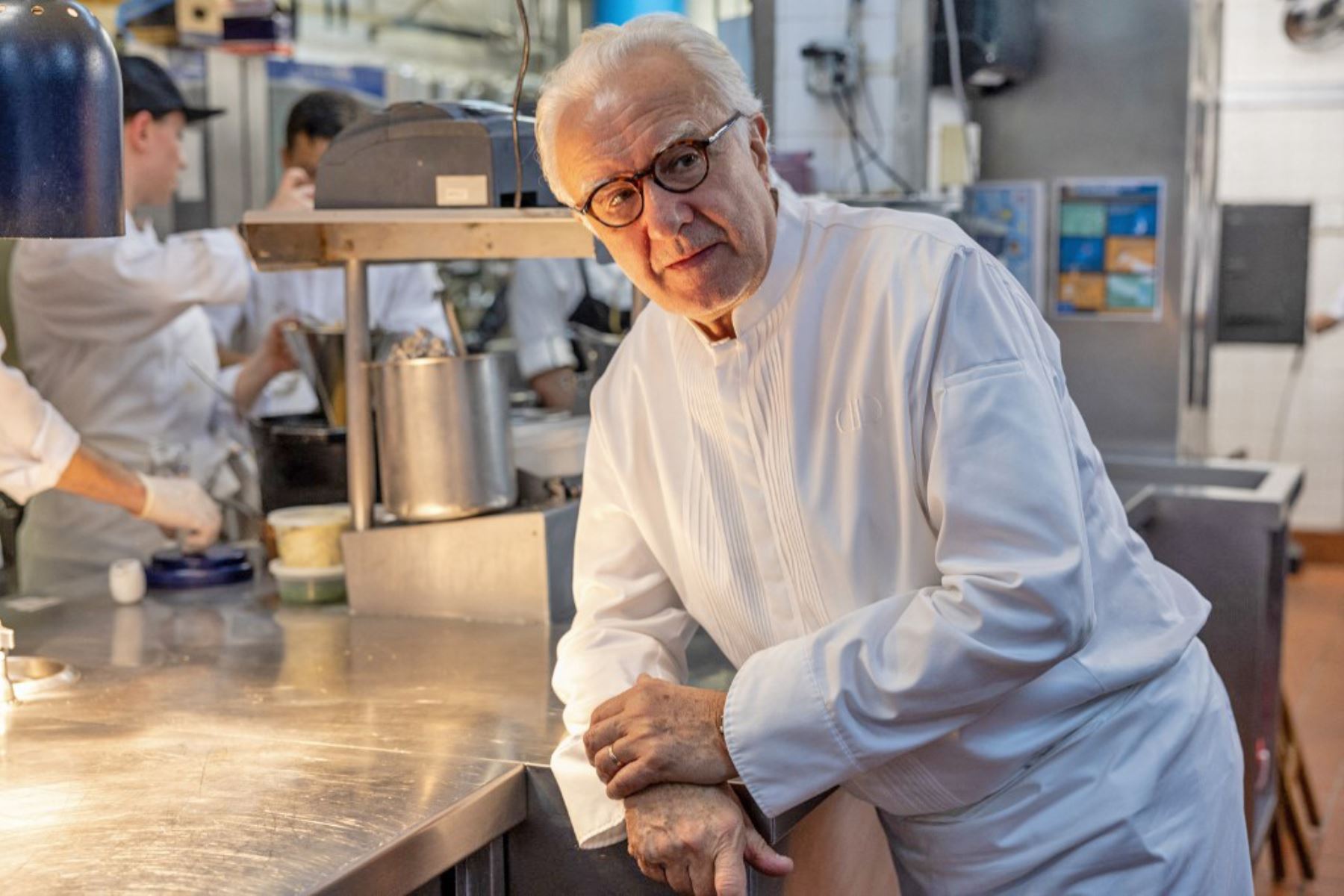
Alain Ducasse’s approach to culinary excellence combines rigorous French technique with profound respect for seasonal ingredients, transforming foundational masterclass concepts into precise, flavor-forward dishes. This guide examines the philosophy, core recipes, structural methodologies, and technical requirements underpinning the legendary chef’s instructional programs.
Understanding the Culinary Philosophy of Alain Ducasse
To execute recipes inspired by an Alain Ducasse chef masterclass, home cooks and professionals alike must understand that his methodology prioritizes the integrity of the product over heavy masking agents, complex chemical modifications, or excessive butter and cream. Ducasse advocates for a minimalist approach where natural flavors are accentuated through exacting heat control, razor-sharp knife skills, and a deep understanding of provenance.
In a typical masterclass setting, the curriculum is designed to strip away culinary pretense. Students are taught to evaluate vegetables, meats, and seafood based on texture, ripeness, and origin. This focus changes how recipes are approached. Instead of treating a recipe as a rigid list of static steps, Ducasse’s philosophy treats a recipe as a dynamic blueprint. The cook must adapt to the seasonal variations of the ingredients. A carrot harvested in early spring requires a vastly different cooking time and hydration strategy than a storage carrot from late winter. Consequently, mastering these recipes requires sensory awareness: listening to the sizzle of a pan, smelling the aromatic evolution of roasting bones, and tasting continuously throughout the preparation process.
Essential Equipment and Kitchen Prerequisites
Executing high-level French culinary techniques demands professional-grade tools. While you do not need a commercial restaurant kitchen, standard domestic gadgets often fall short of the precision required for masterclass-level execution.
Precision is paramount when preparing components that rely on exact thermal thresholds. Below is an overview of the mandatory equipment and their specific roles in achieving Ducasse-level results:
| Equipment Category | Specific Tool | Primary Culinary Function | Minimum Specification |
|---|---|---|---|
| Cutlery | Chef's Knife (Gyuto or French) | Precision brunoise, chiffonade, and butchery | 8 to 10-inch forged high-carbon stainless steel |
| Cookware | Heavy-Bottom Copper or Cast Iron | Even heat distribution for searing and simmering | 2.5mm thick copper with stainless steel interior |
| Thermal Control | Instant-Read Digital Thermometer | Monitoring internal meat and fish temperatures | Accurate to within plus or minus 0.5 degrees Celsius |
| Straining | Chinois (Fine Mesh Cone Strainer) | Achieving velvety smooth sauces and consommés | Reinforced stainless steel mesh with wooden pestle |
Beyond hardware, ingredient preparation requires strict adherence to mise en place—the meticulous gathering and pre-measuring of all components before heat touches pan. In a Ducasse-inspired kitchen, trying to chop shallots while a sauce reduces is considered a critical operational failure. Every element must be washed, peeled, measured, and positioned within arm's reach to maintain absolute focus on cooking times.
Core Techniques: From Stock to Plating
Masterclass recipes are built upon a hierarchy of foundational techniques. Without mastering these building blocks, attempting advanced plates will yield inconsistent results.
The Foundation of Extraction: Stocks and Juices
Ducasse’s savory recipes rely heavily on jus and light, intensely flavored broths rather than heavy, flour-thickened roux-based sauces. Creating a proper veal or poultry jus involves roasting bones until deeply caramelized, deglazing with high-quality wine or aromatics, and simmering for hours while continuously skimming impurities. The goal is to concentrate natural collagen until the liquid coats the back of a spoon naturally, offering a glossy finish and a rich mouthfeel without excess fat.
Thermal Management in Searing and Roasting
Proteins must be tempered before cooking. Introducing a cold steak or fish fillet to a hot pan drops the surface temperature, causing steaming rather than the desired Maillard reaction. Masterclass training emphasizes preheating pans thoroughly, using high-smoke-point oils, and exercising restraint—allowing the protein to develop an unhurried, golden-brown crust before attempting to flip or move it.
Vegetable Preservation and Textural Contrast
Vegetables are treated as primary headliners rather than passive side dishes. Techniques such as gentle confiting in olive oil, rapid blanching and shock-cooling in ice water, or roasting whole in salt crusts lock in natural sugars while preserving distinct textural contrasts. A single vegetable dish might feature a purée, a crisp raw shaving, and a tender braised piece, demonstrating how diverse preparations of the same ingredient create depth on the plate.
Step-by-Step Execution: Roasted Sea Bass with Fennel and Citrus Emulsion
To illustrate these principles, consider a classic masterclass dish: a whole roasted sea bass paired with caramelized fennel and a vibrant citrus reduction emulsion. This recipe highlights the balance of clean marine flavors with aromatic botanicals and acidity.
- Ingredient Preparation: Secure a whole, scaled, and gutted sea bass (approximately 1.2 kilograms). Clean two large fennel bulbs, reserving the delicate fronds. Segment two blood oranges or grapefruits, ensuring all white pith is removed.
- Aromatic Cavity Stuffing: Score the thickest parts of the fish flanks diagonally twice on each side. Season the abdominal cavity generously with fine sea salt, freshly cracked white pepper, sliced garlic cloves, fresh thyme sprigs, and a drizzle of extra virgin olive oil.
- The Fennel Base: Slice the fennel bulbs thinly on a mandoline. Sauté the slices in a heavy-bottomed pan with olive oil over medium-low heat until they soften and take on a golden caramel hue, approximately 15 minutes. Deglaze the pan with a splash of dry white wine.
- Roasting Process: Preheat your oven to 200 degrees Celsius (392 Fahrenheit). Lay the caramelized fennel across the bottom of a roasting dish to act as a natural rack. Place the sea bass on top. Drizzle the fish with olive oil and roast for 18 to 22 minutes, depending on thickness, until the internal temperature reaches 58 degrees Celsius at the bone.
- Citrus Emulsion Finish: In a separate small saucepan, reduce freshly squeezed citrus juice with a shallot reduction and a splash of fish fumet by half. Whisk in cold, cubed unsalted butter piece by piece off the heat to create a glossy, stable emulsion. Season with salt and pepper.
- Plating: Gently lift the fish fillets away from the central bone. Serve atop a bed of the braised fennel, and spoon the warm citrus emulsion around the perimeter. Garnish with reserved fennel fronds.
Common Mistakes and Troubleshooting in Masterclass Cooking
Even experienced home cooks encounter friction when translating professional masterclass concepts into everyday execution. Recognizing common pitfalls prevents culinary errors.
A frequent error is thermal shock during protein searing. When a pan is insufficiently heated, meat sticks to the surface, tearing the delicate outer crust and leaving behind flavorful browned bits (fond) that burn rather than deglaze. Always test your pan with a drop of water; it should dance across the surface in a single bead (Leidenfrost effect) before adding oil.
Another widespread mistake is over-reduction of sauces. Cooks often panic when a sauce looks too thin and dial up the heat, causing delicate dairy fats to break or delicate herbal notes to turn bitter. Sauces must reduce gently at a controlled simmer. If a sauce breaks, rescuing it often requires whisking in a tablespoon of ice-cold water or heavy cream off the heat to re-emulsify the fat droplets.
Finally, seasoning should be cumulative rather than applied all at once at the very end. Seasoning ingredients at different stages of cooking draws out moisture appropriately (such as salting eggplant or cucumbers in advance) and builds layers of flavor that single-point seasoning cannot achieve.
Frequently Asked Questions
What makes an Alain Ducasse masterclass unique compared to other online cooking courses?
Ducasse’s masterclasses focus on sensory literacy, ingredient provenance, and foundational French technique rather than rigid memorization of specific recipe steps. Students learn to cook by touch, taste, and observation, enabling them to adapt to seasonal changes and substitute ingredients without losing the structural integrity of a dish.
Are Alain Ducasse recipes suitable for novice home cooks?
Yes, provided the cook is willing to slow down and practice fundamental knife skills and thermal control. While the finished plates look sophisticated, the underlying techniques are broken down into logical steps that prioritize basic preparation and patience over complex gadgets.
What is the philosophy behind Ducasse's "Naturality" culinary movement?
The Naturality movement focuses on three core pillars: health, nature, and sustainability. It minimizes the use of heavy animal fats, sugar, and salt, highlighting instead the inherent flavors of vegetables, grains, and sustainably sourced seafood and meats.
How can I replace professional-grade ingredients in Ducasse recipes?
If specific luxury items like wild turbot or rare truffles are unavailable, substitute them with fresh, locally available, sustainable equivalents that share similar textural and fat profiles, such as striped bass or seasonal wild mushrooms. The key is freshness and seasonality rather than the specific label of the ingredient.
Why is resting meat crucial in high-end culinary execution?
Resting allows muscle fibers, which tighten up under high heat, to relax and reabsorb moisture. If carved immediately, the precious juices will run out onto the cutting board, resulting in a dry protein. Resting for 5 to 10 minutes ensures even distribution of flavor and tenderness throughout the cut.