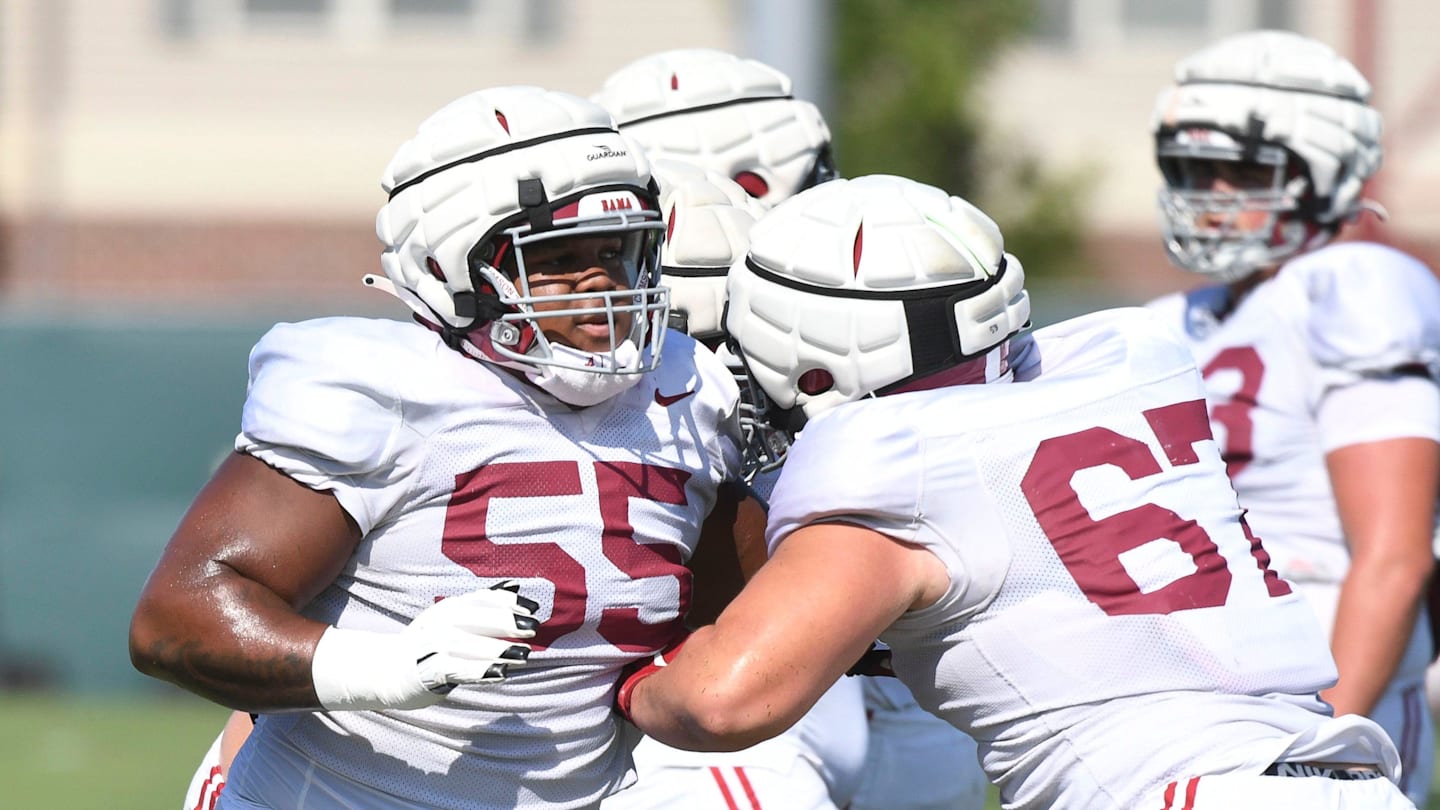
When an Alabama Crimson Tide player proposes a shocking update that gets unveiled to the public, it instantly shifts the landscape of collegiate sports conversations. These high-profile announcements often touch on critical aspects of modern athletic programs, ranging from name, image, and likeness (NIL) shifts and transfer portal decisions to locker room culture and structural program changes. Understanding these developments requires looking past the initial media frenzy to examine the underlying motivations, athletic department responses, and broader implications for college football as a whole.
Understanding the Anatomy of a High-Profile Program Announcement
In the modern era of collegiate athletics, player-driven announcements carry immense weight. Unlike previous decades where communication flowed strictly through coaching staffs and sports information directors, contemporary athletes utilize direct-to-consumer digital platforms, media appearances, and interviews to share updates regarding their careers and programs. When a prominent player from a powerhouse program like Alabama makes a statement that is labeled shocking or transformative, it typically follows months of internal negotiations, locker room evaluations, or personal career re-assessments.
The term "update unveiled" usually signifies a pivot point. Whether it concerns a sudden entry into the NCAA transfer portal, a public critique of training methods, an endorsement of a new locker room protocol, or a bold prediction about upcoming championship runs, these revelations force athletic departments to react quickly. Analysts and fans scrutinize every word for clues about team morale, coaching philosophies, and player retention challenges.
Key Factors Driving Modern Player Revelations
Several interconnected pressures influence why and how players release major updates regarding their status or program conditions.
- The Transfer Portal Influence: The flexibility of the NCAA transfer portal means player status is perpetually fluid. Announcements often involve complex calculations regarding playing time, offensive or defensive schemes, and future professional prospects.
- NIL Partnerships and Media Brands: Elite players have built-in media followings. Releasing an update via personal channels allows athletes to control their narrative, maximize brand value, and engage directly with supporters.
- Locker Room Accountability: Program culture at elite institutions like Alabama relies on strict peer leadership. When a player steps forward with public revelations about team standards, it often reflects a desire to spark immediate internal changes.
- Health, Safety, and Wellness: Updates concerning training regimes, recovery protocols, or physical readiness occasionally bring medical and structural team operations into the public spotlight.
| Factor | Primary Driver | Typical Outcome | Impact on Program |
|---|---|---|---|
| Transfer Portal | Playing time & future draft stock | Public entry or withdrawal announcement | Roster adjustment and depth chart shifts |
| NIL & Branding | Personal monetization & reach | Direct-to-consumer video or statement | Increased media scrutiny and fan engagement |
| Culture & Leadership | Locker room standards & accountability | Public challenge or motivational declaration | Immediate internal alignment or tension |
| Health & Training | Recovery, workload, and longevity | Disclosure of physical protocols or adjustments | Medical staff review and protocol updates |
The Role of Coaching Staffs and Athletic Administration in Managing Disclosures
When an unexpected player update surfaces, the immediate response from the coaching staff and athletic administration sets the tone for how the story evolves. Head coaches face the delicate task of balancing public relations with internal team discipline. Media availability sessions become critical battlegrounds where coaches must address rumors, defend program integrity, and protect the mental well-being of the student-athlete.
In most cases, athletic departments employ crisis communication strategies to mitigate fallout. If the update involves a grievance or a contested team policy, administrators typically facilitate closed-door meetings to resolve internal friction before it disrupts game preparations. Conversely, if the update is positive or progressive—such as an initiative led by team captains to improve community outreach or player welfare—the administration will amplify the message to reinforce a strong institutional culture.
Broader Implications for College Football Regulations
Developments originating from prominent programs frequently ripple across the entire collegiate sports ecosystem. Because the Alabama Crimson Tide operates in the upper echelon of college football, any internal shift that becomes public serves as a case study for other programs navigating the same regulatory environment.
For instance, structural complaints or proposed operational changes highlighted by players often prompt discussions among athletic directors and conference commissioners. Issues surrounding practice hours, travel accommodations, mental health support, and compensation fairness regularly move from locker room whispers to national policy debates once a high-profile player brings them to light. Consequently, these unveiled updates act as catalysts for institutional evolution within the NCAA framework.
How Fans and Analysts Interpret Breaking Athletic News
Navigating the influx of sports media commentary requires a discerning approach. When a shocking update is unveiled, sensationalized headlines often overshadow nuanced realities. Observers should evaluate breaking news through a structured lens to separate verifiable facts from speculation.
- Verify the Source: Confirm whether the update comes directly from the player's verified channels or an accredited, reliable sports journalist.
- Examine the Context: Look at the timing of the announcement in relation to the team's schedule, transfer windows, or contract/NIL renewal cycles.
- Assess Official Responses: Wait for statements from the head coach, athletic director, or sports information office before accepting rumors as established facts.
- Consider Long-Term Consequences: Determine whether the update represents an isolated incident or part of a broader trend within the sport.
Frequently Asked Questions
What usually triggers a shocking update from a major college football player?
Most sudden updates are driven by career mobility decisions like the transfer portal, NIL considerations, locker room leadership initiatives, or disagreements over team protocols and training conditions.
How do coaching staffs handle unexpected public announcements from players?
Coaches generally address the situation internally first to maintain team unity, followed by controlled public statements aimed at protecting the program's culture and minimizing distraction during the season.
Do player announcements impact NCAA regulations?
Yes, high-profile disclosures from players at major programs frequently highlight systemic issues that later influence conference policies, transfer rules, and student-athlete welfare standards.
Where can fans find verified updates regarding player status?
Reliable updates are best sourced from verified player social media accounts, official university athletic department releases, and established beat reporters covering the specific team.
Are player-led updates common in modern college athletics?
With the rise of personal branding and relaxed communication restrictions, players are increasingly comfortable using their platforms to share career milestones and program perspectives directly.
Strategic Response and Next Actions for Program Observers
For fans, analysts, and stakeholders following these developments, the most effective approach is patience and sustained observation. Rather than reacting to initial emotional waves or speculative reporting, track how the athletic department adjusts its operations in the days following the announcement. Monitor official press conferences, roster updates, and subsequent player media availability to gauge the true magnitude of the unveiled update. Maintaining an objective viewpoint ensures a clear understanding of how these pivotal moments shape the ongoing evolution of collegiate athletics.