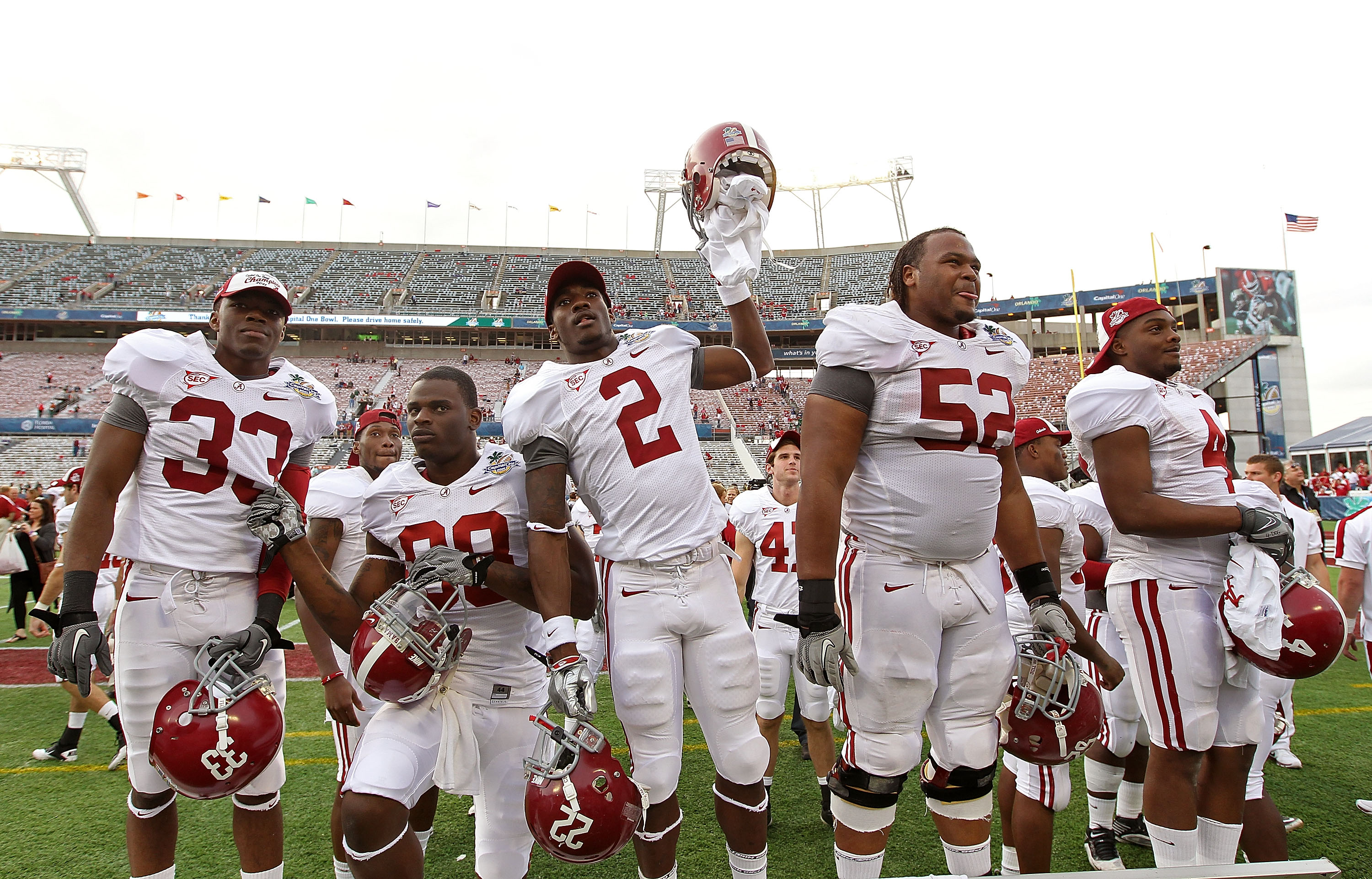
Alabama football stands as one of the most storied, systematically successful, and culturally dominant programs in American collegiate athletics, characterized by a tradition of elite coaching, rigorous player development, and passionate national following. Operating within the NCAA Division I Football Bowl Subdivision (FBS) as a premier member of the Southeastern Conference (SEC), the program commands a massive operational footprint, extensive media coverage, and an enduring legacy of national championships that place it at the pinnacle of college sports history.
Historical Foundations and Championship Heritage
The origins of the University of Alabama varsity football team trace back to the late 19th century, with the inaugural game played on November 11, 1892, against Birmingham High School. The program steadily established regional prominence in the early decades before experiencing a transformative era under the leadership of coach Wallace Wade, who guided the Crimson Tide to their first Rose Bowl victory in 1926. This watershed moment projected southern intercollegiate athletics onto the national stage and set a precedent for future success.
The defining architect of Alabama's historical prestige, however, was Paul "Bear" Bryant. Taking over the program in 1958, Bryant engineered a twenty-five-year tenure characterized by tactical innovation, psychological discipline, and sustained excellence. Under Bryant's direction, the team secured six national championships and numerous SEC titles, cementing Tuscaloosa as a central hub of football prowess. The subsequent eras, including notable tenures under coaches like Gene Stallings and later modern dynasties, maintained this standard of competitive dominance, ensuring that the program remained perennially ranked among the nation's elite.
The Modern Era of Strategic Dominance
The modern phase of Alabama football achieved unprecedented stability and national prominence under head coach Nick Saban, who led the program from 2007 through his retirement in January 2024. Saban implemented a comprehensive organizational framework often termed "The Process," which prioritized meticulous attention to detail, continuous self-improvement, emotional regulation, and relentless execution over raw scoreboard outcomes. This philosophical approach transformed the Crimson Tide into an organizational powerhouse that consistently out-recruited and out-prepared opponents.
During this modern apex, the program secured multiple national championships within a span of a decade and a half, regularly dominating the SEC Western Division and establishing a formidable presence in the College Football Playoff (CFP) structure. The pipeline from Tuscaloosa to the National Football League (NFL) expanded exponentially, with dozens of players drafted in the first round and establishing successful professional careers. Following Saban's retirement, the university appointed Kalen DeBoer as head coach, tasking him with sustaining the program's elite competitive standards within an evolving collegiate athletics landscape characterized by new postseason formats and regulatory changes.
Recruiting, Development, and Talent Pipelines
Sustaining a championship-caliber roster requires a sophisticated infrastructure dedicated to talent acquisition and physical conditioning. The university invests heavily in state-of-the-art facilities, specialized coaching staffs, and advanced sports science methodologies designed to maximize player output and mitigate injury risks. Recruiting operates on a national scale, drawing elite high school prospects from across the United States through a combination of brand prestige, academic support systems, and a proven track record of placing student-athletes into professional leagues.
| Era/Coach | Years Active | National Championships | Operational Philosophy |
|---|---|---|---|
| Wallace Wade | 1923–1930 | 3 | Physical defense, foundational national exposure |
| Paul "Bear" Bryant | 1958–1982 | 6 | Discipline, tactical execution, talent maximization |
| Gene Stallings | 1990–1996 | 1 | Power running game, stout defensive identity |
| Nick Saban | 2007–2023 | 6 | "The Process," data-driven recruitment, comprehensive depth |
Player development extends beyond on-field tactics to encompass academic counseling, nutritional programming, and strength conditioning regimens. The athletic department maintains rigorous performance standards, requiring student-athletes to balance demanding practice schedules with academic degree progress. This holistic developmental model ensures high graduation success rates while preparing individuals for careers either in professional sports or diverse corporate sectors.
The Financial and Cultural Impact on the University
The economic footprint of Alabama football extends far beyond athletic department revenues, serving as a significant driver of the university's broader financial health and institutional visibility. Game-day weekends in Tuscaloosa generate substantial local and regional economic activity, benefiting hospitality, retail, and transportation sectors. Broadcasting rights agreements, merchandise sales, and ticket revenues generate millions of dollars, which directly subsidize non-revenue-producing varsity sports within the athletic department.
Culturally, the program serves as a focal point for alumni engagement and statewide identity. Bryant-Denny Stadium, with a seating capacity exceeding 100,000 spectators, regularly operates at maximum capacity, creating one of the most formidable home-field advantages in American sports. The traditions surrounding game days—ranging from the elephant mascot to the resonant strains of the "Yea Alabama" fight song—reinforce a deep sense of community and shared heritage among millions of supporters worldwide.
Navigating Regulatory Shifts and Future Outlook
As collegiate athletics enters a transformative period marked by Name, Image, and Likeness (NIL) legislation, transfer portal flexibilities, and impending College Football Playoff expansion to a twelve-team format, Alabama football must continuously adapt its administrative and strategic approaches. Retaining competitive equilibrium requires balancing traditional institutional values with modern financial and legal realities. Program leadership continuously refines its operational models to ensure compliance with changing NCAA bylaws while maintaining the rigorous standards necessary to contend annually for national titles.
Frequently Asked Questions
How many national championships has Alabama football won?
The University of Alabama officially claims 18 national championships in football, spanning eras from the early 20th century under coaches like Wallace Wade to the modern dominance engineered by Nick Saban. These titles are recognized by a combination of NCAA-designated major selectors, historical polls, and consensus polling bodies.
Where do home games take place, and what is the stadium capacity?
Home games are played at Bryant-Denny Stadium, located on the university campus in Tuscaloosa, Alabama. Following extensive expansions and renovations over the decades, the facility accommodates more than 100,000 seated patrons, making it one of the largest and most acoustically imposing venues in college athletics.
What is "The Process" associated with the football program?
"The Process" is a philosophical framework popularized by former head coach Nick Saban that emphasizes relentless attention to detail, individual accountability, and absolute focus on daily execution rather than long-term outcomes or external expectations. It serves as the cultural and operational foundation for player preparation and organizational discipline.
How does the expanded College Football Playoff format affect the program?
The expansion of the College Football Playoff to a twelve-team bracket alters postseason strategy by increasing the number of high-stakes elimination games required to claim a national title. This expanded format places a premium on roster depth, injury management, and sustained late-season performance across an extended competitive calendar.
What are the primary academic requirements for football student-athletes?
Student-athletes must meet initial NCAA eligibility standards regarding core high school courses and standardized test scores, followed by continuous progress-toward-degree benchmarks enforced by both the university and the conference office. The athletic department provides comprehensive tutoring, structured study halls, and academic mentoring to ensure compliance and degree completion.
To engage effectively with the ongoing legacy and contemporary developments of Alabama football, supporters and analysts should monitor official university athletic communications, track regulatory adjustments within the Southeastern Conference, and evaluate roster movements through verified athletic portals.