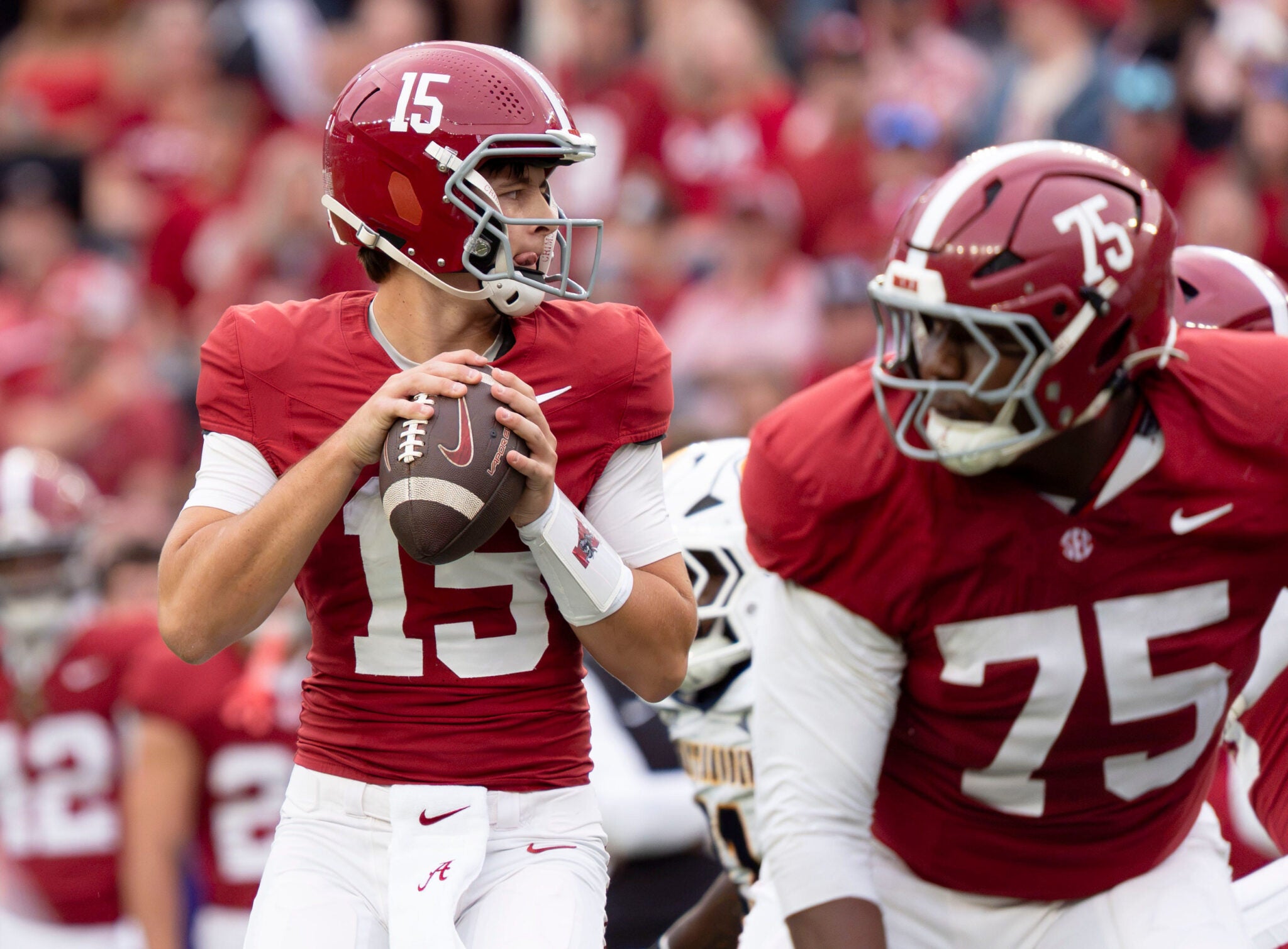
The Alabama Crimson Tide represents the intercollegiate athletic teams of the University of Alabama, competing primarily in NCAA Division I as a member of the Southeastern Conference. Renowned for a storied history in collegiate football under legendary coaches like Paul "Bear" Bryant and Nick Saban, the program encompasses a wide range of men's and women's sports that consistently achieve national prominence.
Historical Foundations and Program Origins
The University of Alabama athletic program traces its roots to the late 19th century, with football officially beginning in 1892. The nickname "Crimson Tide" originated during a 1907 football game against Auburn played in a sea of red mud in Birmingham, where sports writer Hugh Roberts described the team as a crimson tide fighting valiantly against the odds. Over the decades, this moniker expanded from the football squad to define the entire athletic department, symbolizing tenacity, tradition, and competitive excellence across all sports.
Throughout the early and mid-20th century, the program established regional prominence, but it ascended to national prestige under the leadership of Paul "Bear" Bryant, who coached the football team from 1958 to 1982. Bryant secured six national championships and built a culture of discipline and physical toughness that laid the groundwork for modern collegiate athletic success. Following Bryant's tenure, subsequent coaches including Gene Stallings maintained championship standards before the modern era ushered in unprecedented dominance.
Athletic Conference Affiliation and the Southeastern Conference
As a charter member of the Southeastern Conference, the Alabama Crimson Tide participates in one of the most competitive athletic conferences in the United States. The SEC governs regular-season competition, conference championships, and postseason qualification pathways for numerous sports. Membership in this conference provides substantial institutional visibility, rigorous competition levels, and significant revenue distribution through media rights agreements, which directly support facility maintenance, coaching staff compensation, and student-athlete scholarship funding.
Navigating the SEC requires high-level performance across diverse athletic disciplines, from football and basketball to gymnastics, softball, and golf. The competitive density of the conference frequently positions Crimson Tide teams against top-tier national opponents, serving as a demanding proving ground that prepares student-athletes for national postseason tournaments and NCAA championships.
Examining Major Sports Programs Within the Department
While football remains the cultural anchor of the athletic department, the University of Alabama fields successful varsity teams across multiple sports. Each program operates with specialized coaching staffs, dedicated training facilities, and distinct competitive schedules that contribute to the overall institutional standing in the annual Learfield Directors' Cup standings.
Football Operations and Culture
The football program stands as the most visible component of the Alabama Crimson Tide. Operating out of the Mal M. Moore Athletic Facility and playing home games at Bryant-Denny Stadium, the program has secured numerous consensus national championships and SEC titles. The modern era, highlighted by the tenure of Nick Saban from 2007 through 2023, redefined collegiate football standards through elite recruiting, advanced sport science integration, and disciplined execution. Following Saban's retirement, the program continues its operational framework under head coach Kalen DeBoer, maintaining a focus on competitive rigor and player development.
Basketball, Gymnastics, and Olympic Sports
Beyond the gridiron, the men's and women's basketball programs compete at a high level within the SEC, utilizing Coleman Coliseum for home events. The men's basketball program reached significant milestones, including deep runs in the NCAA Tournament under head coach Nate Oats, emphasizing an up-tempo, analytically driven style of play. Meanwhile, the women's gymnastics team, historically known as "Gym Alabama," has captured multiple national championships under legendary leadership, establishing a standard of excellence within collegiate gymnastics. Additional sports such as softball, baseball, soccer, track and field, and golf regularly produce All-Americans and contend for conference and national honors.
Facilities, Investment, and Economic Impact
The success of the Alabama Crimson Tide is underpinned by continuous capital investment in athletic infrastructure. Over the past two decades, the university has completed multi-million-dollar renovations to Bryant-Denny Stadium, Coleman Coliseum, and various sport-specific practice complexes. These upgrades feature advanced recovery centers, nutrition hubs, film study rooms, and state-of-the-art strength and conditioning areas designed to optimize athlete performance and reduce injury risks.
| Facility Name | Primary Sport | Key Features and Upgrades |
|---|---|---|
| Bryant-Denny Stadium | Football | Expanded seating capacity, premium club spaces, modern video boards |
| Coleman Coliseum | Basketball, Gymnastics | Dedicated practice courts, updated locker rooms, fan amenities |
| Mal M. Moore Athletic Facility | Football Operations | Administrative offices, weight room, indoor practice field |
| Sewell-Thomas Stadium | Baseball | Modernized press box, chairback seating, player development center |
Financial operations for the athletic department are managed through self-sustaining revenue models, relying on ticket sales, corporate sponsorships, SEC media distributions, and philanthropic contributions through the Crimson Tide Foundation. This financial structure ensures that athletic expenditures do not draw from academic operating budgets, while simultaneously generating substantial local economic activity in Tuscaloosa during home game weekends.
Academic Support and Student-Athlete Development
The mission of the Alabama Crimson Tide extends beyond athletic competition to encompass academic achievement and personal growth. The Mal M. Moore Academic Achievement Center provides comprehensive educational support services, including mandatory study hours, individual tutoring, academic counseling, and career transition programs.
Student-athletes are held to strict NCAA and university eligibility standards, requiring continuous progress toward a recognized degree. The academic support framework has yielded numerous Academic All-Americans, graduation success rates that rank competitively within the conference, and postgraduate fellowship recipients. This holistic approach ensures that participants are equipped for professional careers outside of athletics upon the completion of their collegiate eligibility.
Frequently Asked Questions
What sports are included in the Alabama Crimson Tide athletic department?
The department sponsors over 17 varsity sports, including football, men's and women's basketball, baseball, softball, gymnastics, soccer, volleyball, men's and women's golf, men's and women's tennis, cross country, and track and field. Each sport competes under the Crimson Tide banner within the NCAA Division I framework.
How did the Alabama athletic teams get the name Crimson Tide?
The nickname originated from a 1907 football game against Auburn played in heavy red mud in Birmingham. A sports writer covering the contest described the resilient Alabama team fighting through the challenging field conditions like a crimson tide, and the name permanently replaced earlier monikers.
Where do the Alabama Crimson Tide football and basketball teams play?
The football team plays its home games at Bryant-Denny Stadium on the University of Alabama campus in Tuscaloosa, which has a seating capacity exceeding 100,000. The basketball and gymnastics teams compete nearby at Coleman Coliseum.
What conference does Alabama compete in?
The Alabama Crimson Tide competes in the Southeastern Conference as a charter member. Within the SEC, the department participates against regional universities across all sponsored sports for regular-season titles and conference tournament championships.
How are athletic facilities and programs funded?
The athletic department operates as a self-sustaining entity that does not rely on university tuition or state tax funds. Revenue is generated through ticket sales, SEC media rights distributions, merchandise licensing, and private donations coordinated via the Crimson Tide Foundation.
Strategic Athletic Administration and Future Planning
Sustaining the competitive trajectory of the Alabama Crimson Tide requires ongoing strategic planning by university leadership and athletic directors. Administrators must navigate evolving collegiate athletics landscapes, including name, image, and likeness policies, changing transfer portal dynamics, and shifting media distribution models. By maintaining robust fundraising efforts, investing in cutting-edge sports technology, and prioritizing compliance and athlete well-being, the institution positions its programs to remain competitive at the highest levels of collegiate sports for future generations.