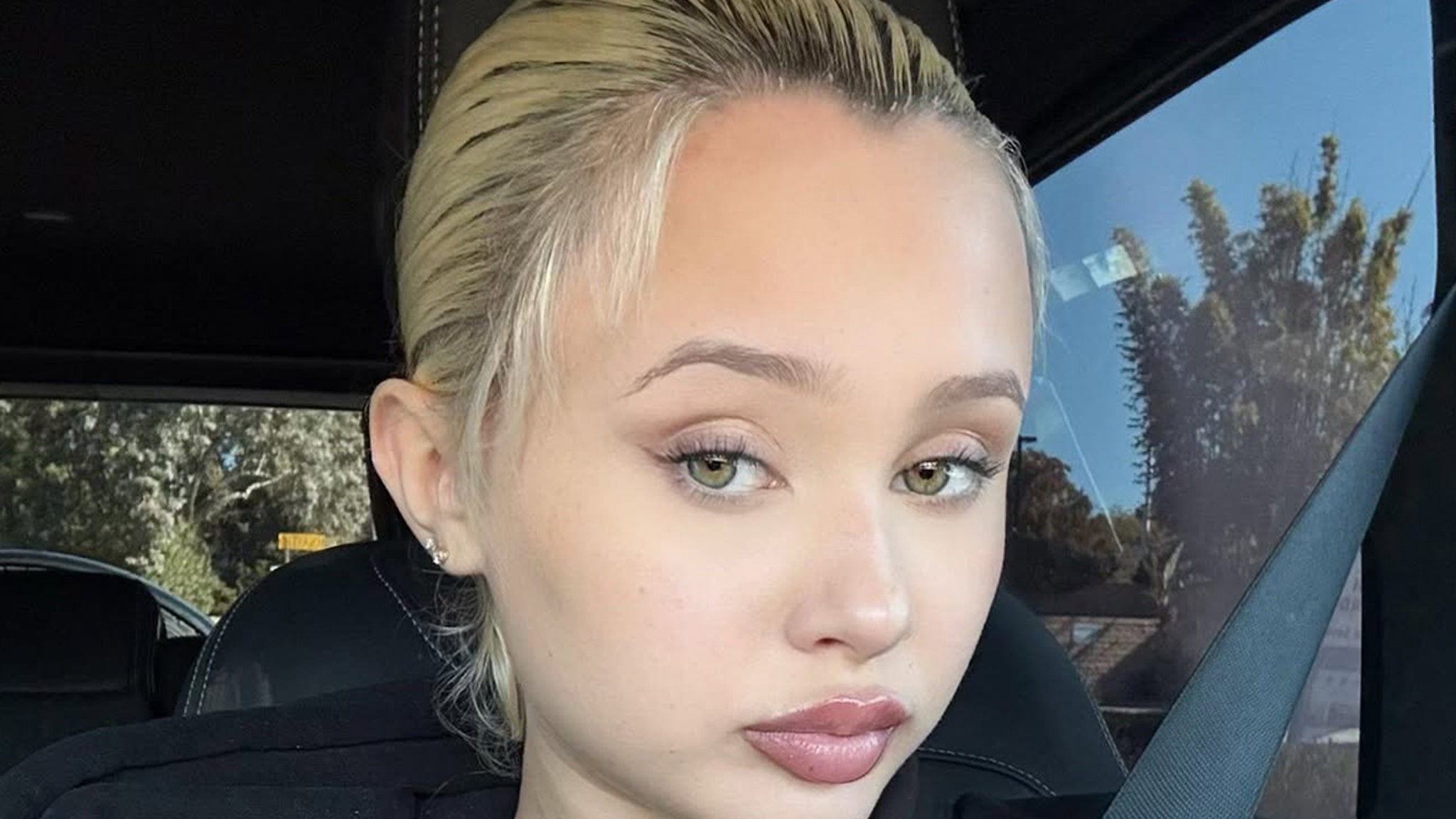
Alabama Barker has grown up in the public eye as a member of a prominent entertainment family, eventually establishing her own distinct presence across social media, the music industry, and fashion sectors. Daughter of Blink-182 drummer Travis Barker and former beauty queen Shanna Moakler, she navigates modern celebrity culture through digital platforms and artistic endeavors, reflecting the intersection of legacy influence and independent digital branding.
Family Background and Early Life in the Public Sphere
Born Alabama Luella Barker on December 24, 2005, she entered a household deeply embedded in the entertainment and music industries. Her father, Travis Barker, gained international fame as the powerhouse drummer for the rock band Blink-182, while her mother, Shanna Moakler, won the title of Miss USA in 1995 and pursued a career in modeling and acting. Growing up, Alabama and her brother Landon Barker appeared alongside their family in reality television programming, notably the MTV series Meet the Barkers, which documented their early domestic life.
The high-profile nature of her parents' divorce and subsequent media coverage meant that Alabama's childhood and adolescence unfolded largely within public scrutiny. Despite the media attention, her upbringing was heavily influenced by the creative environments of recording studios, music video sets, and fashion shoots. This early exposure provided her with an intuitive understanding of media presentation, brand management, and the mechanics of public relations long before she began launching her own professional projects.
Digital Presence and Social Media Influence
As digital platforms evolved, Alabama Barker transitioned from a reality television participant to a prominent internet personality in her own right. She amassed substantial followings across major platforms including TikTok, Instagram, and YouTube, where she shares lifestyle content, fashion choices, beauty tutorials, and glimpses into her daily routine. Her digital footprint expanded rapidly during her early teens, positioning her as part of a new generation of influencers whose primary connection to audiences occurs through short-form video and curated aesthetic presentations.
| Platform | Typical Content Focus | Audience Engagement Style |
|---|---|---|
| TikTok | Lip-syncing, viral trends, lifestyle vlogs | High-frequency short-form video interaction |
| High-fashion imagery, personal style, editorial shoots | Curated visual galleries and aesthetic branding | |
| YouTube | Vlogs, makeup routines, behind-the-scenes footage | Long-form personal narrative and direct address |
Managing a large-scale public persona from a young age has presented distinct challenges for Alabama. She has frequently spoken out on social media regarding public scrutiny, body image commentary, and the pressures of growing up online. Her digital strategy generally involves balancing polished editorial content with direct, unscripted engagement, allowing her to maintain a relatable connection with a younger demographic while navigating the complexities of modern digital fame.
Artistic Pursuits and Music Career Aspirations
Following in the footsteps of her father, Alabama has explored various avenues within the music industry, focusing primarily on vocal performance and songwriting. While Travis Barker established his legacy through punk rock and alternative drumming, Alabama has gravitated toward R&B, pop, and hip-hop influences, showcasing her vocal abilities through social media snippets and official single releases. Her musical journey involves navigating the expectations associated with her family name while carving out a distinct sonic identity.
Her early releases and studio sessions reflect a deliberate effort to establish credibility as an independent recording artist rather than relying solely on novelty interest. Collaborating with various producers and songwriters, she has utilized digital distribution platforms to release music directly to her fan base, bypassing traditional gatekeeping methods. This approach aligns with contemporary industry trends where digital natives leverage pre-existing social media audiences to launch and sustain music careers.
Fashion, Beauty, and Brand Collaborations
Beyond music and digital content creation, Alabama Barker has cultivated a strong presence in the fashion and beauty sectors. Her aesthetic blends contemporary streetwear with high-end luxury pieces, heavily influenced by 2000s fashion revivals and alternative subcultures. This distinctive style has attracted attention from fashion brands and independent designers looking to tap into her youth-oriented demographic.
| Category | Involvement Type | Key Characteristics |
|---|---|---|
| Fashion | Editorial modeling, brand styling | Alternative streetwear mixed with luxury labels |
| Beauty | Makeup tutorials, product endorsements | Bold cosmetics, Y2K aesthetic influences |
| Collaborations | Sponsored campaigns, capsule collections | Targeted digital marketing partnerships |
Her involvement in the beauty space mirrors broader industry shifts where young influencers dictate consumer trends through tutorial videos and product reviews. By partnering with cosmetic and apparel brands, Alabama has transitioned from a consumer of fashion trends to an active participant in commercial campaigns, establishing monetization streams that complement her digital content creation.
Navigating Public Scrutiny and Media Narratives
Navigating the intersection of family legacy and personal identity remains a central theme of Alabama Barker's public life. Because her family members—including her father, stepmother Kourtney Kardashian, and extended relatives—frequently occupy tabloid headlines, Alabama's personal milestones, styling choices, and public statements are often subject to intense media analysis and commentary.
In response, she has utilized her own channels to set the narrative regarding her personal life, career goals, and mental health. This direct line of communication allows public figures of her generation to bypass traditional media intermediaries, addressing rumors and public criticism on their own terms. Understanding her trajectory requires recognizing both the privileges of her background and the modern challenges of maintaining autonomy in an era of hyper-connectivity and constant digital observation.