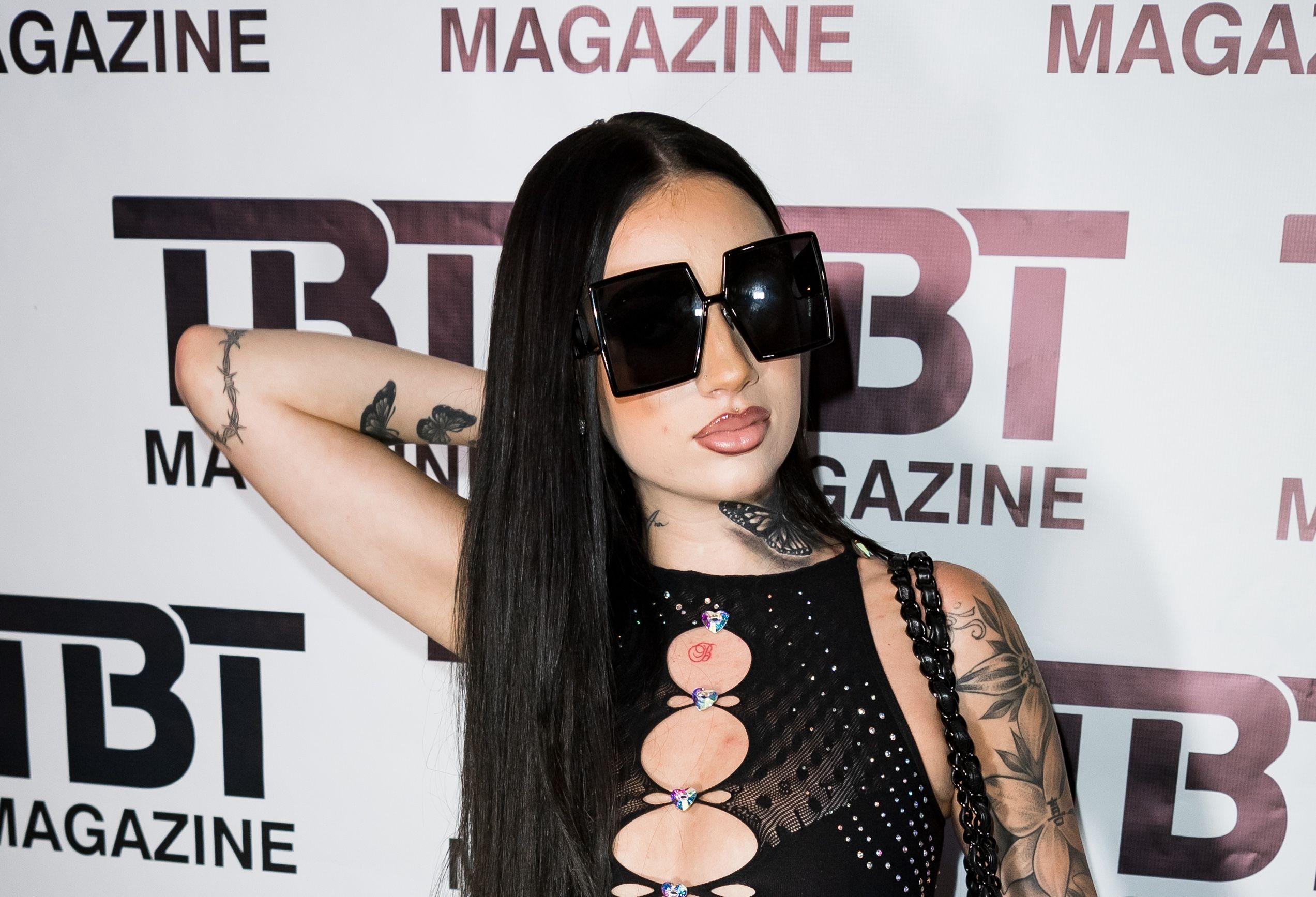
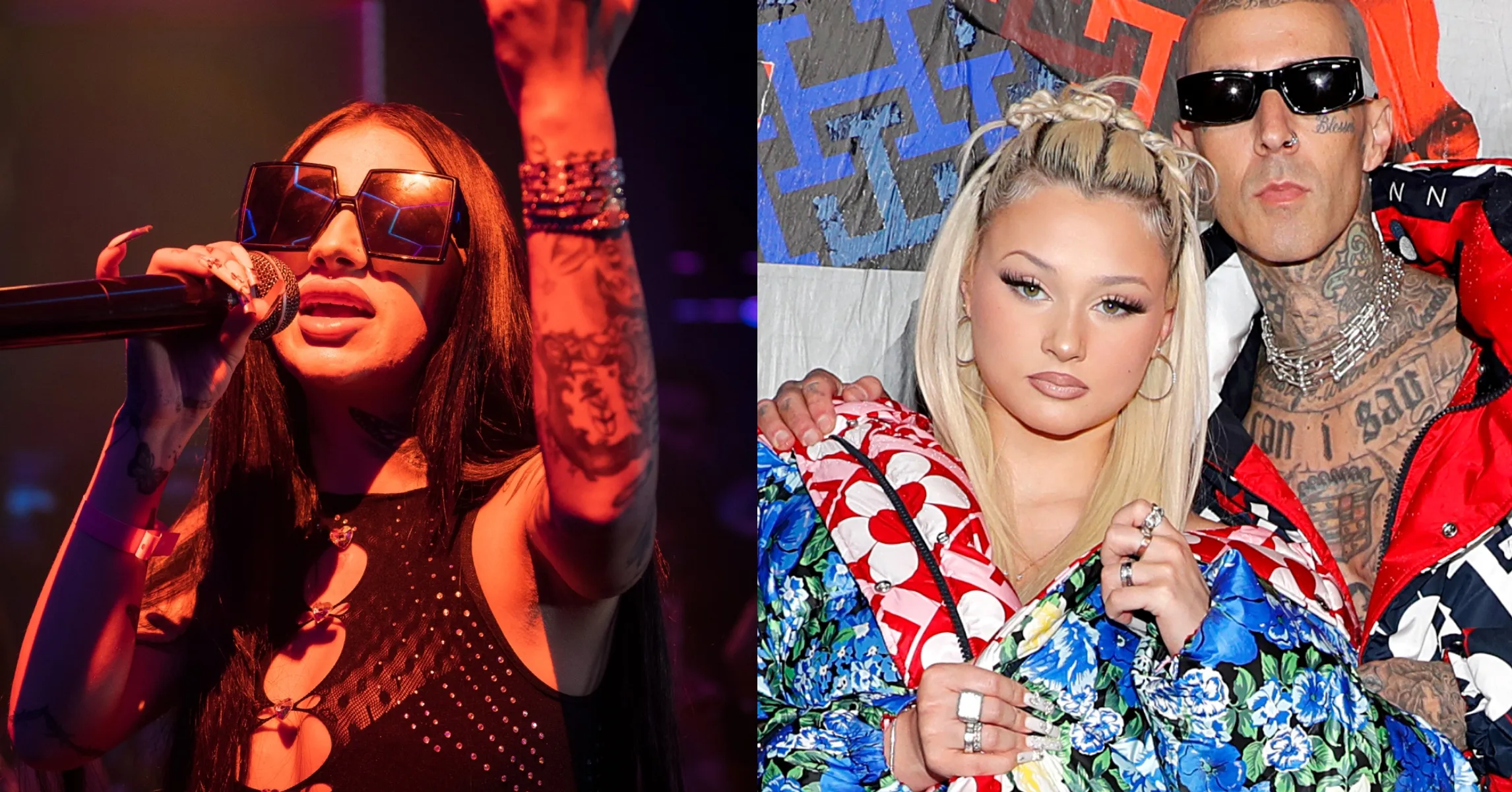
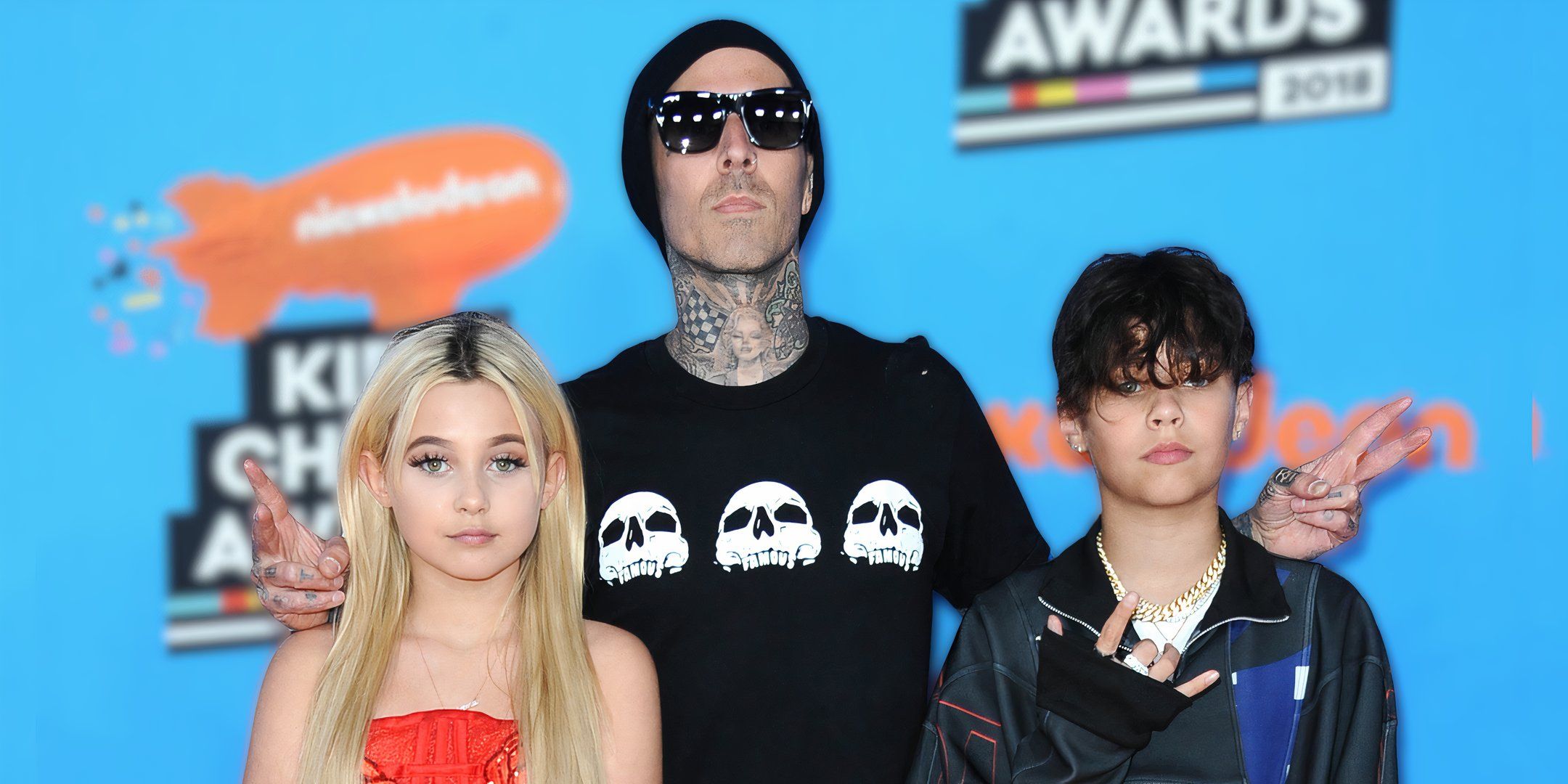
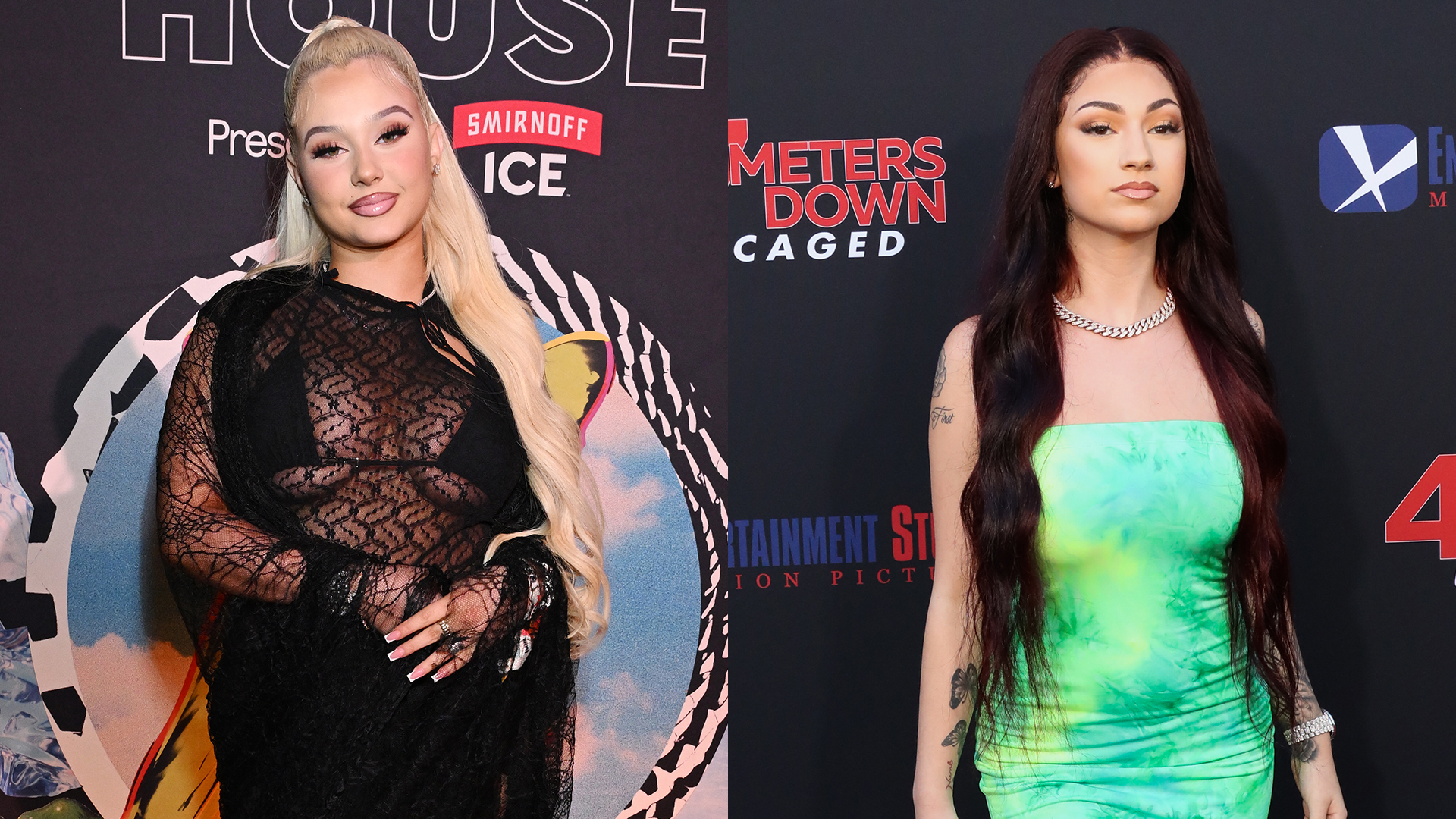
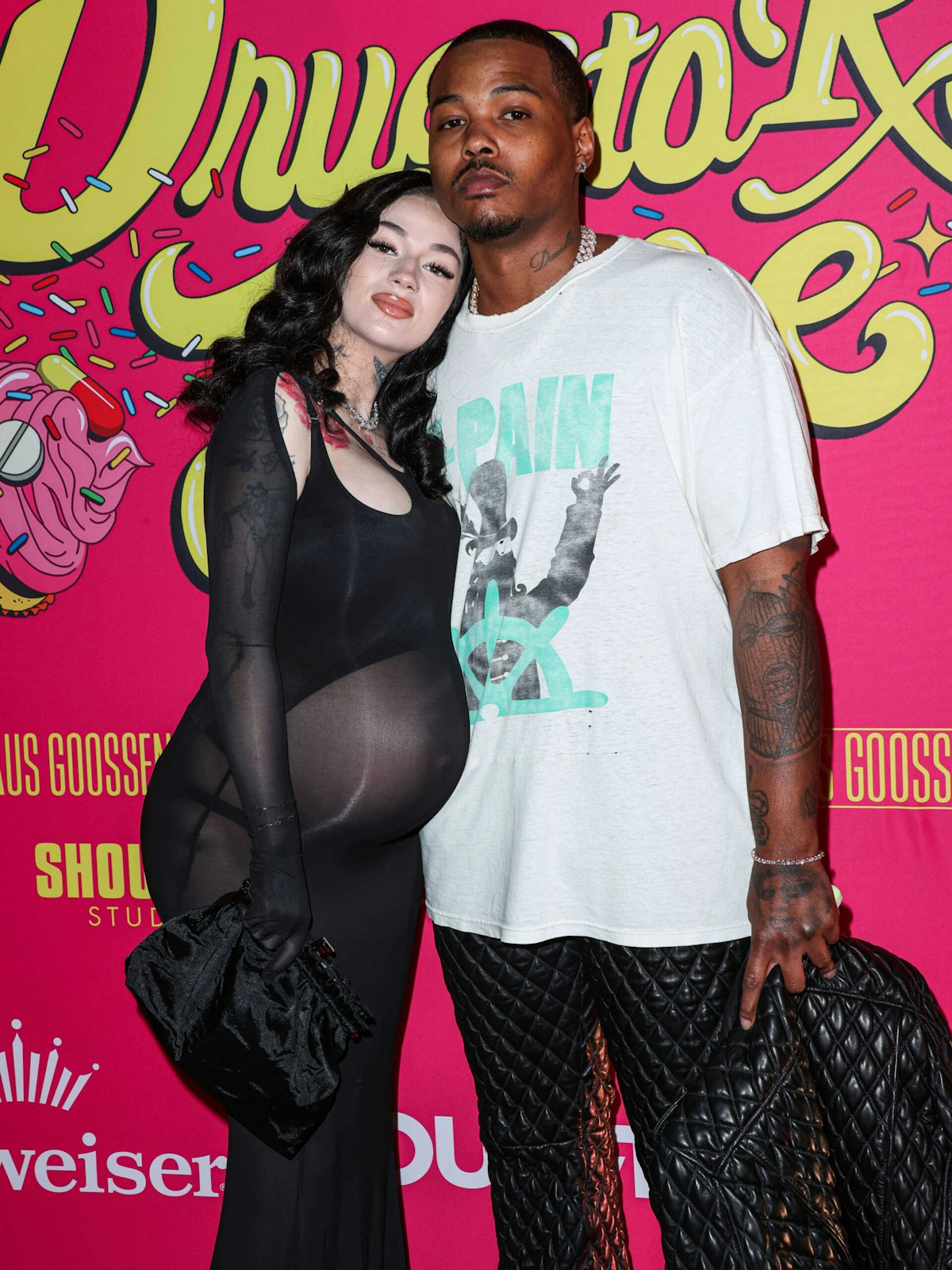
Public interest surrounding Alabama Barker’s personal life often intensifies when rumors or social media interactions point toward a romantic connection, such as speculation involving Le Vaughn. Media consumers frequently examine public profiles, shared content, and digital footprints to piece together the nature of these associations, balancing celebrity culture with the realities of young adult privacy.
Contextualizing Celebrity Culture and Digital Scrutiny
The modern landscape of celebrity culture is heavily mediated by digital platforms, where public figures share glimpses of their personal lives through short-form videos, photographs, and live streams. For public figures like Alabama Barker—the daughter of musician Travis Barker and model Shanna Moakler—every digital interaction is subject to intense algorithmic amplification and fan speculation. When names like Le Vaughn enter the conversation, followers immediately look for context, analyzing captions, tagged locations, and mutual appearances to determine whether a relationship is platonic, professional, or romantic.
Digital scrutiny often outpaces official statements, leading to a cycle of speculation where minor social media cues are treated as definitive announcements. Understanding these dynamics requires a critical approach to media literacy. Observers must differentiate between verified statements from the individuals involved and speculative content generated by third-party accounts, fan pages, and gossip blogs aiming for engagement.
Analyzing Social Media Footprints and Public Signals
In contemporary public profiles, digital signals serve as the primary source of information for followers tracking high-profile relationships. These signals typically include shared imagery, collaborative content on platforms like TikTok or Instagram, and mutual commentary.
- Shared Content: Appearances in each other's video content or photographs often spark immediate speculation about relationship status.
- Engagement Metrics: Likes, comments, and the use of specific emojis are frequently scrutinized by followers looking for hidden romantic subtexts.
- Public Appearances: Attending public events or being spotted together in shared social circles provides physical context that fuels further media coverage.
However, interpreting these signals presents inherent challenges. Public figures frequently curate their digital presence for aesthetic, entertainment, or promotional purposes, meaning that online interactions do not always reflect real-world interpersonal dynamics. Relying solely on digital footprints can result in misinterpretations, as creators understand that ambiguous posts often drive higher visibility and engagement across platforms.
Comparing Public Speculation Versus Confirmed Statements
Distinguishing between unverified rumors and factual reporting is essential when examining celebrity relationships. The table below outlines the key differences in how information is presented, verified, and consumed within entertainment media.
| Feature Category | Public Speculation & Rumors | Confirmed Statements |
|---|---|---|
| Primary Source | Fan accounts, algorithmic trends, and anonymous gossip blogs. | Direct announcements from the individuals or official representatives. |
| Verification Level | Unverified; relies on circumstantial evidence like digital likes or brief video clips. | High credibility; explicitly states the nature of the relationship or situation. |
| Media Treatment | Amplified through clickbait headlines, opinion pieces, and speculative commentary. | Reported as factual news updates across mainstream entertainment outlets. |
| Lifecycle | Rapidly evolves, shifts, or fades as new online trends emerge. | Remains stable until subsequent official updates alter the status. |
Media Literacy in the Age of Algorithmic Amplification
Navigating stories about public figures necessitates an understanding of how algorithms prioritize sensational content. Social media platforms reward engagement, meaning posts that generate debate or speculation about relationships are pushed to broader audiences regardless of their factual accuracy.
For audiences interested in Alabama Barker and Le Vaughn, recognizing these mechanics helps mitigate the influence of misinformation. When a rumor spreads, tracing the claim back to its origin often reveals a lack of primary evidence. Developing media literacy involves questioning the credibility of secondary sources, evaluating the motivation behind viral posts, and respecting the personal boundaries of public figures who may choose to keep aspects of their private lives away from the camera.
Frequently Asked Questions
Who is Alabama Barker?
Alabama Barker is a public figure, social media personality, and musician known as the daughter of blink-182 drummer Travis Barker and former beauty queen Shanna Moakler. She maintains a significant presence across multiple digital platforms where she shares lifestyle, fashion, and personal content.
Who is Le Vaughn in relation to Alabama Barker?
Le Vaughn is an individual associated with Alabama Barker through shared social circles and digital interactions. Public interest typically centers on whether their association extends beyond a casual friendship, though specific details are often shaped by social media speculation rather than formal confirmation.
Why do social media rumors start about celebrity relationships?
Rumors frequently start due to algorithmic incentives, fan culture, and the curated nature of celebrity profiles. Simple interactions, such as following an account, leaving a comment, or appearing in a short video, are often amplified by followers looking for signs of romance.
How can readers verify celebrity relationship news?
Readers can verify celebrity news by looking for direct statements from the primary individuals involved or reports from established, reputable journalism outlets rather than anonymous fan pages or unverified social media commentary.
What is the impact of constant digital scrutiny on young public figures?
Constant digital scrutiny can lead to privacy concerns, pressure to maintain a curated public persona, and the distortion of personal relationships by external observers who misinterpret everyday social interactions.
Managing Media Consumption Responsibly
Approaching celebrity news and personal relationships requires a balanced perspective that acknowledges the entertainment value of pop culture while respecting personal privacy. Rather than treating unverified social media activity as absolute truth, consumers benefit from maintaining skepticism toward viral claims and focusing on verified facts provided directly by the individuals involved. By practicing thoughtful media consumption, followers can engage with contemporary culture without fueling misinformation or invasive speculation.