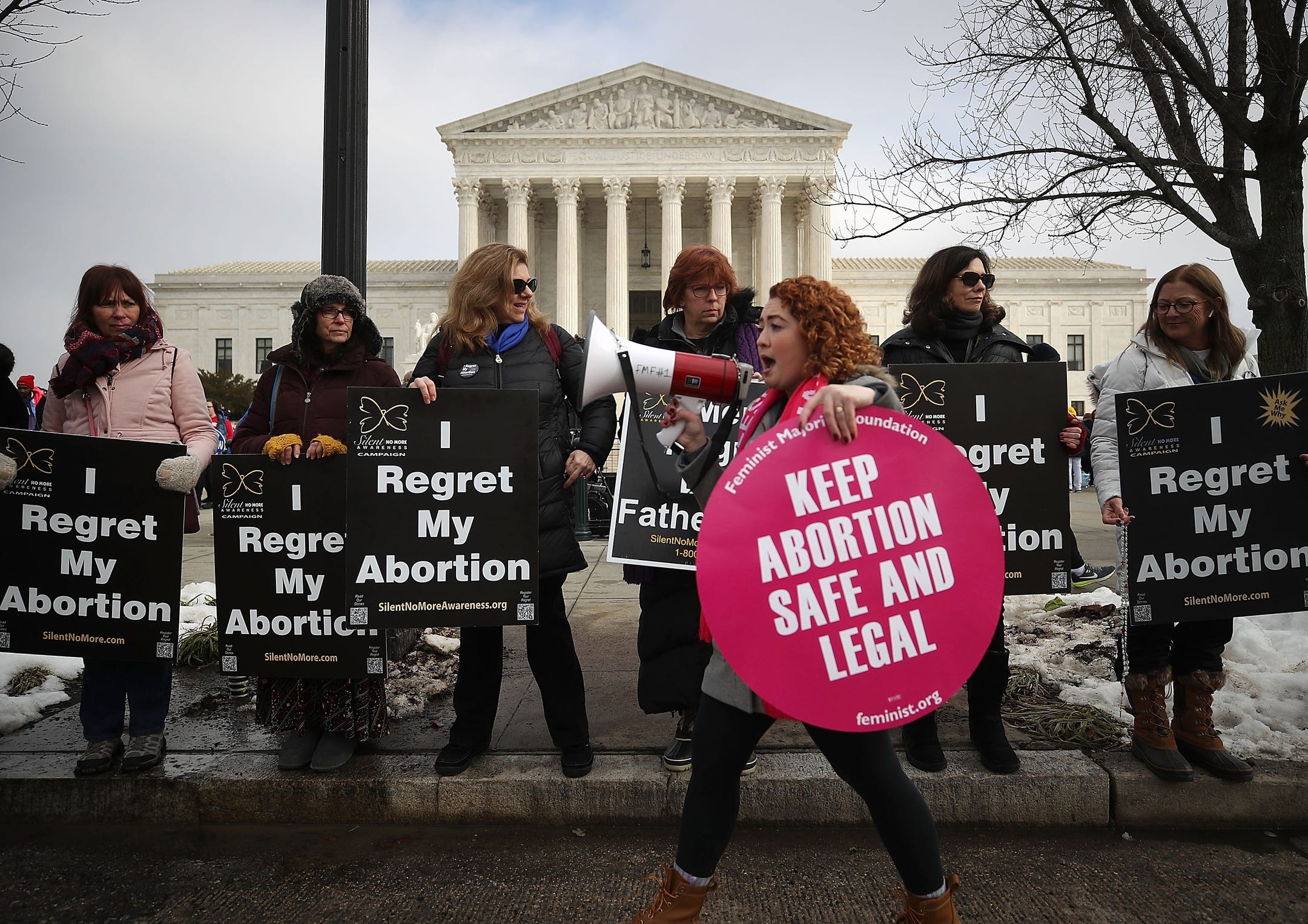
Alabama enforces one of the most restrictive legal frameworks regarding reproductive healthcare in the United States, anchored by the Alabama Human Life Protection Act and reinforced by judicial decisions following the reversal of Roe v. Wade. Under this framework, performing or attempting to perform an abortion is classified as a felony offense at any stage of pregnancy, with very narrow exceptions designed exclusively to prevent the death or permanent, severe impairment of the pregnant person's physical health.
The Legislative Foundation of Alabama Abortion Law
The primary statute governing reproductive healthcare in the state is the Alabama Human Life Protection Act, enacted in 2019. This legislation was designed to challenge existing federal precedents by establishing a near-total ban on elective procedures from the moment of conception. Following the United States Supreme Court's decision in Dobbs v. Jackson Women's Health Organization in June 2022, which eliminated the federal constitutional right to an abortion, the injunctions blocking the 2019 law were lifted, allowing the state's restrictions to take full effect.
Under the statute, any person who performs an abortion or actively assists in performing an abortion within the state commits a Class A felony. If the attempt results in the termination of the pregnancy, the offense can be elevated to a Class C felony for the practitioner, carrying severe prison sentences ranging from 10 to 99 years. The legislation specifically targets physicians and medical professionals rather than the pregnant patient; the statute explicitly exempts pregnant individuals from criminal liability or prosecution under the law.
Beyond criminal penalties for medical providers, the legal landscape is compounded by civil liability frameworks and professional licensing revocation. The Alabama Board of Medical Examiners and Medical Licensure Commission automatically revokes the medical license of any physician found to have violated the statute. Furthermore, civil wrongful death statutes and related civil litigation pathways create substantial legal exposure for anyone involved in facilitating an elective termination outside the boundaries of state law.
Medical and Statutory Exceptions to the Ban
While the Alabama Human Life Protection Act establishes a strict baseline prohibition against termination procedures, it outlines specific, highly limited statutory exceptions. Navigating these exceptions requires rigorous medical documentation and adherence to strict clinical definitions to ensure compliance with state statutes.
The statute permits an abortion only when an attending physician licensed in Alabama determines, based on reasonable medical judgment, that the procedure is necessary to prevent a serious health risk to the unborn child's mother. Specifically, the law recognizes two primary defensive justifications for medical intervention:
- Imminent Death: The continuation of the pregnancy would present a greater risk of death to the pregnant woman than the termination procedure itself.
- Serious Physical Impairment: The pregnancy poses a significant risk of substantial and irreversible physical impairment of a major bodily function, excluding psychological or emotional conditions.
To satisfy these statutory requirements, the medical necessity must be documented thoroughly within the patient's medical records by the attending physician. The law does not include exceptions for pregnancies resulting from rape or incest, nor does it carve out allowances for severe fetal abnormalities or fatal anomalies diagnosed during prenatal screening. Consequently, patients facing these complex medical situations must seek care outside the state jurisdiction or carry the pregnancy to term.
Overview of Legal Regulations and Prohibitions
| Legal Aspect | Description / Provision under Alabama Law |
|---|---|
| Primary Statute | Alabama Human Life Protection Act (2019 / Effective 2022) |
| Provider Penalties | Class A felony for attempts; Class C felony for completion (10–99 years imprisonment) |
| Patient Criminal Liability | Explicitly exempt from prosecution or criminal liability under the statute |
| Rape and Incest Exceptions | None; procedures are prohibited even in cases originating from sexual assault |
| Fetal Abnormality Exceptions | None; lethal anomalies or severe birth defects do not qualify for a statutory exemption |
| Medical Necessity Exception | Permitted strictly to prevent the death or severe, irreversible physical impairment of the mother |
Interstate Travel, Medication Access, and Healthcare Guidance
Because in-state clinical options for elective termination are entirely unavailable, patients seeking procedural care must travel to neighboring jurisdictions where abortion remains legal and accessible, such as North Carolina, Illinois, or parts of Florida depending on regional gestational limits. This dynamic has created a complex web of logistical, financial, and legal considerations for individuals navigating interstate healthcare access.
Regarding medication abortion—often involving regimens of mifepristone and misoprostol—state laws and federal regulations intersect in complex ways. The distribution of abortion-inducing medications via mail or telehealth within Alabama is heavily restricted by state law, which mandates that any medication designed to terminate a pregnancy must be dispensed in person by a licensed physician who complies with state-level prohibitions.
Legal advocacy organizations, healthcare providers, and civil liberties groups offer informational resources regarding out-of-state travel options, financial assistance for transit and lodging, and legal aid. Patients evaluating their options are encouraged to consult verified medical professionals and reputable legal advocacy groups to understand the full scope of applicable laws without violating state statutes.
Frequently Asked Questions
Is it illegal for a patient to obtain an abortion in Alabama?
The Alabama Human Life Protection Act explicitly exempts the pregnant patient from criminal prosecution or liability. The legal penalties, which include felony charges and lengthy prison sentences, are directed exclusively at physicians and medical providers who perform or attempt to perform the procedure outside of the narrow statutory exceptions.
Does Alabama law allow exceptions for rape or incest?
No. The state's statutory framework does not contain exceptions for pregnancies resulting from rape or incest. Performing an abortion under these circumstances remains classified as a felony offense for the medical provider.
Are medication abortions via telemedicine legal in Alabama?
No. State regulations require in-person administration by a licensed physician for any medical procedures or treatments intended to terminate a pregnancy, effectively prohibiting the receipt of abortion medications through telemedicine or mail-order services within state borders.
What medical conditions qualify for an exception under the law?
An exception is granted only when a licensed physician determines that the pregnancy poses a risk of death to the pregnant woman or a serious, irreversible physical impairment of a major bodily function. Conditions related strictly to mental health, emotional distress, or fetal abnormalities do not qualify under the current statute.
Where do Alabama residents typically travel for legal abortion care?
Because in-state clinics cannot legally provide elective abortion services, patients frequently travel to neighboring or nearby states with permissive legal frameworks, such as Illinois, North Carolina, or Virginia, where gestational limits and regulatory environments accommodate out-of-state patients.
Navigating Healthcare Decisions and Legal Resources
Individuals seeking comprehensive reproductive healthcare or guidance on navigating state restrictions should consult trusted medical professionals and review authoritative legal resources. Because reproductive healthcare laws are subject to ongoing judicial review and legislative adjustments, obtaining up-to-date guidance from licensed attorneys or certified medical navigators is essential for ensuring personal safety and legal compliance. For verified support networks and logistical assistance regarding out-of-state healthcare access, patients can reference resources provided by national reproductive health coalitions and independent patient advocacy organizations.