Alfred Matthew Yankovic, universally known as "Weird Al," has built one of the most enduring and financially resilient careers in modern entertainment. While his net worth is widely estimated by financial analysts to sit comfortably between $20 million and $25 million, his wealth is not merely the byproduct of a few novelty hit singles from the 1980s. Instead, the Weird Al empire generates millions through a diversified business model encompassing steadfast music publishing royalties, lucrative international touring, strategic merchandising, feature film production, and savvy intellectual property management.
Understanding how a comedic accordion-playing satirist accumulated and sustained this wealth requires looking beyond standard pop star economics. Weird Al operates a tight, highly efficient enterprise that relies heavily on ownership of his master recordings, independent publishing rights, and direct-to-consumer engagement.
The Foundations of Musical Royalties and Publishing Ownership
At the core of the Weird Al financial empire is a foundational business decision that many legacy artists miss: maintaining ownership of his master recordings and publishing rights. Unlike many contemporary artists who sign away their masters to major record labels for upfront advances, Yankovic has historically retained significant control over his catalog.
Every time a classic parody like "Eat It," "White & Nerdy," or "Amish Paradise" is streamed on Spotify, broadcast on terrestrial radio, or licensed for television and film, Yankovic captures a superior royalty split compared to artists tied to legacy 360-deal structures. Furthermore, because he writes original stylistic pastiches alongside his direct parodies, he often owns 100% of the composition and publishing rights for those original tracks.
While musical parody legally falls under the umbrella of fair use in the United States, Yankovic has maintained a long-standing personal policy of seeking the blessing of the original artists before releasing a parody. This professional courtesy has fostered strong industry goodwill, preventing costly litigation and ensuring that his tracks receive promotional support rather than legal pushback from pop music titans like Michael Jackson, Madonna, and Kurt Cobain.
Touring Economics and Live Performance Revenue
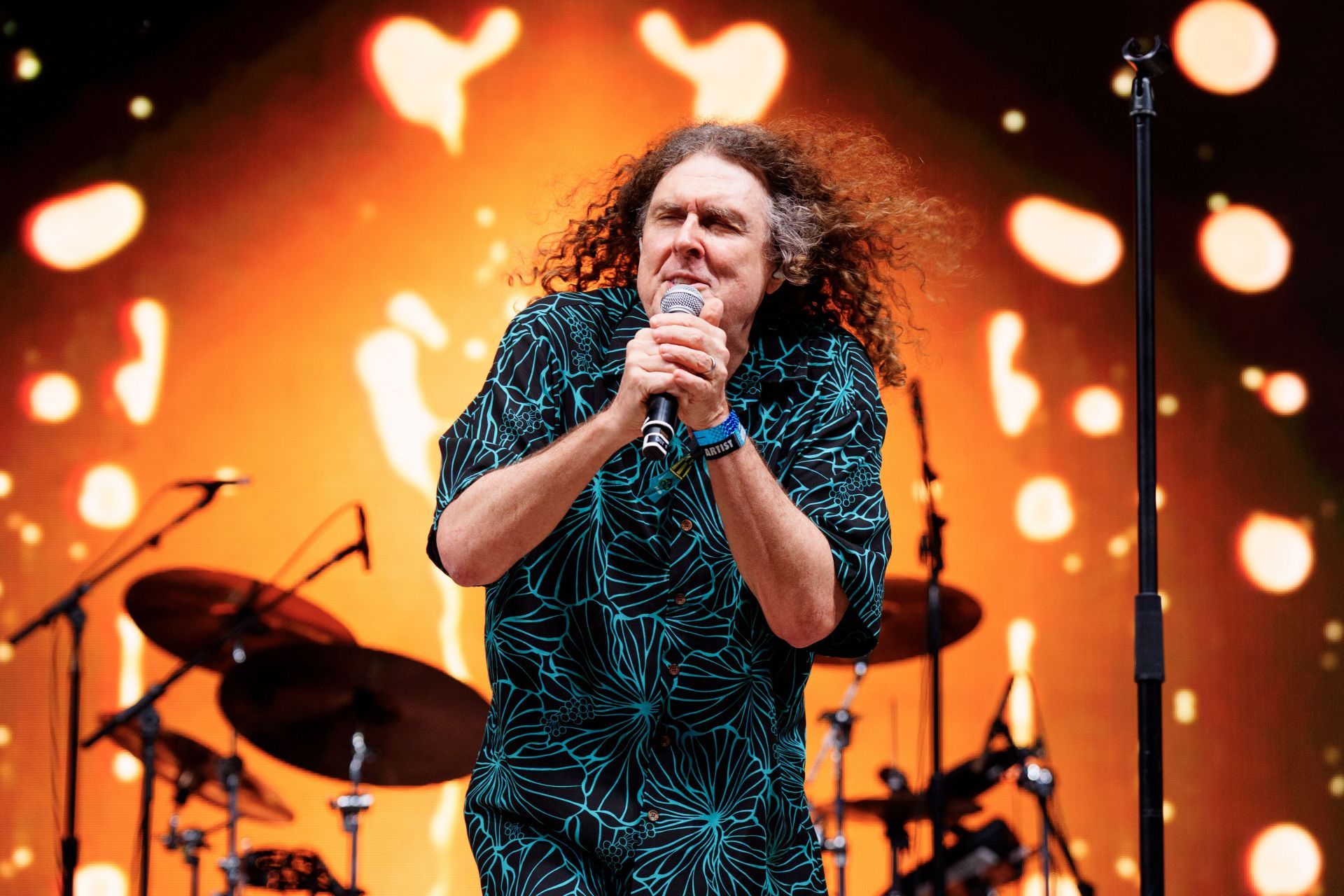
While recorded music distribution provides a steady baseline, the live performance sector forms the heavy machinery of the Weird Al financial empire. Yankovic tours with a dedicated, world-class backing band that has remained largely intact for decades, minimizing rehearsal overhead and maximizing performance efficiency.
Historically, Yankovic’s tours alternate between high-production spectacle shows featuring elaborate costume changes, video screens, and theatrical skits, and stripped-down acoustic formats like The Unfortunate Return of the Ridiculously Self-Indulgent, Ill-Advised Vanity Tour. This strategic alternation appeals to different segments of his multigenerational fanbase.
| Tour Format | Production Overhead | Ticket Pricing Strategy | Primary Audience Appeal |
|---|---|---|---|
| Full Production Spectacular | High (Costumes, Video, Crew) | Mid-to-High Tier | General audiences, families, festival crowds |
| Intimate Acoustic/Vanity Tour | Low (Minimalist Stage, No Costumes) | Premium/Fan-Club Tier | Hardcore devotees, deep-cut enthusiasts |
The acoustic tours, in particular, yield high profit margins due to drastically reduced production overhead, logistical expenses, and crew sizes. By removing the theatrical bloat, Yankovic captures a higher net percentage of gross ticket sales while delivering a unique product that commands dedicated fan loyalty.
Diversification Into Film, Television, and Voice Acting
Beyond the concert stage and recording studio, Yankovic has continuously monetized his persona across diverse visual media channels. His resume spans network television, independent film production, and extensive voice acting in prominent animated series.
Key milestones in his visual media empire include:
- The Weird Al Show: His 1997 CBS Saturday morning live-action series, which contributed to his foundational television portfolio and ongoing syndication potential.
- UHF (1989): While a modest box office performer upon initial theatrical release, this cult classic feature film has generated substantial revenue over decades through home video sales, digital streaming licenses, and cult merchandise.
- Voice Acting and Animation: Steady, high-paying voice work in animated staples such as The Simpsons, Adventure Time, Milo Murphy's Law, and Batman vs. Teenage Mutant Ninja Turtles, providing stable residual income.
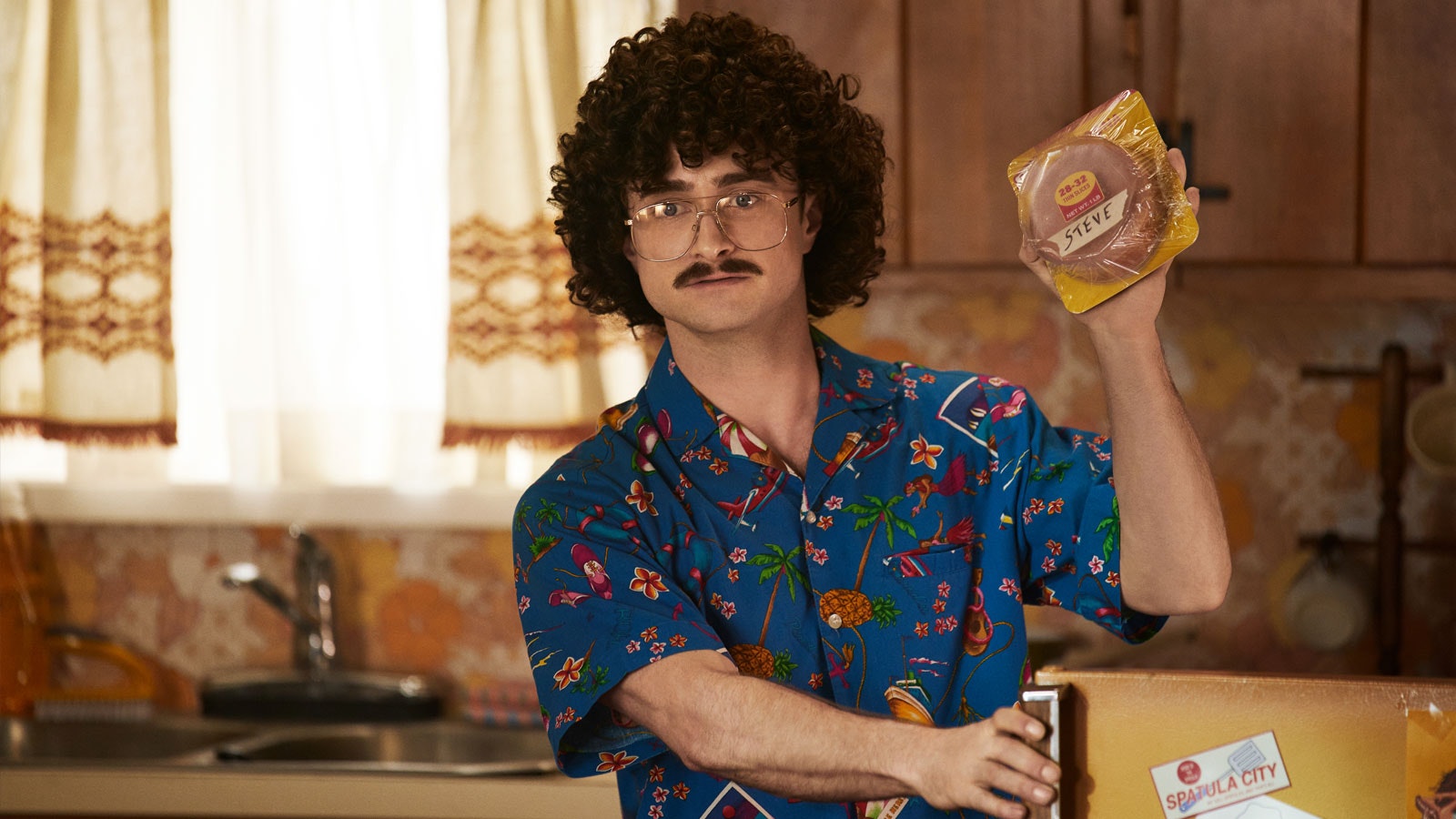
- Biopic Production: The strategic release and distribution of Weird: The Al Yankovic Story (2022), a satirical biographical film distributed by Roku, which garnered significant critical acclaim, Emmy recognition, and a massive surge in catalog streams.
| Revenue Stream | Primary Economic Driver | Monetization Mechanism |
|---|---|---|
| Streaming & Digital | Catalog consumption | Spotify, Apple Music, YouTube partner program |
| Live Performance | Concert ticketing & VIP packages | Multi-city North American and international tours |
| Visual Media | Film and television projects | Residuals, licensing fees, production salaries |
| Merchandising | Branded apparel, books, vinyl | Direct-to-consumer e-commerce, tour sales |
Merchandising, Publishing, and Intellectual Property Strategy
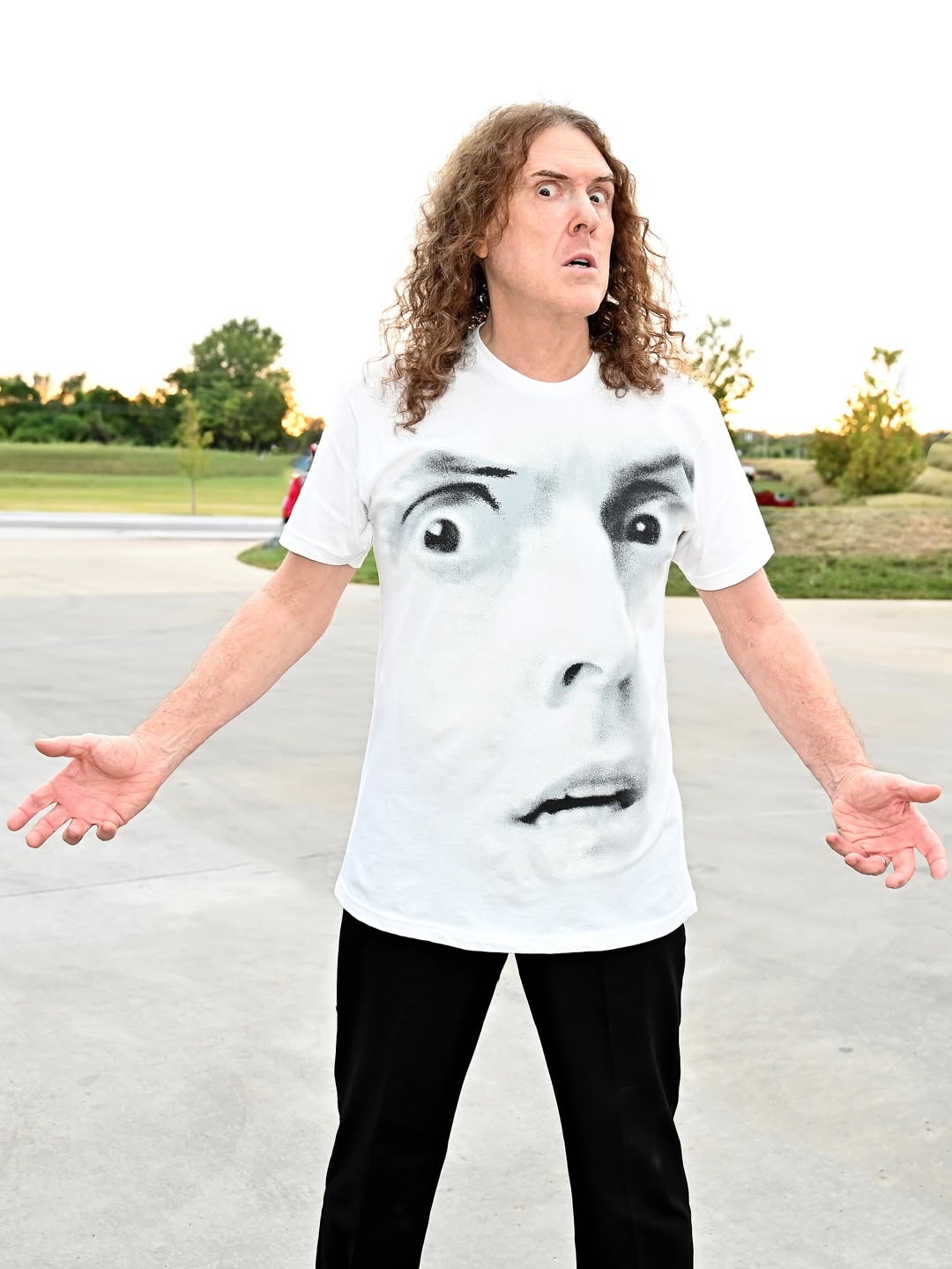
The Weird Al brand extends far beyond audio files and ticket stubs. Merchandising represents a high-margin revenue channel that capitalizes on absurdist pop culture iconography. From classic t-shirts and Hawaiian shirts to specialized vinyl box sets, graphic novels, and children's books published through HarperCollins, physical goods command robust profit margins driven by dedicated collector culture.
Yankovic’s intellectual property strategy relies on consistency and brand safety. By avoiding toxic controversies and maintaining a clean, family-friendly yet sharply satirical public profile, he remains an attractive partner for brand collaborations, sync licensing in major motion pictures, and high-profile advertising campaigns.
Financial Management and Long-Term Wealth Preservation
Accumulating an eight-figure net worth in the volatile entertainment industry requires disciplined financial management. Unlike many musicians who face bankruptcy due to lavish spending and unstable cash flows, Yankovic has maintained a reputation for financial conservatism, avoiding the classic traps of excessive lifestyle inflation.
By reinvesting earnings into diverse, conservative portfolios, maintaining ownership of his core business assets, and managing his overhead carefully, he has insulated his wealth against industry downturns. The longevity of his career—spanning five distinct decades from the late 1970s to the present day—demonstrates that sustainable wealth in entertainment is achieved through multi-channel diversification rather than reliance on a single blockbuster hit.
Frequently Asked Questions
How much is Weird Al Yankovic worth in 2026?
Financial industry estimates consistently place Weird Al Yankovic's net worth between $20 million and $25 million. This valuation is derived from decades of steady music royalties, concert tours, merchandising, and film projects.
Does Weird Al own the rights to his parody songs?
Yes, Yankovic owns a significant portion of his master recordings and publishing rights. While he creates parodies of other artists' songs, copyright law protects comedic parody under fair use, and he has historically retained ownership of his recorded versions.
How does Weird Al make most of his money?
His income is distributed across multiple streams, with live concert touring, music streaming royalties, merchandise sales, and film/television projects serving as the primary pillars of his financial empire.
Does Weird Al get permission from artists before parodying their songs?
Yes, as a matter of professional courtesy and ethical practice, Yankovic contacts the original artists to secure their blessing before releasing a parody, even though parody is legally protected under fair use.
What was the financial impact of the Weird Al biopic?
Released in 2022 on the Roku Channel, Weird: The Al Yankovic Story brought a massive resurgence in mainstream visibility, driving up streaming numbers for his entire catalog and introducing his music to a younger demographic.
Strategic Next Steps for Understanding Music Industry Economics
To gain a deeper perspective on how legacy artists preserve wealth, analyze the business models of independent musicians who successfully retain their master rights rather than signing traditional major-label 360 deals. Examining the financial disclosures and royalty structures of independent publishing administrators provides further clarity on how long-tail catalog monetization sustains artists long after their peak commercial radio years.