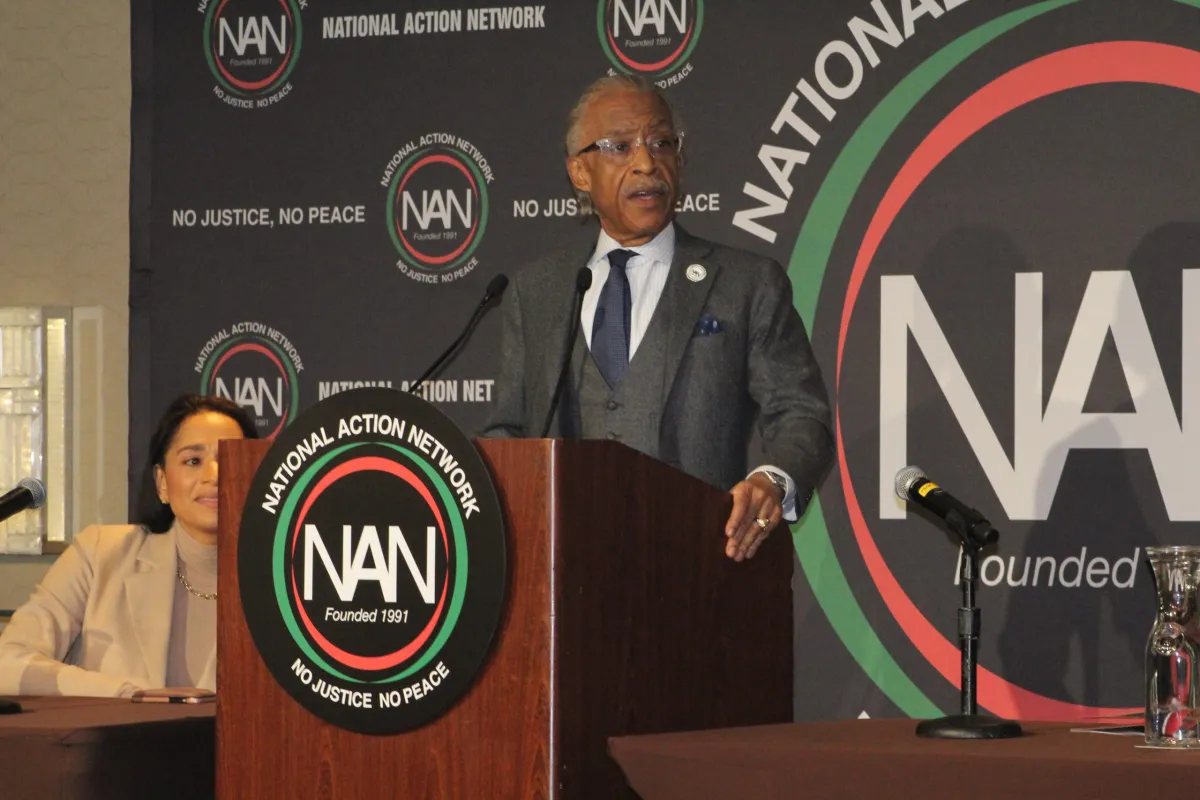
Al Sharpton is 71 years old, having been born on October 3, 1954. As a foundational figure in contemporary American civil rights activism, media commentary, and political advocacy, his longevity spans decades of high-profile social movements, structural policy debates, and institutional leadership.
Understanding the chronological context of civil rights figures requires examining both their personal milestone timelines and the historical eras they traversed. Al Sharpton's age places him among a distinct generation of leaders who transitioned from the mid-20th-century civil rights campaigns of the 1960s into the modern digital and multimedia landscape of the 21st century. This comprehensive examination looks at his biographical timeline, early entry into public life, organizational leadership milestones, and enduring influence on modern social justice frameworks.
Early Life and Precocious Entry into Activism
Alfred Charles Sharpton Jr. was born in Brooklyn, New York, on October 3, 1954. His early life was marked by both economic turbulence and an extraordinary entry into religious and political spaces. Long before reaching adulthood, Sharpton exhibited a formidable public speaking ability that drew the attention of established religious and civil rights authorities.
By the age of four, Sharpton was already preaching in local churches, earning him the moniker the "Boy Preacher." This early immersion in the pulpit laid the groundwork for his distinctive rhetorical style, which later became his hallmark on the national stage. When he was just ten years old, his father abandoned the family, plunging them into sudden financial hardship that required reliance on public assistance. This personal experience with systemic poverty and urban displacement deeply informed his emerging political consciousness.
During his early adolescence, Sharpton crossed paths with prominent figures of the Civil Rights Movement. He was mentored by the Reverend Jesse Jackson and became involved with Operation Breadbasket, the economic arm of the Southern Christian Leadership Conference (SCLC) operating in New York. By age twelve, he was named youth director for the SCLC's Operation Breadbasket in New York City, solidifying his trajectory as a young activist poised to navigate the complex racial politics of the turbulent 1960s and 1970s.
The Evolution of National Prominence and Organizational Leadership
As Sharpton moved into his twenties and thirties, his methodology shifted from traditional pulpit ministry to direct-action grassroots mobilization and media-centric advocacy. In 1971, while still a teenager, he founded the National Youth Movement, an organization designed to address youth employment, education inequality, and neighborhood empowerment in New York City.
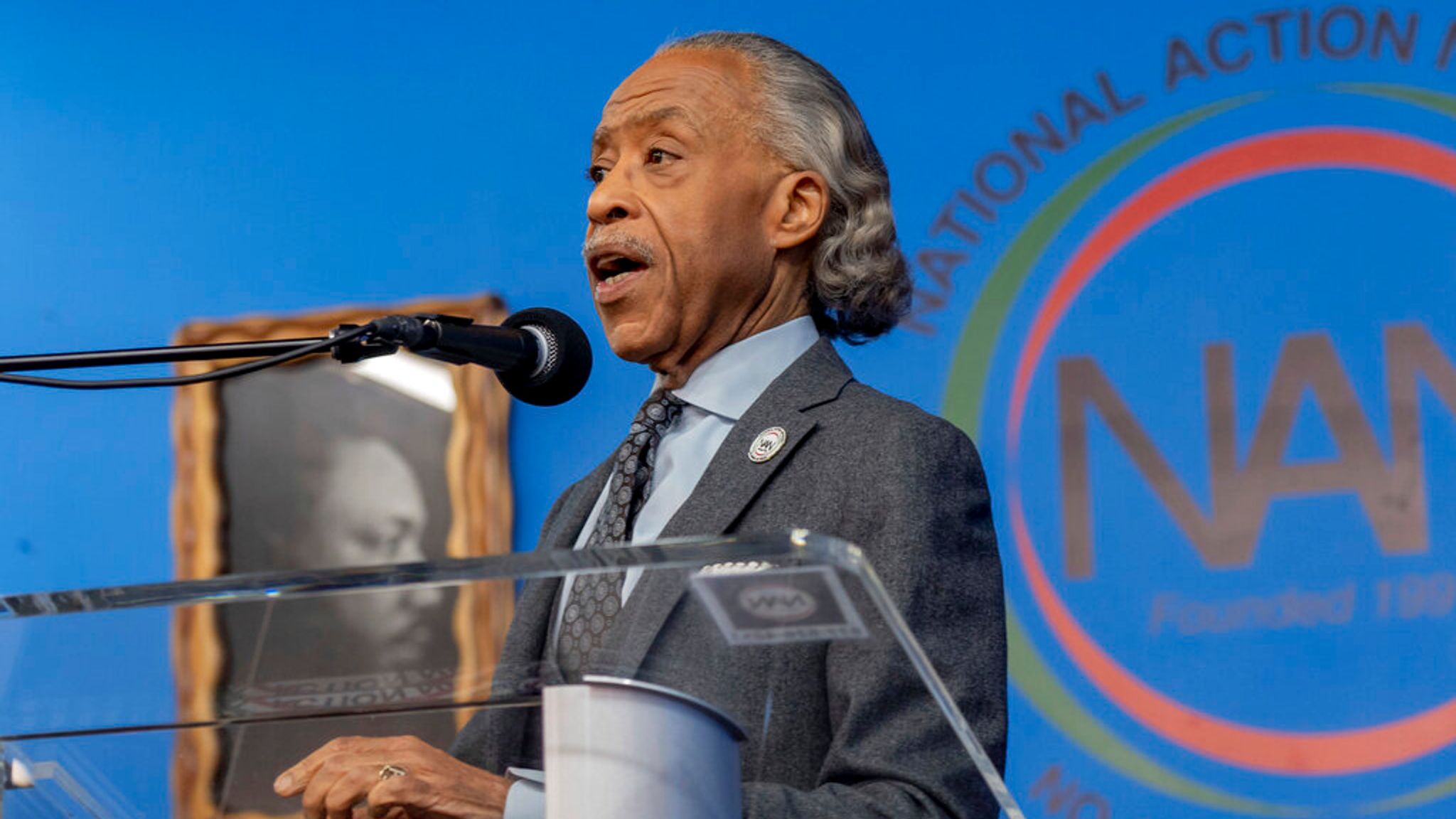
His career underwent a profound scaling up in the late 1980s and early 1990s, an era defined by high-profile racial tensions and civil rights crises in New York City, including the Crown Heights riot and the Bernhard Goetz case. In 1991, following these intense periods of community unrest, Sharpton founded the National Action Network (NAN). Headquartered in Harlem, NAN evolved from a local protest organization into one of the country's most influential civil rights advocacy groups, organizing national conventions, monitoring corporate hiring practices, and demanding police accountability.
| Milestone Year | Age | Historical Event or Organizational Development |
|---|---|---|
| 1954 | 0 | Born on October 3 in Brooklyn, New York. |
| 1964 | 10 | Experienced family economic collapse; joined local civil rights efforts. |
| 1971 | 17 | Founded the National Youth Movement to advocate for urban youth. |
| 1991 | 37 | Established the National Action Network (NAN) in Harlem. |
| 2004 | 49 | Ran as a candidate in the Democratic Party presidential primaries. |
| 2020s | 70s | Maintained a daily national media presence via television and radio. |
This structural maturation allowed Sharpton to transition from a controversial local provocateur into an institutional elder statesman of the civil rights establishment. His organizational footprint expanded nationwide, establishing annual conventions that routinely attract sitting U.S. presidents, cabinet secretaries, corporate executives, and international leaders.
Political Campaigns and Media Evolution
Sharpton’s influence extends far beyond grassroots activism into electoral politics and media broadcasting. In 2004, at the age of 49, he launched a nationwide campaign for the Democratic Party's presidential nomination. While he did not secure the nomination, his campaign forced national candidates to address urban poverty, criminal justice reform, and systemic racism on primary debate stages, expanding the ideological boundaries of the party.
Concurrently, Sharpton recognized the power of media integration. He transitioned his voice from print and radio into major television networks, ultimately securing a daily platform on MSNBC with his political talk show, PoliticsNation. This broadcasting role allowed him to bridge the gap between historical civil rights advocacy and contemporary cable news analysis, maintaining daily relevance across multiple generations of media consumers.
Generational Shift in Civil Rights Leadership
Reaching his seventies places Al Sharpton in a unique demographic within American leadership. He represents a vital bridge between the historical generation of leaders who walked alongside Martin Luther King Jr. and Jesse Jackson, and the modern digital-age activists of the Black Lives Matter movement.
While younger movements often utilize decentralized, social-media-driven frameworks, Sharpton’s institutional longevity provides historical continuity, legislative lobbying access, and strategic counsel to emerging organizers. His ability to adapt his platform to changing technological and political landscapes explains his enduring prominence in debates concerning voting rights, federal judicial appointments, and police reform.
Frequently Asked Questions About Al Sharpton's Age and Career
How old is Al Sharpton today?
Al Sharpton is 71 years old. He was born on October 3, 1954.
When did Al Sharpton start his career in civil rights?
Sharpton began his public life as a child preacher in Brooklyn and was appointed youth director for the SCLC's Operation Breadbasket in New York City at the age of twelve, marking his official entry into organized civil rights activism during the mid-1960s.
What organization did Al Sharpton found?
In 1991, Sharpton founded the National Action Network (NAN), a civil rights organization headquartered in Harlem, New York, which focuses on civil rights enforcement, corporate accountability, and social justice advocacy.
Did Al Sharpton ever run for public office?
Yes. At age 49, Al Sharpton ran a high-profile campaign for the Democratic nomination for President of the United States in the 2004 election cycle, utilizing the platform to champion progressive urban and racial equity policies.
How has Al Sharpton maintained his public influence over the decades?
Sharpton successfully transitioned from local street-level protest leadership into institutional advocacy, national coalition building, and broadcast media hosting, anchoring a daily national television program that keeps him at the forefront of contemporary political discourse.
Strategic Engagement with Modern Civil Rights Advocacy
For researchers, students, and political observers examining the trajectory of modern American social movements, analyzing Al Sharpton's age and career timeline offers critical context into the evolution of institutional activism. Evaluating his ongoing role requires recognizing how legacy organizations adapt to legislative shifts and new media environments. Observers interested in contemporary civil rights policy should review official publications from the National Action Network, legislative tracking reports on federal voting rights protections, and institutional archives documenting urban policy developments over the past seven decades.