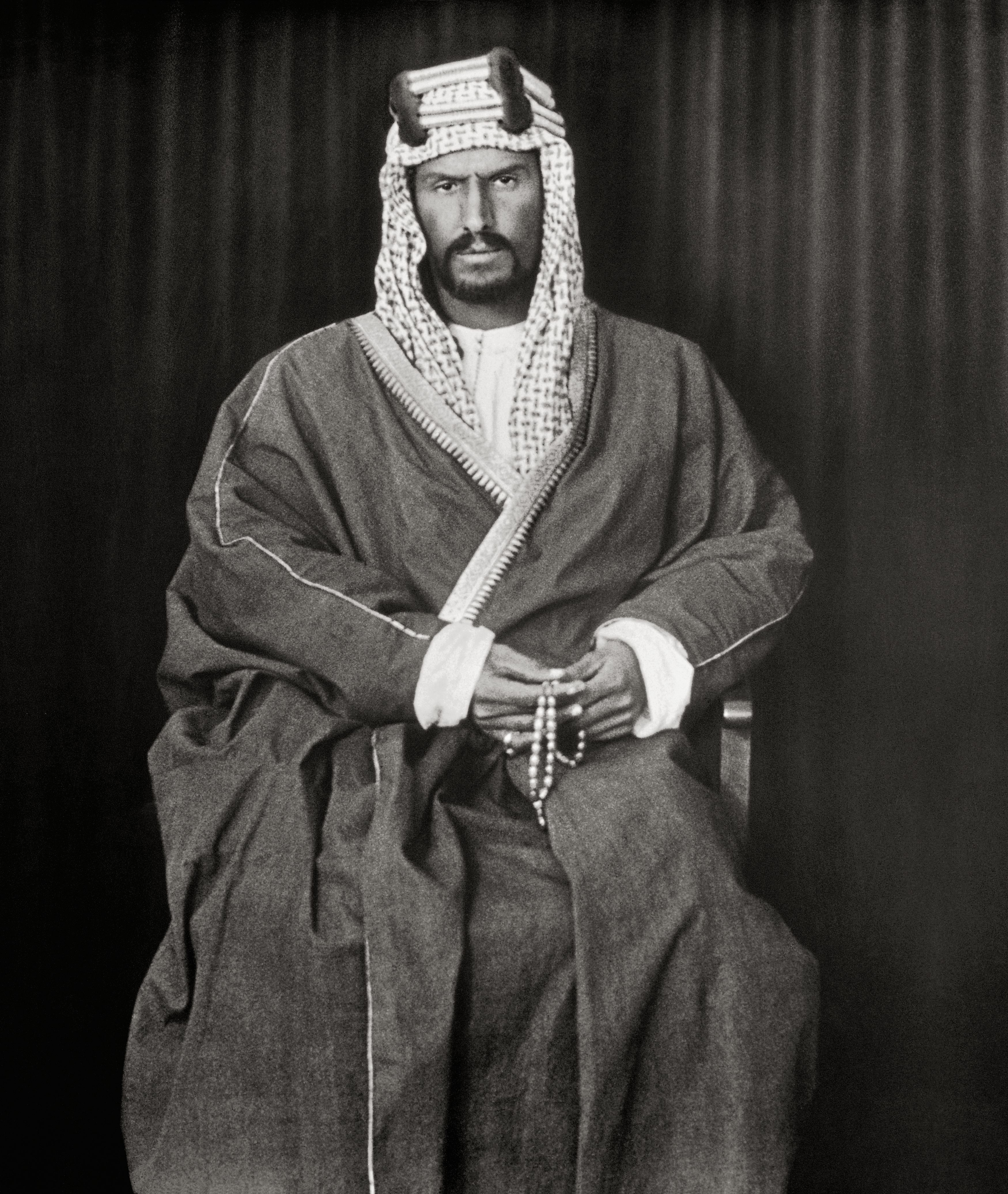
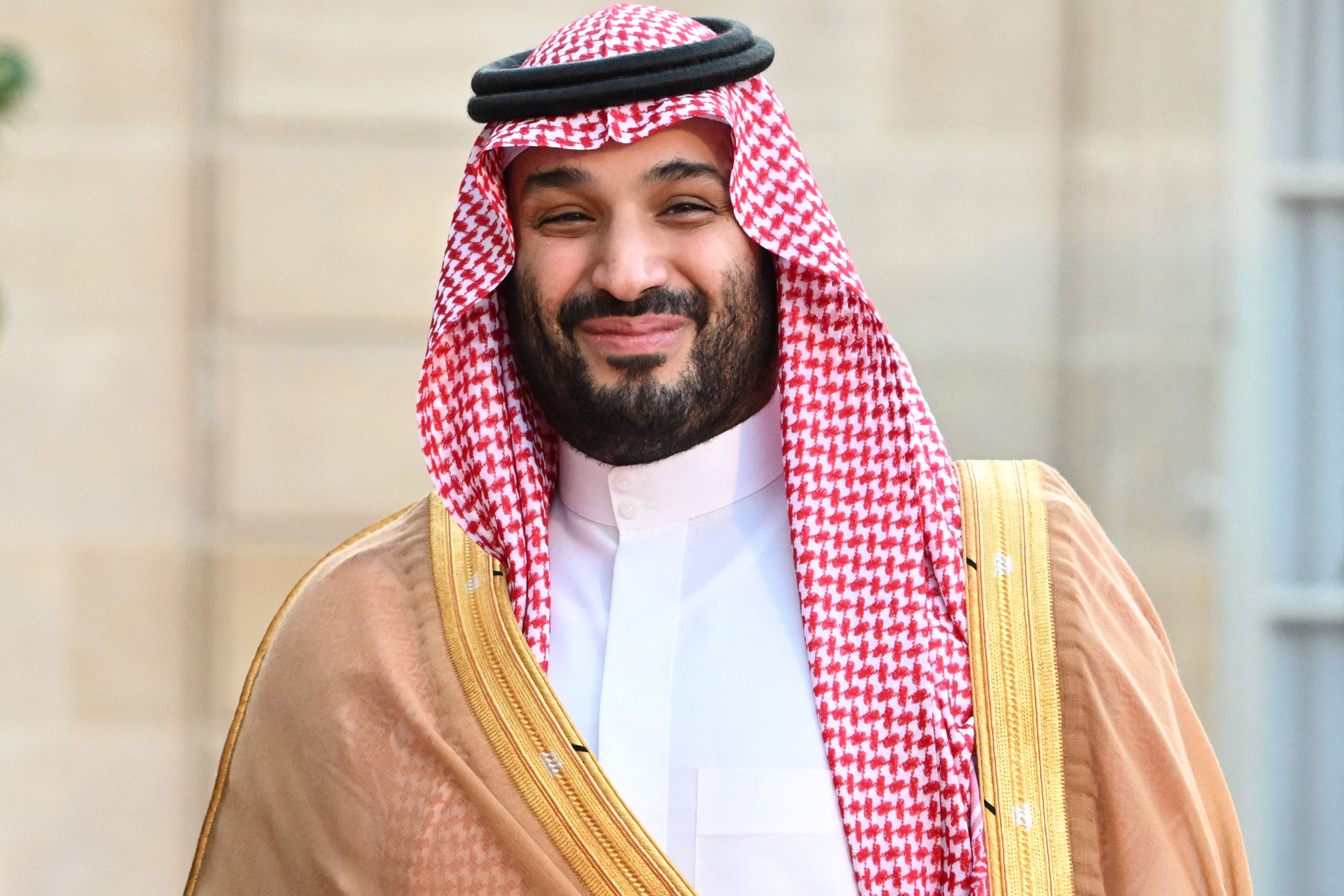
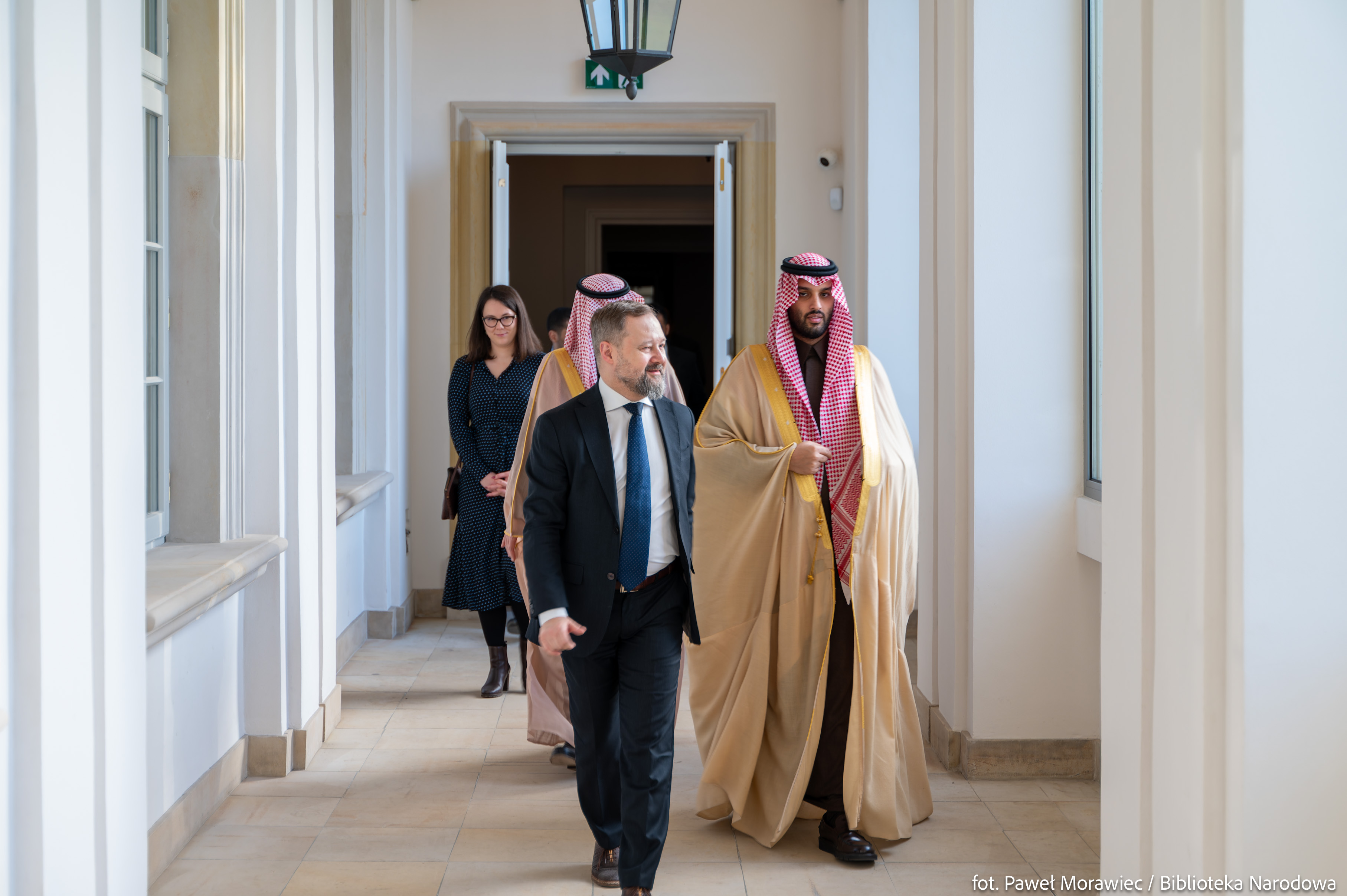
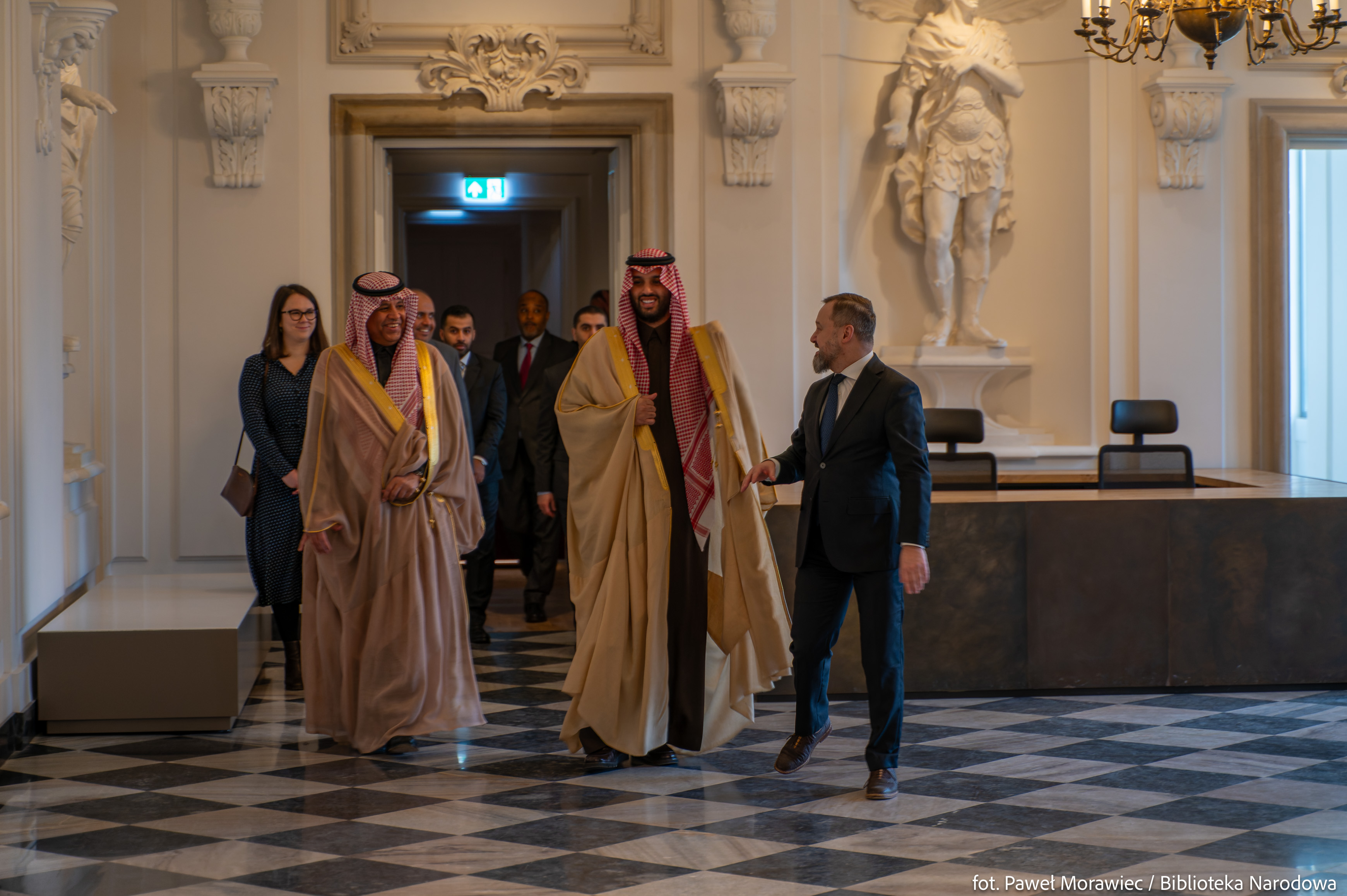
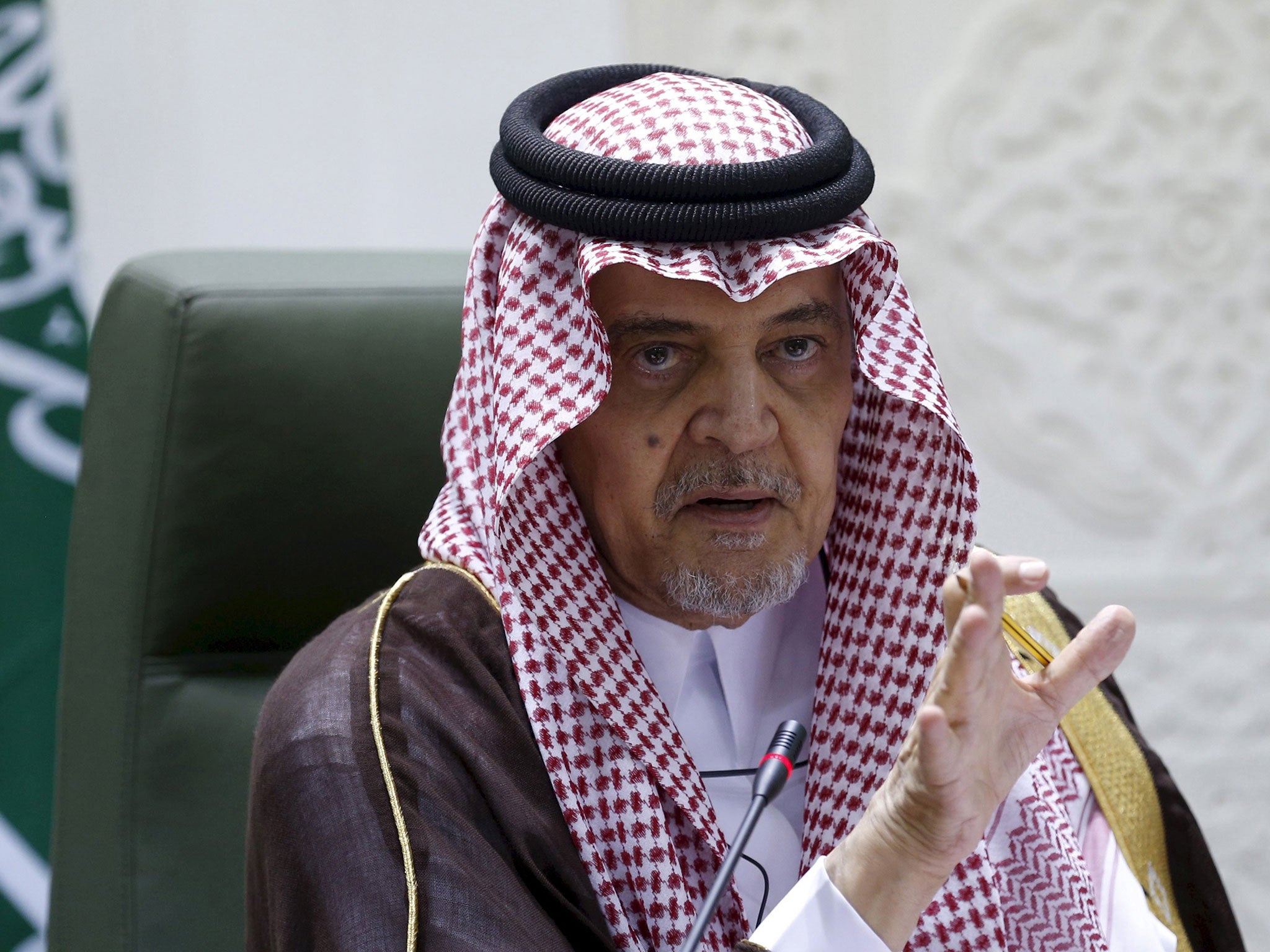
The House of Al Saud is the ruling royal family of Saudi Arabia, tracing its dynastic origins to the 18th-century alliance between Muhammad bin Saud and the religious reformer Muhammad ibn Abd al-Wahhab. This foundational partnership established the first Saudi state, shaping the political, religious, and social architecture of the modern Kingdom of Saudi Arabia.
Historical Foundations and the Three Saudi States
Understanding the contemporary role of the Al Saud dynasty requires examining its historical evolution across three distinct state formations. The dynasty's roots lie in the fertile oasis of Diriyah, located in the Najd region of the Arabian Peninsula. In 1744, Emir Muhammad bin Saud forged a pact with Muhammad ibn Abd al-Wahhab, a scholar who advocated for a puritanical return to foundational Islamic principles. This sociopolitical alliance combined military power with religious ideology, providing the ideological momentum required to unite disparate Bedouin tribes under a centralized authority.
The First Saudi State (Emirate of Diriyah) expanded rapidly across central and eastern Arabia, eventually capturing the holy cities of Mecca and Medina. However, this expansion alarmed the Ottoman Empire, whose Sultan viewed the rising power as a direct challenge to its hegemony. In 1818, an expeditionary Ottoman-Egyptian force led by Ibrahim Pasha destroyed Diriyah, dismantling the first state and executing several members of the Al Saud family.
Despite this catastrophic setback, the dynasty demonstrated remarkable resilience. In 1824, Turki bin Abdullah Al Saud reasserted control over the Najd, establishing the Second Saudi State with its capital in Riyadh. This iteration was characterized by smaller territorial reach, internal factionalism, and intense rivalry with the Al Rashid dynasty of Ha'il. By the late 19th century, external pressures and internal succession disputes forced the Al Saud family into exile in Kuwait under the protection of the Emir of Kuwait.
The Unification of Modern Saudi Arabia
The modern phase of the dynasty began in 1902 when Abdulaziz bin Abdul Rahman Al Saud—commonly known internationally as Ibn Saud—led a daring nocturnal raid to recapture the Masmak Fortress in Riyadh from the Al Rashid clan. This pivotal victory marked the founding of the Third Saudi State. Over the next three decades, Abdulaziz systematically consolidated territories through military campaigns, strategic tribal marriages, and diplomatic engagement.
By 1927, Abdulaziz had dropped the title of Sultan of Najd and King of Hejaz in favor of King of the Hejaz and Nejd and its Dependencies. In 1932, following further territorial integration, he officially unified his realms into the Kingdom of Saudi Arabia under a royal decree. The discovery of crude oil in commercial quantities at Dammam in 1938 fundamentally transformed the kingdom's economic trajectory. King Abdulaziz partnered with Western energy corporations, specifically the predecessor of Saudi Aramco, converting subterranean oil wealth into state revenue that financed infrastructural development, modern governance, and national security institutions.
Structure of Governance and Succession
The governance of Saudi Arabia is absolute monarchy centered on the King, who serves as both head of state and prime minister. Power within the Al Saud family has traditionally been distributed among the sons and grandsons of King Abdulaziz. As the ruling family expanded to thousands of members, administrative and ministerial portfolios became distributed among senior princes, balancing influence among powerful family branches.
| Succession Era / Mechanism | Key Characteristics | Governing Institution |
|---|---|---|
| Traditional Primogeniture / Seniority | Power transferred horizontally among surviving sons of King Abdulaziz. | Informal Council of Senior Princes |
| Allegiance Commission (2006) | Formalized succession through a consultative body of senior princes voting on nominees. | Hai'at al-Bay'a (Allegiance Council) |
| Vertical Transition (Current) | Transition to the grandson generation, centralizing executive authority. | Royal Decree and King-Appointed Crown Prince |
To institutionalize succession and prevent destabilizing power struggles, King Abdullah established the Allegiance Council in 2006. Composed of senior princes or their appointees, this body was designed to vote on the selection of the Crown Prince. In recent years, governance structures have evolved under King Salman and Crown Prince Mohammed bin Salman to streamline decision-making, moving away from decentralized consensus toward centralized executive authority.
Economic Transformation and the Vision 2030 Agenda
In the 21st century, the Al Saud administration has initiated a massive economic restructuring program designed to transition the nation away from its historical dependence on petroleum exports. Launched in 2016, Vision 2030 represents the strategic roadmap overseen by Crown Prince Mohammed bin Salman. The initiative focuses on diversifying gross domestic product, expanding private sector employment, enhancing foreign direct investment, and developing high-growth industries such as renewable energy, technology, tourism, and entertainment.
Key milestones of this economic shift include the partial public offering of Saudi Aramco on the Saudi Stock Exchange (Tadawul) and the development of giga-projects like NEOM, the Red Sea Global tourism initiative, and Qiddiya. These developments require massive capital allocation from the Public Investment Fund (PIF), one of the world's largest sovereign wealth funds. The economic strategy also emphasizes human capital development, expanding higher education access, and increasing female workforce participation through targeted regulatory reforms.
International Relations and Regional Diplomacy
Foreign policy under the leadership of the Al Saud has traditionally prioritized regional security, economic stability through energy markets, and alliances with Western powers, balanced with a growing multipolar strategy involving Asian economic partners like China and India. Saudi Arabia remains a founding member of key multilateral organizations, including the Arab League, the Gulf Cooperation Council (GCC), and the Organization of the Petroleum Exporting Countries (OPEC).
Managing global energy markets requires continuous diplomatic coordination with both OPEC members and non-OPEC producers, notably through the OPEC+ alliance. The Kingdom's geopolitical influence extends through its role as the custodian of the Two Holy Mosques in Mecca and Medina, positioning it as a central spiritual authority within the broader Islamic world. Recent diplomatic recalibrations have also emphasized regional de-escalation, multilateral trade agreements, and bilateral security frameworks to navigate shifting geopolitical dynamics in the Middle East.
Frequently Asked Questions
Who are the Al Saud?
The Al Saud are the ruling royal family of Saudi Arabia. The dynasty traces its lineage back to Muhammad bin Saud, who founded the first Saudi state in 1744 through an alliance with religious scholar Muhammad ibn Abd al-Wahhab.
How is the King of Saudi Arabia chosen?
Historically, leadership passed horizontally among the sons of King Abdulaziz, the founder of the modern state. Succession is now managed within the framework of royal decrees and institutional mechanisms, transitioning power to the grandson generation under the supervision of the royal leadership.
What is Saudi Vision 2030?
Saudi Vision 2030 is a comprehensive strategic framework launched in 2016 to reduce Saudi Arabia's economic dependence on oil, diversify government revenue streams, and develop public service sectors such as health, education, infrastructure, recreation, and tourism.
What role does the Public Investment Fund play?
The Public Investment Fund (PIF) is Saudi Arabia's sovereign wealth fund. It acts as the primary financial engine for Vision 2030, investing heavily in domestic giga-projects, international equities, and strategic industries to drive long-term economic diversification.
Why is Diriyah important to the Al Saud family?
Diriyah is the ancestral home of the Al Saud family and the capital of the First Saudi State. It holds immense symbolic value as the birthplace of the dynasty and is currently undergoing extensive restoration as a cultural and historical heritage site.