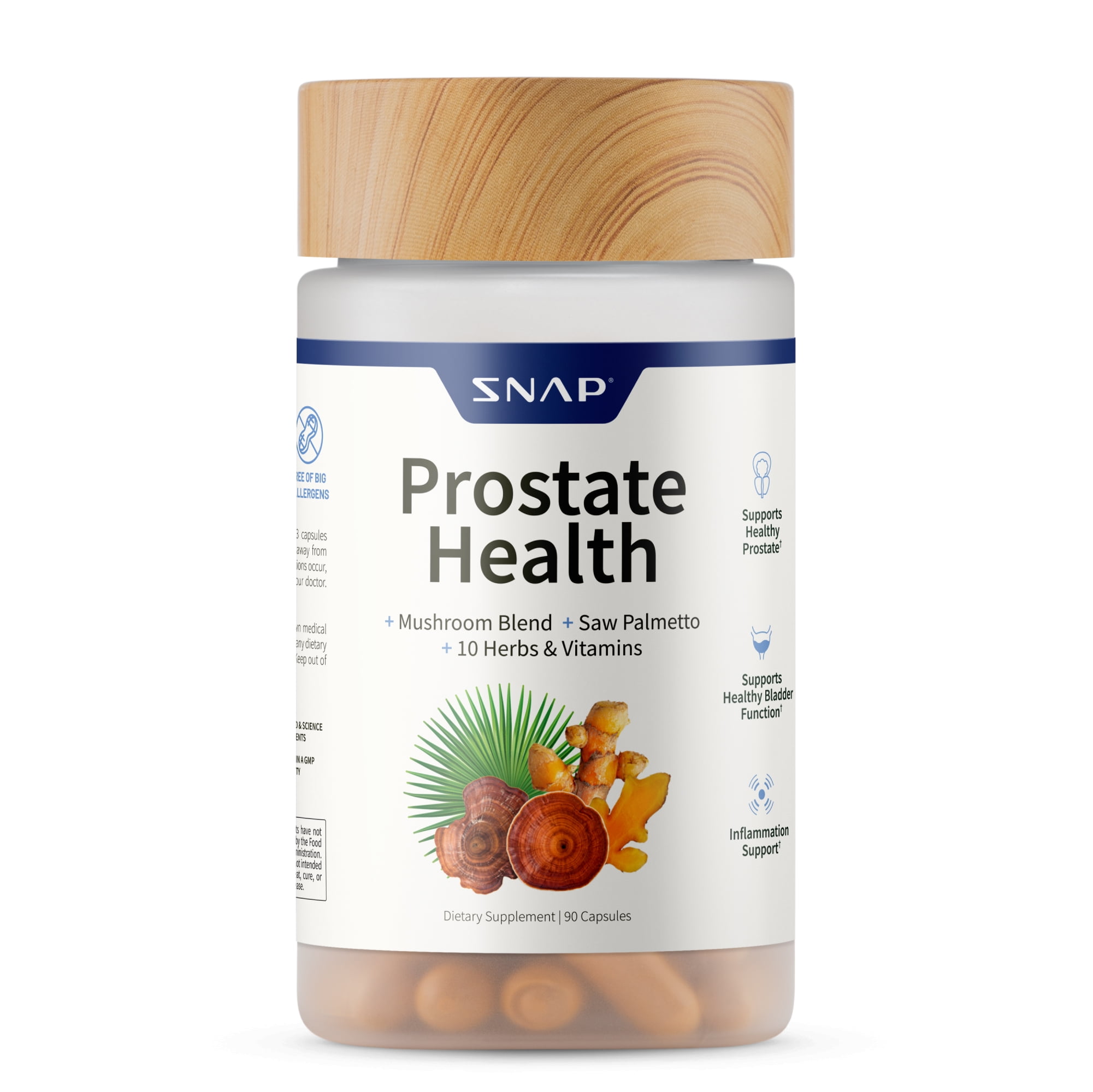
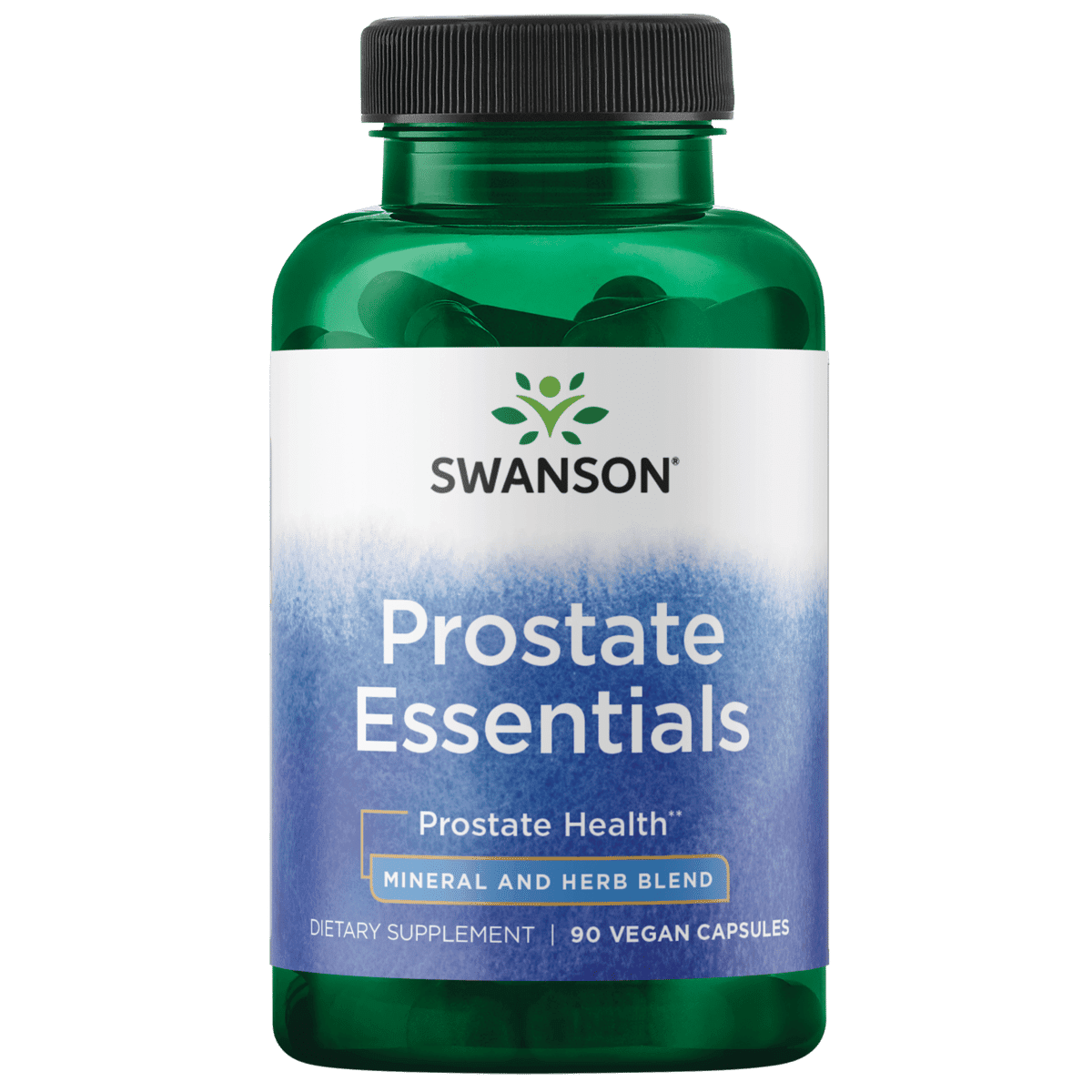
Internet searches frequently pair well-known television personalities like Al Roker with natural health products, particularly prostate supplements promising to boost health naturally. In reality, these online advertisements are almost exclusively unauthorized deepfakes or misleading marketing ploys that misuse the names and likenesses of trusted public figures to sell unverified dietary supplements.
Consumers navigating the vast and largely unregulated market of herbal and dietary supplements often encounter aggressive marketing campaigns. These promotions frequently leverage the authority of beloved media figures to bypass critical consumer skepticism. Understanding how these online scams operate, what ingredients are typically found in prostate health formulas, and how to evaluate medical claims objectively is essential for protecting both personal health and financial resources.
The Reality of Celebrity Endorsements in Health Supplements
The digital landscape is saturated with sponsored content, social media advertisements, and search engine results that falsely claim public figures endorse specific wellness products. Celebrities such as long-time Today show weatherman Al Roker have repeatedly been victims of unauthorized digital impersonation. Scammers utilize advanced artificial intelligence, deepfake video technology, and fabricated news articles to trick consumers into believing a trusted personality has personally used and profited from a miracle health cure.
When evaluating claims regarding an al roker prostate supplement, buyers must recognize that legitimate journalists and television hosts are bound by strict journalistic integrity guidelines and federal regulations. Public figures do not typically promote specialized medical formulations or over-the-counter therapeutic remedies through obscure e-commerce landing pages. The Federal Trade Commission (FTC) regularly issues warnings against deceptive health product endorsements, emphasizing that unauthorized associations are a primary indicator of predatory or fraudulent marketing tactics.
Common Ingredients Found in Natural Prostate Support Formulas
While specific scam products change names and branding frequently, the underlying formulations often rely on a standard set of botanical extracts and micronutrients commonly marketed for male urinary and prostate health. These ingredients are studied to varying degrees by urological researchers, though their efficacy in treating medical conditions remains subject to clinical evaluation.
- Saw Palmetto (Serenoa repens): A palm extract frequently used in supplements aimed at reducing urinary symptoms associated with benign prostatic hyperplasia (BPH). Clinical trials, including studies published by the National Institutes of Health (NIH), show mixed results regarding its effectiveness compared to prescription medications.
- Beta-Sitosterol: A plant sterol found in fruits, vegetables, nuts, and seeds. It is marketed to help improve urinary flow and reduce residual urine volume in men experiencing age-related prostate enlargement.
- Pygeum Africanum: Derived from the bark of the African cherry tree, this extract is traditionally used to manage lower urinary tract symptoms, though robust long-term human data remains limited.
- Zinc and Selenium: Essential minerals that play a critical role in normal prostate function and cellular health. While deficiencies can impact immune and reproductive systems, excessive supplementation does not necessarily confer additional protection.
Evaluating Prostate Health Products: A Comparative Framework
When shopping for dietary supplements, distinguishing between reputable brands and predatory marketing operations requires a systematic review of labeling, manufacturing standards, and clinical backing. The following table contrasts common characteristics of legitimate wellness products against deceptive online scams.
| Evaluation Metric | Reputable Supplement Brands | Deceptive Celebrity Scams |
|---|---|---|
| Endorsement Source | Independent third-party testing; transparent scientific backing. | Unauthorized use of celebrity names, deepfakes, or fake news sites. |
| Manufacturing Standards | Produced in GMP-certified (Good Manufacturing Practice) facilities. | Obscure or untraceable manufacturing origins with no quality oversight. |
| Ingredient Transparency | Exact dosages and standardized extracts clearly listed on the label. | Proprietary blends hiding exact ingredient quantities behind vague terms. |
| Purchasing and Billing | Secure checkout, transparent pricing, and clear return policies. | Forced recurring subscription traps, hidden fees, and difficult cancellation processes. |
Medical Considerations and Safety Warnings for Prostate Supplements
Self-diagnosing and treating urinary symptoms with over-the-counter supplements can carry hidden medical risks. Conditions such as benign prostatic hyperplasia (BPH) share overlapping symptoms with more serious urological diseases, including prostate cancer. Relying on an unverified herbal supplement instead of seeking professional medical evaluation can delay the diagnosis of aggressive conditions.
Furthermore, natural ingredients are not biologically inert. Botanical extracts can interact negatively with prescription medications, including blood thinners, antihypertensives, and hormone therapies. Patients diagnosed with prostate conditions should consult a qualified urologist or primary care physician before introducing new dietary supplements into their daily routine. Professional medical guidance ensures that any chosen intervention aligns with comprehensive health needs and does not interfere with existing treatment plans.
Consumer Protection and How to Spot Online Scams
Protecting oneself from fraudulent health supplement campaigns requires vigilance and adherence to established consumer safety practices. Scammers frequently rely on high-pressure tactics, such as limited-time discounts, countdown timers, and fabricated scarcity, to rush consumers into making impulsive purchases before verifying the product's claims.
- Verify the Source: Check official social media channels or verified news outlets to confirm whether a public figure has actually endorsed a product. If the claim only appears on obscure sales landing pages, it is likely false.
- Read the Fine Print: Scam websites often hide recurring billing terms and unfavorable auto-shipment conditions at the very bottom of the checkout page in low-contrast text.
- Check Regulatory Databases: Consult agencies like the FTC or the Food and Drug Administration (FDA) to see if the manufacturing company has received warning letters for deceptive trade practices or unapproved drug claims.
- Consult Your Physician: Bring product ingredient lists to routine medical appointments to verify safety and relevance to individual health markers.
Frequently Asked Questions
Did Al Roker actually create or endorse a prostate supplement?
No. Al Roker has no affiliation with any prostate health supplement. Advertisements claiming otherwise are unauthorized scams utilizing deepfake technology, manipulated images, and fabricated articles to deceive consumers.
Are natural prostate supplements regulated by the FDA?
Dietary supplements are regulated by the FDA under a different set of guidelines than prescription drugs. Manufacturers are responsible for ensuring product safety before marketing, but the FDA does not pre-approve dietary supplements for efficacy or safety prior to sale.
Can herbal supplements shrink an enlarged prostate?
While certain botanical extracts like saw palmetto or beta-sitosterol may help alleviate mild urinary symptoms associated with an aging prostate, scientific evidence regarding their ability to physically shrink an enlarged prostate is inconclusive and varies significantly by individual.
What are the dangers of falling for online supplement scams?
Beyond financial loss through hidden subscription fees and overpriced products, unverified supplements may contain undeclared ingredients, incorrect dosages, or contaminants that pose serious risks to cardiovascular and liver health.
What steps should I take if I experience prostate or urinary symptoms?
Men experiencing changes in urinary frequency, weak stream, or discomfort should schedule an appointment with a board-certified urologist or primary care physician to undergo proper diagnostic evaluations, such as a digital rectal exam or a PSA blood test.
Safe Navigation of Health and Wellness Information
Navigating the modern marketplace requires a healthy skepticism toward miracle cures and celebrity endorsements found online. When evaluating health products, prioritize transparency, peer-reviewed scientific evidence, and guidance from licensed medical professionals over aggressive digital marketing. Safeguarding personal well-being starts with informed decision-making and relying on established healthcare channels rather than unverified internet advertisements.