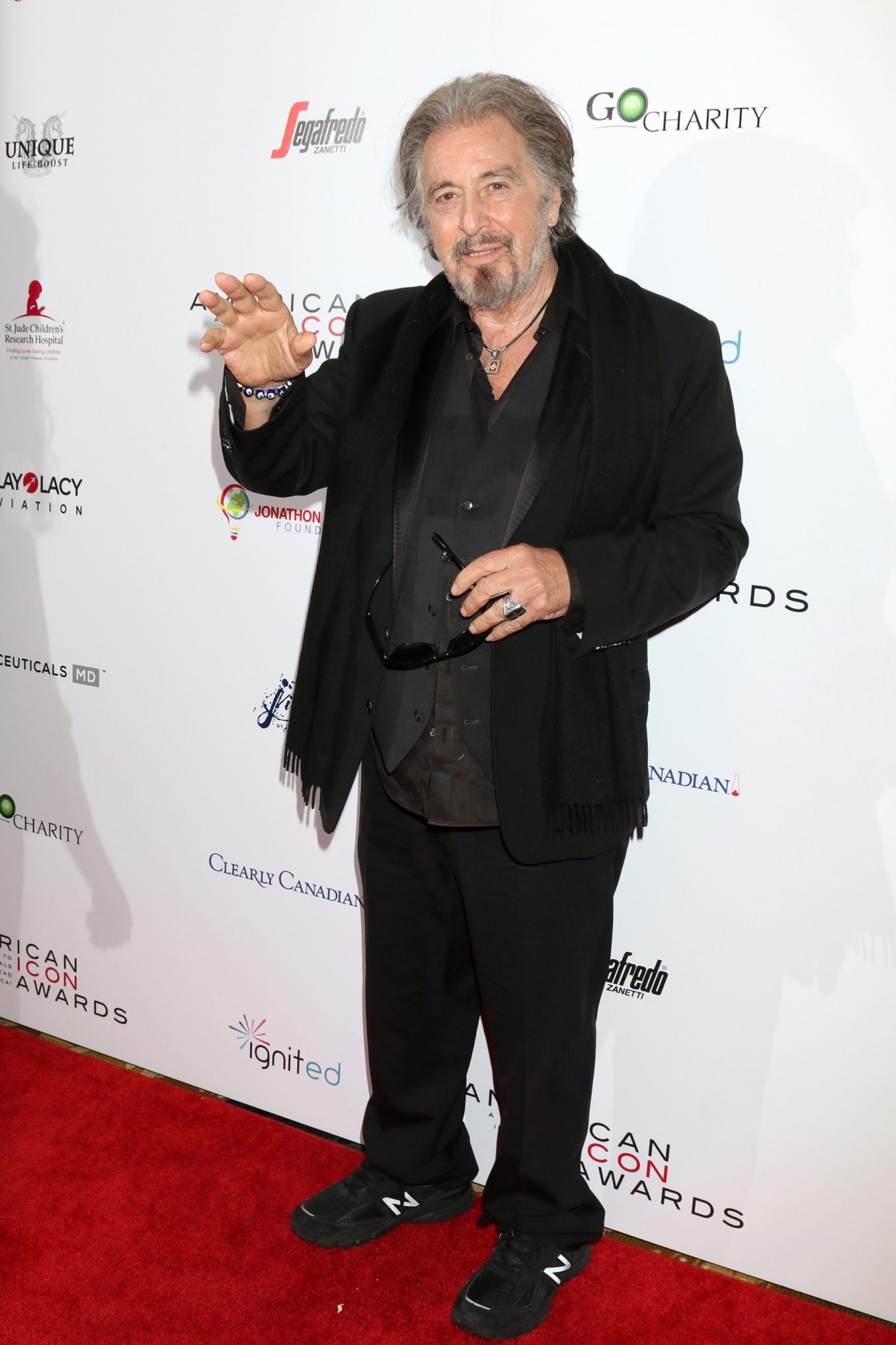
Al Pacino managed his physical transformations—from his lean, contained frame in The Godfather to the wiry, intense physique of Scarface—by prioritizing interior character work and classic theatrical discipline over publicized fitness trends. By avoiding body-transformation PR campaigns, keeping his diet and conditioning routines private, and focusing on posture and kinetic energy, Pacino preserved the illusion of his screen roles without turning his health habits into public spectacle.
The Method Behind the Frame: Al Pacino’s Approach to Physical Transformation
Throughout a screen career spanning more than five decades, Al Pacino has consistently reshaped his physical appearance to reflect the psychological state of his characters. Unlike contemporary Hollywood stars whose weight losses, muscle gains, and diet plans are routinely turned into press campaigns, Pacino treated body alteration as a quiet, secondary element of character preparation. Derived from his training at the HB Studio and the Actors Studio under Lee Strasberg, his methodology treats physical shape not as an aesthetic end, but as an outer expression of internal tension.
For Pacino, weight management was rarely about vanity or achieving a static physical ideal. Instead, his body shifts—whether shedding weight to portray a restless, erratic criminal or carrying a heavier, grounded stance for an aging authority figure—served the dramatic requirements of the scene. By maintaining strict personal boundaries around his preparation, Pacino ensured that audiences reacted to the character on screen rather than the celebrity’s fitness routine.
This quiet stance allowed his transformations to remain understated yet deeply convincing. While film history often highlights rapid, dramatic weight fluctuations like Robert De Niro’s prep for Raging Bull or Christian Bale’s extreme shifts in The Machinist, Pacino operated through subtle shifts in weight, posture, gait, and vocal resonance.
Key Role Transformations: Subtle Weight Shifts from The Godfather to Scarface
Understanding how Pacino used his physical frame requires examining his most iconic performances, where shifts in body mass directly mirrored his characters' psychological arcs.
AL PACINO PHYSICAL EVOLUTION
- 1970s: Lean, Controlled (The Godfather, Serpico)
- Focus on stillness, sharp eye line, economy of motion
- 1980s: Wiry, Gaunt Energy (Scarface)
- Weight cut to highlight volatile, erratic momentum
- 1990s: Kinetic, Heavy Presence (Scent of a Woman, Heat)
- Fuller posture, vocal projection, expressive gestures
- 2000s–Present: Mature Endurance (The Irishman, Stage)
- Adaptations for aging, vocal protection, stamina
The Godfather (1972) and The Godfather Part II (1974)
When Pacino stepped into the role of Michael Corleone, his slender build emphasized youth, vulnerability, and initial detachment from his family's criminal enterprise. As Michael transitioned from a decorated war veteran into a cold crime lord, Pacino did not rely on heavy muscle building. Instead, he maintained a trim, tailored silhouette, using stillness and upright posture to project calculated authority. The physical restraint made his sudden bursts of violence far more jarring.
Scarface (1983)
To play Tony Montana, Pacino underwent one of his most distinct physical shifts. He dropped significant weight to achieve a wiry, gaunt, and hyperactive look suitable for a character consumed by paranoia and substance abuse. Pacino worked out regularly and adjusted his diet to lean out, but he kept the specifics of his regimen out of the media. On set, his reduced body weight gave his movements an erratic, predatory edge, allowing his clothes to drape loosely and visually reinforce Montana's manic decline.
Scent of a Woman (1992) and Heat (1995)
By the 1990s, Pacino’s physique had filled out, reflecting his transition into mature, high-intensity roles. Playing Lieutenant Colonel Frank Slade in Scent of a Woman—a role that earned him the Academy Award for Best Actor—required a heavier, grounded presence to convey a retired military officer navigating blindness. In Heat, playing LAPD Lieutenant Vincent Hanna, Pacino maintained a fast-paced, kinetic energy that relied heavily on physical stamina during long shooting schedules, all while avoiding public discussion of his workout habits.
Why Pacino Avoided the Public Hollywood Fitness Machine
In modern cinema, extreme body shifts are routinely leveraged as marketing tools. Press tours frequently detail calorie counts, personal trainers, and grueling daily schedules. Pacino purposefully avoided this publicity model for several key reasons:
- Preservation of Dramatic Illusion: Pacino believed that disclosing the mundane details of exercise regimens breaks the audience’s suspension of disbelief. If viewers are thinking about an actor's low-carb diet, they are less likely to buy into the character's reality.
- Roots in New York Theater Culture: Coming from the 1960s New York stage scene, Pacino inherited a tradition that prioritized voice, spatial awareness, and textual interpretation over superficial body metrics.
- Protection of Personal Privacy: Throughout his long career, Pacino maintained a clear boundary between his public work and private life. Discussing personal health habits, body weight, or private medical routines was antithetical to his personal ethos.
- Focus on Emotional Rather Than Numerical Change: Rather than targeting a specific number on the scale, Pacino tailored his body to fit the movement style required for a script—such as the stooped walk of an exhausted detective or the quick stride of a street hustler.
Physicality, Aging, and Longevity in Screen Performance
Maintaining high energy across seven decades in film and theater requires careful physical management, particularly as an actor transitions into late-career roles. Pacino’s approach to aging highlights how physical adaptations can preserve career longevity without requiring radical or dangerous bodily changes.
As Pacino moved into his 60s, 70s, and 80s, his roles shifted toward complex patriarchs, real-life historical figures, and aging operators. In Martin Scorsese’s The Irishman (2019), Pacino portrayed Jimmy Hoffa across several decades of life. While digital de-aging technology was utilized for visual youthfulness, the physical demands of the role required genuine bodily agility, quick sitting-to-standing movements, and vocal strength.
TRADITIONAL vs. PACINO APPROACH TO ACTOR PHYSICALITY
| Modern Celebrity Model | Al Pacino Method |
|---|---|
| Publicized weight goals | Private physical prep |
| Sponsored workout plans | Theater-based movement |
| Focus on muscle/aesthetics | Focus on posture & voice |
| Press-driven narrative | Character-first focus |
Rather than trying to artificially project youth through unnatural weight loss or cosmetic vanity, Pacino adapted his acting to match his natural body changes. He emphasized expressive hand gestures, sharp head movements, and vocal cadence to project presence on screen, demonstrating that physical acting depends as much on movement control as it does on body weight.
Comparative Breakdown: Al Pacino’s Body Transformations Across Iconic Eras
The table below outlines how Pacino adjusted his physical prep, body frame, and movement strategy across key phases of his career.
| Film / Era | Character Type | Physical & Weight Adjustment | Key Physical Technique | Public Disclosure Level |
|---|---|---|---|---|
| The Godfather (1972) | Reserved mafia heir | Slender, light frame; clean-cut silhouette | Rigid stillness, controlled eye contact, deliberate posture | None; kept strictly to character work |
| Serpico (1973) | Undercover detective | Lean, athletic, unkempt street look | Loose, erratic movement; fast walk; casual stance | Minimal; highlighted natural street movement |
| Scarface (1983) | Volatile drug kingpin | Gaunt, noticeably lean weight cut | Kinetic, tense gait; loose clothing emphasizing thinness | Low; refused to publicize diet or exercise details |
| Sea of Love (1989) | Burned-out police detective | Natural middle-weight, weathered look | Heavy-footed walk, visible fatigue in physical posture | None; focused on character fatigue |
| Scent of a Woman (1992) | Retired military officer | Broad, heavier, rigid upper body | Stiff spine, unseeing directional focus, booming vocal projection | Minimal; emphasized rehearsal for sight impairment |
| Heat (1995) | High-strung LAPD detective | Trim, high-stamina physical conditioning | Sudden explosive movements, rapid shifts in posture | None; kept fitness prep fully private |
| The Irishman (2019) | Labor leader Jimmy Hoffa | Solid, mature build; energetic gait | Rapid seated-to-standing shifts, aggressive hand gestures | Low; discussed physical staging, not personal fitness |
Managing Health and Energy Behind the Scenes
While Pacino rarely discussed workouts or diets, key lifestyle adjustments over his career helped him maintain high performance levels into his 80s.
Vocal Protection and Smoking Cessation
Early in his career, Pacino was a heavy smoker, a habit that contributed to his trademark raspy vocal timbre. However, in the 1990s, he gave up smoking to protect his voice and endurance for demanding stage and screen projects. Preserving his vocal range became a core part of maintaining physical presence without needing to rely on sheer muscular size.
Stage Conditioning and Physical Theatre
Pacino frequently returned to the stage throughout his career, performing in productions such as Looking for Richard, Salome, and The Merchant of Venice. Stage acting acts as a rigorous physical workout, requiring two to three hours of continuous movement, balance, and vocal projection per performance. This theatrical discipline kept him conditioned naturally without requiring traditional gym culture.
Balanced Nutrition over Extreme Diets
Unlike actors who undergo rapid dehydration or extreme carb-cycling for shirtless screen scenes, Pacino avoided drastic metabolic swings. His weight changes were generally modest cuts or gains managed over natural prep timelines, which reduced long-term strain on his health and allowed him to maintain energy during long film shoots.
Lessons from Pacino’s Discreet Approach to Actor Fitness
Pacino's long career offers clear insights into how physical prep can be integrated into creative work without relying on media hype:
- Prioritize Function Over Aesthetics: Focus on how the body moves, sits, and reacts within a role rather than targeting arbitrary weight numbers or visual muscle definitions.
- Protect the Craft Through Privacy: Keeping preparation methods private helps maintain character authenticity and avoids shifting audience focus onto personal routines.
- Leverage Posture and Vocal Presence: Physical presence depends heavily on how weight is carried, how posture is held, and how breath supports speech.
- Build Sustainable Longevity: Avoid dangerous, rapid weight swings that strain metabolic and cardiovascular health, favoring steady, sustainable conditioning instead.
Frequently Asked Questions
Did Al Pacino ever publicly release a workout plan or diet routine?
No. Pacino has avoided releasing branded workout routines, diet books, or fitness endorsements. He has consistently treated physical conditioning as a private element of his acting prep.
How much weight did Al Pacino lose for his role in Scarface?
While Pacino never released exact scale weight figures, he lost noticeable weight prior to filming in 1982. The weight loss was intentional, designed to give Tony Montana a lean, gaunt, and hyperactive appearance that matched the character's intense lifestyle.
Did Al Pacino use extreme weight shifts like other Method actors?
No. Unlike actors who gain or lose 50 to 60 pounds for specific roles, Pacino preferred subtle, moderate body shifts. He focused primarily on posture, gait, vocal placement, and movement dynamics rather than dramatic weight alterations.
How did Al Pacino stay physically fit for long stage performances later in life?
Pacino relied on regular stage work, vocal conditioning, and healthy daily habits—including quitting smoking in the 1990s. The physical demands of theater acting helped him maintain core strength, balance, and vocal power into his later decades.
The Lasting Legacy of a Quietly Disciplined Master
Al Pacino’s physical transformations remain compelling because they serve the dramatic needs of his roles rather than personal brand marketing. By keeping his diet, weight management, and fitness preparation private, he ensured that his physical changes enhanced his characters rather than distracting from them. For actors, cinephiles, and performance artists, Pacino’s body of work demonstrates that true screen presence is built through subtle physical movement, disciplined craft, and deep character commitment—not publicized fitness trends.