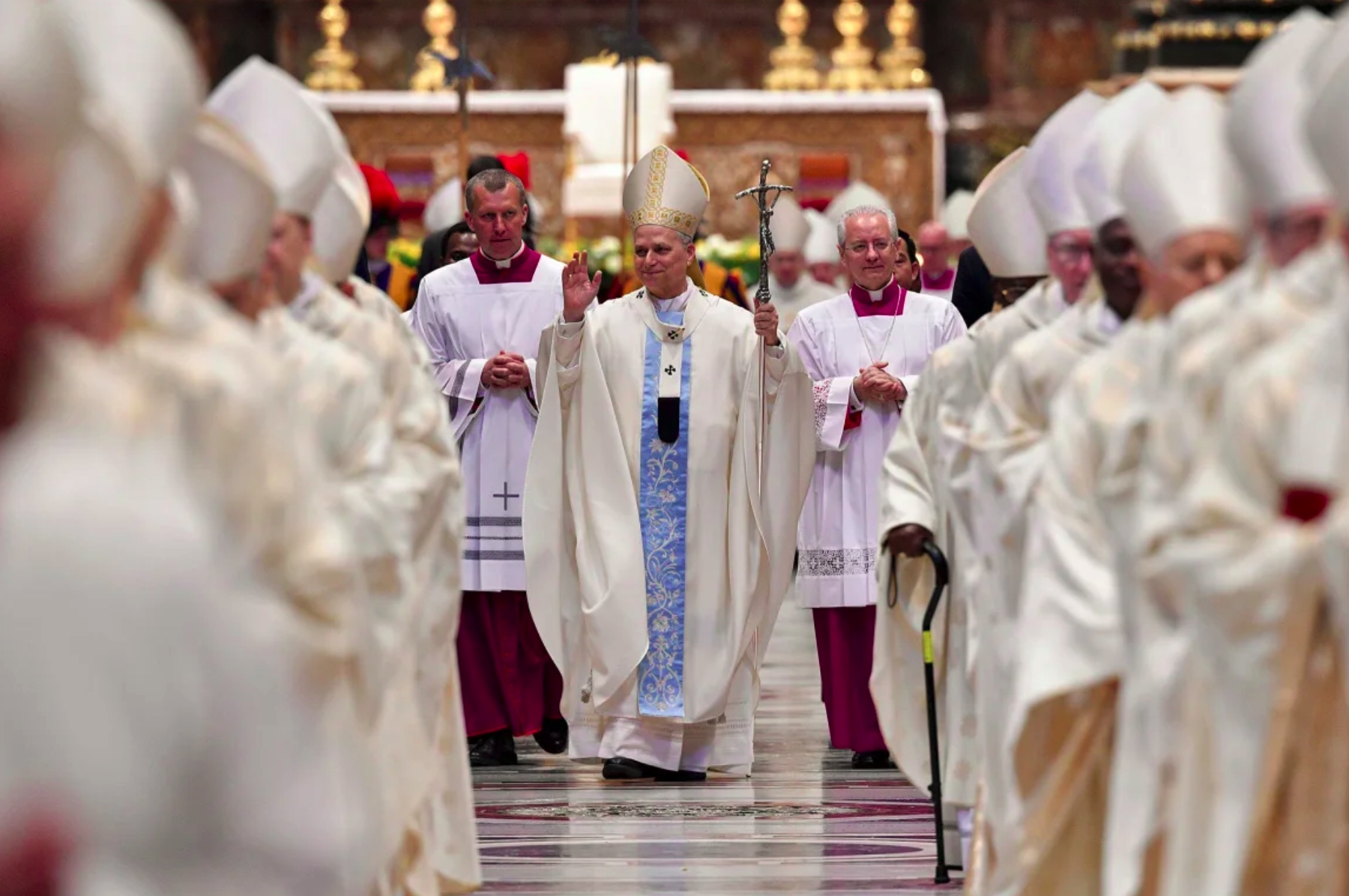
In May 2024, legendary Academy Award-winning actor Al Pacino met Pope Francis during a private audience at the Vatican in Rome. The high-profile encounter brought together one of cinema's most influential figures and the head of the Catholic Church, highlighting Pope Francis's longstanding engagement with global cultural icons and Pacino's deep personal ties to his Italian heritage.
The Context of the Vatican Meeting: When and Where It Took Place
The meeting between Al Pacino and Pope Francis took place in May 2024 within the historic confines of Vatican City. Arranged as a private audience, the event permitted the acclaimed actor to meet the Pontiff away from the public spectacle of general papal audiences. While private audiences at the Vatican are routinely scheduled for world leaders, diplomats, and religious figures, Pope Francis has consistently reserved space on his official calendar for prominent leaders in the arts, literature, and cinema.
Details surrounding the precise logistics of the visit were handled quietly by Vatican protocol officers and representatives accompanying Pacino. The visit occurred during a period when Pacino was reflecting extensively on his life and storied career—reflections that culminated in his published memoir, Sonny Boy. Photographs released following the meeting captured the two men exchanging warm greetings inside the Apostolic Palace, marking a memorable convergence of Hollywood royalty and ecclesiastical leadership.
Private papal audiences generally last between fifteen and thirty minutes, providing a brief but meaningful window for personal dialogue, formal greetings, and the exchange of traditional gifts or tokens of respect. For Pacino, who was 84 years old at the time of the meeting, the audience represented a rare and reflective milestone in a career spanning more than six decades.
Key Details and Insights from the Audience
While the specific, line-by-line dialogue of private papal audiences remains confidential under Vatican protocol, credible reports and visual documentation from the visit shed light on the core nature of the encounter:
- Warm Personal Exchange: Photographs and eyewitness reporting described an atmosphere of mutual respect and warmth. Pope Francis, known for his approachable and personable demeanor during one-on-one meetings, greeted Pacino warmly.
- Focus on Art and Narrative: Pope Francis has frequently articulated his belief that cinema and storytelling hold a unique power to illuminate human suffering, hope, and redemption. The conversation emphasized the role of performance art in reflecting universal human experiences.
- Cultural and Heritage Connections: Pacino's Italian lineage served as an immediate cultural bridge during the audience. Speaking with the Argentine-born Pope—who is himself of Italian descent—the conversation drew upon shared cultural affinities and appreciation for Italian history.
The exchange concluded with standard papal protocol, including a traditional blessing and photograph session. Photographs of Pacino and Pope Francis smiling and shaking hands quickly circulated across international media outlets, drawing significant interest from film enthusiasts and cultural commentators worldwide.
The Cinematic Connection: The Godfather Part III and Vatican Lore
For film historians and enthusiasts, Al Pacino’s real-life meeting with the Pope resonated deeply because of his famous fictional history with the Vatican on screen. In Francis Ford Coppola's 1990 film The Godfather Part III, Pacino’s character, Michael Corleone, becomes entangled in a narrative centered on the Vatican Bank and high-level Church politics.
One of the most celebrated dramatic sequences in The Godfather Part III features Michael Corleone seeking spiritual counsel and making a tearful confession to Cardinal Lamberto (played by Raf Vallone), a character who in the film is subsequently elected as Pope John Paul I. In that pivotal scene, Corleone opens up about his deepest guilt and sins, creating one of the most intense explorations of morality, guilt, and Catholic sacraments ever depicted in mainstream American cinema.
Fictional Representation vs. Real-Life Vatican Engagement Fictional (*The Godfather Part III*): - Michael Corleone navigates Vatican financial scandals. - Sacramental confession focused on crime and moral tragedy. - Dramatic cinematic portrayal of papal succession. Real Life (May 2024 Papal Audience): - Al Pacino engages in a private cultural audience with Pope Francis. - Focus on artistic contribution, heritage, and human storytelling. - Formal diplomatic and pastoral protocol at the Apostolic Palace.
The contrast between the dark, tragic fiction of The Godfather Part III and the serene reality of Pacino’s 2024 meeting with Pope Francis was noted by film critics globally. While Michael Corleone sought redemption in a script fraught with intrigue, Pacino entered the Vatican as an esteemed elder statesman of international cinema, greeted by a Pope who has consistently championed the humanitarian value of narrative art.
Furthermore, Pacino’s personal roots trace back to Corleone, Sicily—the origin town of his maternal grandparents. This real-world ancestral origin gave his presence at the Vatican an added layer of historic symmetry, bridging his family's Sicilian roots with the seat of the Catholic Church.
Pope Francis's History of Encounters with Hollywood Legends
Al Pacino’s visit is part of a broader, deliberate strategy by Pope Francis to maintain open dialogue with influential figures from global popular culture. Throughout his pontificate, Pope Francis has routinely granted audiences to actors, directors, musicians, and artists, recognizing their massive influence over global public discourse.
The Pontiff has often emphasized that artists possess a prophetic voice, capable of raising awareness about social injustice, environmental stewardship, human dignity, and poverty. By engaging directly with figures like Pacino, Pope Francis reinforces the Church's interest in contemporary culture and contemporary mediums of human expression.
Other notable Hollywood figures who have received private audiences with Pope Francis include:
- Martin Scorsese: The legendary director has met Pope Francis on multiple occasions, discussing film projects such as Silence (2016) and participating in Vatican conferences on aesthetics and narrative storytelling.
- Sylvester Stallone: In September 2023, Stallone met Pope Francis alongside his family, engaging in a widely publicized, lighthearted interaction in which the Pope noted growing up watching Stallone's films.
- Leonardo DiCaprio: In January 2016, DiCaprio met with Pope Francis to discuss shared concerns regarding environmental conservation, climate change, and global ecological sustainability.
- Arnold Schwarzenegger: The actor and former California governor met Pope Francis at the Vatican in 2017 to focus on clean energy and environmental initiatives.
Comparative Overview of Notable Hollywood Papal Audiences
To understand where Al Pacino’s visit fits within the broader tradition of papal meetings with entertainment leaders, the following table summarizes several prominent audiences held by Pope Francis.
| Public Figure | Year of Audience | Primary Focus / Context | Notable Highlights & Outcomes |
|---|---|---|---|
| Al Pacino | 2024 | Cultural tribute, art, personal reflection | Discussion of cinematic heritage, artistic storytelling, and Italian lineage. |
| Sylvester Stallone | 2023 | Private family audience | Lighthearted exchange regarding cinema; Pope expressed familiarity with Stallone's career. |
| Martin Scorsese | 2016 / 2023 | Faith, narrative art, and cinema | Discussions regarding religious themes in cinema and the release of Silence. |
| Leonardo DiCaprio | 2016 | Environmental stewardship | Shared dialogue on climate change; presentation of an art book to the Pope. |
| Arnold Schwarzenegger | 2017 | Climate change and global policy | Presentation of environmental initiatives and discussion on public health. |
| Cate Blanchett | 2024 | Refugee advocacy and human rights | Focus on global displacement, humanitarian aid, and social justice. |
Cultural and Legacy Impact of the Encounter
The meeting between Al Pacino and Pope Francis holds broader cultural significance beyond a simple celebrity photo opportunity. It represents the point where high art, global celebrity, and institutional religion intersect.
A Reflection on Late-Career Legacy
For Al Pacino, meeting Pope Francis occurred during a reflective chapter of his life. Having achieved virtually every major accolade in acting—including an Academy Award, multiple Tony Awards, and Primetime Emmy Awards—Pacino’s legacy as an actor is secure. Engaging with the spiritual leader of over one billion Catholics provided a solemn, reflective moment for an actor who grew up in New York City amidst Italian-American Catholic culture.
The Role of Cinema in Modern Vatican Outreach
From the perspective of the Holy See, welcoming cinematic icons like Pacino aligns with the Catholic Church's long history of patronizing and engaging with the arts. Rather than viewing secular entertainment with detachment, Pope Francis’s administration has routinely sought out artists to foster cultural bridges. The Vatican has repeatedly stated that films capable of evoking empathy, reflection, and truth serve a valuable purpose in modern society.
Frequently Asked Questions
Did Al Pacino meet Pope Francis in person?
Yes. Al Pacino met Pope Francis in person during a private audience held at the Vatican in May 2024. The visit was documented through official photographs showing the two exchanging greetings inside the Apostolic Palace.
What was the main reason for Al Pacino's visit to the Vatican?
The visit was arranged as a private audience to honor Pacino’s contributions to global culture and cinema. It allowed the actor to engage in a personal meeting with Pope Francis, discussing art, human storytelling, and cultural heritage.
Has Al Pacino ever played a Pope in a film?
No, Al Pacino has never portrayed a Pope in a film. However, his character Michael Corleone famously interacted with a fictional future Pope (Cardinal Lamberto) in the 1990 film The Godfather Part III, which features a famous scene set inside the Vatican.
What is Al Pacino's personal religious background?
Al Pacino was raised in an Italian-American family in New York City and grew up surrounded by traditional Catholic heritage. While he has generally kept his personal spiritual beliefs private throughout his career, he has often spoken about his deep appreciation for his Italian roots and cultural upbringing.
How are private audiences with the Pope arranged for public figures?
Private papal audiences are coordinated through the Prefecture of the Papal Household in consultation with diplomatic channels, cultural organizations, or official representatives. The Vatican selects guests based on their international cultural contributions, humanitarian work, or official diplomatic standing.
Key Takeaways for Following Papal Audiences and Cultural News
When analyzing events involving high-profile cultural figures visiting the Holy See, observers should keep several practical guidelines in mind:
- Distinguish Official Vatican Releases from Rumor: The Holy See communicates official audiences through the Vatican Press Office (Sala Stampa). Official photographs and statements provide the primary verified source for who attended and what was formally discussed.
- Understand the Nature of Audiences: Private audiences differ significantly from public general audiences. While general audiences take place in St. Peter's Square or the Paul VI Audience Hall for thousands of pilgrims, private audiences take place in private chambers and offer direct conversation.
- Recognize Papal Engagement Patterns: Pope Francis's meetings with figures like Al Pacino, Martin Scorsese, and Sylvester Stallone reflect a intentional, ongoing effort to engage with international arts and culture, rather than isolated or random occurrences.