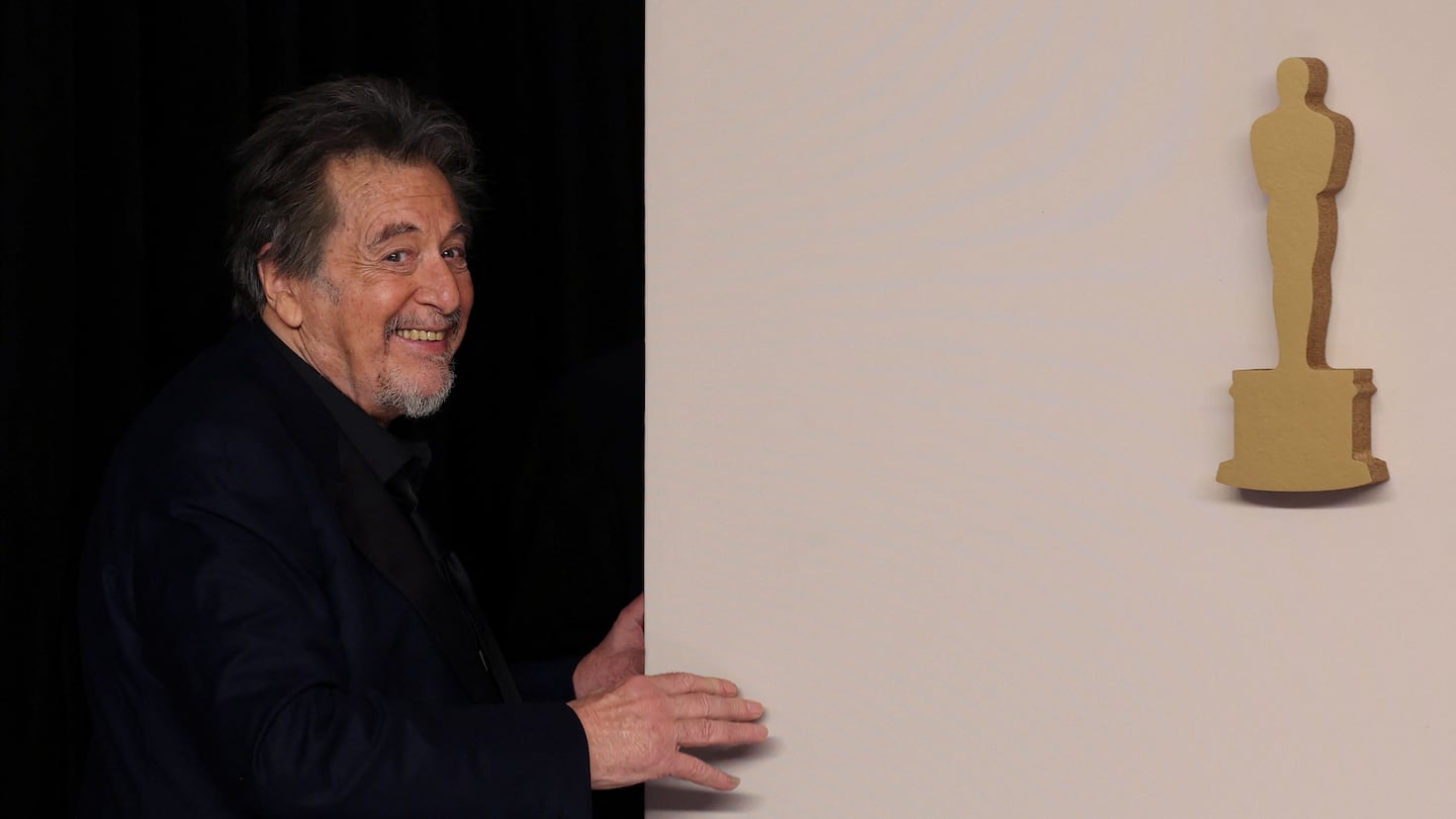
Al Pacino has earned nine Academy Award nominations throughout his multi-decade career, securing one win for Best Actor in a Leading Role for Scent of a Woman (1992). Despite delivering some of the most influential performances in cinema history during the 1970s, his singular Oscar victory reflects the complex dynamics of Academy voting.
The Complete Oscar Record: Tracking Al Pacino’s 9 Academy Award Nominations
Al Pacino’s relationship with the Academy of Motion Picture Arts and Sciences spans nearly five decades. Across his career, he has been nominated six times for Best Actor in a Leading Role and three times for Best Actor in a Supporting Role.
His journey through awards season illustrates a classic Hollywood narrative: early artistic breakthroughs that transformed screen acting, followed by years of competitive snubs, culminating in a career-capping victory in the early 1990s and continued recognition in his later years.
| Year (Ceremony) | Film | Category | Nominated Role | Result | Winner in Category |
|---|---|---|---|---|---|
| 1972 (45th) | The Godfather | Best Supporting Actor | Michael Corleone | Lost | Joel Grey (Cabaret) |
| 1973 (46th) | Serpico | Best Leading Actor | Frank Serpico | Lost | Jack Lemmon (Save the Tiger) |
| 1974 (47th) | The Godfather Part II | Best Leading Actor | Michael Corleone | Lost | Art Carney (Harry and Tonto) |
| 1975 (48th) | Dog Day Afternoon | Best Leading Actor | Sonny Wortzik | Lost | Jack Nicholson (One Flew Over the Cuckoo's Nest) |
| 1979 (52nd) | ...And Justice for All | Best Leading Actor | Arthur Kirkland | Lost | Dustin Hoffman (Kramer vs. Kramer) |
| 1990 (63rd) | Dick Tracy | Best Supporting Actor | Alphonse "Big Boy" Caprice | Lost | Joe Pesci (Goodfellas) |
| 1992 (65th) | Glengarry Glen Ross | Best Supporting Actor | Ricky Roma | Lost | Gene Hackman (Unforgiven) |
| 1992 (65th) | Scent of a Woman | Best Leading Actor | Lieutenant Colonel Frank Slade | Won | Al Pacino |
| 2019 (92nd) | The Irishman | Best Supporting Actor | Jimmy Hoffa | Lost | Brad Pitt (Once Upon a Time in Hollywood) |
The 1970s Golden Run: Four Consecutive Nominations and Famous Losses
The 1970s represents one of the most extraordinary creative runs by any actor in American film history. Between 1972 and 1975, Pacino earned four consecutive Oscar nominations, establishing the introspective, naturalistic style associated with New Hollywood cinema.
The Godfather (1972) and Category Category Controversy
Pacino’s breakthrough performance as Michael Corleone in Francis Ford Coppola’s The Godfather earned him a Best Supporting Actor nomination at the 45th Academy Awards. However, the nomination generated immediate controversy.
Pacino openly boycotted the ceremony, arguing that Michael Corleone had significantly more screen time than Marlon Brando, who was nominated for—and won—Best Actor for playing Vito Corleone. Pacino felt placing him in the supporting category was an unfair strategic campaign move by Paramount Pictures. The award ultimately went to Joel Grey for his electrifying performance as the Master of Ceremonies in Cabaret.
Serpico (1973)
The following year, Pacino transitioned to the Best Actor category for Sidney Lumet’s Serpico, playing real-life NYPD whistleblower Frank Serpico. Pacino captured the paranoid tension and moral isolation of an honest cop exposing systemic police corruption.
Despite winning the Golden Globe for Best Actor in a Motion Picture – Drama, Pacino lost the Oscar to Jack Lemmon for Save the Tiger. Critics at the time noted that Lemmon’s win served as a veteran honor for a beloved Hollywood fixture, setting a precedent that would repeat throughout Pacino's career.
1970s Oscar Streak:
- 1972: The Godfather (Supporting) - Lost to Joel Grey
- 1973: Serpico (Leading) - Lost to Jack Lemmon
- 1974: Godfather Part II (Leading) - Lost to Art Carney
- 1975: Dog Day Afternoon (Leading) - Lost to Jack Nicholson
The Godfather Part II (1974)
Pacino’s loss at the 47th Academy Awards for The Godfather Part II remains one of the most widely debated decisions in Academy history. As Michael Corleone, Pacino delivered a quiet, devastating portrayal of a man consolidating political power while decaying morally from within.
While The Godfather Part II swept major categories—winning Best Picture, Best Director for Coppola, and Best Supporting Actor for Robert De Niro—Pacino lost Best Actor to Art Carney for the comedy-drama Harry and Tonto. Film historians often cite this loss as a primary example of Academy voters leaning toward lighter, warmer performances over brooding character studies.
Dog Day Afternoon (1975)
Pacino’s fourth consecutive nomination came for Sidney Lumet’s anti-establishment crime drama Dog Day Afternoon. Playing Sonny Wortzik, a desperate, erratic bank robber trying to pay for his partner’s gender-affirming surgery, Pacino gave a high-energy performance anchored by real emotional vulnerability.
His performance dominated the film, but he faced an unbeatable competitor: Jack Nicholson, who delivered a career-defining performance as Randle McMurphy in One Flew Over the Cuckoo's Nest. Nicholson swept the awards season, ending Pacino’s historic four-year streak without an Oscar win.
...And Justice for All and the 1980s Lull
After his intense output during the early 1970s, Pacino closed out the decade with a fifth nomination for Norman Jewison’s legal satire ...And Justice for All (1979). Playing idealistic defense attorney Arthur Kirkland, Pacino produced the iconic courtroom outburst, "You're out of order! You're out of order! The whole trial is out of order!"
While the speech became an enduring part of pop culture history, the Best Actor Oscar went to Dustin Hoffman for his performance in Kramer vs. Kramer.
During the 1980s, Pacino’s presence at the Academy Awards receded. His iconic performance as Tony Montana in Brian De Palma’s Scarface (1983) was polarizing upon release; its graphic violence and bombastic style alienating traditional Academy voters, resulting in zero nominations for the actor. He stepped back from full-time film acting in the mid-to-late 1980s to focus on theater and personal projects before mounting a major cinematic comeback at the start of the 1990s.
The 1990s Turning Point: Double Nominations and the Best Actor Victory
By 1990, Pacino returned to mainstream critical acclaim, picking up a Best Supporting Actor nomination for Warren Beatty’s Dick Tracy, playing the comical mob boss Alphonse "Big Boy" Caprice. Though Joe Pesci won the category for Goodfellas, Pacino demonstrated a renewed versatility that set up his pivotal year at the 65th Academy Awards in 1993.
The Historic Dual Nomination of 1992
At the 65th Academy Awards, held on March 29, 1993, Pacino achieved a rare feat: he was nominated in two distinct acting categories in the exact same year.
- Best Supporting Actor: Nominated for his role as ruthless real estate agent Ricky Roma in David Mamet's Glengarry Glen Ross.
- Best Actor: Nominated for his role as blind, retired U.S. Army Lieutenant Colonel Frank Slade in Martin Brest's Scent of a Woman.
In the supporting category, Gene Hackman took home the Oscar for his intimidating portrayal of Little Bill Daggett in Clint Eastwood’s Unforgiven. However, the night belonged to Pacino in the leading actor category.
The Best Actor Win for Scent of a Woman
Pacino was awarded the Best Actor Oscar for Scent of a Woman, defeating an impressive slate of nominees: Denzel Washington (Malcolm X), Clint Eastwood (Unforgiven), Robert Downey Jr. (Chaplin), and Stephen Rea (The Crying Game).
Pacino’s portrayal of Frank Slade featured explosive vocal delivery—popularizing the catchphrase "Hoo-ah!"—alongside delicate physical acting to capture total vision loss.
Critical reception to the win was divided at the time, and that debate continues today. Many film critics acknowledged that while Pacino’s work in Scent of a Woman was vibrant and technically demanding, the award served partly as a collective "career achievement" honor from an Academy that had failed to recognize his work in The Godfather series, Serpico, or Dog Day Afternoon. Denzel Washington’s transformative performance in Malcolm X was widely championed by critics, making Pacino's win a frequent subject of awards-season comparisons.
The Modern Era Return: The Irishman and Late-Career Recognition
Following his 1992 win, Pacino entered a quarter-century stretch without an Oscar nomination, despite delivering memorable performances in major features like Heat (1995), Donnie Brasco (1997), and The Insider (1999).
That hiatus ended at the 92nd Academy Awards in 2020, when Pacino received his ninth nomination for Best Actor in a Supporting Role for Martin Scorsese’s epic crime saga The Irishman (2019).
- 1972 - 1979: Early Peak (5 Noms)
- 1990 - 1992: Mid-Career (3 Noms, 1 Win)
- 2019: Late Era (1 Nom)
In The Irishman, Pacino portrayed Union leader Jimmy Hoffa, marking his first-time collaboration with director Martin Scorsese. Playing opposite frequent co-star Robert De Niro and Joe Pesci, Pacino brought dynamic energy to Hoffa, balancing public bravado with quiet political miscalculation.
Though Brad Pitt won the category for Once Upon a Time in Hollywood, Pacino’s nomination re-established his place in contemporary awards discussions and highlighted his ability to deliver compelling late-career performances.
Evaluating Pacino's Academy Award Legacy: Makeup Wins vs. Artistic Impact
The relationship between Al Pacino and the Academy Awards underscores a recurring dynamic in Hollywood history: the gap between immediate award recognition and long-term cultural impact.
The "Makeup Oscar" Phenomenon
Film scholars frequently place Pacino’s 1992 Oscar victory alongside other famous "makeup wins" in Academy history:
- Paul Newman: Won Best Actor for The Color of Money (1986) after missing out for The Hustler and The Verdict.
- Martin Scorsese: Won Best Director for The Departed (2006) after being bypassed for Raging Bull and Goodfellas.
- John Wayne: Won Best Actor for True Grit (1969) after decades of defining the American Western without a competitive win.
In each instance, the Academy awarded a legend for a later, highly visible project, largely to correct decades of snubs for their most iconic masterpieces.
Method Acting and Cultural Legacy
Regardless of his single win against nine nominations, Pacino’s influence on screen acting is secure. Alongside contemporaries like Dustin Hoffman and Robert De Niro, Pacino brought the emotional intensity of Method acting into mainstream American cinema during the 1970s.
His portrayals of Michael Corleone, Frank Serpico, and Sonny Wortzik shifted how screenwriting, character development, and dramatic intensity were evaluated in Hollywood. Ultimately, while awards tallies offer historical context, Pacino's legacy is defined by performances that reshaped American filmmaking.
Frequently Asked Questions About Al Pacino’s Oscar History
How many Oscars has Al Pacino won?
Al Pacino has won one Academy Award. He won Best Actor in a Leading Role at the 65th Academy Awards for playing Lieutenant Colonel Frank Slade in Scent of a Woman (1992).
How many times has Al Pacino been nominated for an Oscar?
Al Pacino has been nominated for an Academy Award nine times across his career. Six nominations were for Best Actor in a Leading Role, and three were for Best Actor in a Supporting Role.
Did Al Pacino win an Oscar for The Godfather?
No. Pacino was nominated for Best Supporting Actor for playing Michael Corleone in The Godfather (1972), but lost to Joel Grey for Cabaret. He was later nominated for Best Actor for The Godfather Part II (1974), losing to Art Carney for Harry and Tonto.
Why did Al Pacino boycott the 1973 Academy Awards?
Pacino skipped the 45th Academy Awards because he was offended by being nominated in the Best Supporting Actor category for The Godfather. He believed that his character, Michael Corleone, had more screen time and lines than Marlon Brando, who was nominated in—and won—the Best Leading Actor category.
Who has beaten Al Pacino at the Oscars?
Pacino has lost in his categories to eight actors: Joel Grey (Cabaret), Jack Lemmon (Save the Tiger), Art Carney (Harry and Tonto), Jack Nicholson (One Flew Over the Cuckoo's Nest), Dustin Hoffman (Kramer vs. Kramer), Joe Pesci (Goodfellas), Gene Hackman (Unforgiven), and Brad Pitt (Once Upon a Time in Hollywood).
Has Al Pacino won any non-competitive Academy Awards?
No. Unlike some of his peers, Pacino has not received an Academy Honorary Award. However, he has received life achievement honors from other institutions, including the Cecil B. DeMille Award (2001) and the AFI Life Achievement Award (2007).
Exploring Pacino’s Filmography: A Viewer’s Guide
For film students, researchers, and general cinema enthusiasts seeking to evaluate Al Pacino’s awards legacy firsthand, reviewing his performances chronologically provides the best insight into his artistic evolution.
- Study the 1970s Breakthroughs: Begin with The Godfather (1972), Serpico (1973), The Godfather Part II (1974), and Dog Day Afternoon (1975). Pay attention to his minimalist, internal choices in the Corleone films versus his high-strung, expressive physical acting in Lumet's pictures.
- Examine the 1992 Double Nominations: Watch Glengarry Glen Ross and Scent of a Woman back-to-back to compare how Pacino handled contrasting scripts—Mamet’s fast-paced theatrical dialogue versus Brest’s sweeping character melodrama.
- Analyze the Modern Era: Watch The Irishman (2019) alongside his earlier work to observe how his vocal projection, comedic timing, and dramatic presence evolved in his collaboration with Martin Scorsese.
Tracking these titles reveals that while Oscar statistics summarize an actor's industry recognition, the performances themselves capture their true artistic impact.