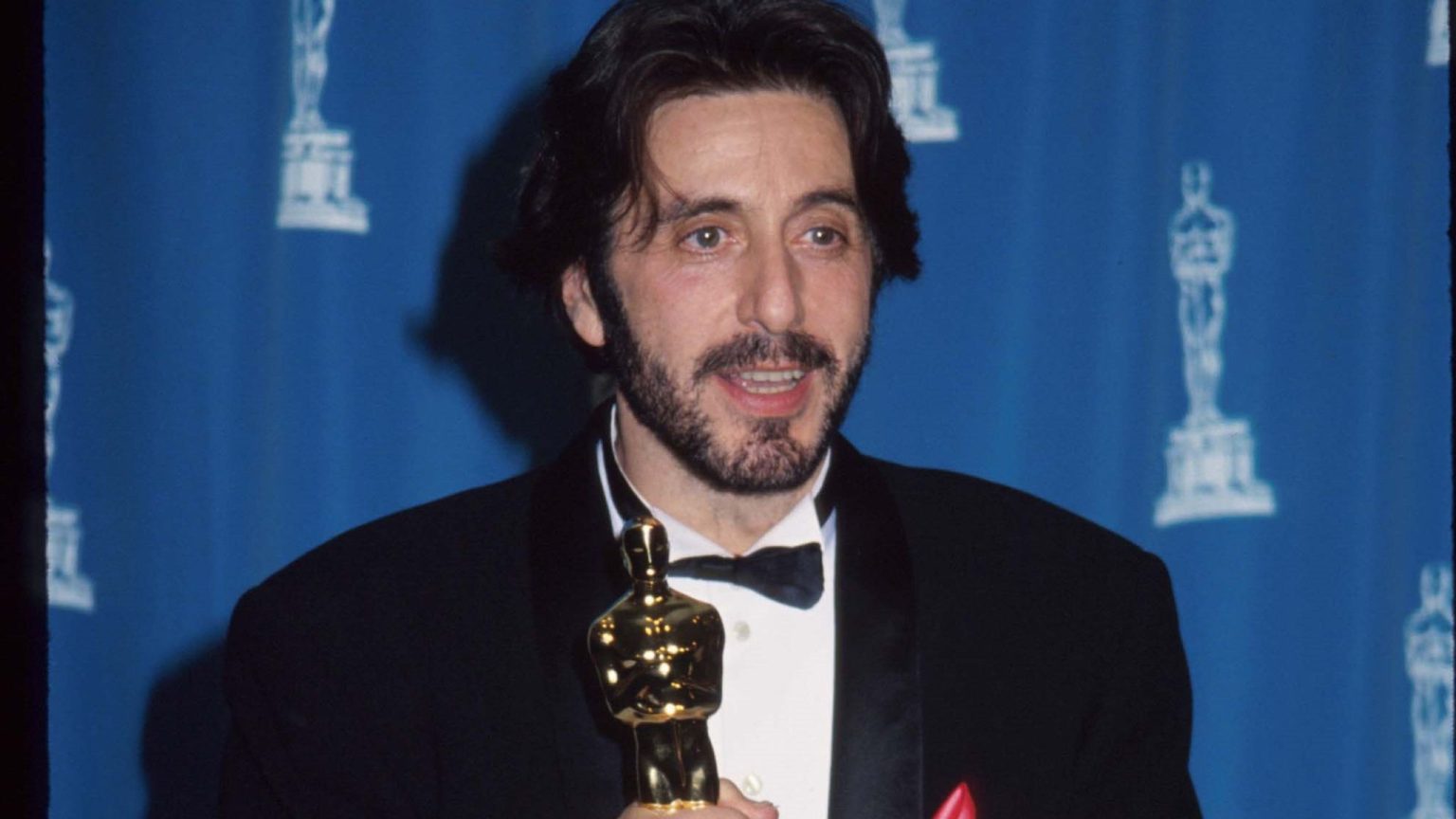
As of 2026, actor Al Pacino has an estimated net worth of $50 million. Over a legendary screen and stage career spanning more than six decades, Pacino evolved from earning a union-minimum $35,000 for The Godfather to securing $20 million upfront payments for streaming epics like The Irishman, despite enduring severe asset losses due to financial fraud in the late 2000s.
Overview of Al Pacino’s Financial Standing
Evaluating the financial empire of Alfredo James Pacino requires looking beyond gross career paychecks. While his career lifetime on-screen earnings exceed $150 million before taxes and agent fees, his net worth reflects a complex legacy of high-earning decades, major backend profit participation, luxury real estate transactions, high monthly overhead, and significant financial fraud losses.
Public estimates of Pacino’s wealth often fluctuate between $50 million and $70 million. This variance stems primarily from the private nature of his real estate holdings, fluctuating residual streams from catalog films like Scarface and Heat, and ongoing legal and familial obligations.
- Gross Lifetime Screen Earnings (Est.): ~$160,000,000+
- Peak Per-Film Base Salary (1990s–2000s): $10,000,000 – $15,000,000
- Streaming Era Base Pay (e.g., Netflix): $20,000,000
- Estimated Net Worth (2026): $50,000,000
Unlike modern franchise actors whose earnings stem from global merchandise and box-office gross escalators on superhero blockbusters, Pacino earned his fortune as a prestige dramatic actor. His financial trajectory mirrors the transition of Hollywood itself—moving from mid-budget studio dramas in the 1970s to big-budget studio payouts in the 1990s, and finally to massive upfront lump sums from subscription video-on-demand (SVOD) platforms in the streaming era.
The Evolution of Film Salaries: From 'The Godfather' to Streaming
Pacino’s financial journey illustrates how studio pay structures transformed across half a century. His compensation history can be divided into four distinct economic eras.
PACINO'S EARNINGS TIMELINE
- 1972: The Godfather Baseline: $35,000
- 1974: The Godfather Part II: $500,000 + 10% Backend
- 1990: The Godfather Part III: $5,000,000
- 1990s–2000s: Studio Peak Era: $10,000,000–$15,000,000 Per Film
- 2019: Streaming Era Peak: $20,000,000 (The Irishman)
The 1970s: Breakthrough and Rapid Salary Escalation
When director Francis Ford Coppola fought to cast the relatively unknown theater actor as Michael Corleone in The Godfather (1972), Paramount Pictures held ultimate leverage. Pacino was paid a reported $35,000 for the role—a baseline salary that barely covered his legal fees after breaking a prior contractual obligation with another production studio.
However, The Godfather became a massive commercial phenomenon, grossing over $250 million worldwide. By the time The Godfather Part II entered production for its 1974 release, Pacino’s market value had skyrocketed. He negotiated a base compensation of $500,000 plus 10% of the net profits, marking his first major backend wealth injection. His performance in Dog Day Afternoon (1975) further established his status, allowing him to command major six-figure base salaries alongside profit points for the rest of the decade.
The 1980s: Commercial Hits and Backend Royalties
The 1980s began with mixed commercial results, but 1983 brought Brian De Palma’s Scarface. While initial box office returns were modest compared to modern standards ($66 million worldwide against a $25 million budget), Scarface became an enduring home video, DVD, and licensing powerhouse.
Pacino’s contract included profit participation clauses that generated tens of millions of dollars in residual income over the subsequent four decades. By the late 1980s, following a temporary hiatus from film acting, Pacino returned in Sea of Love (1989), commanding a baseline quote of roughly $4 million.
The 1990s to 2000s: Peak Studio Paydays
The 1990s marked Pacino’s highest-earning decade in theatrical studio cinema:
- The Godfather Part III (1990): Negotiations for the final entry of the trilogy were tense. Pacino initially requested $7 million. Coppola reportedly refused, threatening to rewrite the script to open with Michael Corleone's funeral. Pacino ultimately agreed to a $5 million flat guarantee.
- Scent of a Woman (1992): Pacino secured a $7.5 million salary for the role that earned him his long-awaited Academy Award for Best Actor.
- Heat (1995) & The Devil’s Advocate (1997): By mid-decade, Pacino’s baseline fee stood firmly at $10 million to $15 million per studio feature.
- Any Given Sunday (1999) & S1m0ne (2002): Pacino maintained a $10 million quote, supported by performance-based bonuses tied to North American box office thresholds.
The 2010s to Present: Streaming Era Windfalls
As traditional studio mid-budget dramas faced distribution shifts, legacy stars pivoted toward high-budget streaming platforms. In 2019, Martin Scorsese’s The Irishman, produced by Netflix, provided Pacino with one of his largest single-project paydays: a reported $20 million upfront fee. This buyout model compensated actors directly upfront in lieu of traditional theatrical backend percentages.
Detailed Breakdown of Key Film Paychecks
The following table summarizes verified and widely reported salaries and compensation packages throughout Pacino’s career:
| Film Title | Release Year | Estimated Base Salary | Backend / Special Terms |
|---|---|---|---|
| The Godfather | 1972 | $35,000 | Standard SAG contract; no initial backend |
| The Godfather Part II | 1974 | $500,000 | 10% of net profits |
| Dog Day Afternoon | 1975 | $300,000 | Profit points included |
| Cruising | 1980 | $1,000,000 | Guaranteed fee structure |
| Scarface | 1983 | $1,500,000 | Long-term home video/licensing residuals |
| The Godfather Part III | 1990 | $5,000,000 | Reduced from $7M initial ask |
| Scent of a Woman | 1992 | $7,500,000 | Includes Oscar win escalators |
| Heat | 1995 | $10,000,000 | Co-lead billing parity with Robert De Niro |
| The Devil's Advocate | 1997 | $10,000,000 | Keanu Reeves deferred part of his salary so studio could afford Pacino |
| Any Given Sunday | 1999 | $10,000,000 | Base pay plus box office bonuses |
| S1m0ne | 2002 | $11,000,000 | Flat fee structure |
| The Irishman | 2019 | $20,000,000 | Upfront streaming buyout from Netflix |
Financial Setbacks: The Kenneth Starr Fraud Incident
Pacino’s financial story is incomplete without examining the severe loss he suffered due to celebrity money manager Kenneth Starr (not to be confused with the former U.S. Solicitor General of the same name).
In the late 2000s, Starr operated a massive Ponzi scheme through his firm, Starr & Co., managing finances for high-profile clients including Pacino, Uma Thurman, Martin Scorsese, and Sylvester Stallone. Starr siphoned tens of millions of dollars from client accounts to fund a lavish lifestyle and invest in fraudulent real estate ventures.
KENNETH STARR FRAUD IMPACT ON PACINO
- Peak Accumulated Wealth
- Starr Ponzi Scheme Losses
- Re-entered Work Force (2010s)
- Commercial Campaigns
- High-Volume Indie Roles
- Restructuring of Assets
- Shift to HBO TV Movies
- International Licensing
When federal authorities arrested Starr in 2010 (resulting in a 7-year prison sentence), Pacino discovered that millions of dollars of his liquid wealth had vanished. Reports indicate that Pacino went from having total financial security to needing immediate liquidity to satisfy tax and overhead liabilities.
This financial crisis fundamentally altered the trajectory of Pacino’s career in the 2010s. To rebuild his liquid asset base, Pacino:
- Pivoted to High-Paying Cable/Television Movies: He partnered with HBO for prestige biopics including You Don't Know Jack (2010), Phil Spector (2013), and Paterno (2018), earning multi-million-dollar guarantees per project.
- Accepted Commercial and Voiceover Work: He engaged in targeted commercial work overseas, including high-paying campaigns for Australian brand Vittoria Coffee.
- Increased Independent Film Output: Pacino took roles in smaller indie films that offered strong upfront acting fees despite modest overall budgets.
Real Estate Holdings and Property Assets
Pacino has historically taken a cautious approach to real estate compared to some of his Hollywood peers, opting for physical stability over large speculative portfolios.
Palisades, New York (Snedens Landing)
Pacino’s primary East Coast residence for decades has been situated in Snedens Landing, an exclusive enclave within Palisades, New York, along the Hudson River.
- Acquisition: Purchased in the late 1970s and expanded over time, the estate features a historic Dutch Colonial home dating back to the 18th century.
- Estimated Value: Local real estate assessments place the combined value of his historic compound between $5 million and $8 million, depending on broader market conditions.
- Significance: This property served as his main residence away from the Hollywood studio system, offering privacy and proximity to New York City's theater district.
Los Angeles Property History
Unlike many top-tier actors who purchase sprawling compounds in Bel-Air or Beverly Hills, Pacino frequently preferred long-term residential leases on luxury properties in Southern California.
- He spent years leasing a historic estate in the Hollywood Hills, minimizing property tax management issues and maintenance overhead.
- While he has held interests in residential real estate in the Los Angeles area over the years, he sold off minor parcels to streamline his financial holdings following the 2010 financial restructuring.
Endorsements, Stage Work, and Streaming Income
While feature films account for the majority of his earnings, Pacino's income streams extend into several secondary categories:
Commercial Endorsements
Although Pacino largely avoided domestic commercials for the first three decades of his career, he strategically engaged in lucrative international endorsements later in life.
- Vittoria Coffee: In 2010, Pacino starred in a major television campaign for the Australian coffee brand, directing his earnings from the spot toward charitable causes and personal asset recovery.
- Dunkin' Donuts Cameo (Jack and Jill): His satirical appearance in the 2011 comedy Jack and Jill—which featured the fictional "Dunkaccino" commercial—yielded a surprisingly high multi-million dollar paycheck, proving his willingness to monetize his public image for strong financial returns.
Theater Work
Pacino is a lifelong member of the Actors Studio and a dedicated stage performer. His work on Broadway—including productions of American Buffalo, Richard III, Salome, and The Merchant of Venice—does not generate the vast sums of film work. Standard Broadway star salaries range from $10,000 to $50,000 per week plus a percentage of weekly box office takes. However, stage work has remained an artistic priority for Pacino rather than a primary driver of net worth growth.
PACINO'S SECONDARY INCOME STREAMS
| Stream | Financial Impact |
|---|---|
| Commercials | Occasional multi-million-dollar upfront fees |
| Stage / Theater | Modest weekly base ($10k-$50k/week) |
| Streaming Series | Multi-million-dollar episodic guarantees |
| Catalog Residuals | Steady annual payout from classic film TV/DVD |
Television and Series Commitments
Pacino embraced high-end television late in his career. Beyond his acclaimed work with HBO, he signed on to star in the Amazon Prime Video series Hunters (2020–2023). Industry reports suggested Pacino commanded an episodic fee exceeding $1 million per episode, generating significant revenue over the show's two seasons.
Outflows, Monthly Expenses, and Financial Obligations
A clear assessment of Pacino’s net worth requires examining his ongoing personal expenses, legal obligations, and operational costs.
- Child Support Obligations: In late 2023, following the birth of his son Roman Pacino with partner Noor Alfallah, court filings outlined Pacino’s financial support commitments. The court ordered Pacino to pay $30,000 per month in base child support, alongside an upfront payment of $110,000. Additionally, the agreement mandates an annual contribution of $15,000 toward an education fund, up to $13,000 per month for night nurses, and coverage of all non-reimbursed medical expenses.
- Representation Fees: Standard industry practice requires actors to pay 10% to agents, 10% to managers, and 5% to legal counsel. Throughout his high-earning decades, roughly 20% to 25% of Pacino’s gross earnings were allocated to his professional representation team before personal tax liabilities were calculated.
- Personal Security and Property Maintenance: Maintaining privacy at his Palisades compound and during travel incurs consistent operational costs, including dedicated security staff, private transportation, and property care takers.
Strategic Financial Takeaways from Pacino’s Career
Pacino’s financial journey offers several clear takeaways regarding wealth preservation, contract structure, and executive career management in the entertainment industry:
- Backend Negotiating Power Requires Leverage: Pacino's jump from a flat $35,000 in The Godfather to 10% of net profits in The Godfather Part II demonstrates how critical initial success is to establishing backend leverage. Securing points on a successful project creates passive residual income streams that endure for decades.
- Third-Party Financial Oversight is Critical: The Kenneth Starr Ponzi scheme highlights the risk of over-delegating financial oversight. Wealthy individuals must implement independent auditing processes, separated custodian accounts, and regular third-party reviews to safeguard assets against managerial fraud.
- Pivoting to New Distribution Models Preserves Wealth: When theatrical mid-budget adult dramas lost market share to franchise blockbusters, Pacino adapted. By partnering with premium cable (HBO) and streaming platforms (Netflix, Amazon), he maintained a high salary quote without relying on box-office performance.
Frequently Asked Questions
How much was Al Pacino paid for the first Godfather movie?
Al Pacino received $35,000 for his role as Michael Corleone in 1972's The Godfather. This was standard scale pay for a relatively unproven film actor at the time.
What is Al Pacino's net worth in 2026?
Al Pacino's net worth is estimated at $50 million. This reflects his decades of top-tier film paychecks, catalog residuals, real estate holdings, and streaming deals, balanced against taxes, financial losses from fraud, and monthly living expenses.
How much money did Al Pacino lose in the Kenneth Starr scandal?
While exact figures remain confidential under legal settlement terms, reports indicate Pacino lost millions of dollars in liquid assets due to investment manager Kenneth Starr's Ponzi scheme. The financial loss forced Pacino to re-evaluate his financial management and take on numerous acting projects during the 2010s.
What was Al Pacino's highest single-movie salary?
Pacino’s largest upfront base salary came from Netflix’s The Irishman (2019), for which he was paid a reported $20 million. During his 1990s peak, his standard quote was $10 million to $15 million per theatrical film.
Does Al Pacino still receive royalties from Scarface?
Yes. Pacino secured backend profit points and residual rights for Scarface (1983). Due to the film's huge success in home video, DVD, soundtrack sales, and digital licensing, it continues to generate steady residual income for him.
How much child support does Al Pacino pay?
Under a 2023 legal agreement regarding his youngest son, Pacino pays a base child support amount of $30,000 per month, plus an upfront payment of $110,000, annual education fund contributions, and medical coverage.
Final Financial Assessment and Legacy Preservation
To preserve personal wealth while maintaining creative freedom late in a career, high-net-worth performers must balance liquid preservation against fixed operational costs. Pacino achieved financial stability by adapting to changing distribution formats—transitioning seamlessly from traditional studio features to high-paying streaming contracts. For legacy stars, maintaining rigorous asset oversight and embracing modern platforms remain the most effective strategies for long-term financial security.