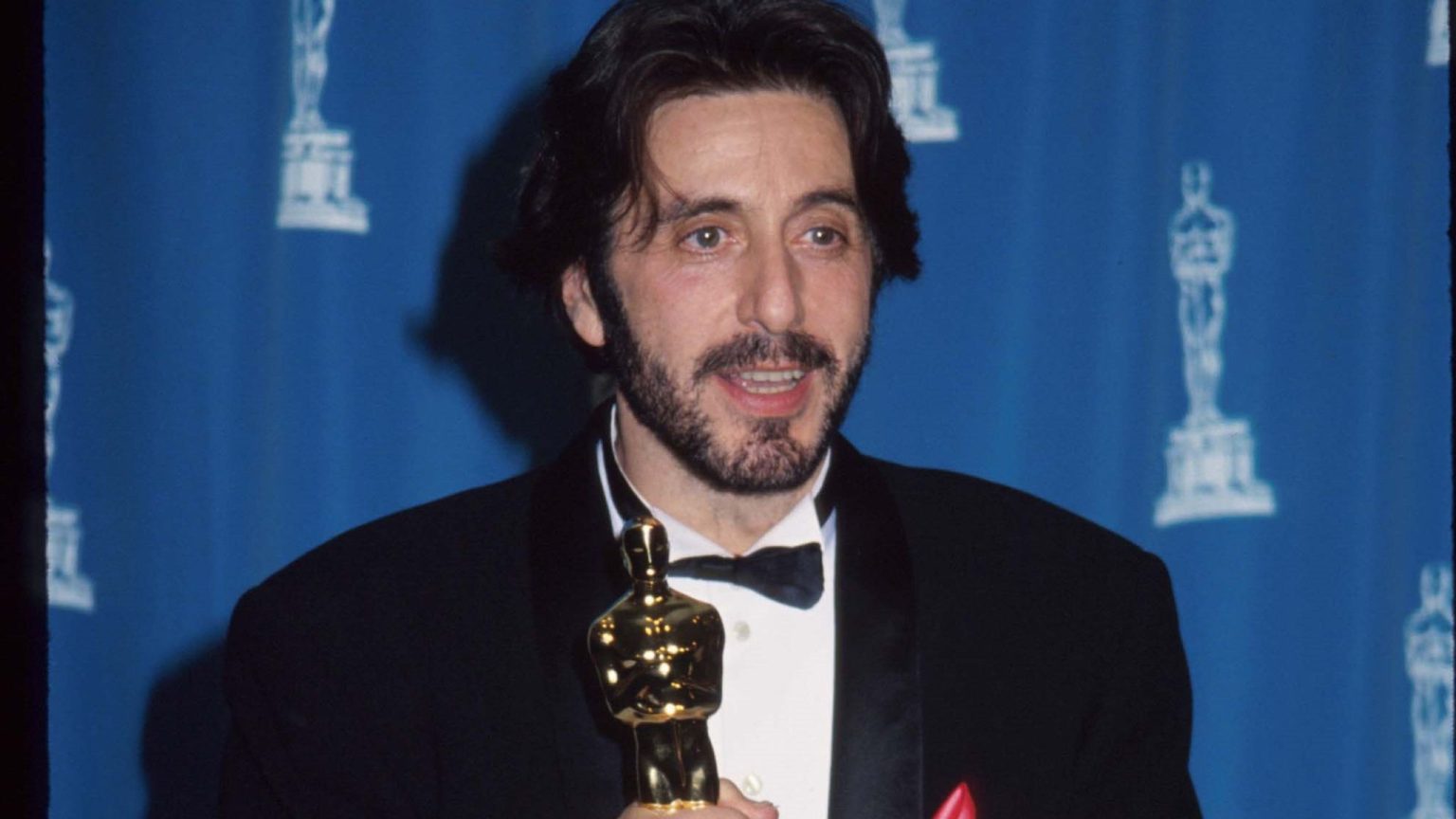
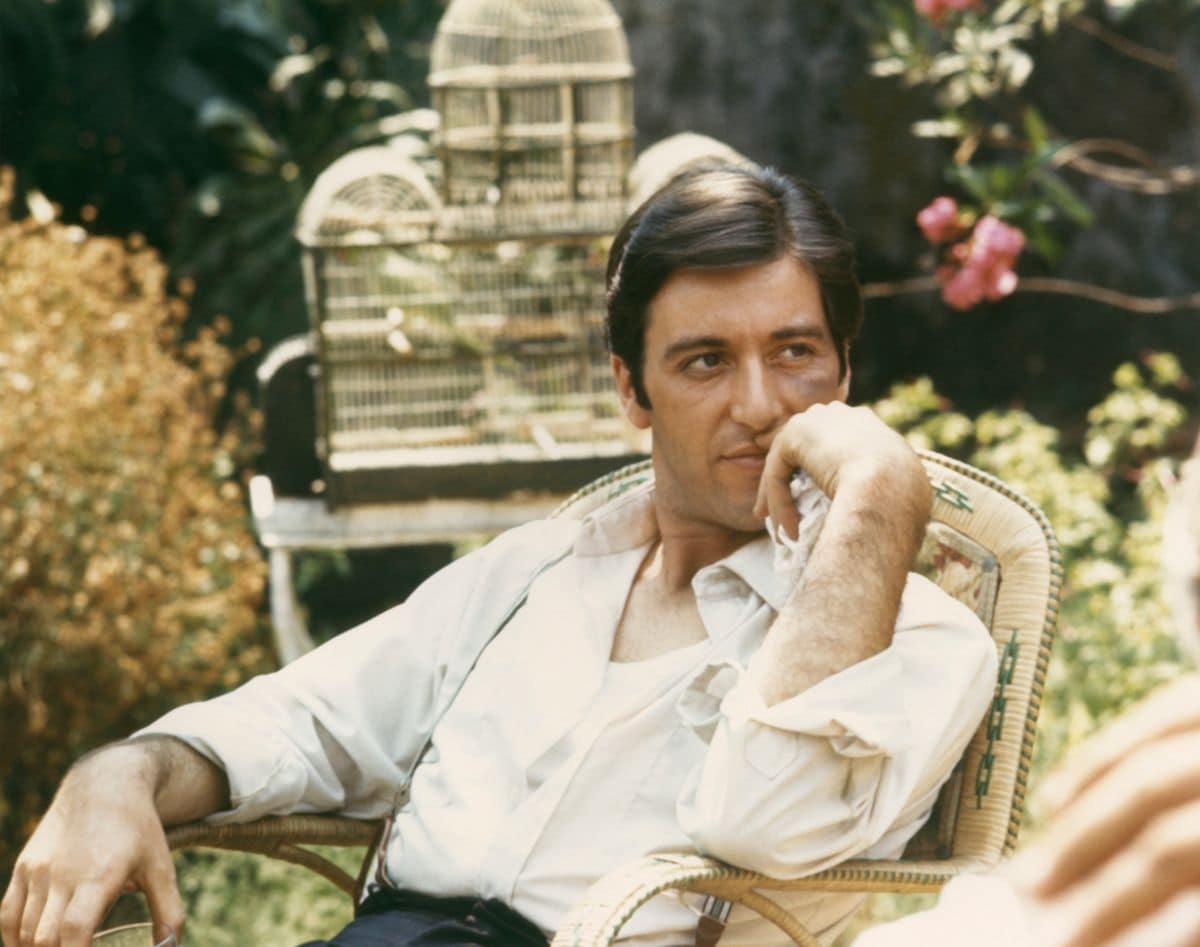
Al Pacino’s career heritage is defined by his transformative impact on 1970s American cinema, bringing Stanislavski-based Method acting into mainstream Hollywood stardom. Over six decades, public perception of Pacino evolved from a subtle, internal performer in intense character dramas to a grand, high-voltage theatrical screen icon, cementing his status as one of film history's most influential actors.
Roots of a Legend: The Actors Studio and the Method Tradition
Alfredo James Pacino was born in Harlem, New York, in 1940, and raised in the South Bronx. His initial training at the Herbert Berghof Studio (HB Studio) under Charlie Laughton gave him a foundation in classical drama, but it was his acceptance into the Actors Studio in the mid-1960s under Lee Strasberg that fundamentally shaped his performance style.
The Actors Studio emphasized psychological realism, emotional memory, and an immersive approach to characterization known broadly as Method acting. Rather than delivering polished, externalized theatrical dialogue in the tradition of early Hollywood leading men, Pacino learned to inhabit his characters from the inside out. His stage work earned immediate critical praise, culminating in a Tony Award in 1969 for Does a Tiger Wear a Necktie?.
When director Francis Ford Coppola fought studio executives to cast the relatively unknown stage actor as Michael Corleone in The Godfather (1972), Pacino brought this theatrical discipline to the screen. His performance relied heavily on quiet stillness, eye contact, and repressed emotion—qualities that instantly established him as a premier talent of the New Hollywood movement.
The Golden 1970s: Subtlety, Vulnerability, and New Hollywood Realism
During the 1970s, Pacino compiled one of the most celebrated runs of lead performances in American cinematic history. This period firmly established his reputation as an actor capable of balancing raw vulnerability with quiet danger.
- The Godfather (1972) and The Godfather Part II (1974): Pacino’s portrayal of Michael Corleone presents a masterclass in controlled transformation. In the original film, he shifts convincingly from an idealistic war hero into a cold, calculating mob chief. In Part II, his performance relies almost entirely on subtle shifts in posture and gaze as his character succumbs to paranoia and moral isolation.
- Serpico (1973): Directed by Sidney Lumet, this biographical drama featured Pacino as Frank Serpico, an honest NYPD officer exposing rampant department corruption. Pacino captured the real-life officer's nervous energy, idealism, and mounting psychological exhaustion, earning his second Academy Award nomination for Best Actor.
- Dog Day Afternoon (1975): Re-teaming with Lumet, Pacino played Sonny Wortzik, a desperate, closeted man attempting a bank heist to pay for his partner's gender-affirming surgery. Pacino delivered a tragicomic, emotionally frayed performance that showcased his ability to evoke audience empathy for flawed, chaotic antiheroes.
- ...And Justice for All (1979): As defense attorney Arthur Kirkland, Pacino confronted the flaws of the legal system, culminating in his famous courtroom explosion ("You're out of order!"). This performance signaled the early transition toward the more expansive, expressive vocal style that would characterize his work in later decades.
Critical perception during this decade was almost universally reverent. Critics viewed Pacino, alongside peers like Robert De Niro, Dustin Hoffman, and Gene Hackman, as part of a vanguard of actors who dismantled old Hollywood glamour in favor of gritty authenticity.
Shifting Gears: The Operatic 1980s and 1990s Reinvention
As American filmmaking shifted in the 1980s away from intimate auteur dramas toward blockbuster spectacles and heightened genre films, Pacino’s acting style underwent a marked public evolution.
- 1970s Realism (Internal, Still, Brooding)
- 1980s Transition (Operatic, Expressive, Polarizing)
- 1990s Masterclass (High-Voltage Stardom, Oscar Victory)
- 2010s–2020s Eldership (Reflective Auteur Collaboration)
In 1983, Pacino starred as Cuban immigrant turned drug kingpin Tony Montana in Brian De Palma’s Scarface. Critics were initially divided over the film's extreme violence and Pacino’s broad, melodramatic choices. Over time, however, Tony Montana became a massive global cultural icon, particularly within hip-hop culture and modern pop mythology. The performance marked a permanent shift in Pacino's technique: he increasingly embraced theatrical scale, vocal projection, and explosive energy.
After a four-year sabbatical from film following the commercial failure of Revolution (1985), Pacino returned with the hit thriller Sea of Love (1989), proving his commercial viability had survived the hiatus.
The 1990s marked a triumphant second era of critical and commercial success:
- Scent of a Woman (1992): Playing the blind, embittered retired Army Lieutenant Colonel Frank Slade, Pacino delivered a flamboyant performance that earned him his long-overdue Academy Award for Best Actor. His delivery of catchphrases like "Hoo-ah!" signaled a permanent shift into his high-intensity, theatrical era.
- Glengarry Glen Ross (1992): Adapted from David Mamet’s play, Pacino played ruthless real estate salesman Ricky Roma, earning a Best Supporting Actor nomination in the same year as his lead nomination for Scent of a Woman.
- Heat (1995): Directed by Michael Mann, this crime epic paired Pacino on screen with Robert De Niro for the first time. As obsessive LAPD Lieutenant Vincent Hanna, Pacino intentionally played the role with unhinged intensity to reflect a character fueled by cocaine use, creating a classic dynamic opposite De Niro’s minimalist criminal mastermind.
- Donnie Brasco (1997) and The Insider (1999): Pacino demonstrated that he could still deliver deeply nuanced, tragic restraint. His portrayal of Benjamin "Lefty" Ruggiero in Donnie Brasco returned to the quiet heartbreak of his 1970s work, while his work as 60 Minutes producer Lowell Bergman in The Insider highlighted his authority as a dramatic anchor.
Public Perception and the Evolution of the "Pacino Persona"
Public perception of Al Pacino has not remained static. It has moved through distinct phases over six decades, moving from dramatic novelty to legendary status, followed by a period of caricature, and ultimately settling into deep cultural reverence.
| Decade / Era | Primary Acting Style | Key Films | Critical & Public Perception |
|---|---|---|---|
| 1970s | Internalized, quiet intensity, realistic Method work | The Godfather I & II, Serpico, Dog Day Afternoon | Widely regarded as the premier dramatic film actor of his generation. |
| 1980s | Transition into operatic, theatrical, high-risk characterizations | Cruising, Scarface, Sea of Love | Polarizing; initially critiqued for excess, later celebrated for iconic bravado. |
| 1990s | High-energy, commanding, broad vocal dynamics and explosive cadence | Scent of a Woman, Heat, Carlito's Way, The Insider | Superstar elder status; recognized as a master of cinema and box office drawing card. |
| 2000s–2010s | Self-referential, expansive, mixing prestige HBO projects with genre roles | Insomnia, Angels in America, You Don't Know Jack | Perceived as an indelible legend; occasional parody of his vocal delivery. |
| 2020s–Present | Reflective, dignified, auteur-driven late-career resurgence | The Irishman, Once Upon a Time in Hollywood, Sonny Boy | Revered elder statesman of world cinema; celebrated for longevity and heritage. |
During the 2000s, pop culture parodies frequently focused on Pacino's penchant for sudden vocal spikes and theatrical loudness. Comedians and impressionists routinely exaggerated his mid-1990s cadence. However, film historians argue that this public perception overlooked his intentional choices as a stage-trained actor adapting to larger-than-life characters.
Rather than diminishing his standing, his willingness to take extreme stylistic risks fortified his cult status across younger generations, who rediscovered his work through digital media, viral clips, and classic film retrospectives.
Late-Career Heritage: Eldership and Modern Prestige Roles
In the late 2010s and 2020s, Pacino’s career entered a celebrated late period characterized by high-profile auteur collaborations and self-reflective work.
His portrayal of Teamsters leader Jimmy Hoffa in Martin Scorsese’s The Irishman (2019) earned him his ninth Academy Award nomination. The performance successfully merged his late-career charisma with deep political nuance, reuniting him with Robert De Niro and Joe Pesci. Critics hailed the film as a poignant meditation on aging, power, and mortality, themes that resonated with Pacino’s own career trajectory.
Pacino also featured in Quentin Tarantino’s Once Upon a Time in Hollywood (2019) as talent agent Marvin Schwarz and starred as Aldo Gucci in Ridley Scott’s House of Gucci (2021).
In late 2024, Pacino published his comprehensive personal memoir, Sonny Boy, which provided unprecedented insight into his childhood, his formal training, his classic film productions, and his personal philosophy on acting. The autobiography cemented his role as a living library of 20th-century American drama, drawing praise for its candor, humility, and dedication to the craft of performance.
Legacy and Influence on Modern Acting
Pacino's enduring influence on dramatic arts is visible across several dimensions:
- Democratization of the Screen Hero: Along with Dustin Hoffman and Robert De Niro, Pacino challenged the conventional archetype of the tall, blond, Anglo-Saxon leading man. His distinct Italian-American heritage and theatrical intensity opened doors for diverse character actors to become world-renowned leads.
- Bridge Between Stage and Screen: Pacino never abandoned the theater. Throughout his film career, he periodically returned to the stage to perform Shakespeare (The Merchant of Venice, Richard III) and Oscar Wilde (Salome). His passion project documentary Looking for Richard (1996), which he directed, demystified Shakespearean drama for American audiences and remains a standard teaching text in film and drama schools.
- Template for Method-Trained Successors: Generations of modern actors—including Joaquin Phoenix, Christian Bale, Oscar Isaac, and Colin Farrell—frequently cite Pacino’s 1970s filmography as foundational to their understanding of modern screen acting.
Frequently Asked Questions
Did Al Pacino win an Oscar for playing Michael Corleone in The Godfather?
No. Despite being nominated for Best Supporting Actor for The Godfather (1972) and Best Actor for The Godfather Part II (1974), Pacino did not win an Academy Award for either role. He famously boycotted the 45th Academy Awards ceremony in 1973 because he was nominated in the supporting category despite having more screen time than lead winner Marlon Brando.
How many Academy Awards has Al Pacino won?
Al Pacino has won one competitive Academy Award out of nine nominations. He won the Best Actor Oscar for his performance as Frank Slade in Scent of a Woman at the 65th Academy Awards held in 1993. He has also received the Cecil B. DeMille Award (2001) and the AFI Life Achievement Award (2007).
What is the difference between Al Pacino's acting style in the 1970s versus the 1990s?
In the 1970s, Pacino’s performance style was characterized by internal restraint, silence, brooding vulnerability, and intense eye contact (The Godfather, Serpico). By the 1990s, influenced by his ongoing classical stage work and roles requiring theatrical grandiosity (Scarface, Scent of a Woman, Heat), his style shifted toward broad physical presence, expressive vocal dynamics, and high-voltage emotional delivery.
What was Al Pacino's relationship with Lee Strasberg?
Lee Strasberg was Pacino's acting teacher and mentor at the Actors Studio. Pacino has frequently credited Strasberg with changing his life and teaching him the artistic discipline necessary for a lifelong acting career. Strasberg later acted alongside Pacino, playing mob boss Hyman Roth in The Godfather Part II (1974), a role for which Strasberg received an Oscar nomination.
Why is Scarface considered a pivotal film in Pacino's career heritage?
Scarface (1983) marked a turning point where Pacino departed from realistic, muted drama to embrace operatic, anti-heroic grandiosity. Although initial film reviews were mixed, the character of Tony Montana evolved into an international pop-culture phenomenon, expanding Pacino's public identity from a critically acclaimed dramatic actor to an enduring cultural icon.
Evaluating Al Pacino’s Filmography: Recommended Viewing Sequence
To understand the evolution of Al Pacino's heritage, artistry, and public perception, film scholars recommend approaching his filmography chronologically through four distinct performance phases:
Phase 1: The Master of Restraint (1971–1975)Essential Viewing: The Panic in Needle Park, The Godfather, Serpico, The Godfather Part II, Dog Day Afternoon.Focus: Observe how Pacino uses internal emotion, stillness, and eyes to convey conflict without heavy dialogue.
Phase 2: The Operatic Transformation (1983–1993)Essential Viewing: Scarface, Sea of Love, Glengarry Glen Ross, Scent of a Woman, Carlito's Way.Focus: Track his transition toward broad vocal projection, theatrical bravado, and high-energy screen dominance.
Phase 3: The High-Voltage Virtuoso (1995–1999)Essential Viewing: Heat, Donnie Brasco, The Devil's Advocate, The Insider.Focus: Study how Pacino alternates between intentional theatrical explosion (Heat) and understated, heartbreaking realism (Donnie Brasco).
Phase 4: The Reflective Elder Statesman (2019–Present)Essential Viewing: Looking for Richard (Documentary), The Irishman, Sonny Boy (Memoir).Focus: Examine how his late work synthesizes his lifelong theatrical background, reflecting on power, legacy, and the evolution of American drama.