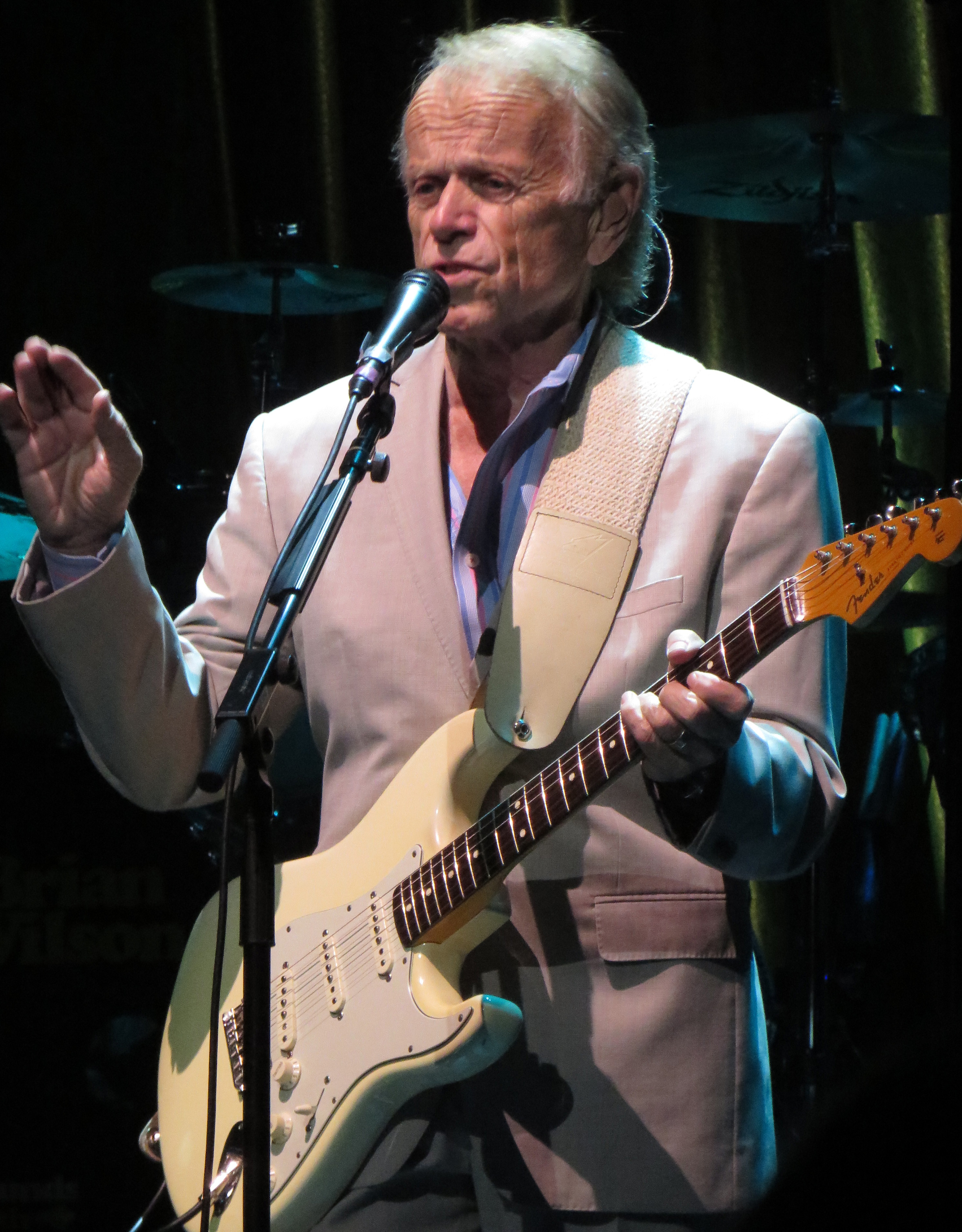
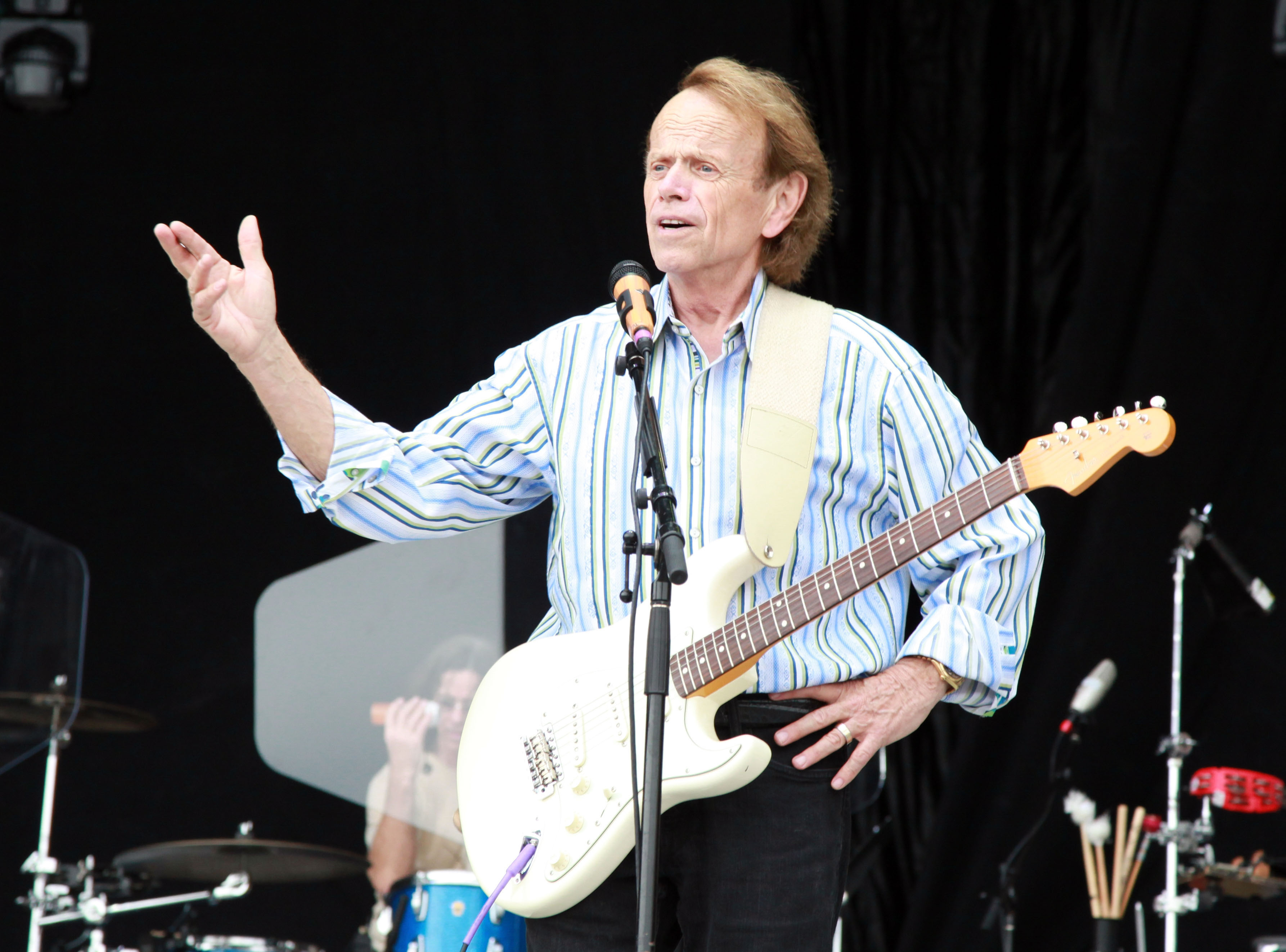
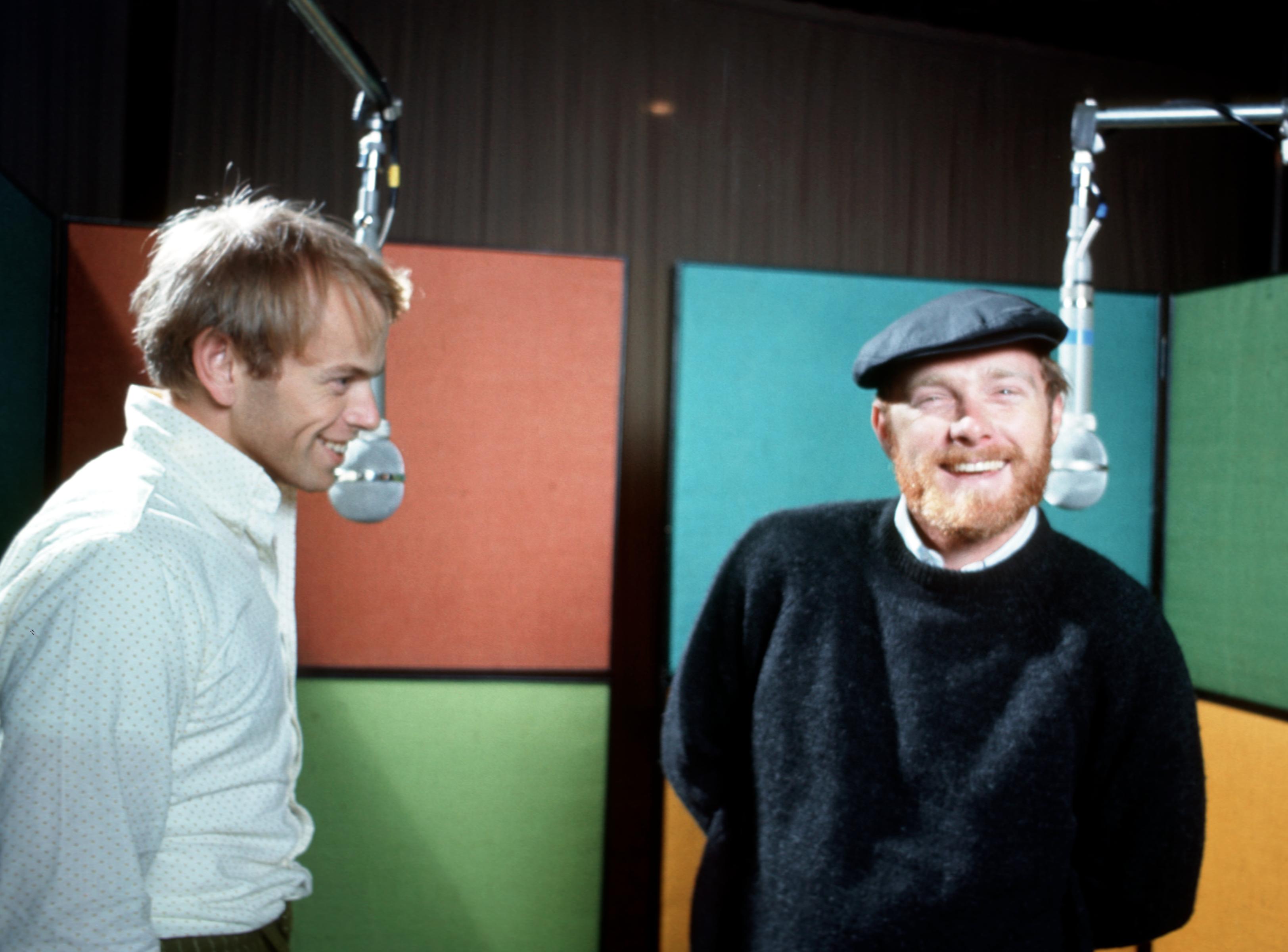
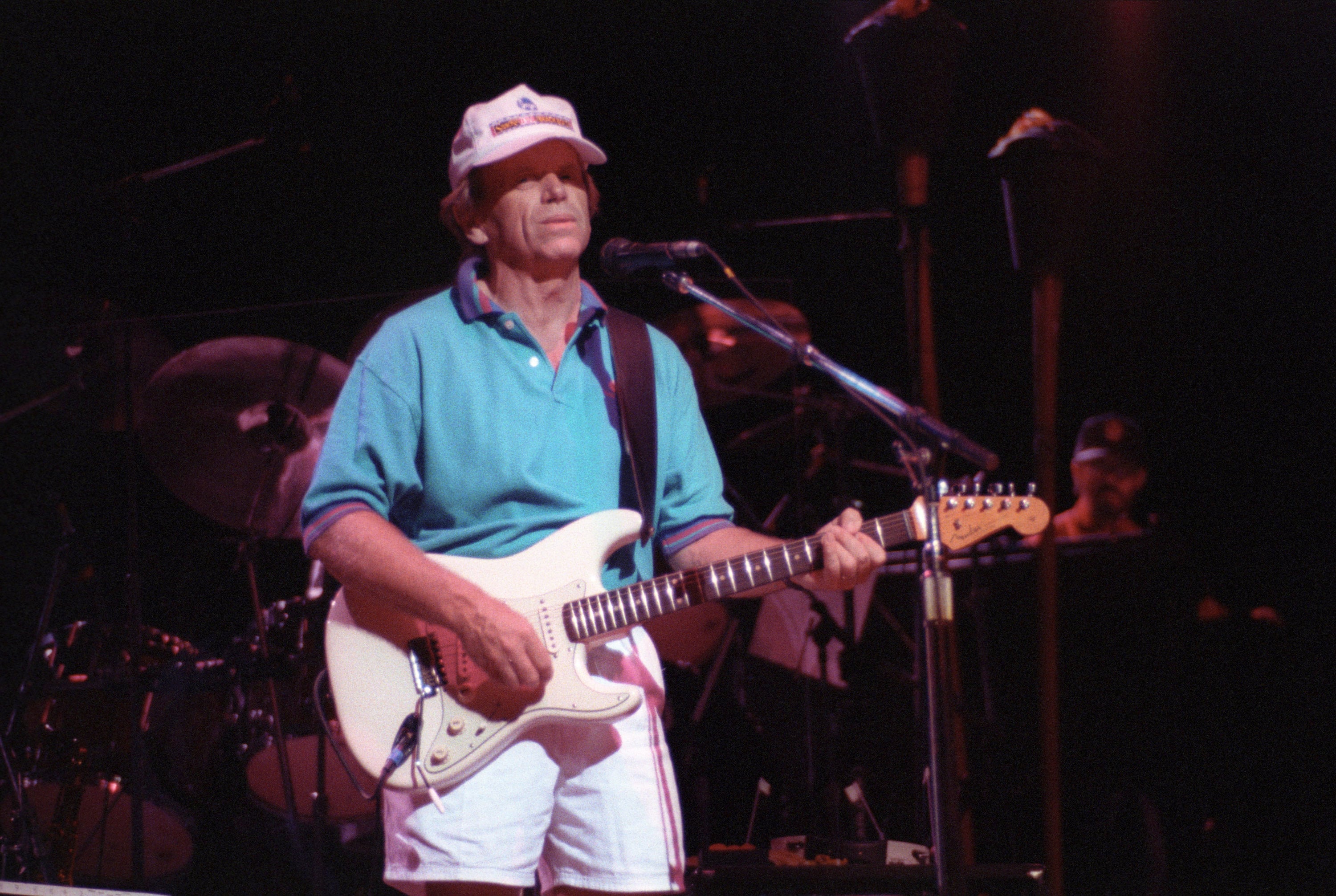
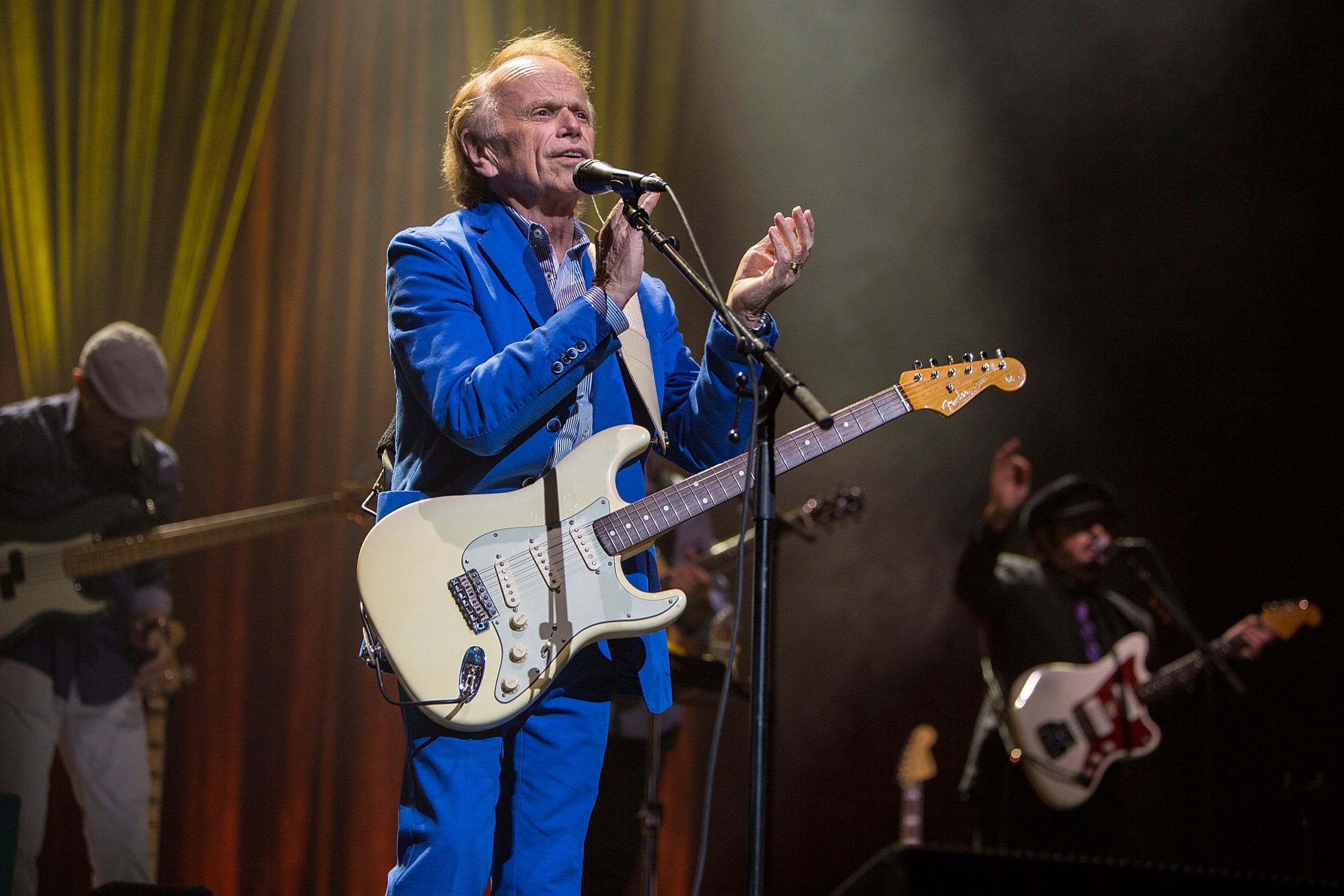
Al Jardine is an American musician, singer, and songwriter best known as a co-founding member of The Beach Boys. As a rhythm guitarist and vocalist, his clean, folk-influenced tenor was essential to the band’s signature vocal blend. Beyond his legendary harmonies, Jardine is a celebrated solo artist and an enduring steward of the "California Sound."
The story of Al Jardine is not merely the story of a supporting player in a famous band; it is the chronicle of a musician who provided the foundational stability for one of the most complex vocal groups in history. From his early days in Hawthorne, California, to his continued performances in 2026, Jardine has remained a consistent link to the original spirit of 1960s pop-rock. His influence extends from the technical precision of four-part harmonies to environmental activism centered on the Pacific coastline.
The Formative Years and the Birth of a Sound
Born Alan Charles Jardine on September 3, 1942, in Lima, Ohio, Jardine moved with his family to Hawthorne, California, when he was a child. It was at Hawthorne High School that he met Brian Wilson. While Wilson was already deeply immersed in music, Jardine brought a distinct perspective rooted in the folk revival of the late 1950s. Groups like The Kingston Trio were massive influences on him, a fact that would eventually steer The Beach Boys toward some of their most iconic arrangements.
Initially, Jardine was a student-athlete, playing on the high school football team with Brian Wilson. However, an injury shifted his focus toward music. He formed a folk group called The Family RAM, but soon joined the Wilson brothers (Brian, Dennis, and Carl) and their cousin Mike Love to form the Pendletones, which soon became The Beach Boys. Jardine’s role was unique; he played stand-up bass on the group’s first hit, "Surfin'," but his primary contribution was his ability to "lock in" with the Wilsons' voices.
His tenure with the band was briefly interrupted when he left to pursue a degree in dentistry. During this period, David Marks replaced him on rhythm guitar. However, by 1963, Brian Wilson’s increasing focus on studio production and the band's burgeoning tour schedule prompted Jardine’s return. This return solidified the "classic" lineup that would go on to record the era-defining albums of the mid-to-late 1960s.
Vocal Signature and Technical Contributions
To understand Al Jardine’s importance, one must look at the mechanics of the Beach Boys' vocal stack. Brian Wilson usually handled the high falsetto, Mike Love took the bass or lead baritone, and Carl and Dennis Wilson filled out the middle. Jardine often occupied the "middle" or "upper-middle" harmony, a position that requires immense pitch stability. Because his voice lacked the heavy vibrato common in solo singers, it served as the "glue" that allowed the other voices to blend into a singular, organ-like tone.
Jardine’s lead vocal performances are among the most recognizable in the American songbook. His most famous lead, "Help Me, Rhonda," became a number-one hit in 1965. Brian Wilson chose Jardine for the lead specifically because of his "earnest" and "bright" delivery, which suited the upbeat, driving nature of the track.
Key Lead Vocals by Al Jardine
While many associate the Beach Boys mostly with Brian Wilson or Mike Love, Jardine’s lead turns provided a necessary variety to the band's discography:
- "Help Me, Rhonda": A masterclass in rhythmic vocal delivery and pop energy.
- "Then I Kissed Her": A cover of the Crystals' hit where Jardine’s folk-pop sensibilities shine.
- "Sloop John B": It was Jardine who suggested this traditional West Indies folk song to Brian Wilson. Jardine’s influence turned a folk standard into a centerpiece of the Pet Sounds album.
- "I Know There's an Answer": Shared lead vocals on one of the most psychedelic and introspective tracks on Pet Sounds.
- "Cotton Fields": This 1969/1970 single showcased Jardine’s ability to blend country and folk with the band’s polished production.
The "California" Aesthetic: Songwriting and Solo Endeavors
As the 1970s progressed, the internal dynamics of The Beach Boys shifted. With Brian Wilson retreating from a leadership role, Jardine stepped up as a songwriter and producer. His interests often leaned toward environmentalism and the mythos of the American West.
Songs like "California Saga: California" (from the 1973 album Holland) demonstrate his lyrical preoccupation with the natural beauty of Big Sur and the Central Coast. His production style remained faithful to the "clean" California sound, emphasizing acoustic textures and layered vocals without the excessive "wall of sound" clutter.
In the solo realm, Jardine’s most significant achievement is the 2010 album A Postcard from California. This project was more than just a solo record; it was a collaborative tribute to the state’s musical heritage. It featured guest appearances from rock royalty, including Neil Young, David Crosby, Stephen Stills, and his fellow Beach Boys. The album remains a high-water mark for Jardine, proving that his ear for harmony and arrangement remained sharp decades after his debut.
Technical Gear and Musical Equipment
Al Jardine’s instrumental role was primarily that of a rhythm guitarist. His job was to provide a percussive, steady foundation for the band’s complex arrangements. Unlike lead guitarists who focus on solos, Jardine’s work required a deep understanding of timing and chord voicing.
| Category | Primary Equipment | Significance |
|---|---|---|
| Electric Guitars | Fender Stratocaster (Olympic White) | The quintessential "surf" guitar; provided the bright, jangly tone. |
| Acoustic Guitars | Martin D-28, Guild 12-string | Used for folk-influenced tracks and live unplugged segments. |
| Amplification | Fender Dual Showman | Provided the high-headroom "clean" sound necessary for large venues. |
| Vocal Mic | Shure SM58 (Live), Neumann U47 (Studio) | Standard tools for capturing his precise tenor range. |
| Bass | Kay Upright Bass | Used during the very first recording sessions for "Surfin'." |
His preference for the Fender Stratocaster helped define the visual and sonic identity of the band. The "out-of-phase" pickup positions on the Stratocaster allowed for a thin, cutting rhythm sound that sat perfectly underneath the lush vocal harmonies without competing for frequency space.
Navigating the Beach Boys' Complex History
The history of The Beach Boys is famously fraught with legal battles and internal schisms. Following the death of Carl Wilson in 1998, the band fractured into various touring entities. Al Jardine found himself in a difficult position, often acting as a bridge between the disparate camps.
For many years, Jardine toured with his own group, "Al Jardine, Family & Friends," which featured his sons, Matt and Adam Jardine. This allowed him to keep the vocal legacy alive with family members who had grown up singing the parts. He eventually rejoined the surviving members for the highly successful 50th Anniversary Tour in 2012 and the accompanying album That's Why God Made the Radio.
In the years leading up to 2026, Jardine has focused on "storytellers" style performances and collaborations with Brian Wilson’s touring band. He has consistently championed the idea that the music belongs to the fans and should be performed with the highest possible fidelity to the original arrangements.
Al Jardine in 2026: A Living Legend’s Contemporary Role
As of 2026, Al Jardine continues to be an active presence in the music world. While the grueling world tours of the 1960s are long behind him, he remains a vital performer, often appearing at benefit concerts and boutique festivals. His voice, remarkably preserved for a singer of his age, remains a benchmark for vocal health and technique.
His legacy is now firmly cemented not just as a "Beach Boy," but as a solo artist who successfully transitioned from the surf-pop of the early 60s to the sophisticated Americana of the 21st century. Educators and musicologists frequently cite his work when discussing the evolution of American vocal arrangements.
Jardine also remains an advocate for environmental causes, specifically the preservation of the California coastline. This "California-centric" worldview has defined his career, making him one of the few artists whose music and personal philosophy are indistinguishably linked to a specific geographic region.
Frequently Asked Questions
Did Al Jardine write any songs for The Beach Boys?
Yes, Jardine wrote or co-wrote several notable tracks, including "California Saga: California," "Lady Lynda," and "Susie Cincinnati." He also played a major role in arranging the band's versions of folk songs like "Sloop John B" and "Cotton Fields."
Why did Al Jardine leave the Beach Boys in 1962?
Jardine briefly left the group to attend dental school. He was concerned about the long-term viability of a career in music and wanted a stable profession. However, as the band's success grew and Brian Wilson needed more help in the studio and on the road, Jardine was convinced to return.
What is Al Jardine’s vocal range?
Al Jardine is a tenor. His range allowed him to sing the high-middle harmonies that sit just below Brian Wilson’s falsetto. This specific range is crucial for the "nasal" but pleasant "California sound" that the Beach Boys perfected.
Is Matt Jardine related to Al Jardine?
Yes, Matt Jardine is Al’s son. Matt is an accomplished vocalist in his own right and has toured extensively with both the Beach Boys and Brian Wilson’s solo band, often singing the high falsetto parts originally performed by Brian Wilson.
What was Al Jardine's role in the album Pet Sounds?
While Brian Wilson wrote and produced the album using session musicians (The Wrecking Crew) for the backing tracks, Al Jardine was essential for the vocal sessions. He notably suggested the inclusion of "Sloop John B" and sang lead on parts of "I Know There's an Answer."
Continuing the Musical Journey
For those looking to explore the work of Al Jardine further, the best starting point is his solo masterpiece, A Postcard from California. It captures the essence of his musical soul—part folk, part rock, and entirely Californian. Additionally, revisiting the Holland and Surf's Up albums provides a deeper look at his growth as a songwriter during the Beach Boys' most experimental era. Fans should also keep an eye on his official website and social media for announcements regarding intimate live performances, which offer a rare chance to hear the stories behind the songs from one of the last remaining architects of modern pop harmony.