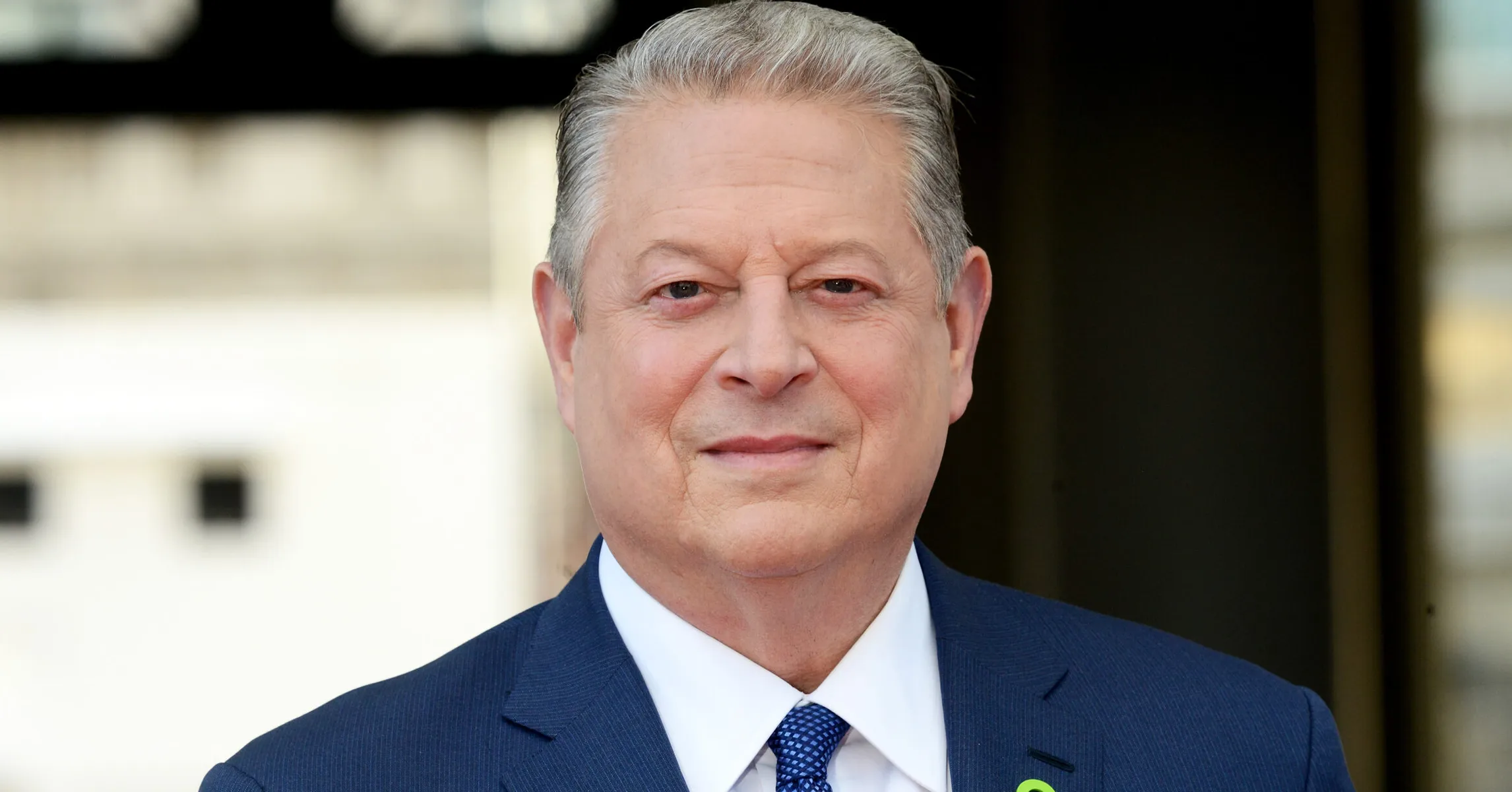
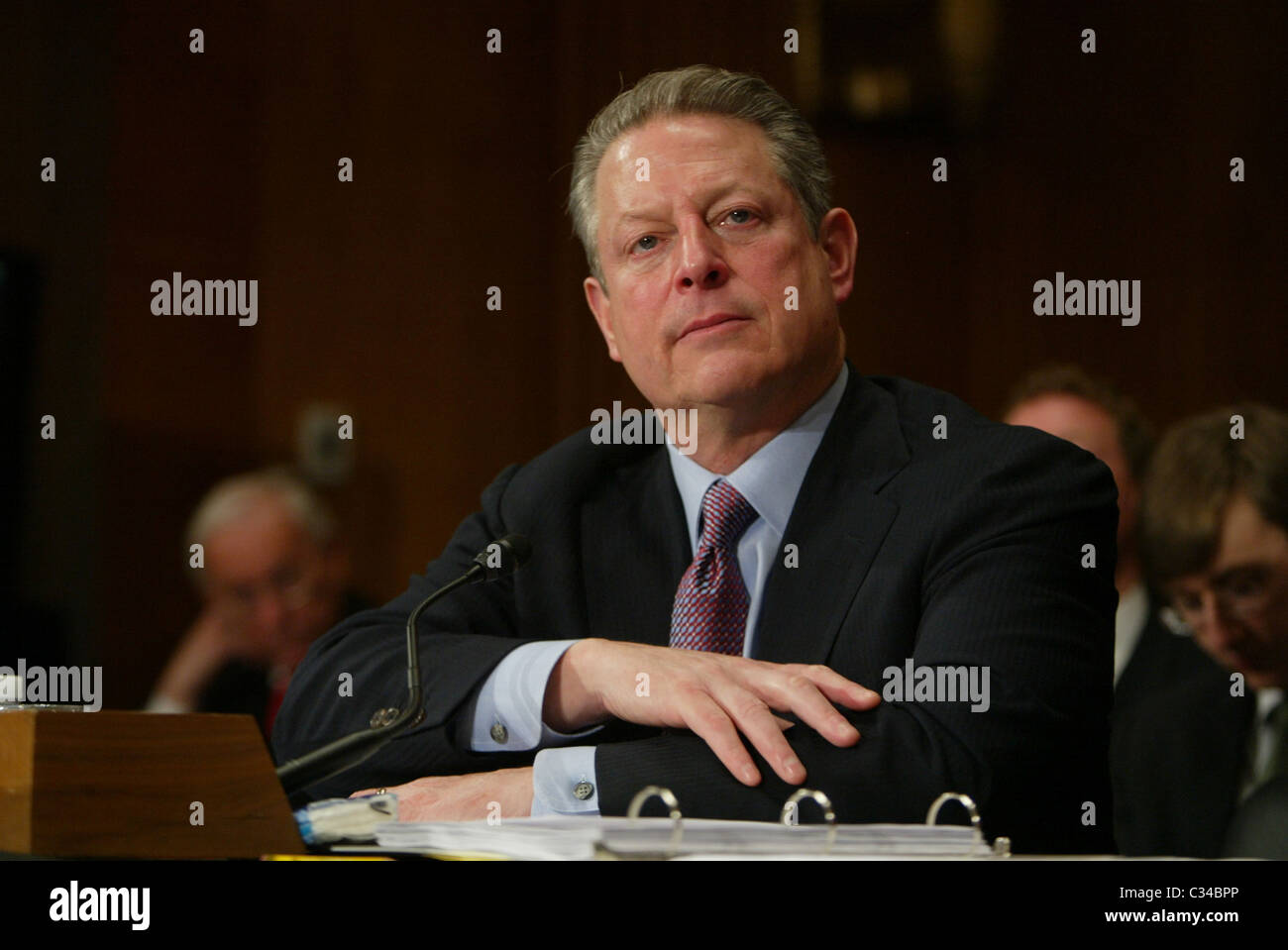
As of 2025, former Vice President Al Gore’s net worth is estimated to be between $330 million and $350 million. This substantial fortune is the result of a highly successful post-political career centered on sustainable investment through Generation Investment Management, lucrative board positions at Apple, advisory roles at Google, and the 2013 sale of Current TV.
The Financial Evolution of a Global Climate Advocate
Al Gore’s financial trajectory is one of the most remarkable examples of post-political wealth accumulation in American history. When he left the office of the Vice President in January 2001, his mandatory financial disclosures indicated a relatively modest net worth, estimated at the time to be between $1.4 million and $2.5 million. Most of his assets then were tied to family farmland in Tennessee and standard government retirement accounts.
His transition from a career politician to a private-sector titan began almost immediately after the 2000 election. Rather than retiring to a quiet life in academia, Gore pivoted toward the emerging intersection of technology and finance. By 2025, his portfolio has become a blueprint for "sustainable capitalism," a term he championed through his various business ventures. This evolution was not merely about accumulating capital but about proving that environmental advocacy and high-level corporate success could coexist.
Gore’s wealth is not derived from a single source but is the result of a diversified strategy that includes private equity, tech equity, media exits, and intellectual property. His ability to identify early-stage trends—specifically in green energy and digital media—allowed him to multiply his net worth by more than 100 times in the two decades following his vice presidency.
Generation Investment Management: The Core of His Wealth
The most significant contributor to Al Gore’s net worth in 2025 is his co-founding and chairmanship of Generation Investment Management (GIM). Established in 2004 alongside David Blood, the former head of Goldman Sachs Asset Management, GIM was a pioneer in the Environmental, Social, and Governance (ESG) investing space.
Generation Investment Management operates on the philosophy that sustainable companies are more profitable over the long term. As of the mid-2020s, the firm manages tens of billions of dollars in assets. As a founding partner and chairman, Gore receives a significant portion of the firm's management fees and carried interest (profits from successful investments).
Unlike traditional private equity firms, GIM focuses on long-term equity, meaning they hold positions in companies for years, if not decades. This approach has allowed Gore to benefit from the compounded growth of some of the world's most successful sustainable companies. The firm’s portfolio historically includes significant stakes in companies like Microsoft, Amazon, and various renewable energy leaders. Because GIM is a private partnership, Gore’s exact annual earnings from the firm are not public, but analysts suggest the valuation of his partnership stake alone constitutes the majority of his nine-figure net worth.
Tech Industry Ties: Apple and Google
Beyond private equity, Al Gore’s early entry into the Silicon Valley ecosystem provided a massive boost to his personal balance sheet. In 2003, Gore was appointed to the Board of Directors at Apple Inc. This was a pivotal moment, as Apple was then on the cusp of the iPod and iPhone revolutions.
During his tenure on the Apple board, Gore was granted stock options as part of his compensation. Over more than two decades, these options vested and were often exercised during periods of exponential growth for the company. Reports from SEC filings have shown Gore exercising options for tens of thousands of shares at prices far below market value. By 2025, the cumulative value of his Apple holdings, even if partially liquidated over time, represents a cornerstone of his liquid wealth.
Similarly, Gore served as a senior advisor to Google (now Alphabet Inc.) starting in 2001, shortly after the company’s inception but before its massive IPO. As an advisor during the company's hyper-growth phase, Gore was positioned to receive equity-based compensation. While his role at Google was less public than his position at Apple, the appreciation of Alphabet stock has undoubtedly contributed millions to his total valuation.
The Current TV Exit: A Pivotal Financial Milestone
One of the most direct and publicized infusions of cash into Al Gore’s net worth occurred in January 2013 with the sale of Current TV. Gore co-founded the cable news network in 2005, aiming to provide a platform for user-generated content and independent journalism.
While Current TV struggled to gain high ratings, its "carriage agreements" (contracts with cable providers to carry the channel) made it a valuable acquisition target. Al Jazeera purchased the network for approximately $500 million. At the time of the sale, Al Gore owned an estimated 20% stake in the company.
After accounting for debt and taxes, Gore’s personal windfall from the deal was estimated at $70 million to $100 million. This liquidity allowed him to further capitalize his other investment ventures and solidified his status as a centimillionaire. The sale was not without controversy, as critics pointed out the irony of a climate advocate selling a media company to a network funded by a petroleum-rich nation, but from a purely financial perspective, the exit was a masterstroke.
Asset Breakdown and Estimated Portfolio Valuation
The following table provides an estimated breakdown of the primary components contributing to Al Gore's wealth as of 2025. These figures are based on historical SEC filings, reported acquisition totals, and industry valuations of private equity stakes.
| Asset Component | Estimated Value / Impact | Primary Source |
|---|---|---|
| Generation Investment Management | $150M - $200M | Founding Partner Stake & Profits |
| Apple Inc. Equity | $50M - $70M | Board Member Stock Options |
| Current TV Sale Proceeds | $70M - $100M | 2013 Acquisition Liquidity |
| Alphabet (Google) Holdings | $10M - $20M | Early Advisory Equity |
| Real Estate Portfolio | $15M - $25M | Multi-state Residential Assets |
| Book Royalties & Speaking | $10M - $15M | Global Media & Public Events |
Real Estate and Sustainable Living Investments
Al Gore’s real estate holdings reflect both his wealth and his public commitment to environmentalism. His primary residence is a large estate in Nashville, Tennessee. Following criticism regarding the home's energy consumption in the mid-2000s, Gore underwent a massive renovation to make the property a model of sustainable living. The home now features solar panels, geothermal heating, and energy-efficient lighting, earning it a LEED Gold certification.
In addition to his Tennessee estate, Gore has owned high-value properties in:
- San Francisco, California: A luxury condo in the St. Regis, strategically located near his business interests in Silicon Valley and his firm’s offices.
- Arlington, Virginia: A long-held property dating back to his years in the federal government.
- Family Farmland: Significant acreage in Carthage, Tennessee, which has been in the Gore family for generations.
These properties have appreciated significantly over the last two decades, adding a stable real estate floor to his more volatile equity-based assets.
Public Speaking and Literary Success
While his investment income dwarfs his earnings from traditional labor, Al Gore remains one of the highest-paid public speakers in the world. Following the success of his documentary and book, An Inconvenient Truth, Gore's demand as a keynote speaker skyrocketed.
In the years leading up to 2025, his speaking fees have been reported to range from $100,000 to $175,000 per engagement. While he reportedly donates a portion of these fees to the Climate Reality Project (his non-profit organization), the sheer volume of his international appearances contributes to his overall financial ecosystem. Furthermore, his career as an author—with bestsellers like The Assault on Reason and Our Choice—continues to generate passive royalty income.
Is Al Gore a billionaire?
No, Al Gore is not currently a billionaire. While his net worth is substantial (estimated at $330M-$350M), he has not reached the $1 billion threshold. Much of his potential wealth is tied up in the private valuation of Generation Investment Management, which could fluctuate based on market conditions.
How much did Al Gore make from Apple?
It is estimated that Al Gore has made over $50 million from his involvement with Apple. As a board member since 2003, he received regular grants of stock options. For instance, in one 2013 filing alone, he exercised options for 59,000 shares, which were worth approximately $30 million at the time.
Does Al Gore still own Current TV?
No, Al Gore no longer owns Current TV. He sold his stake in the network when it was acquired by Al Jazeera in 2013 for $500 million. He was a co-founder and the lead spokesperson for the network prior to the sale.
How does Al Gore make most of his money today?
The majority of Al Gore’s current income is derived from his role as Chairman of Generation Investment Management. The firm manages over $36 billion in assets (as of recent reports), and as a founding partner, Gore receives a share of the management fees and performance-based profits.
What is Al Gore's annual salary?
Al Gore does not have a traditional "salary" in the way a public official does. His income is a combination of investment returns, dividends from stocks like Apple, partnership distributions from his firm, and fees from speaking engagements. This varies year to year based on market performance.
Assessing Green Investment Opportunities
For those looking to mirror Al Gore’s financial success, the primary takeaway is the value of long-term sustainable investing. Gore’s wealth was built on the premise that the global economy would inevitably shift toward carbon neutrality. By positioning his capital in companies that lead in ESG metrics, he captured growth that traditional "brown" energy investors missed.
If you are evaluating your own portfolio in 2026, consider focusing on sectors where Gore has found the most success: renewable energy infrastructure, high-efficiency technology, and transparent corporate governance. While most individual investors cannot sit on the board of Apple, they can access the same growth through ESG-focused ETFs and mutual funds that follow the same "sustainable capitalism" model championed by Generation Investment Management. Always consult with a certified financial advisor to ensure these high-growth, often high-volatility sectors align with your specific risk tolerance and retirement timelines.