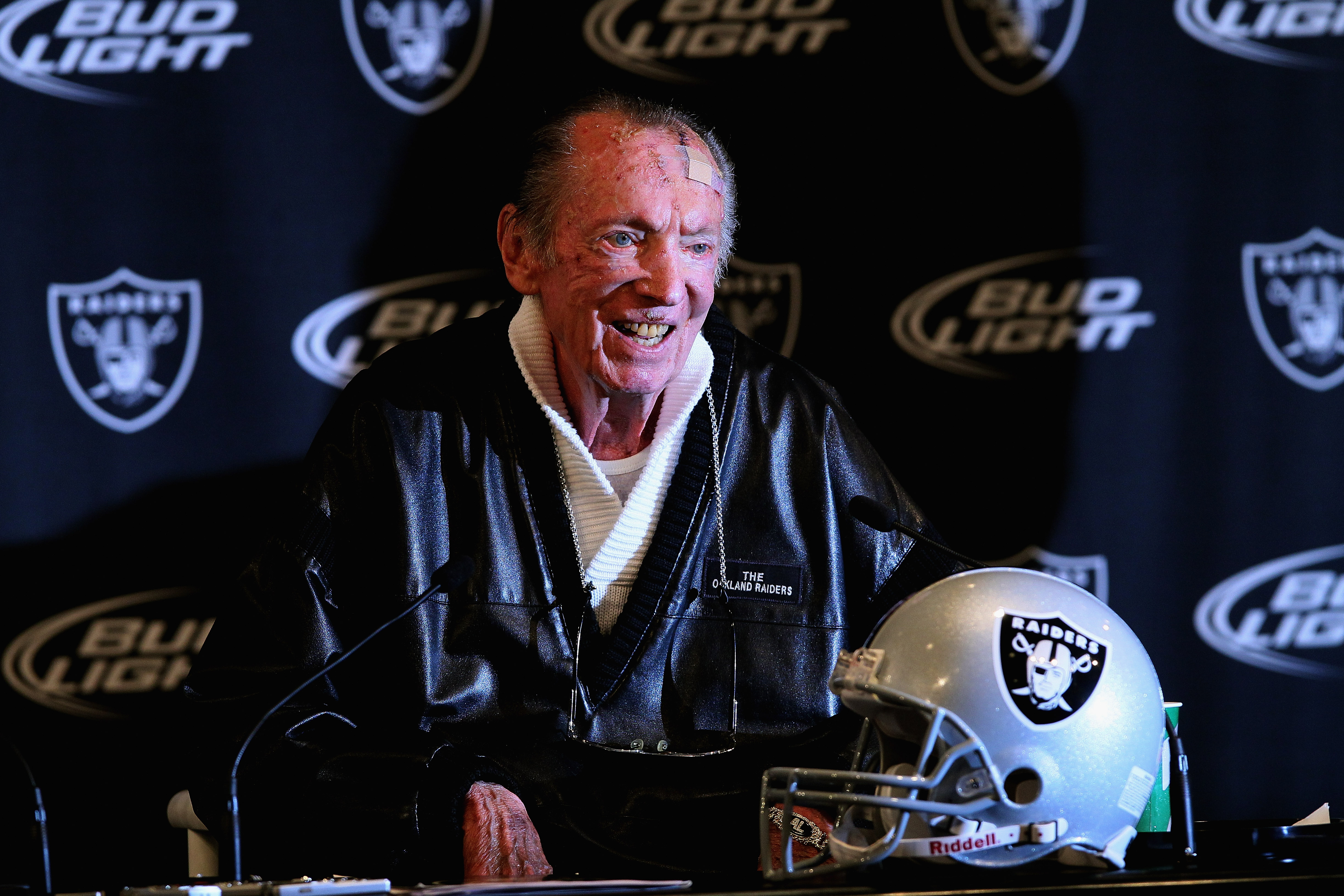
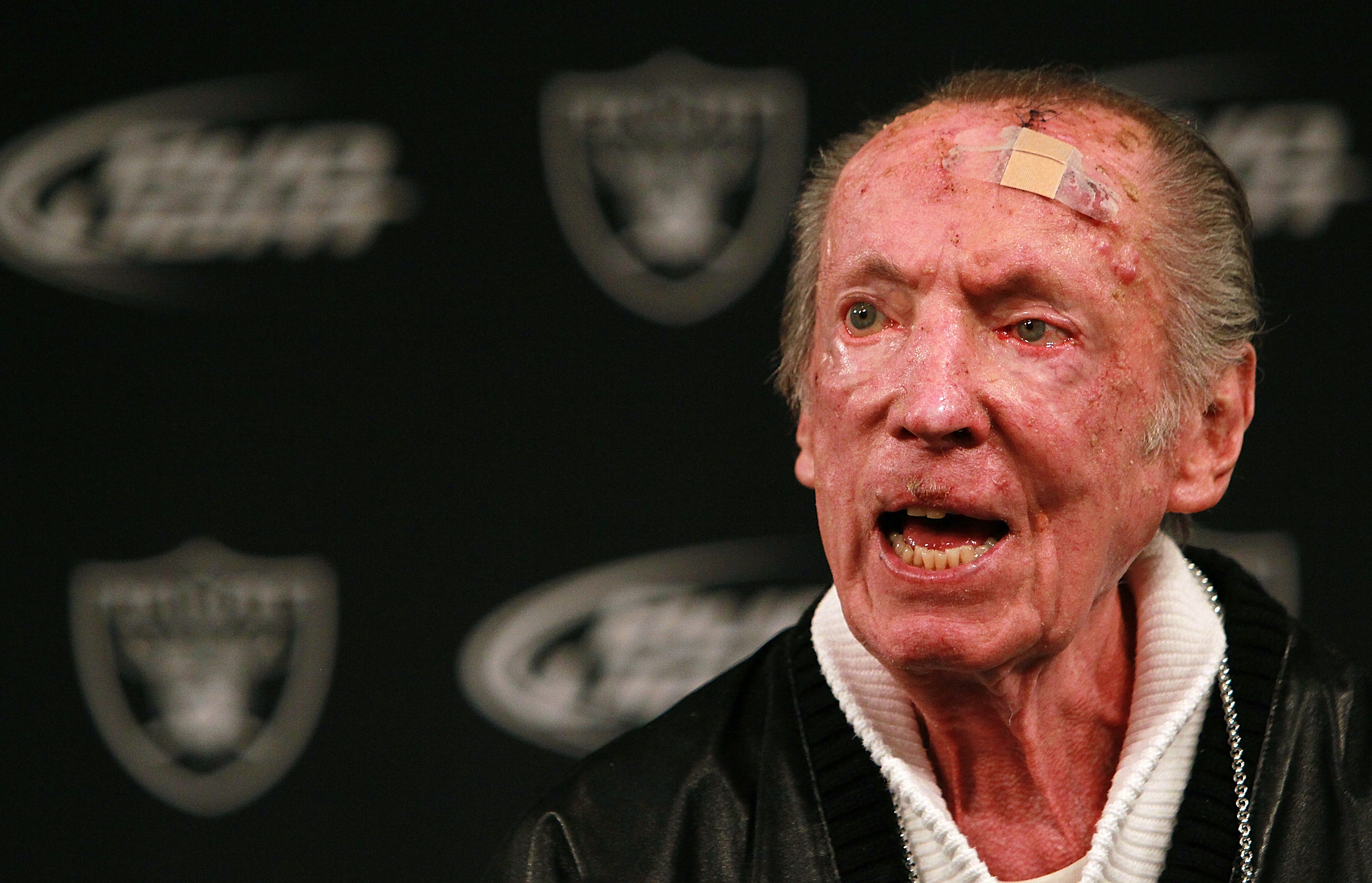
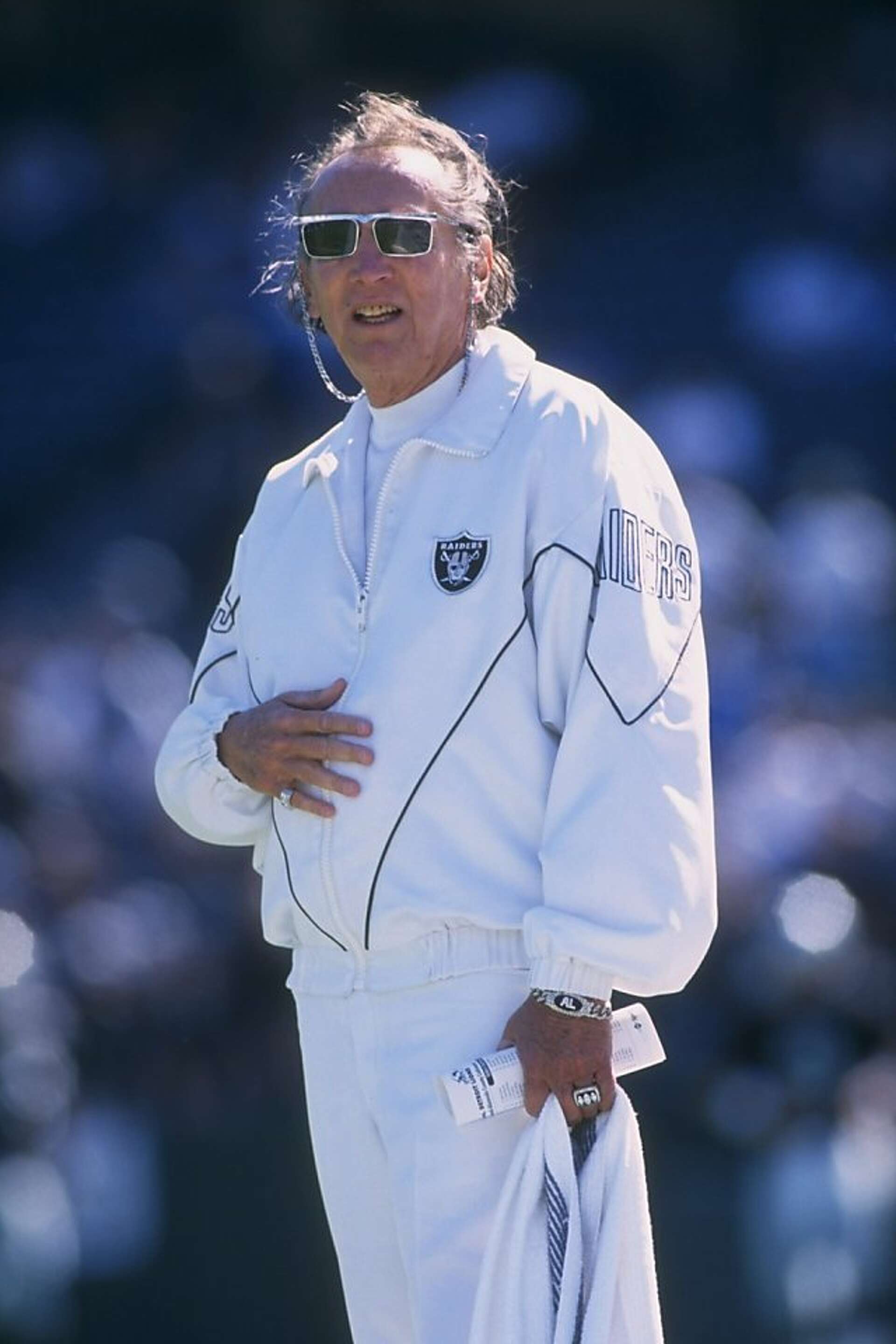
Al Davis was the transformative owner, general manager, and head coach of the Raiders franchise, serving as the singular force behind the team’s identity for nearly half a century. Known for his "Just Win, Baby" mantra, Davis was a pivotal AFL commissioner, a civil rights pioneer, and a relentless legal challenger of the NFL's establishment.
The Early Years and the Rise of the Silver and Black
The story of Al Davis is inextricably linked to the rise of the American Football League (AFL) and the eventual dominance of the Raiders. Born in 1929 in Brockton, Massachusetts, Davis did not take the traditional path of a former star player. Instead, he was a student of the game, obsessed with strategy and personnel. After coaching stints at the collegiate level and with the Los Angeles Chargers under Sid Gillman, Davis arrived in Oakland in 1963 as the youngest head coach and general manager in professional football.
At the time, the Raiders were a struggling franchise with a losing culture and dwindling attendance. Davis immediately implemented a radical shift in philosophy. He changed the team colors to silver and black and introduced the "Vertical Game"—a high-risk, high-reward passing strategy designed to stretch the defense and strike deep. In his first year, he led the Raiders to a 10-4 record, earning AFL Coach of the Year honors. This era established the "Raider Mystique," a blend of technical innovation and an "us against the world" mentality that would define the organization for decades.
Davis’s influence quickly expanded beyond the sidelines. By 1966, he was named the Commissioner of the AFL. In this role, he engaged in an aggressive "war" with the established NFL, specifically targeting star quarterbacks for recruitment. His tactics were so disruptive that they accelerated the merger between the two leagues. Although Davis was initially disappointed that the merger resulted in Pete Rozelle—his long-time rival—becoming the sole commissioner, the move solidified Davis’s status as a premier power broker in professional sports.
Commitment to Excellence: The Al Davis Philosophy
To understand Al Davis is to understand his three core phrases: "Commitment to Excellence," "Pride and Poise," and the legendary "Just Win, Baby." These weren't mere marketing slogans; they were the operational pillars of the Raiders organization. Davis believed that the Raiders should be a haven for talented individuals who were considered "misfits" or "renegades" by the rest of the league.
The "Raider Way" involved a unique approach to personnel. Davis often prioritized raw speed and physical traits that other scouts overlooked. He believed that if a player had a "vertical" skill set—the ability to outrun defenders or the arm strength to throw the deep ball—the Raiders' system could maximize that talent regardless of the player’s past behavioral issues or unconventional style. This philosophy led to the acquisition of future Hall of Famers like Jim Plunkett, Lyle Alzado, and Ted Hendricks, all of whom found their greatest success under the Davis umbrella.
Tactically, Davis remained a proponent of the "Vertical Game" long after other teams transitioned to more conservative "West Coast" offenses. He demanded that his quarterbacks look for the deep shot first, forcing safeties to play deep and opening up the running game. This aggressive posture made the Raiders one of the most feared and respected teams of the 1970s and 1980s, culminating in multiple Super Bowl titles and a winning percentage that was, for a time, the highest in all of professional sports.
A Trailblazer in Equality and Civil Rights
Perhaps the most significant, yet occasionally overshadowed, aspect of Al Davis’s career was his unwavering commitment to civil rights and meritocracy. Long before the NFL implemented formal diversity mandates like the Rooney Rule, Davis operated on a simple principle: if you can help the Raiders win, your background does not matter.
Davis’s record of "firsts" is unmatched in the history of the league:
- Art Shell: In 1989, Davis hired Art Shell as the first African American head coach of the modern era.
- Tom Flores: He hired Tom Flores, the first Latino head coach in NFL history, who went on to win two Super Bowls with the team.
- Amy Trask: He appointed Amy Trask as the first female CEO of an NFL franchise, a position she held for over a decade.
His commitment to equality extended to the team’s travel and lodging. In the 1960s, Davis famously refused to allow the Raiders to play in cities where players were forced into segregated hotels. He moved preseason games and demanded accommodations that treated all players equally, regardless of race. For Davis, this wasn't necessarily a political statement, but a fundamental requirement of a winning culture. He believed that any distraction or injustice that affected a player’s performance was an obstacle to the primary goal of winning.
Legal Battles and the Pursuit of Franchise Autonomy
Al Davis is arguably as famous for his courtroom battles as he is for his football victories. He viewed the NFL not as a monolithic entity, but as a voluntary association of independent businesses. This perspective frequently put him at odds with NFL Commissioner Pete Rozelle and other owners who favored centralized control.
The most famous conflict was the move to Los Angeles. When the NFL blocked Davis’s attempt to move the Raiders from Oakland to the larger L.A. market in 1980, Davis filed an antitrust lawsuit against the league. In 1982, a federal court ruled in his favor, forever changing the landscape of professional sports by granting owners significantly more power to relocate their franchises. This victory allowed the Raiders to play in Los Angeles from 1982 to 1994, where they won Super Bowl XVIII.
However, Davis’s relationship with Los Angeles was also fraught with tension. Dissatisfied with the progress of stadium renovations at the L.A. Coliseum, he moved the team back to Oakland in 1995. These maneuvers, while legally successful, created a complex legacy. Davis was seen by some as a visionary fighting for the rights of owners, and by others as a litigious disruptor who prioritized his own interests over the stability of the league and the loyalty of fans.
Statistical and Cultural Milestones of the Davis Era
The impact of Al Davis is best measured by the sheer longevity and success of the Raiders under his guidance. During his tenure, the Raiders became a global brand, recognized by the iconic eye-patched pirate logo and the intimidating silver and black uniforms.
| Metric | Achievement | Significance |
|---|---|---|
| Super Bowl Titles | 3 (XI, XV, XVIII) | Established the Raiders as a dynasty in two different cities. |
| Conference Championships | 4 AFL/AFC Titles | Demonstrated consistent dominance over three decades. |
| Hall of Fame Induction | Class of 1992 | Recognized as a contributor who shaped the game's history. |
| Coaching Record (Head Coach) | 23-16-3 | A short but impactful tenure that redefined the Raiders' identity. |
| Winning Percentage | .600+ (for decades) | For much of the 20th century, Davis's Raiders had the best record in sports. |
| Civil Rights Firsts | First Black Coach, First Latino Coach, First Female CEO | Set the standard for diversity and inclusion in executive leadership. |
The Vertical Passing Game: Technical Depth
The "Vertical Game" was not just a preference for long passes; it was a complex offensive system based on specific timing and "read" progressions. Davis believed in the "stretch" principle—using extreme speed on the outside to force the defense to account for the entire 100-yard field. This required a specific type of offensive line that could pass-protect for five to seven seconds, longer than the typical three-step drop.
Quarterbacks under Davis were taught to "throw the ball through the receiver," emphasizing velocity and high-trajectory deep balls. This system turned players like Daryle "The Mad Bomber" Lamonica and Jim Plunkett into stars. Even in his final years, Davis remained obsessed with the 40-yard dash times of prospects at the NFL Combine, often selecting the fastest player available because he believed speed was the only attribute that a coach could not teach. While the rest of the league eventually moved toward high-percentage, short-yardage passing, Davis’s adherence to the vertical game ensured the Raiders always remained a "big play" threat.
The Final Years and the Transition to Las Vegas
In his later years, Davis faced criticism as the Raiders struggled to maintain their historic winning standards. The period following the team’s appearance in Super Bowl XXXVII (2003) was marked by frequent coaching changes and personnel misses. However, Davis remained the hands-on, final authority on all football matters until his death in October 2011.
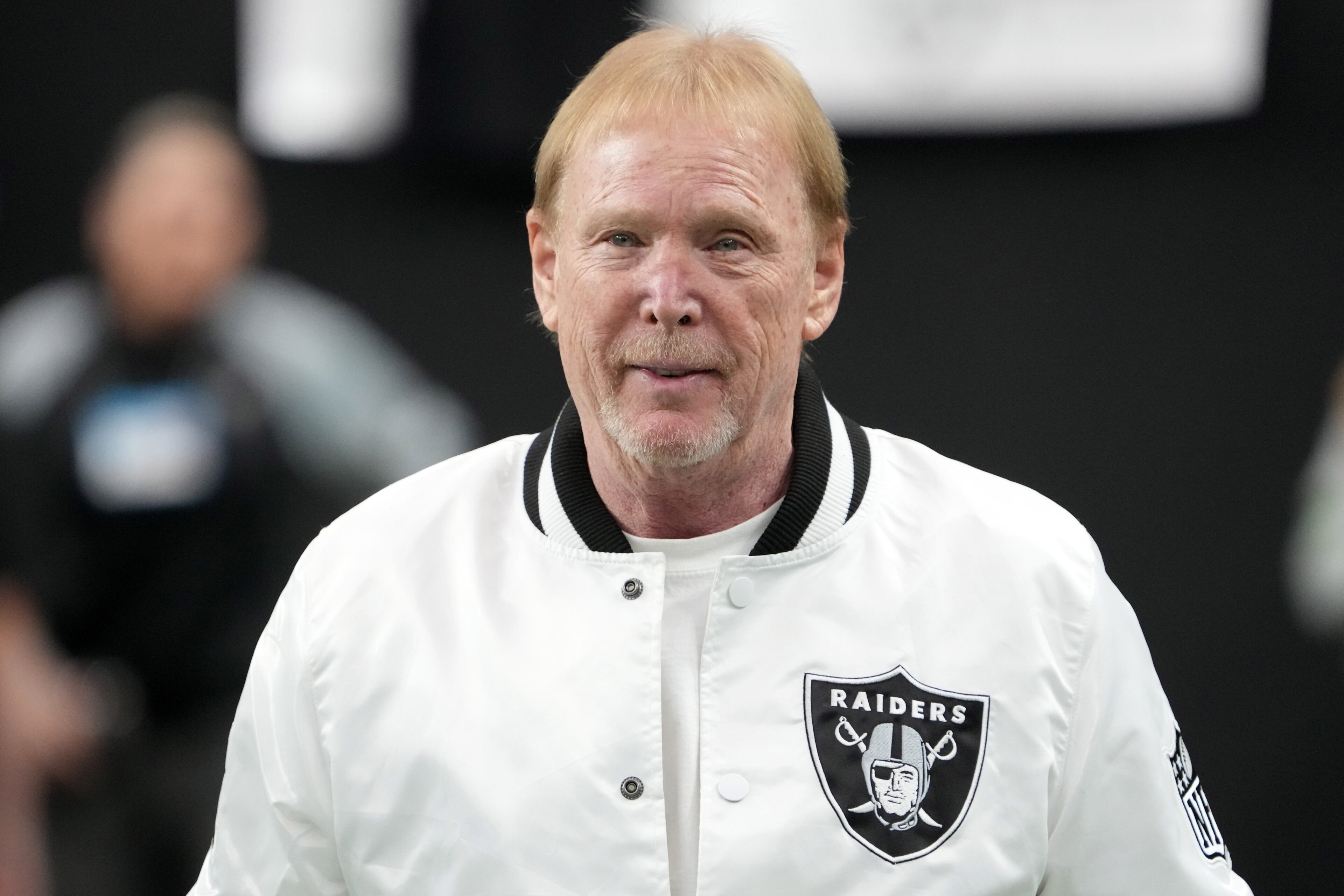
Following his passing, the franchise transitioned to his son, Mark Davis. While Mark adopted a more "hands-off" approach to football operations than his father, he maintained the core identity Al Davis built. The move to Las Vegas in 2020 and the construction of Allegiant Stadium—often referred to as the "Death Star"—is in many ways the final realization of Al Davis’s dream: a state-of-the-art home for the Raiders that matches the grandiosity of the brand.
As of 2026, the Al Davis legacy is honored before every Raiders home game with the lighting of the Al Davis Memorial Torch. This ritual serves as a reminder of the man who, for better or worse, refused to conform to the norms of the NFL. He remains the only individual to have served as an assistant coach, head coach, general manager, commissioner, and owner in the history of the sport.
Frequently Asked Questions
What was Al Davis's net worth at the time of his death?
At the time of his death in 2011, Al Davis's net worth was estimated to be around $500 million. While the Raiders franchise was valued much higher, Davis’s wealth was largely tied up in the team’s assets and various legal settlements. Since his passing, the value of the franchise has exploded, surpassing $6 billion by 2026 due to the move to Las Vegas and the NFL’s increased media revenue.
Why did Al Davis sue the NFL so many times?
Al Davis sued the NFL primarily to assert his rights as an independent business owner. His most famous lawsuit was an antitrust case in the early 1980s, which he filed after the league tried to block the Raiders from moving to Los Angeles. Davis believed that the league’s rules regarding franchise relocation were an illegal restraint of trade. His legal victories established a precedent that made it significantly easier for sports teams to relocate.
What does "Just Win, Baby" actually mean?
The phrase "Just Win, Baby" was Al Davis’s ultimate directive to his players and staff. It encapsulated his belief that the ends (winning) justified the means (taking risks, hiring outcasts, or using aggressive tactics). It was a call to ignore distractions, media criticism, and personal differences in favor of a singular, collective goal. The phrase became a cultural phenomenon, symbolizing the Raiders' uncompromising and often defiant nature.
Is Al Davis in the Pro Football Hall of Fame?
Yes, Al Davis was inducted into the Pro Football Hall of Fame in 1992. He was inducted as a "Contributor" for his massive impact on the game as a coach, general manager, commissioner of the AFL, and owner. His induction speech is often cited as one of the most memorable in the Hall's history, as he used the platform to honor the "greatness of the Raiders."
How did Al Davis change the way NFL teams are managed?
Davis pioneered the "General Manager-Owner" model, where a single individual had total control over both the business and football sides of the organization. He was also an early adopter of advanced scouting and film study. By emphasizing specific physical traits (like speed) over collegiate accolades, he changed how NFL teams evaluate talent. His willingness to hire minority coaches and female executives also broke the "old boys' club" mold of NFL management.
Honoring the Legacy of the Maverick
For researchers, fans, and sports historians, the legacy of Al Davis provides a blueprint for organizational identity and resilience. Whether you view him as a visionary who championed player rights and diversity or a litigious owner who prioritized his own agenda, his impact on the modern NFL is undeniable. To truly understand the current landscape of professional football—from franchise relocation rights to the emphasis on deep-threat passing—one must study the moves Davis made decades ago. The most practical way to honor this legacy is to recognize that the Raiders' "Silver and Black" is more than just a color scheme; it is a testament to one man’s refusal to accept the status quo.