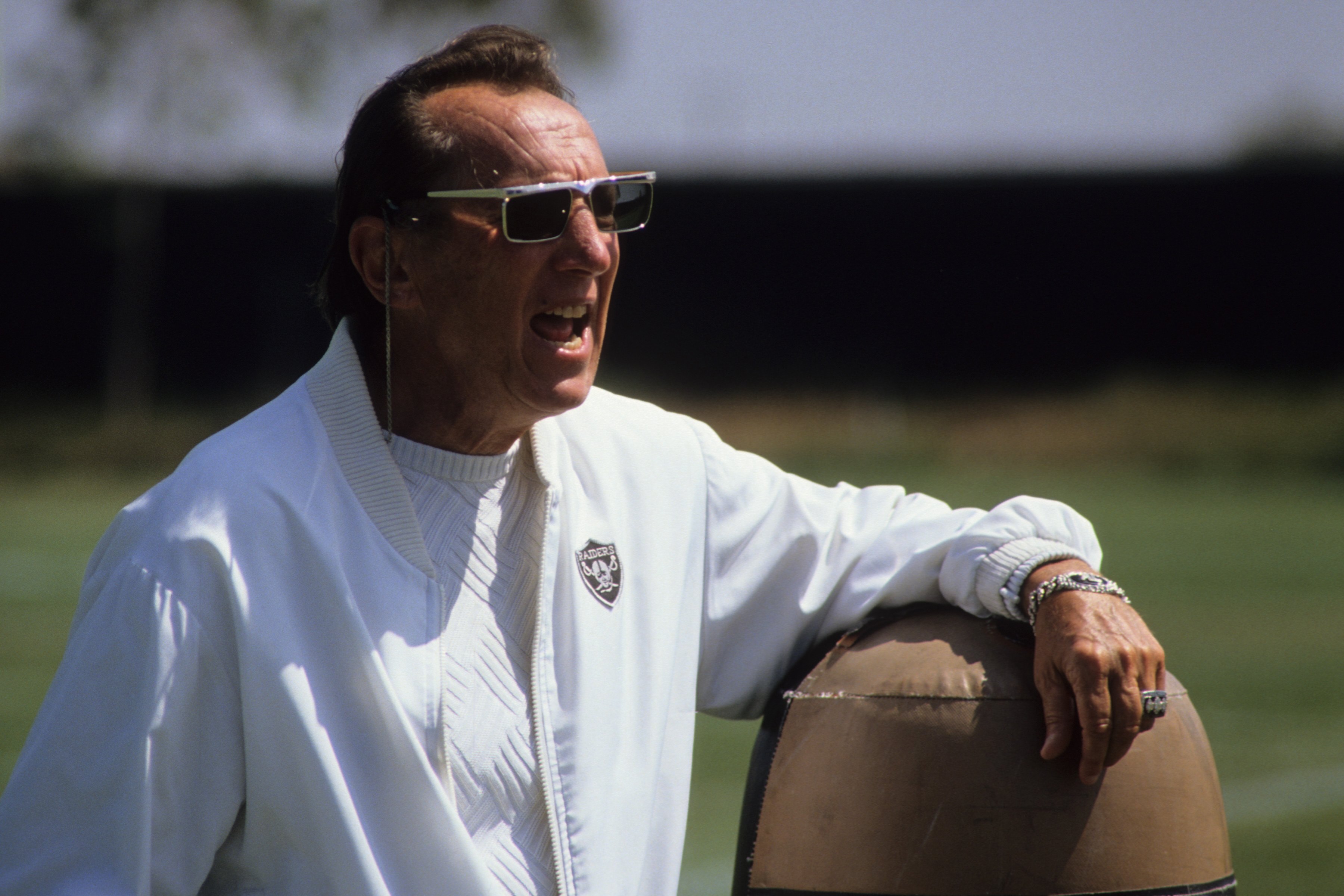
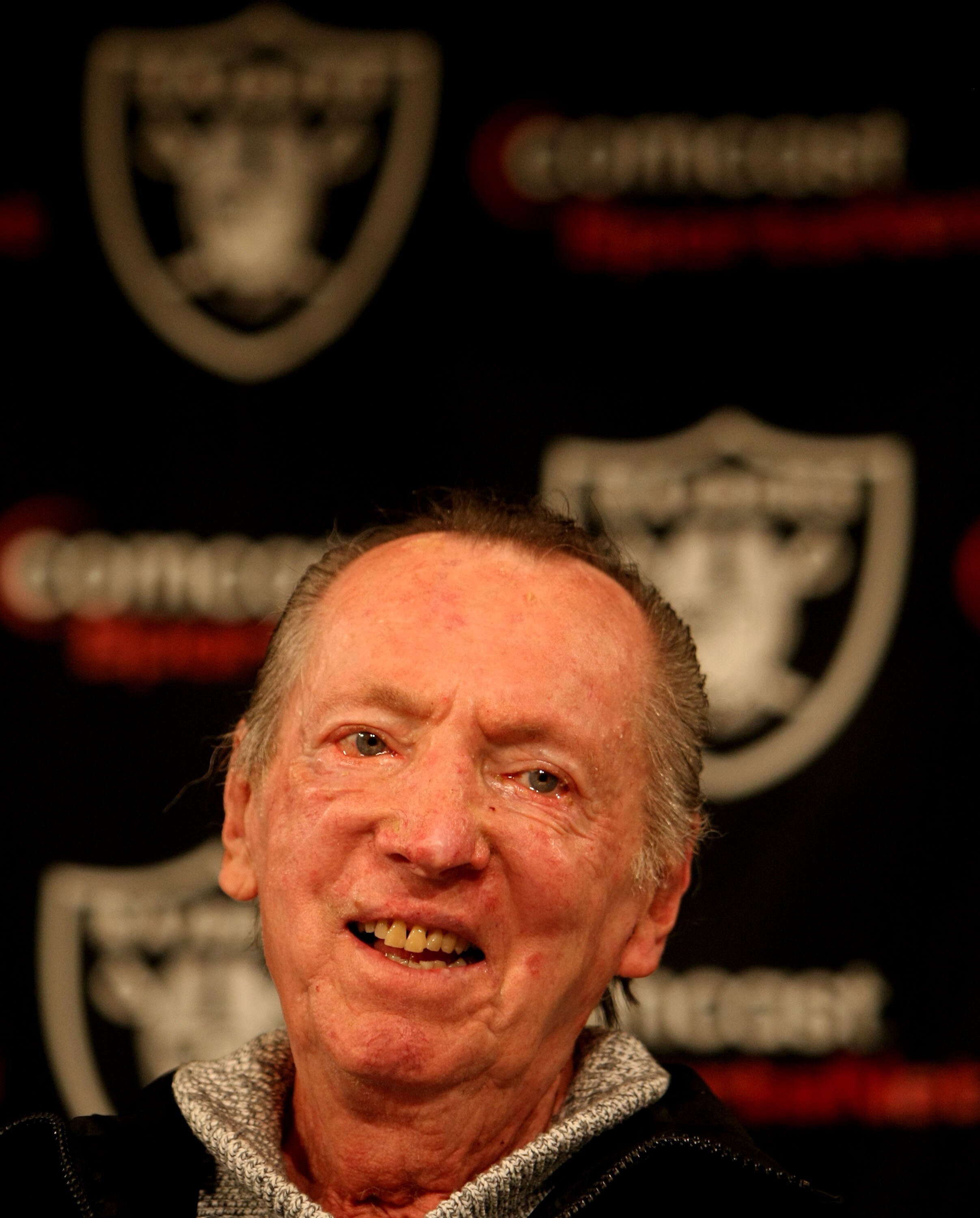
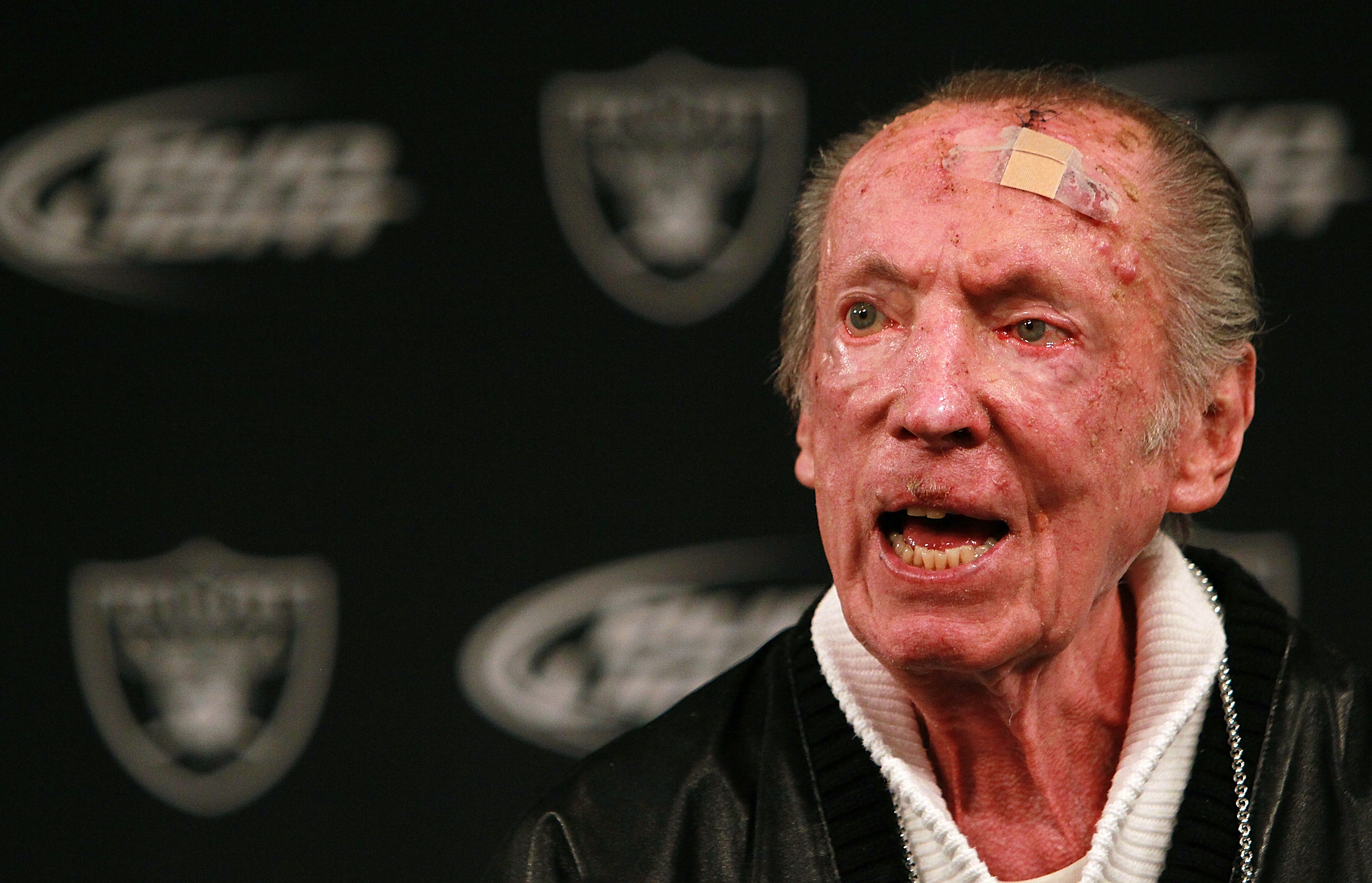
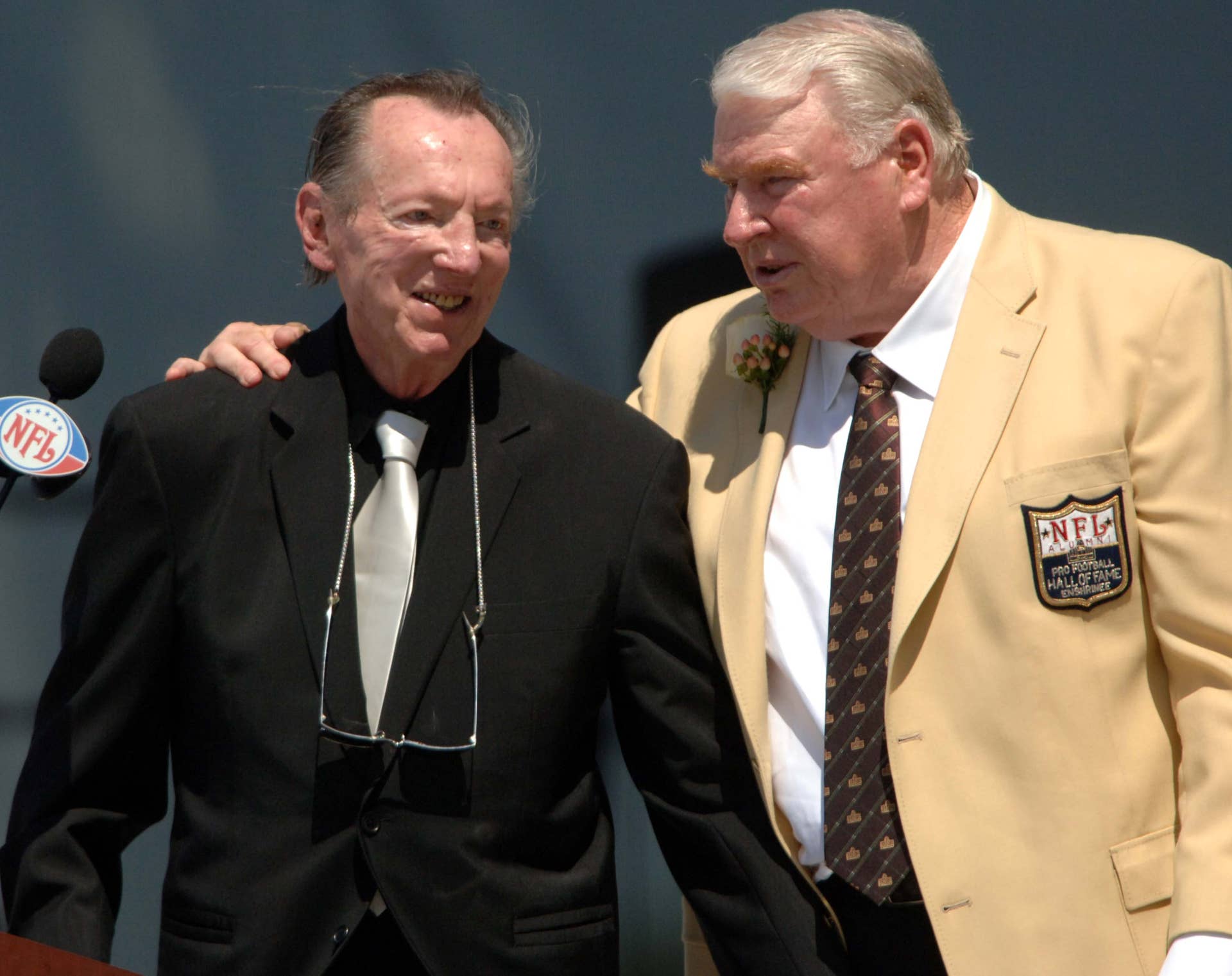
Al Davis was the principal owner and general manager of the Raiders for nearly half a century, serving as the primary architect of the franchise's "Silver and Black" identity. He was the only person in modern professional football history to serve as an assistant coach, head coach, general manager, commissioner, and owner. His "Commitment to Excellence" and "Just Win, Baby" philosophy transformed a struggling AFL team into one of the most successful and recognizable global brands in sports.
The Architect of the Silver and Black: Early Years and Coaching
To understand the Raiders dynasty, one must first understand the man who literally designed it. Al Davis did not just own the Raiders; he embodied them. After serving as an assistant coach for the San Diego Chargers under the legendary Sid Gillman, Davis was hired as the head coach and general manager of the Oakland Raiders in 1963. At just 33 years old, he was the youngest person in professional football to hold those dual roles.
When Davis arrived, the Raiders were a failing franchise in the American Football League (AFL). They had won only nine games in their first three seasons. Davis immediately changed the team's colors to silver and black and instilled a culture of aggression and defiance. In his first year, he led the team to a 10-4 record and earned AFL Coach of the Year honors. This transformation was the first indicator of his visionary capability—he saw a path to victory where others saw a perennial loser.
By 1966, his influence had grown so significant that he was named the Commissioner of the AFL. In this role, he was a ruthless competitor against the established NFL, aggressively signing star quarterbacks to AFL contracts. His "raiding" of the NFL’s talent pool was so effective that it forced the older league into merger negotiations. Paradoxically, Davis voted against the merger because he believed the AFL was on the verge of overtaking the NFL entirely. Despite his opposition, the merger proceeded, and Davis returned to the Raiders as a general partner, eventually gaining majority control in 1972.
The Vertical Game: Tactical Innovation and Personnel
The "Raiders Dynasty" was built on a specific tactical philosophy: the vertical passing game. While most teams in the 1960s and 70s focused on conservative, ground-based attacks, Davis obsessed over "stretching the field." He wanted to intimidate opponents with deep strikes and a physical defense that pushed the limits of the rules.
Davis’s scouting eye was legendary. He valued raw speed and physical dominance above all else. This led to the recruitment of iconic players who didn't fit the "clean-cut" mold of other NFL teams. The Raiders became a haven for "misfits" and "rebels," provided they could play at an elite level. This roster-building strategy produced Hall of Famers like Jim Otto, Gene Upshaw, Art Shell, Willie Brown, and Ted Hendricks.
The dynasty truly solidified under head coach John Madden, whom Davis promoted from within. Under Madden and later Tom Flores, the Raiders achieved a level of consistency rarely seen in professional sports. From 1967 to 1985, the Raiders won three Super Bowls (XI, XV, and XVIII) and were perennial contenders. Davis’s ability to identify coaching talent was just as sharp as his eye for players; he famously trusted Madden, a young and unproven assistant, to lead the team to its first championship.
A Social Pioneer: Breaking Barriers in the NFL
One of the most significant yet often overlooked aspects of Al Davis’s legacy is his role as a social pioneer. Davis was colorblind when it came to talent and leadership. Long before the NFL implemented formal diversity initiatives, Davis was making hiring decisions based solely on who he believed could help the team "Just Win."
- First African-American Head Coach: In 1989, Davis hired Art Shell, making him the first Black head coach in the modern era of the NFL.
- First Latino Head Coach: Davis promoted Tom Flores, who became the first Latino head coach to win a Super Bowl.
- First Female CEO: In 1997, Davis appointed Amy Trask as the CEO of the Raiders, making her the first woman to hold such a high-ranking executive position in the league.
These weren't symbolic gestures; they were pragmatic moves by an owner who refused to let societal prejudices interfere with his pursuit of excellence. This inclusive approach strengthened the Raiders' internal culture and fostered a deep sense of loyalty among players and staff that lasted for decades.
The Legal Battles and Relocations: The Rebel Owner
Al Davis’s relationship with the NFL was characterized by frequent litigation and public disputes. He viewed himself as an outsider fighting against a stagnant establishment. The most famous of these battles occurred in the early 1980s when Davis sought to move the Raiders from Oakland to Los Angeles.
When the NFL blocked the move, Davis sued the league on antitrust grounds. He won the case in 1982, a landmark victory that fundamentally changed the power dynamic between team owners and the league office. The Raiders moved to Los Angeles, won Super Bowl XVIII there, and then eventually moved back to Oakland in 1995. Even in his later years, Davis remained a litigious and fierce advocate for his franchise's independence.
In 2026, looking back at the franchise’s history, these legal battles are seen as the precursor to the modern era of NFL franchise mobility. Davis’s willingness to challenge the league paved the way for the eventual move to Las Vegas under his son, Mark Davis, ensuring the team's financial future in a world-class stadium that bears his father’s name on the eternal flame.
Historical Comparison: The Al Davis Eras
The longevity of Al Davis's tenure meant that he oversaw several distinct eras of football. The following table illustrates the sustained success of the Raiders under his direct influence compared to the competitive landscape of those decades.
| Era | Key Figures | Primary Achievement | Defining Characteristic |
|---|---|---|---|
| 1963–1969 | Al Davis, Daryle Lamonica | 1967 AFL Championship | The Birth of the "Silver and Black" and the Vertical Game. |
| 1970–1978 | John Madden, Ken Stabler | Super Bowl XI Victory | The most winning decade in franchise history. |
| 1979–1987 | Tom Flores, Jim Plunkett | Super Bowl XV & XVIII | Success with "misfit" veterans and the move to Los Angeles. |
| 1988–2002 | Art Shell, Jon Gruden | 2002 AFC Championship | The return to Oakland and the "Gruden Era" resurgence. |
| 2003–2011 | Rich Gannon, Al Davis | Final years of Al's life | A period of struggle but steadfast adherence to his principles. |
The Legacy in 2026: Why the Vision Still Matters
As we observe the NFL in 2026, the influence of Al Davis remains pervasive. While the team now plays in Las Vegas, the "Raider Way" continues to define the organization’s soul. The Raiders aren't just a football team; they are a lifestyle and a brand that transcends geographic location. This was Davis's ultimate vision: to create an entity so distinct that it could thrive anywhere.
His impact on the game's rules, the way teams are scouted, and the rights of owners to control their own destiny cannot be overstated. Current NFL owners operate in a league that was shaped by Davis’s courtroom victories and his aggressive marketing of team identity. He understood the value of the "renegade" image long before sports marketing became a billion-dollar industry.
Frequently Asked Questions
What does "Just Win, Baby" mean in the context of Al Davis?
"Just Win, Baby" was Davis's most famous mantra. It encapsulated his belief that the ultimate goal of the organization was victory, regardless of the methods used, the background of the players, or the opinions of the public. It was a call for total focus and the elimination of excuses in the pursuit of success.
How did Al Davis change the NFL draft and scouting?
Davis was a pioneer in valuing "measurables"—specifically speed and size. He famously favored players who excelled at the NFL Scouting Combine, such as track stars who could be taught to play football. This philosophy forced the rest of the league to place a higher premium on raw athleticism, a trend that dominates the modern NFL draft process in 2026.
Why did Al Davis sue the NFL multiple times?
Davis sued the NFL primarily to protect the autonomy of individual team owners. His most famous lawsuit involved the right to move his team to a different market (Los Angeles) without league approval. He believed that owners should have the right to operate their businesses as they saw fit, rather than being controlled by a centralized league office.
What was Al Davis's role in the AFL-NFL merger?
As AFL Commissioner in 1966, Davis used aggressive tactics to sign NFL players, creating a bidding war that threatened the financial stability of both leagues. This pressure forced the NFL to agree to a merger. Although Davis personally wanted to continue the fight until the AFL was the dominant league, his actions were the catalyst that created the modern NFL structure.
Did Al Davis ever win a Super Bowl as an owner?
Yes, Al Davis won three Super Bowls as the principal owner of the Raiders: Super Bowl XI (January 1977), Super Bowl XV (January 1981), and Super Bowl XVIII (January 1984). He was also a key part of the organization during their AFL Championship season in 1967.
Continuing the Commitment to Excellence
To truly appreciate the visionary nature of Al Davis, one should study the history of the Raiders' "Silver and Black" brand. For fans or historians looking to understand his impact, visiting the Raiders' headquarters or attending a game in Las Vegas offers a direct look at how his principles are still integrated into the team's daily operations. The eternal flame at Allegiant Stadium serves as a physical reminder that while the man is gone, his "Commitment to Excellence" remains the guiding light for the franchise. Aspiring sports executives should analyze Davis’s early years as a coach-GM to see how a singular vision can transform a failing organization into a global powerhouse.