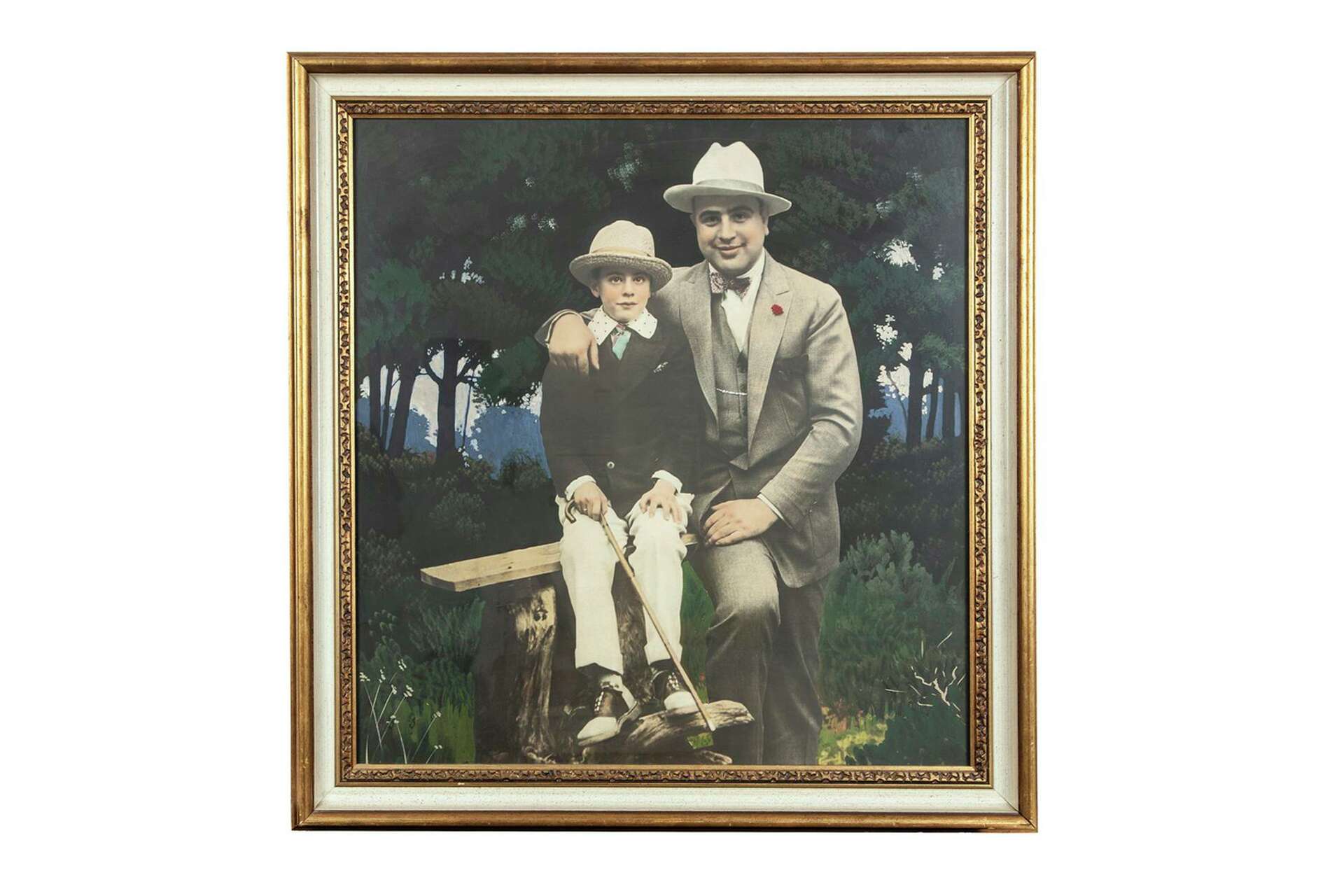
The historic auction of Al Capone’s private estate, titled "A Century of Notoriety," saw a collection of "unseen" personal items sell for over $3 million. Held in California, the event featured 174 lots, including his favorite semi-automatic pistol, diamond-encrusted jewelry, and intimate family photographs, reflecting the enduring fascination with the Prohibition-era gangster.
The fascination with Al "Scarface" Capone has rarely waned since his death in 1947, but the 2021 auction held by Witherell’s Auction House brought a new dimension to his legacy. These items, preserved for decades by his granddaughters, provided a rare glimpse into the domestic life of America’s most infamous organized crime figure. As of 2026, the prices realized during this sale remain a benchmark for the "outlaw memorabilia" market, demonstrating that the provenance of notoriety often carries a higher premium than the intrinsic value of the objects themselves.
The Provenance of the "Unseen" Collection
What distinguished this specific auction from previous sales of organized crime memorabilia was the direct provenance. The items did not come from police evidence lockers or secondary collectors; they were the personal property of the Capone family, passed down from Al to his wife Mae, then to their only son Albert "Sonny" Capone, and finally to his daughters.
Diane Capone, one of Al’s granddaughters, noted that the decision to sell was driven by the advancing age of the sisters and the desire to share the "human side" of their grandfather before the items were lost to history. For decades, these collectibles were kept in private residences, away from the public eye. This "unseen" status created a frenzy among collectors of historical artifacts, true crime enthusiasts, and institutional investors. The collection effectively bridged the gap between the ruthless "Public Enemy No. 1" and the man his family knew as "Papa."
The Crown Jewel: Al Capone’s Favorite Colt .45
The undisputed star of the auction was a .45-caliber Colt semi-automatic pistol, which Al Capone reportedly referred to as his "favorite." This firearm was more than just a piece of weaponry; it was a symbol of the power and violence that defined the Chicago Outfit during the 1920s and 30s.
The pistol fetched a staggering $860,000, far exceeding its initial estimate of $100,000 to $150,000. When including the "buyer’s premium"—the additional fee charged by the auction house—the total price approached $1 million. Collectors were drawn to the firearm's direct association with Capone’s personal security. Unlike many guns attributed to gangsters through hearsay, this Colt had documented family history. The technical condition of the firearm was secondary to its historical weight, representing the very tools used to consolidate power in an era of bootlegging and gang warfare.
Intimate Artifacts: The Letter from Alcatraz
While the weapons drew the most headlines, the most poignant item sold was a three-page letter written by Capone to his son, Sonny, while Al was incarcerated at Alcatraz Federal Penitentiary. In the letter, Al provides fatherly advice and expresses a deep longing for his family, a stark contrast to his public persona as a cold-blooded mob boss.
The letter sold for $56,700. It offers a unique psychological profile of a man facing the decline of his empire and his health. Researchers and historians value such documents because they provide primary-source evidence of the internal lives of historical figures. In the context of the 2021 auction (and looking back from 2026), this letter remains one of the most significant pieces of correspondence ever sold from the American gangland era. It humanizes a figure who is often caricatured in film and television, highlighting the duality of his existence.
Luxury and Excess: Diamond Jewelry and Patek Philippe
Al Capone was known for his flamboyant lifestyle, and the auction featured several pieces of high-end jewelry that reflected the wealth generated by his criminal enterprises. These items were not just fashion statements; they were portable assets that signified status within the underworld.
One of the most notable pieces was a diamond-encrusted Patek Philippe pocket watch. The watch, which sold for over $225,000, was a testament to Capone’s affinity for the finer things in life. Additionally, a diamond-set platinum monogrammed tie bar, featuring the initials "AC," sold for significantly more than its material value in platinum and stones.
The interest in these luxury items stems from the "glamour" often associated with the Prohibition era. Collectors are willing to pay a "notoriety premium"—a percentage increase over the market value of a similar item without such a famous owner. For Capone's jewelry, this premium was estimated to be between 500% and 1,000% of the base appraisal.
Summary of Key Sales from the "A Century of Notoriety" Auction
The following table highlights the most significant items sold during the landmark event, illustrating the diversity of the collection and the high valuations achieved.
| Item Description | Category | Estimated Value (USD) | Final Sale Price (USD) |
|---|---|---|---|
| Colt .45 Semi-Automatic Pistol | Weaponry | $100,000 – $150,000 | $860,000 |
| Patek Philippe Pocket Watch | Jewelry/Luxury | $25,000 – $50,000 | $229,100 |
| Letter to Sonny from Alcatraz | Document | $10,000 – $15,000 | $56,700 |
| Vintage Home Movies (8mm) | Media/Personal | $2,500 – $5,000 | $12,000 |
| Diamond Encrusted Belt Buckle | Jewelry | $5,000 – $10,000 | $42,500 |
| Carved Ornamental Bedside Lamp | Home Decor | $1,000 – $2,000 | $15,000 |
The Market for "Outlaw Memorabilia" in 2026
As we evaluate these sales in 2026, the Al Capone auction stands as a pivotal moment in the niche market of criminal history. The success of the sale triggered a broader interest in "dark history" collectibles, leading to increased valuations for items related to the Kray twins in the UK and other Prohibition-era figures like John Dillinger or Bonnie and Clyde.
Several factors contribute to the sustained value of these items:
- Scarcity: Authenticated items from the personal estates of major historical figures are rare. Most are held in museums or have been lost to time.
- Cultural Impact: Al Capone remains the definitive symbol of American organized crime, influencing countless movies, books, and academic studies.
- Investment Potential: Historical artifacts are often seen as "hard assets" that can appreciate over time, independent of stock market volatility.
However, the market is also fraught with risks. Forgery is common in the world of gangster memorabilia. The 2021 auction set a high standard for verification, as the items came with a direct chain of custody from the Capone family. Prospective buyers in 2026 are advised to look for similar levels of documentation when purchasing items of this nature.
FAQ: Understanding the Al Capone Estate Sale
Who purchased the majority of the Al Capone items?
The buyers were a mix of private collectors and anonymous bidders. While some items were rumored to be headed to private museums or themed hospitality venues (such as speakeasy-style bars), the identity of the person who bought the $860,000 Colt .45 has remained confidential. This is common in high-stakes auctions to protect the security of the buyer and the artifact.
Why did the family decide to sell the collection after so many years?
The primary reason cited by Diane Capone was the safety and preservation of the items. Following the 2018 wildfires in Northern California, which threatened the family's homes, there was a realization that these historical artifacts could be destroyed. By auctioning them, the family ensured they would be cataloged, insured, and placed in the hands of collectors who would preserve them.
Are there any legal restrictions on owning Al Capone’s weapons?
The sale of firearms at auction is subject to federal and state laws. In the case of the 2021 auction, all firearms were processed through licensed dealers (FFL), and buyers had to pass standard background checks. In 2026, regulations regarding "curio and relic" firearms remain strict, but because the Capone weapons are of significant historical interest and age, they are generally legal for collectors to own under specific permit conditions.
Have any of the items been seen in public since the auction?
Some pieces have appeared in temporary exhibitions and historical documentaries. The home movies, in particular, have been used by historians to provide a more nuanced view of the Capone family’s private life in Florida. However, the majority of the high-value items remain in private collections.
How does the value of Capone's items compare to other historical figures?
Capone's items typically outperform those of other criminals due to his global name recognition. While items from "outlaws" like Jesse James also fetch high prices, Capone's association with the "Roaring Twenties" and the glamorous, dangerous era of Prohibition gives his collectibles a unique aesthetic appeal that transcends simple criminal history.
Recommendations for Historical Memorabilia Collectors
For those looking to enter the market for historical or true crime collectibles in 2026, the Al Capone auction serves as an essential case study. The most critical factor for any purchase is provenance. Before investing a fortune in "unseen" collectibles, ensure there is a documented link back to the original owner. Professional appraisals and COAs (Certificates of Authenticity) from reputable auction houses like Witherell's or Sotheby's are non-negotiable.
Furthermore, consider the historical context of the item. Pieces that tell a story—such as the Alcatraz letter—often hold their value better than generic luxury items that just happened to be owned by a famous person. Finally, be mindful of the ethical considerations; some collectors prefer to focus on the social history of the era rather than the glorification of criminal acts. Always prioritize items that contribute to a deeper understanding of the time period.