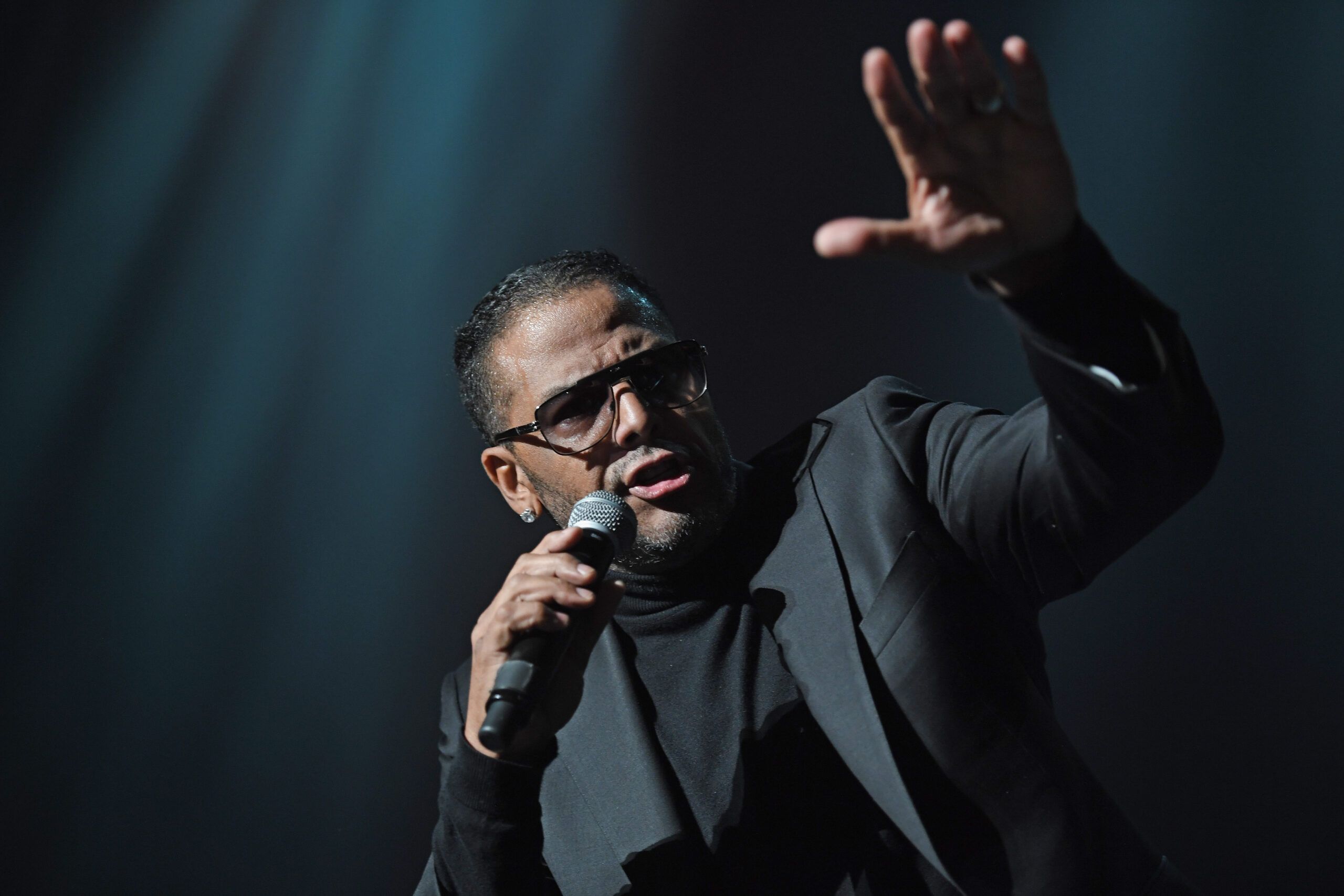
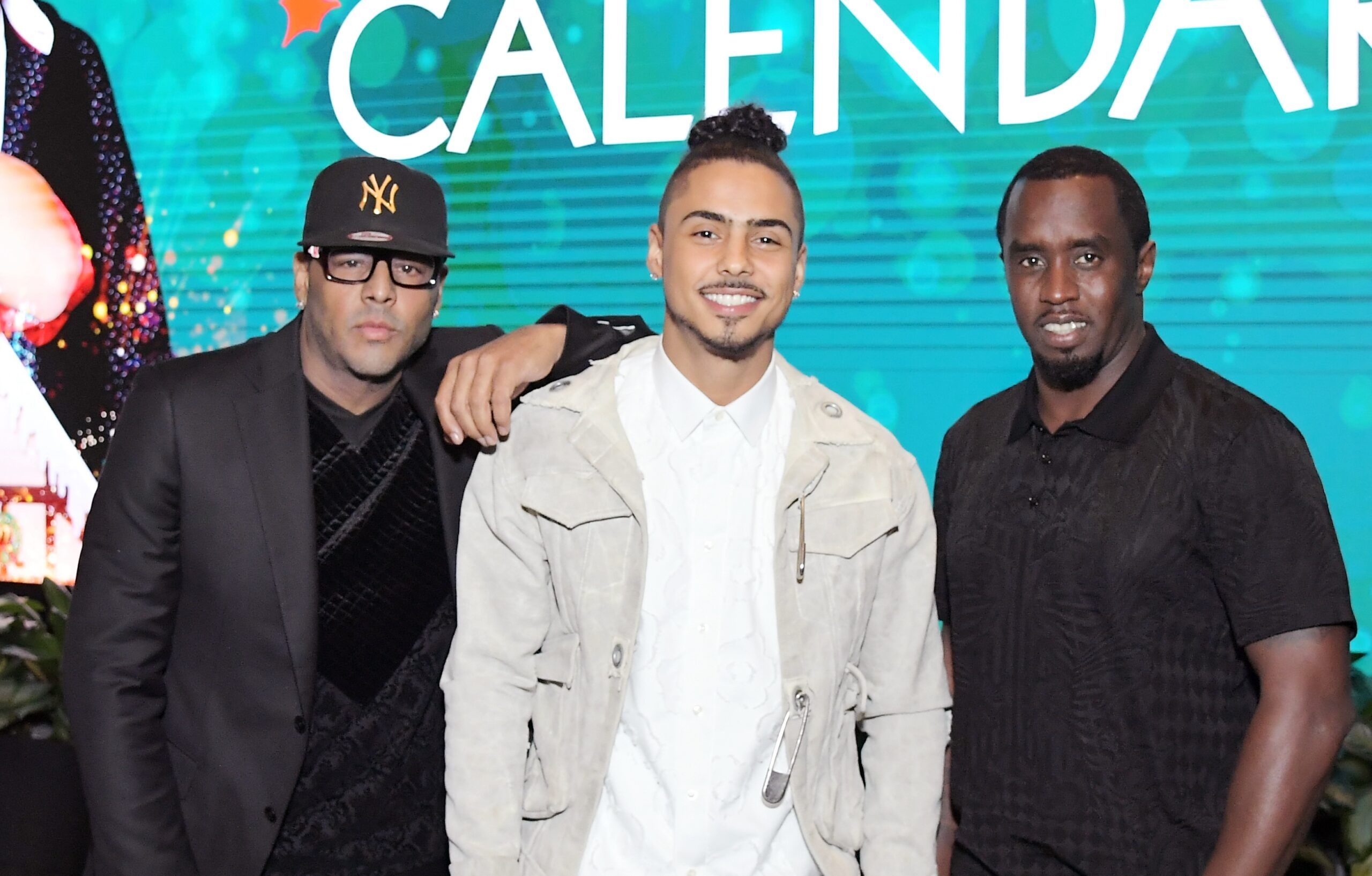
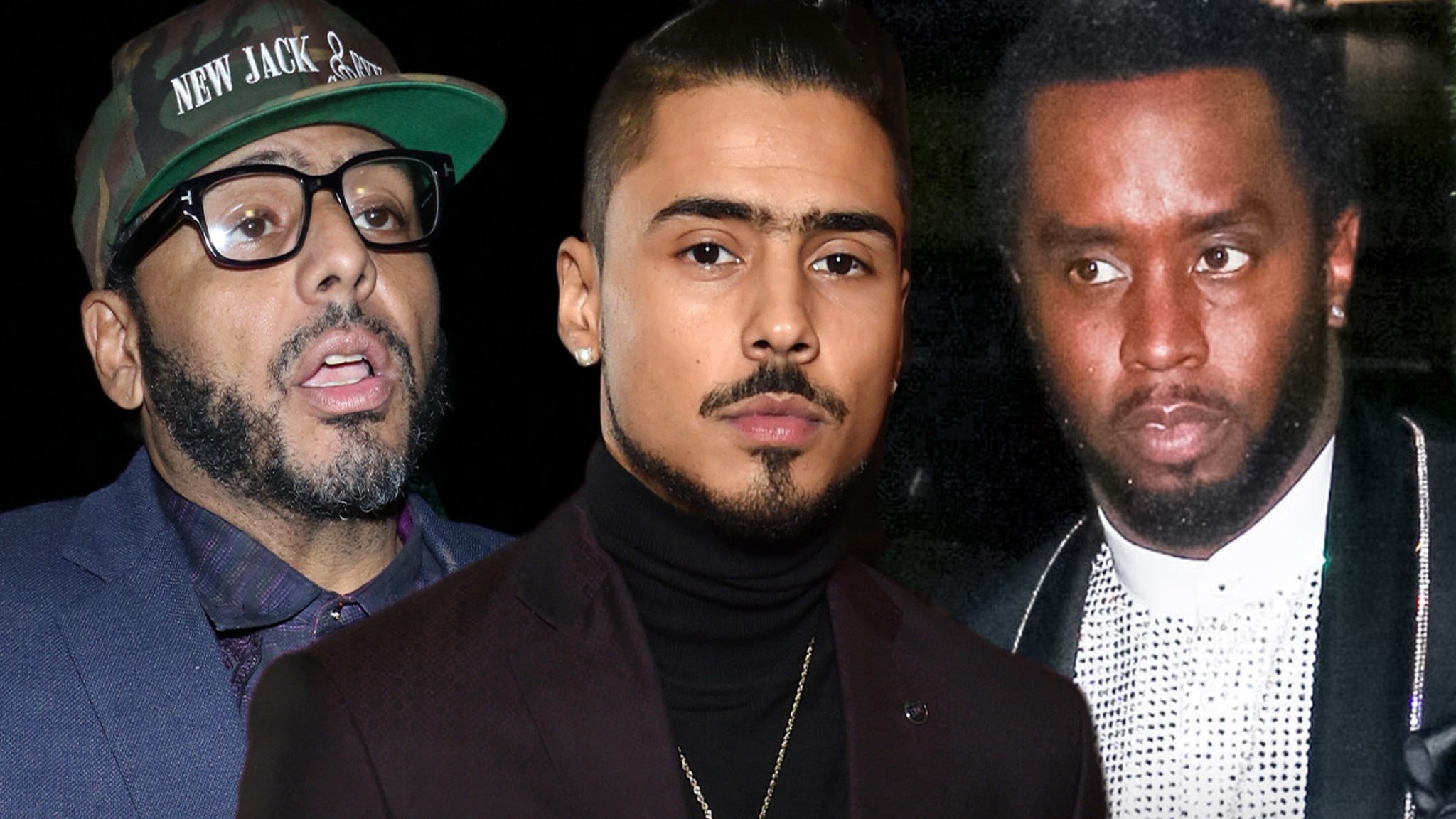
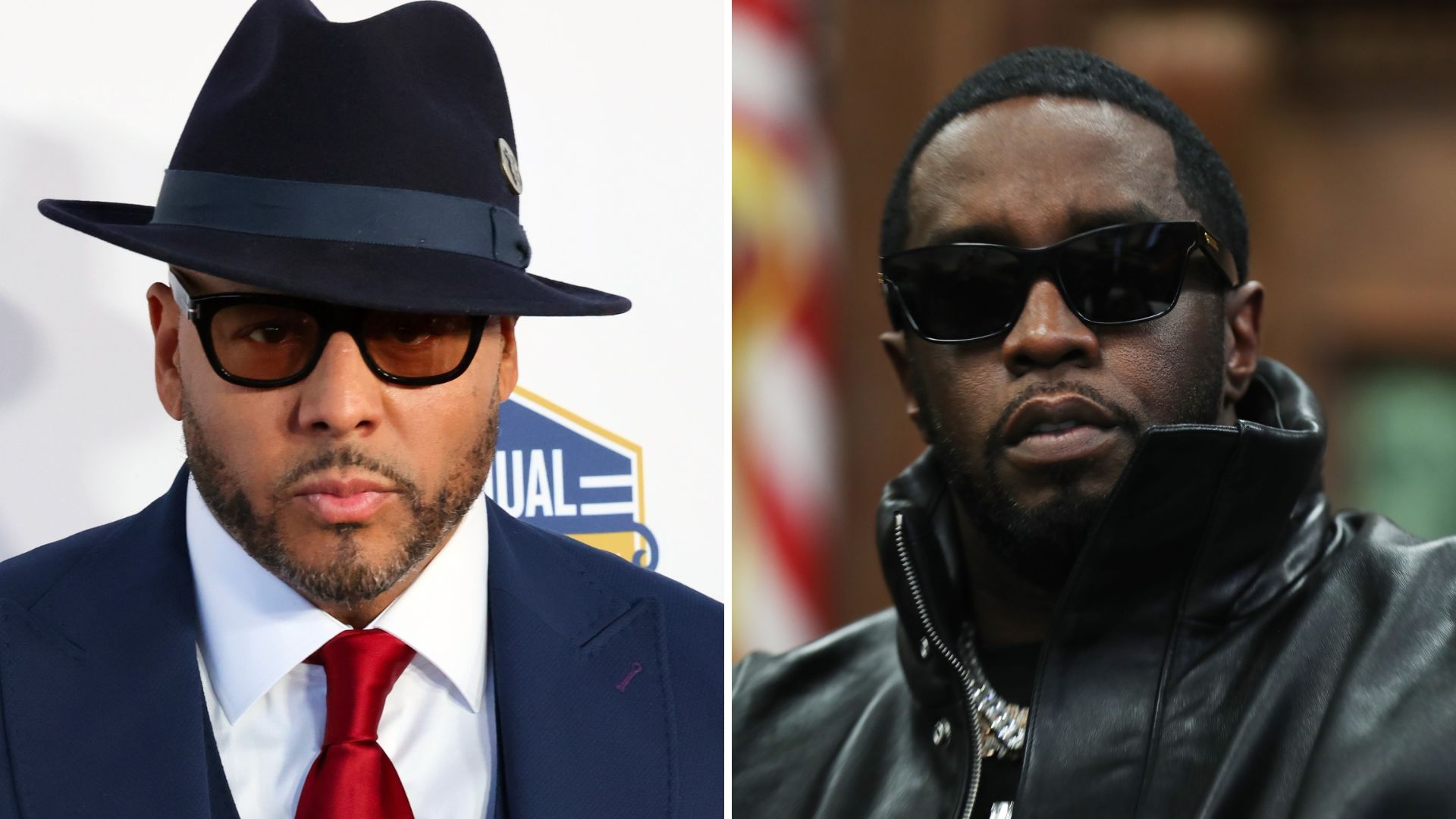
The collaboration between Al B. Sure! and Sean "Diddy" Combs represents a foundational pillar of modern R&B and Hip-Hop. Emerging from the halls of Uptown Records in the late 1980s, their partnership helped define the "New Jack Swing" era and laid the groundwork for the "Ghetto Fabulous" aesthetic that dominated the 1990s and 2000s. As of 2026, this legacy remains a subject of intense scrutiny and historical re-evaluation within the music industry.
The Genesis of a Cultural Shift at Uptown Records
To understand the magnitude of the collaboration between Al B. Sure! (Albert Joseph Brown III) and Sean "Diddy" Combs, one must look back at the environment of Uptown Records under the tutelage of the late Andre Harrell. In the late 1980s, Al B. Sure! was the "Golden Boy" of R&B. His debut album, In Effect Mode (1988), featured hits like "Night and Day," which showcased a silky, falsetto-heavy sound that bridged the gap between traditional soul and the emerging hip-hop production styles.
At the same time, a young, hungry Sean Combs joined Uptown Records as an intern. Combs was not a singer or a traditional musician; he was a visionary of culture and marketing. While Al B. Sure! provided the musical template and the star power, Combs began to master the art of "the remix" and the visual presentation of artists. Their paths crossed at a time when the music industry was segregated between "Black music" and "Mainstream music." Together, alongside Harrell, they helped dismantle these barriers.
The collaboration was less about two people in a vocal booth and more about the fusion of talent and executive ambition. Al B. Sure! was influential in the early development of Uptown’s sound, even serving as an executive and producer for other acts. Meanwhile, Combs was learning the business mechanics that would eventually lead to the creation of Bad Boy Entertainment.
Defining the Sound: From New Jack Swing to Hip-Hop Soul
The "ultimate collaboration" between these two entities was the refinement of the New Jack Swing genre. This genre, pioneered by Teddy Riley, was characterized by the use of electronic drum machines (like the Roland TR-808 and TR-909) and sampled loops paired with smooth R&B vocals. Al B. Sure! was one of the most successful faces of this movement.
Combs’ contribution to this era was his ability to inject a "street" sensibility into the polished R&B sound. By the early 1990s, the collaboration between the artist-producer (Sure!) and the executive-producer (Combs) had shifted the industry's focus.
- The Aesthetic: They moved R&B away from the "sequins and suits" of the 80s into the "timberlands and jerseys" of the 90s.
- The Production: They popularized the use of heavy hip-hop breakbeats underneath melodic R&B hooks, a technique that would become the standard for decades.
- The Cross-Pollination: Al B. Sure!'s work on the Uptown MTV Unplugged special in 1993, which Combs helped coordinate, remains a landmark moment for the genre's mainstream acceptance.
The Business Infrastructure of the Collaboration
While the music was the primary product, the "shaking" of the industry occurred through the business model they helped perfect. At Uptown Records, and later through their respective ventures, Sure! and Combs proved that an artist could also be an executive. Al B. Sure! wasn't just a singer; he was a writer and producer who held significant sway over the label's creative direction.
Sean Combs took this blueprint and expanded it. The collaboration at Uptown taught Combs how to build a brand around a lifestyle, not just a single. This period saw the rise of the "executive as a celebrity," a trend that began with Andre Harrell but was perfected by Diddy. The ripple effects of this shift are still felt in 2026, where artists are expected to be multi-hyphenate entrepreneurs.
Comparison of Roles and Industry Impact
The following table outlines the specific contributions of Al B. Sure! and Sean "Diddy" Combs during their most influential years at Uptown Records and the subsequent impact on the music industry.
| Feature | Al B. Sure! (The Artist/Producer) | Sean "Diddy" Combs (The Visionary/Executive) | Industry Impact |
|---|---|---|---|
| Primary Contribution | Developed the vocal and harmonic sound of early New Jack Swing. | Mastered the art of the "Radio Remix" and street marketing. | Blended R&B and Hip-Hop into a single commercial force. |
| Key Projects | In Effect Mode, production for Jodeci and Tevin Campbell. | Artist development for Mary J. Blige and Father MC. | Established Uptown Records as the "Lifestyle" label. |
| Technical Focus | Multi-track vocal layering and synth-heavy arrangements. | Sampling culture and visual branding (Music Videos). | Set the standard for 1990s music video production. |
| Long-term Legacy | Influenced the "Quiet Storm" and modern Neo-Soul artists. | Created the Bad Boy Records blueprint and mogul status. | Redefined the "Artist-Executive" career path. |
Re-evaluating the Relationship: The 2024–2025 Industry Shift
In recent years, particularly through 2024 and 2025, the narrative surrounding the collaboration between Al B. Sure! and Diddy has been "shaking the industry" for reasons beyond the music. Al B. Sure! has been vocal on social media and in interviews regarding his past experiences at Uptown Records and his personal history with those involved in the label's inner circle.
Following the legal challenges and federal investigations involving Sean Combs that began in late 2023, Al B. Sure! has frequently called for a "re-opening" of various investigations into the health and safety of individuals connected to that era. Specifically, his public comments regarding his 2022 medical crisis—during which he was in a coma for two months—and his connection to the late Kim Porter (the mother of his son, Quincy Brown) have sparked intense public debate.
The music industry in 2026 is currently grappling with these revelations. The "shaking" is no longer just about the beats; it is about the accountability of the power structures that were built during the 1990s. This period of re-evaluation is forcing historians and fans to look at the "ultimate collaboration" through a lens of both artistic brilliance and complex, often controversial, personal dynamics.
The Technical Influence on Modern Production
Despite the personal and legal headlines, the technical fingerprints of the Al B. Sure! and Diddy era remain ubiquitous in 2026. If you listen to modern R&B production, the "Uptown Sound" is still the foundation.
- The "Kick and Snare" Relationship: One of the hallmarks of the collaborations at Uptown was the emphasis on the "hard" snare drum, often sampled from 70s funk records, layered with the "soft" melodic synthesizers of the 80s.
- Vocal Stacking: Al B. Sure! was a pioneer in stacking his own vocals to create a "choir" effect, a technique that Diddy would later use with groups like 112 and Total on Bad Boy Records.
- The Bridge: They perfected the R&B bridge—the part of the song that transitions between the second chorus and the final hook—often using it as a space for high-energy ad-libs or instrumental solos that maintained radio engagement.
For modern producers, studying the work of Al B. Sure! and the early Combs-produced remixes provides a masterclass in "frequency management." They learned how to leave enough space in the mid-range for a singer's voice to breathe while ensuring the low-end frequencies were powerful enough for club play.
The Legacy of Kim Porter and the Shared History
A critical element that binds Al B. Sure! and Diddy together in the public consciousness is their shared history with Kim Porter. Porter was a model and actress who had a son, Quincy Brown, with Al B. Sure!, before becoming a long-term partner to Sean Combs and having three more children with him.
In the 2020s, the tragic passing of Porter in 2018 became a focal point for Al B. Sure!, who has used his platform to advocate for what he describes as "the truth" regarding her life and the industry environment they all inhabited. This personal connection adds a layer of human complexity to their professional collaboration. It reminds the public that the "music industry" is a small ecosystem where personal lives and professional ambitions are often inextricably linked.
FAQs About the Al B. Sure! and Diddy Collaboration
Did Al B. Sure! and Diddy ever record a song together?
While they did not release a traditional "duet" as vocalists, their collaboration was primarily executive and creative. Al B. Sure! was a primary artist at Uptown Records where Diddy was a rising executive and producer. They worked together on various label-wide projects, including the Uptown's MTV Unplugged album and various remixes.
Why is their collaboration described as "shaking the industry" now?
The term "shaking the industry" refers to the massive cultural shift they caused in the 90s, but also the recent controversial revelations and legal battles involving Sean Combs. Al B. Sure!’s public statements regarding his past and his calls for investigations into 90s-era music industry practices have reignited interest in their relationship.
What is Al B. Sure!’s role in Diddy’s early career?
Al B. Sure! was already an established superstar and a producer when Diddy was an intern. Sure! was one of the artists who helped establish the "cool" and "sophisticated" image of Uptown Records, which Diddy later used as a blueprint to market his own artists at Bad Boy Entertainment.
How did their work influence the New Jack Swing movement?
Al B. Sure! provided the melodic and "pretty boy" image of New Jack Swing, while Diddy (under Andre Harrell) helped push the genre toward a grittier, hip-hop-centric sound known as "Hip-Hop Soul." This transition eventually led to the dominance of artists like Mary J. Blige and Jodeci.
What is the current status of their relationship in 2026?
As of 2026, the relationship appears to be distant and fraught with tension. Al B. Sure! has distanced himself from Diddy following the latter's legal troubles and has focused on his own recovery, his radio career, and his advocacy for health and industry transparency.
Navigating the Legacy of the Uptown Era
For those looking to understand the full impact of the Al B. Sure! and Diddy collaboration, the best path is to return to the original source material. Listening to the In Effect Mode album alongside the early Bad Boy remixes provides a clear picture of how the sound evolved.
As the industry continues to process the fallout from the 2024–2025 legal era, it is essential to separate the artistic achievements from the personal controversies. The technical innovations and cultural shifts brought about by these two figures are undeniable and continue to influence the charts today. However, the ongoing conversations about accountability and "the truth" behind the scenes are equally important for the future of a more transparent music industry. To stay informed, readers should follow reputable music historians and official legal updates regarding the ongoing investigations into that formative era.