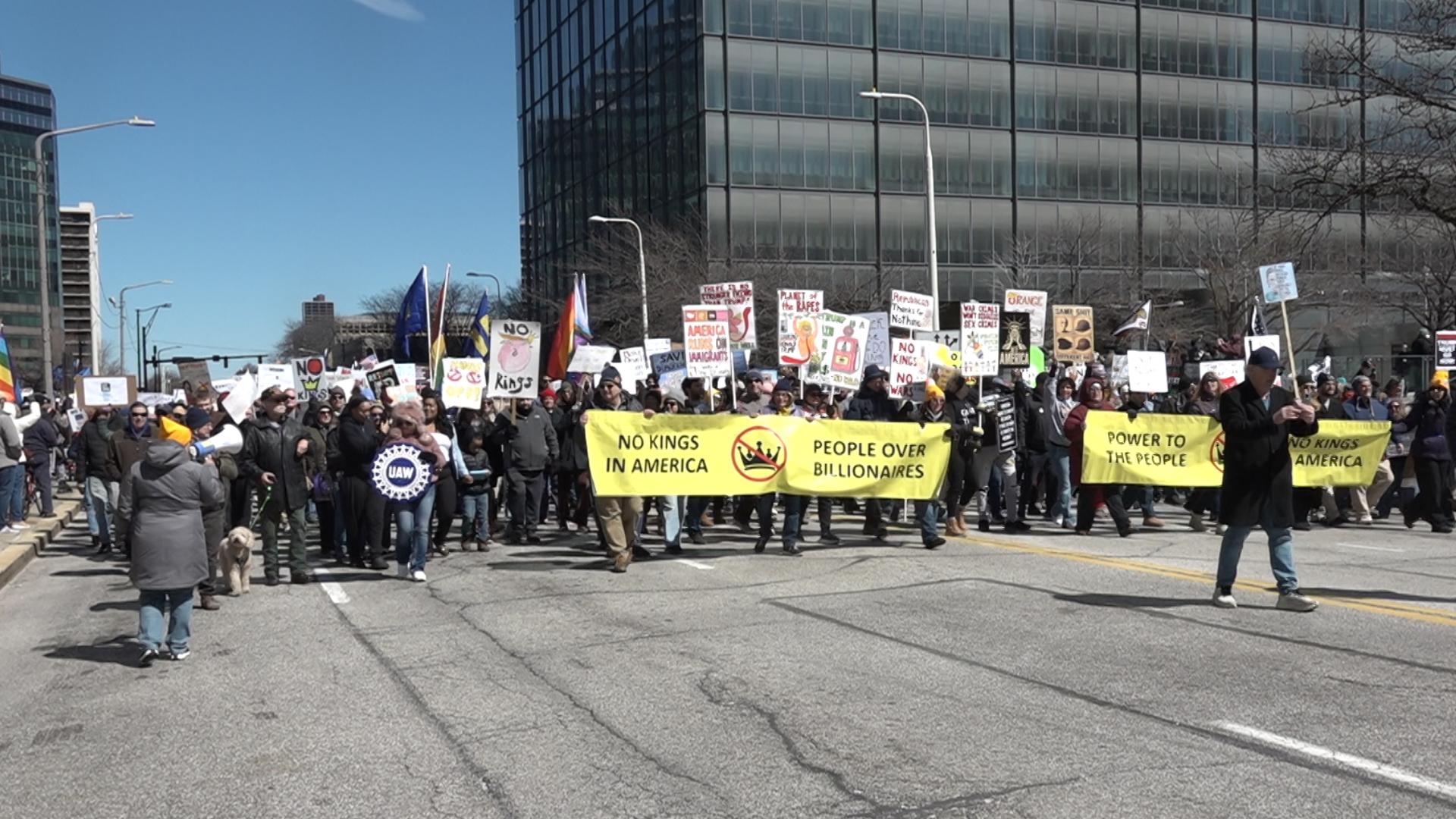
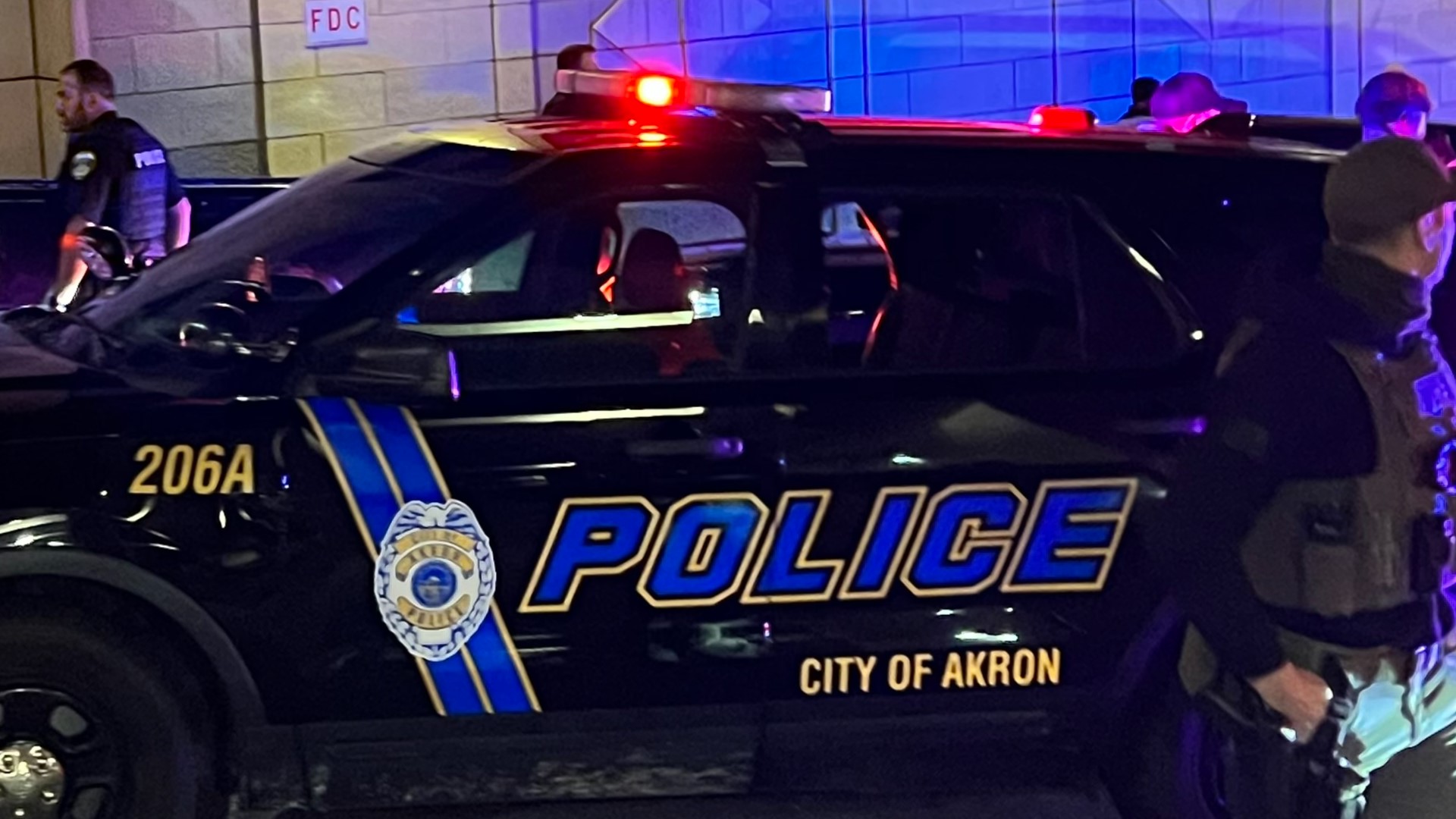
Current protest activity in Akron, Ohio, primarily centers on ongoing civil rights advocacy, police accountability, and judicial updates following the 2022 Jayland Walker case. To find live updates today in 2026, residents should monitor local news broadcasts, verified social media feeds from community organizers, and official City of Akron alerts regarding traffic or safety.
Monitoring Live Updates for Akron Protests in 2026
Staying informed about active demonstrations in Akron requires a multi-faceted approach to media consumption. In 2026, the landscape of real-time reporting has shifted toward decentralized digital platforms, though traditional local news outlets remain the primary sources for verified information. Because protest movements can be fluid, the most accurate "live" updates are often found through a combination of official city communications and boots-on-the-ground reporting.
Local news stations such as WKYC (Channel 3), WEWS (News 5), and WOIO (19 News) provide continuous coverage during periods of high civic activity. These outlets often deploy mobile units to Downtown Akron, specifically near the Harold K. Stubbs Justice Center and City Hall, which remain the focal points for most demonstrations. For text-based updates, the Akron Beacon Journal provides deep-dive reporting on the underlying causes of current protests, though their digital "live wires" are typically reserved for major developments.
For those looking for immediate, minute-by-minute movements, social media accounts belonging to organizations like the Akron Bail Fund or local chapters of the ACLU often provide real-time locations of marchers. However, it is essential to cross-reference social media reports with official statements from the Akron Police Department (APD) or the Mayor’s Office to distinguish between scheduled events and spontaneous gatherings. In 2026, the City of Akron utilizes integrated notification systems that alert residents to street closures or public transit detours caused by assembly, which can be accessed via the city’s official website or mobile applications.
The Historical Context: The Jayland Walker Shooting and Its Aftermath
To understand why protests continue in Akron today, one must look back at the events of June 27, 2022. The fatal shooting of Jayland Walker, a 25-year-old Black man, by Akron police officers served as the primary catalyst for modern civil unrest in the city. Walker was shot dozens of times following a vehicle and foot pursuit. The brutality of the incident, captured on body camera footage, sparked a national conversation about police tactics and racial justice.
In the years following the shooting, the community's response evolved from immediate grief and outrage into a sustained movement for systemic reform. While the initial protests in the summer of 2022 were characterized by large-scale marches and, at times, tense confrontations with law enforcement, the "today" of 2026 sees a more organized, policy-driven protest culture. Current demonstrations often coincide with anniversaries of the shooting or significant milestones in the ongoing civil litigation filed by the Walker family against the city and the officers involved.
The 2023 decision by an Ohio grand jury to not indict the eight officers involved was a turning point. This decision led to a second wave of intense protests, as many community members felt the legal system had failed to provide accountability. By 2026, the focus has largely shifted toward the federal civil rights investigation and the long-term implementation of local police reforms, but the underlying tension remains a defining feature of Akron's social fabric.
Evolution of Police Oversight in Akron (2022–2026)
A major theme in today’s protests is the efficacy of the Citizens' Police Oversight Board (CPOB). Established by voters through the passage of "Charter Amendment 10" in November 2022, the board was intended to provide an independent layer of transparency. However, its journey from inception to 2026 has been marked by debates over its actual authority, budget, and access to internal police records.
Protesters today often gather to demand greater "teeth" for the CPOB. While the board has the power to review investigations and make recommendations, community activists frequently argue that without full subpoena power and independent disciplinary authority, the board cannot truly hold the APD accountable. These policy-based protests are less about individual incidents and more about the structural relationship between the city government and its residents.
In 2026, the board’s annual reports and public meetings have become high-stakes events. When the board identifies discrepancies in how use-of-force incidents are handled, it often triggers localized demonstrations. Understanding these bureaucratic nuances is key to understanding the "context" of protests in Akron; they are no longer just reactions to tragedy but are now an integrated part of the city's political discourse regarding public safety and civil rights.
Key Locations and Public Assembly Zones
Demonstrations in Akron are generally concentrated in a few specific geographical areas. Knowing these locations is vital for both participants and residents who wish to avoid traffic disruptions.
- The Harold K. Stubbs Justice Center: Located at 217 S. High St., this building houses the police department and municipal courts. It is the most frequent site for "sit-ins" and stationary protests.
- Akron City Hall: Situated on S. Main St., this is where protesters go to address the Mayor and City Council. Demonstrations here are usually focused on legislative changes and budget allocations.
- The Cascade Plaza: This open public space in the heart of downtown often serves as a staging area for larger marches before they move through the city streets.
- University of Akron Campus: Student-led protests occasionally occur near the Student Union or the administrative buildings, often linking local issues with broader national social justice movements.
During active protest periods, the City of Akron may implement temporary "safety zones" or traffic diversions. In the past, the city has utilized heavy machinery and snowplows to create perimeters around government buildings. While this practice has been criticized by civil liberties groups, it remains a tool in the city’s crowd management repertoire in 2026.
Legal Rights and Protest Protocols in Ohio
For those participating in Akron protests today, understanding the legal framework in Ohio is essential for safety and compliance. The First Amendment protects the right to peaceful assembly, but there are "time, place, and manner" restrictions that local municipalities can enforce.
In Akron, a permit is typically required for parades or marches that intend to block vehicle traffic. However, spontaneous protests on public sidewalks are generally protected without a permit, provided they do not block pedestrian movement. Ohio law also includes specific statutes regarding "interfering with a lawful meeting" and "disorderly conduct," which are frequently cited in police reports during demonstrations.
One significant legal development between 2022 and 2026 involves the use of facial recognition and surveillance technology by law enforcement. Protesters are often advised by legal advocates to be aware of their "digital footprint" while demonstrating. Ohio does not have a comprehensive ban on facial recognition, making the use of masks for privacy a common—though sometimes legally complex—practice among activists.
| Event Category | Primary Location | Typical Schedule | Focus Area |
|---|---|---|---|
| City Council Advocacy | Akron City Hall | Monday Evenings | Legislative Reform |
| Police Accountability | Stubbs Justice Center | Daytime/Weekends | Conduct & Oversight |
| Community Vigils | Various Neighborhoods | Evening/Anniversaries | Memorial & Healing |
| Student Assemblies | University of Akron | Mid-day | National Issues |
| Legal Status Updates | Summit County Courts | Business Hours | Judicial Rulings |
Essential Requirements for Safe Participation
If you are planning to attend or observe a protest in Akron today, several practical considerations should be taken into account to ensure your safety and the effectiveness of your advocacy.
- Verified Information: Always confirm the start time and location through at least two independent sources. Disinformation can spread quickly during periods of unrest.
- Communication Plan: Ensure your phone is fully charged and that someone not attending the protest knows your location. In high-density crowds, cellular service can become unreliable.
- Supplies: Carry water, a basic first-aid kit, and identification. In 2026, many protesters also carry portable battery packs and "know your rights" cards.
- Awareness of Surroundings: Be mindful of exit routes. Downtown Akron has several one-way streets and parking garages that can become bottlenecks during large gatherings.
The City of Akron has also established specific protocols for "media zones." Journalists and legal observers are generally given designated areas to operate, though the boundaries of these zones are often a point of contention between the press and the APD. Participants should be aware that their actions are likely being recorded by both police body cameras and city-wide surveillance systems.
Frequently Asked Questions
Who was Jayland Walker and why is his case still relevant in 2026?
Jayland Walker was a 25-year-old Black man killed by Akron police in June 2022. His death remains relevant today because it exposed deep-seated issues in local law enforcement and led to the creation of the Citizens' Police Oversight Board. The ongoing federal civil rights lawsuits ensure that his name remains at the forefront of Akron’s civil rights discussions.
Are there currently any curfews in place in Akron?
Curfews are typically only implemented by the Mayor’s Office during periods of significant civil unrest. As of 2026, there are no standing curfews, but residents should check the City of Akron’s official "Emergency Alerts" page for any temporary orders issued in response to today’s activities.
How can I find out about road closures due to protests?
The Akron Police Department usually posts traffic advisories on their social media platforms (X/Twitter and Facebook). Additionally, navigation apps like Waze and Google Maps are generally updated quickly to reflect police-mandated closures in the downtown area.
What is the role of the Citizens' Police Oversight Board today?
The CPOB acts as an independent body that reviews internal police investigations and provides recommendations for policy changes. While they do not have the power to fire officers directly, their public reports often serve as the factual basis for community protests and demands for accountability.
Are Akron protests today peaceful?
The vast majority of demonstrations in Akron in 2026 are peaceful, focusing on speeches, marches, and community building. However, tensions can rise during interactions with law enforcement, particularly if protesters feel their First Amendment rights are being restricted or if police utilize aggressive crowd-control measures.
Engaging with Akron’s Civic Future
For those looking to move beyond "today’s updates" and into long-term community involvement, there are several avenues for engagement that don't involve street protests. Attending Akron City Council meetings, participating in CPOB public forums, and joining neighborhood-based safety committees are effective ways to influence the policies that protesters are fighting for.
The context of Akron protests today is one of transition—moving from the raw pain of 2022 into the complicated work of institutional change in 2026. Whether you are a resident, a visitor, or an activist, staying informed through verified channels and understanding the historical weight of these events is the first step toward constructive participation in the city’s ongoing evolution.