The Akron protests primarily refer to the sustained civil unrest and activism following the June 2022 fatal police shooting of Jayland Walker. These demonstrations sought justice for Walker, demanded police department transparency, and eventually led to significant legislative changes, including the establishment of a permanent civilian oversight board and revised body camera policies.
The city of Akron, Ohio, became a focal point of national attention in the summer of 2022. While the initial wave of protests was sparked by a specific tragedy, the movement evolved into a broader critique of municipal governance and law enforcement practices in the Midwest. By 2026, the legacy of these protests is visible not just in the memories of residents, but in the structural reforms integrated into Akron’s city charter. To understand the "Akron protests," one must look at the inciting incident, the escalation of civil disobedience, the legal ramifications for the officers involved, and the subsequent policy shifts.
The Catalyst: The Shooting of Jayland Walker
The foundation of the Akron protests lies in the events of June 27, 2022. During a routine traffic stop for a missing license plate light and a window tint violation, 25-year-old Jayland Walker fled from officers, leading to a high-speed car chase. Police reported a shot was fired from Walker’s vehicle during the pursuit—a claim later supported by the recovery of a handgun and a shell casing in his car.
However, the pursuit ended when Walker exited his moving vehicle on foot. Despite being unarmed at the moment he was chased by police into a parking lot, eight officers opened fire, citing a "perceived threat" after Walker allegedly turned toward them. The scale of the force used was unprecedented in recent Akron history: officers fired more than 90 rounds in less than seven seconds, striking Walker 46 times.
The release of body camera footage on July 3, 2022, acted as the immediate trigger for mass mobilization. The graphic nature of the video, showing a barrage of gunfire directed at a man already on the ground, transformed local grief into a national outcry. This footage didn't just document a death; it served as the evidentiary basis for years of community-led activism.
Anatomy of the Civil Unrest (July 2022)
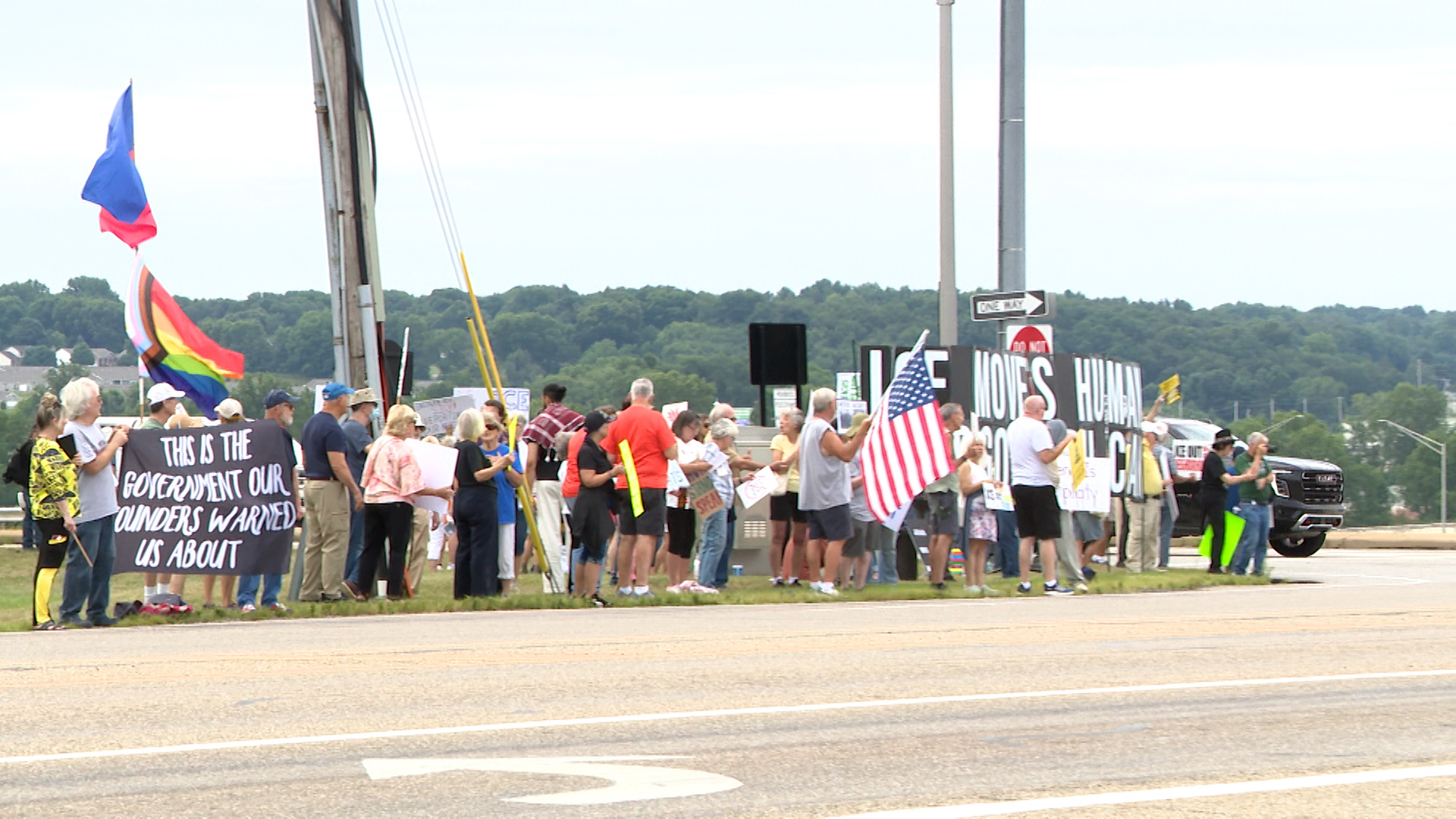
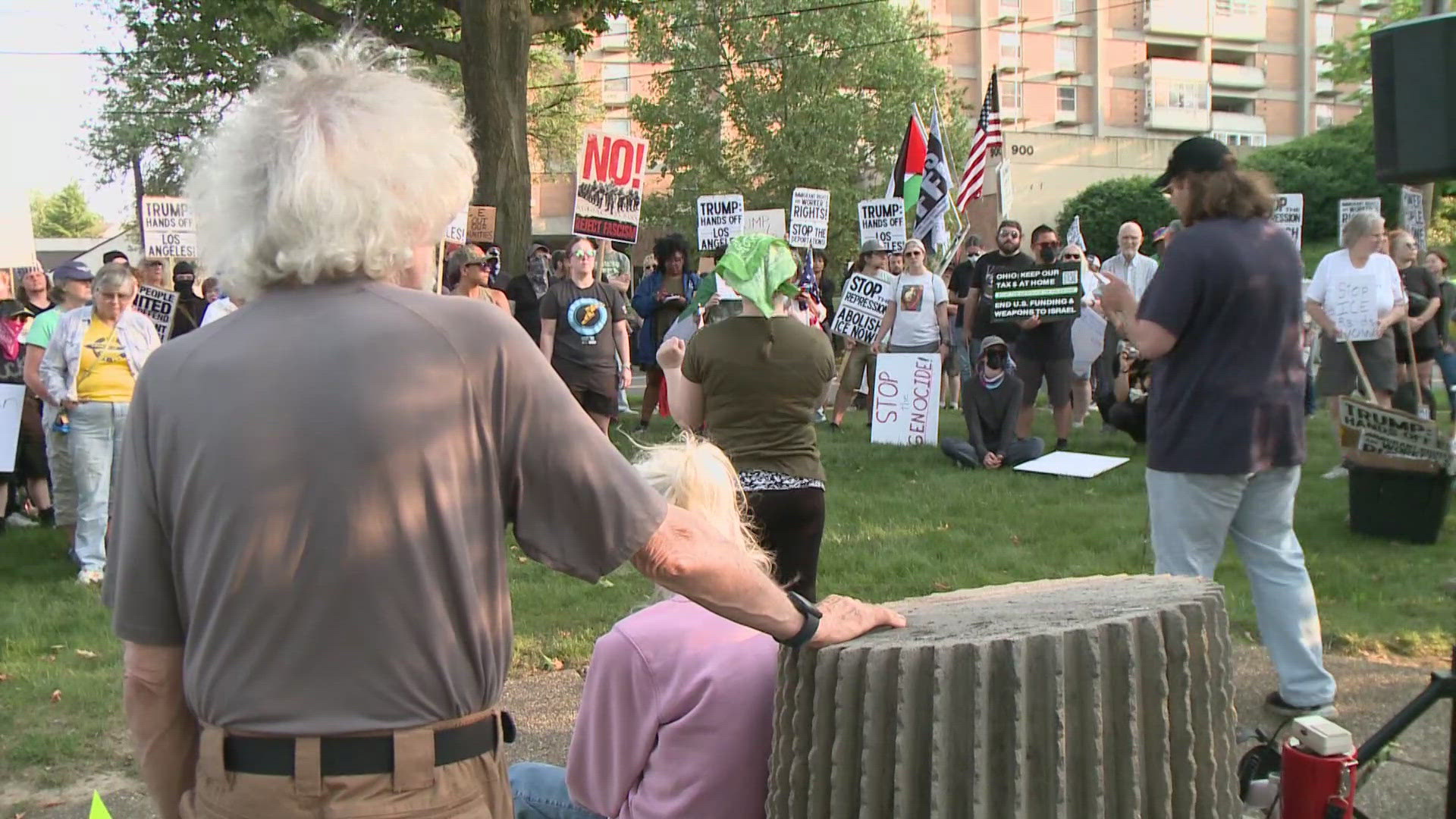
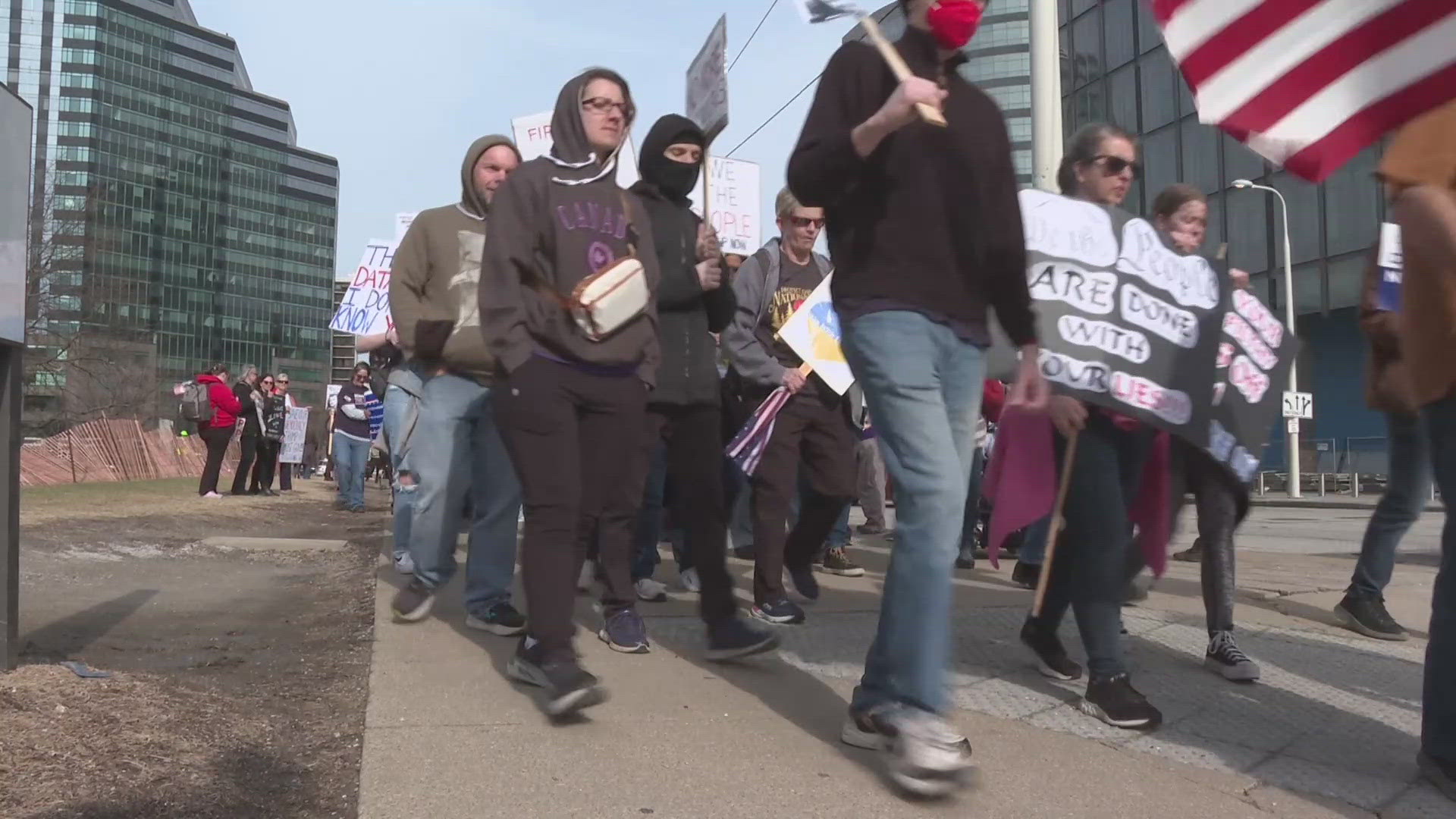
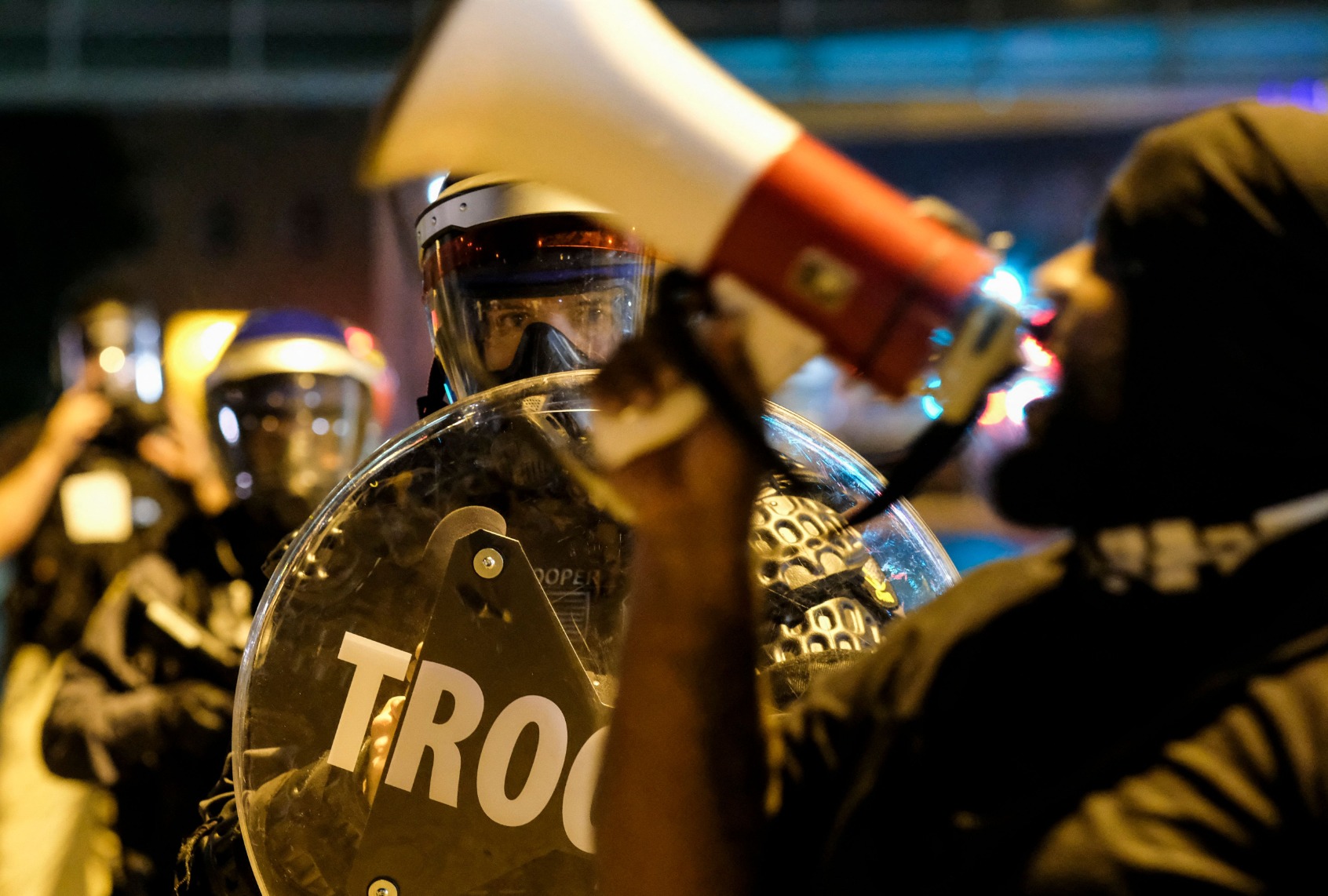
The protests that followed the footage release were characterized by a mixture of peaceful vigils and intense confrontations between demonstrators and law enforcement. For several weeks, downtown Akron became a militarized zone.
The Initial Escalation
In the first week of July 2022, thousands of protesters gathered daily outside the Akron Justice Center and City Hall. While early marches were organized by local clergy and community leaders, the atmosphere shifted as frustration mounted over a perceived lack of transparency from the Akron Police Department (APD). By the night of July 3, reports of property damage and small fires led the city to declare an emergency.
The City’s Tactical Response
Mayor Dan Horrigan’s administration responded to the unrest with several restrictive measures:
- Curfews: A city-wide curfew from 9:00 PM to 6:00 AM was implemented for the downtown business district to curb nighttime demonstrations.
- Physical Barriers: Large snowplows and water-filled "Jersey barriers" were used to block access to the police station, creating a physical divide between the public and the state.
- Chemical Agents: On multiple occasions, police deployed tear gas and pepper balls to disperse crowds, leading to criticism regarding the escalation of force against non-violent protesters.
High-Profile Arrests
The protests gained further visibility when notable activists, including family members of other victims of police violence, were arrested during the demonstrations. These arrests often served to reinvigorate the movement, as "Free the Protesters" became a secondary rallying cry alongside "Justice for Jayland."
Legal Proceedings and the Grand Jury Decision
The search for legal accountability was a primary driver of the protests. The investigation was handled by the Ohio Bureau of Criminal Investigation (BCI) under the direction of Ohio Attorney General Dave Yost.
In April 2023, a special grand jury declined to indict the eight officers involved in the shooting. The grand jury concluded that the officers were justified in their use of force under Ohio law, given the belief that Walker was armed and posing an immediate threat at the time of the foot chase.
The "No Bill" decision resulted in a second, though smaller, wave of protests. Activists argued that the legal standard for "reasonable fear" was too broad and failed to account for the disproportionate nature of firing 90 rounds. This legal outcome shifted the movement’s focus from criminal prosecution to civil litigation and systemic legislative reform.
Civil Litigation and Federal Oversight
Following the grand jury’s decision, the Walker family filed a federal wrongful death lawsuit in June 2023, seeking $45 million in damages. The lawsuit alleged that the city of Akron and the involved officers violated Walker’s civil rights through excessive force and a failure to properly train personnel in de-escalation tactics.
By 2026, this litigation has served as a critical mechanism for "discovery," bringing to light internal APD communications and training manuals that were previously shielded from public view. While settlements in such cases often take years, the ongoing nature of the lawsuit has ensured that the Akron protests remain a contemporary issue rather than a historical footnote.
Legislative Reforms: Issue 10 and "Jayland’s Law"
Perhaps the most tangible result of the Akron protests was the passage of Issue 10 in November 2022. This citizen-led ballot initiative was a direct response to the community's lack of trust in the existing internal affairs process of the police department.
| Feature of Reform | Pre-Protest Status | Post-Protest Status (2026) |
|---|---|---|
| Oversight Body | Internal Affairs only | Independent Police Oversight Board |
| Body Cam Footage | Discretionary release | Mandatory release within 7 days of an incident |
| Public Input | Limited to public hearings | Permanent seats for community members on boards |
| Data Transparency | Annual static reports | Real-time use-of-force dashboards |
The creation of the Citizen Oversight Board represented a fundamental shift in Akron’s power dynamics. The board has the authority to review investigative files, sit in on internal interviews, and make recommendations for disciplinary actions. While the board does not have the power to unilaterally fire officers, its public reports have significantly increased the political cost of police misconduct.
Long-Term Sociopolitical Impact on Akron
The protests fundamentally altered the political landscape of the city. The 2023 mayoral and city council elections were dominated by the legacy of the Walker shooting. Candidates were forced to take definitive stances on police funding, the role of the oversight board, and community investment strategies.
The election of Shammas Malik as Mayor, who campaigned on a platform of transparency and police reform, is widely seen by political analysts as the electoral culmination of the 2022 protest movement. His administration has prioritized "neighborhood-based policing," which attempts to move away from the aggressive traffic enforcement tactics that led to the initial pursuit of Jayland Walker.
Common Obstacles in Post-Protest Reconciliation
Despite legislative wins, the path to reconciliation in Akron remains fraught with challenges:
- Police Recruitment: Like many American cities, Akron has faced a decline in police recruitment and retention, which some union officials attribute to the increased scrutiny following the protests.
- Trust Gaps: In many predominantly Black neighborhoods in Akron, trust in law enforcement remains at a historic low, particularly regarding the use of "pretextual" traffic stops.
- Legal Hurdles: Efforts to further strengthen oversight boards often face challenges in the Ohio state legislature, where lawmakers have debated bills that would limit the authority of municipal civilian boards.
What was the specific reason Jayland Walker was pulled over?
Walker was initially pursued for a minor equipment violation—a broken taillight/license plate light—and a window tint violation. This has led to significant debate in Akron regarding the necessity of high-speed chases for non-violent traffic offenses.
Did the officers involved in the shooting lose their jobs?
No. Following the grand jury’s decision not to indict, an internal investigation by the Akron Police Department also cleared the officers of violating department policy at the time. All eight officers eventually returned to active duty, although some moved into different roles within the department.
What is "Issue 10" in Akron?
Issue 10 was a charter amendment approved by Akron voters in 2022 that created a permanent, independent police oversight board and a police auditor's office. It was designed to ensure that police shootings and misconduct allegations are reviewed by civilians rather than just other police officers.
Are there still active protests in Akron?
While the large-scale daily demonstrations of 2022 have ended, "anniversary" protests and smaller-scale activism continue. These events typically focus on the status of the federal lawsuit and the implementation of the oversight board’s recommendations.
How has body camera policy changed since the protests?
As of 2026, Akron city policy requires the release of body camera footage from any incident involving a "critical use of force" (such as a shooting) within seven days. Previously, the timeline for release was at the discretion of the police chief and the mayor.
Moving Forward: Next Steps for Community Engagement
For those looking to engage with the ongoing developments in Akron, the focus has shifted from the streets to the boardroom. The Citizen Oversight Board meetings are open to the public and serve as the primary venue for residents to voice concerns regarding police conduct.
Additionally, the city's "Great Streets" initiative and various community-led safety programs offer avenues for those interested in addressing the root causes of crime and police interaction. Monitoring the federal court docket for the Walker family's lawsuit remains the best way to stay informed on the final legal resolution of the event that changed Akron forever.