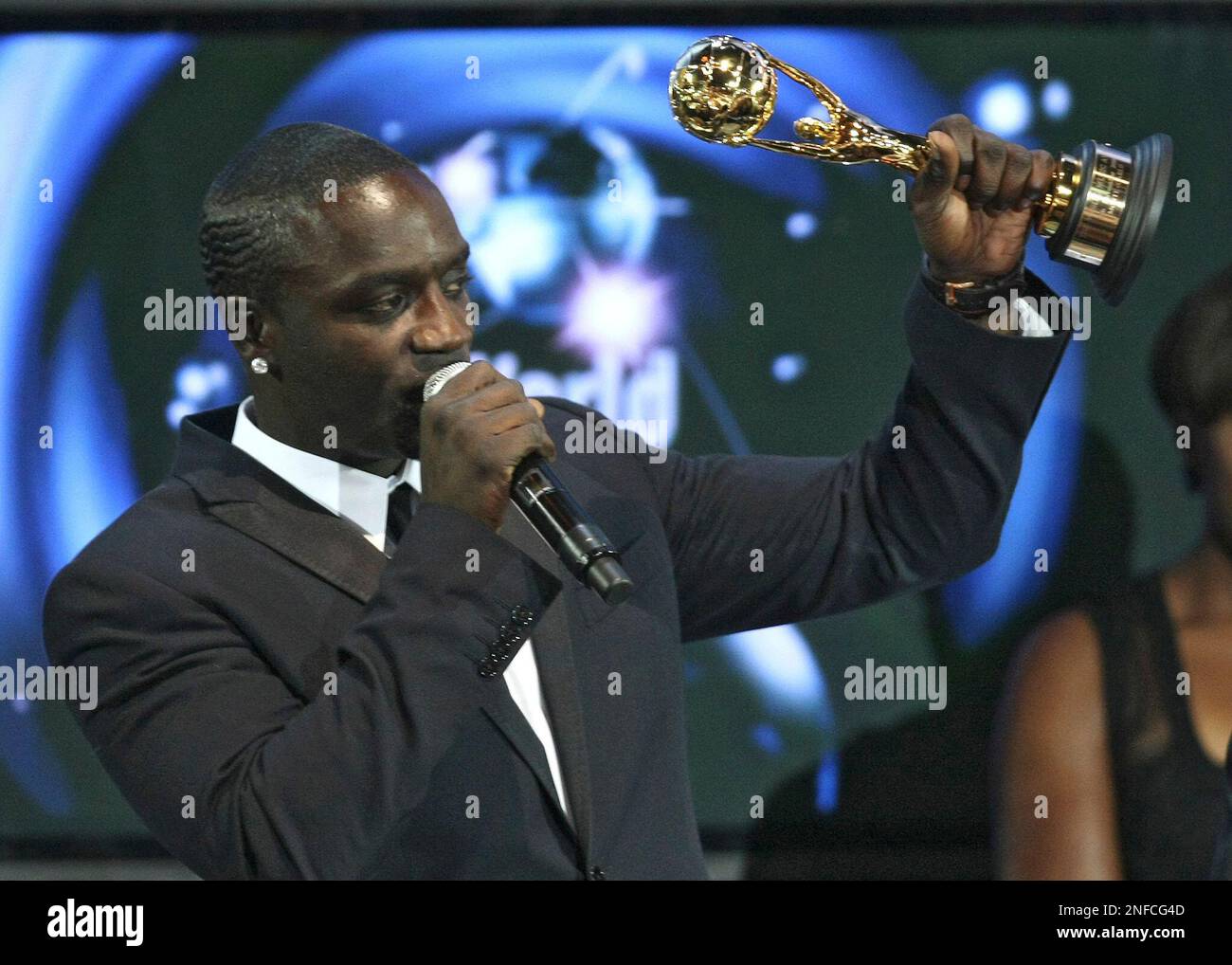
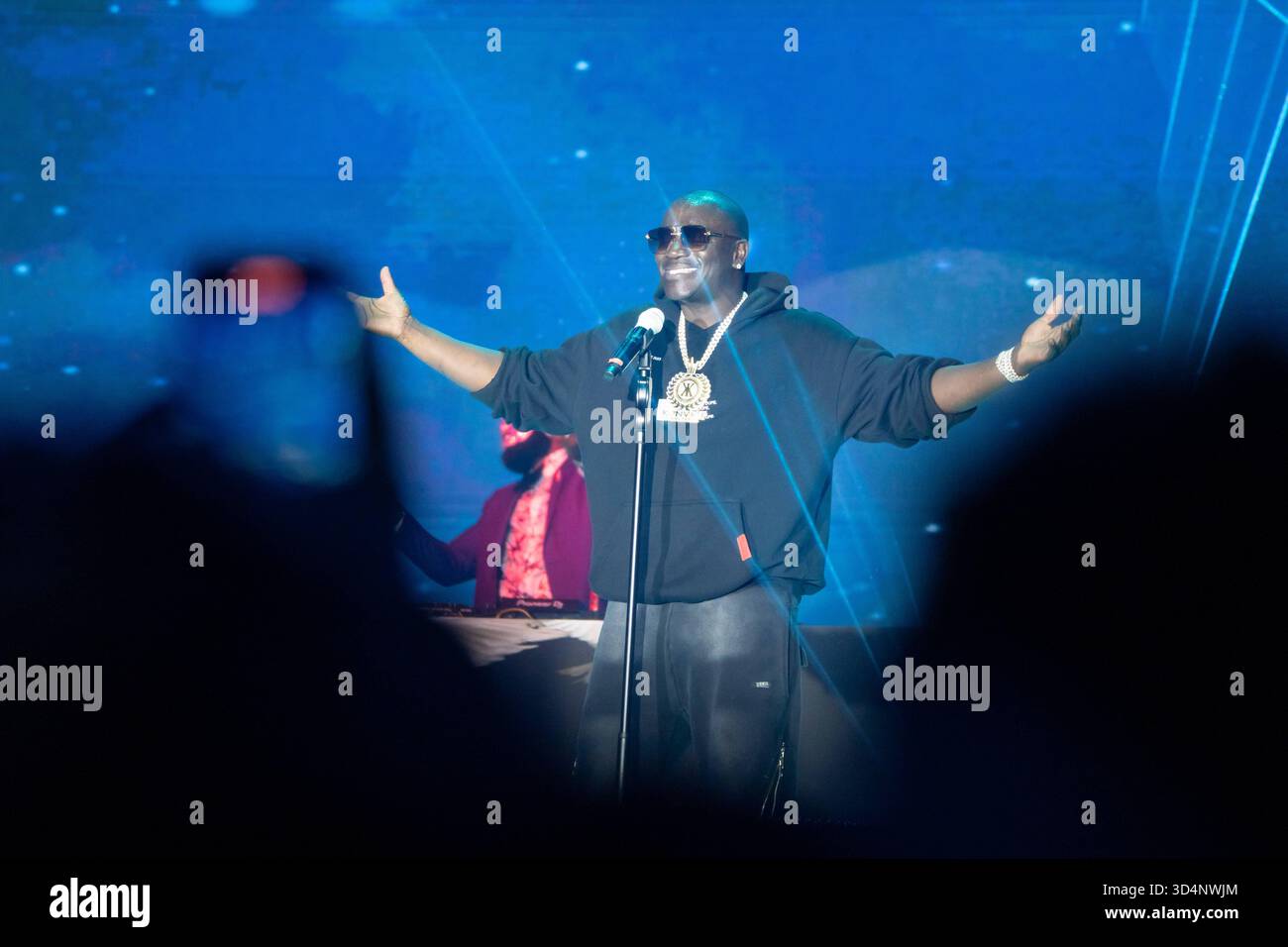
Akon, born Aliaune Damala Badara Akon Thiam, is a multifaceted artist and businessman who transitioned from a chart-topping R&B career to a pioneer of large-scale infrastructure and renewable energy in Africa. As of 2026, he remains a pivotal figure in bridging the cultural and economic gap between the United States and the African continent.
The Formative Years and the "Locked Up" Narrative
Born in St. Louis, Missouri, in 1973, Akon spent a significant portion of his childhood in Senegal before his family relocated to New Jersey. This dual upbringing provided him with a unique cultural perspective that later defined his musical style and business philosophy. His father, Mor Thiam, was a renowned jazz percussionist, ensuring that Akon was immersed in a sophisticated musical environment from a young age.
Akon’s entry into the public consciousness was inextricably linked to his legal troubles. In the early 2000s, he emerged with a narrative centered on his experiences with the criminal justice system. His debut single, "Locked Up," released in 2004, served as a raw introduction to his signature "high-pitched" vocal delivery and West African-influenced melodies. While later investigations by investigative outlets suggested that some aspects of his criminal history may have been embellished for marketing purposes, the impact of his music remained undeniable. He leveraged this persona to create a sense of authenticity that resonated with urban audiences globally.
Dominance of the Global Music Charts
Between 2004 and 2010, Akon was arguably the most ubiquitous voice in global music. His ability to craft "hooks"—the melodic portion of a song that stays with the listener—made him the most sought-after collaborator in the industry.
The Success of "Trouble" and "Konvicted"
His debut album, Trouble, established him as a solo force, but it was his second album, Konvicted (2006), that propelled him to superstar status. The album featured hits like "Smack That" (featuring Eminem) and "I Wanna Love You" (featuring Snoop Dogg). During this era, Akon achieved the rare feat of holding both the number one and number two spots on the Billboard Hot 100 simultaneously.
The Evolution to "Freedom"
By the time he released Freedom in 2008, Akon had shifted his sound toward more euro-pop and dance-heavy influences. This transition anticipated the global explosion of EDM-influenced pop. His work during this period, such as "Right Now (Na Na Na)," demonstrated his versatility and his uncanny ability to pivot according to global market trends.
The Business of Music: Konvict Muzik and Talent Discovery
Akon’s influence on the music industry extended far beyond his own vocal performances. As an entrepreneur, he founded Konvict Muzik and KonLive Distribution, labels that became powerhouses for talent identification.
His most significant discovery was Lady Gaga. Through a joint venture with Jimmy Iovine of Interscope Records, Akon signed Gaga and played a critical role in developing her early sound. He famously remarked that Gaga’s success essentially allowed him to "retire" from the frontline of the music industry if he chose to. Additionally, he was instrumental in the career of T-Pain, who popularized the use of Auto-Tune, a stylistic choice that Akon himself utilized to great effect.
By 2026, his legacy in the music business is viewed through the lens of a "mogul" rather than just a performer. He demonstrated that an artist could maintain longevity by owning the means of production and identifying the next generation of global icons.
Akon Lighting Africa: A Shift to Infrastructure
In 2014, Akon launched his most ambitious project to date: Akon Lighting Africa (ALA). Co-founded with Thione Niang and Samba Bathily, the initiative sought to address the lack of electricity in rural African communities. Rather than relying solely on charity, ALA was structured as a for-profit business model.
The ALA Business Model
The initiative operates on the principle that sustainable development requires local empowerment. ALA established the Solesh Academy in Bamako, Mali, to train African engineers and entrepreneurs in the maintenance and installation of solar power systems. By 2026, the project has provided solar-powered streetlights and domestic energy solutions to millions of households across more than 15 countries, including Guinea, Senegal, Mali, and Sierra Leone.
This venture marked a significant shift in Akon’s public profile. He moved from the entertainment pages of major publications to the business and policy sections. He became a regular fixture at the World Economic Forum and various United Nations summits, advocating for private sector investment in African infrastructure.
Akon City and the Vision for "Akoin"
Perhaps the most discussed and controversial aspect of Akon’s career is the development of Akon City, a planned $6 billion futuristic "smart city" in Senegal. The project, often compared to the fictional "Wakanda," is built on land gifted to him by the Senegalese government.
Architectural and Economic Ambitions
Akon City is designed to be a LEED-certified sustainable city, utilizing renewable energy and advanced waste management systems. A core component of the city’s economy is Akoin, a cryptocurrency designed to facilitate trade and financial services in Africa. The goal of Akoin is to provide a stable, decentralized currency that can bypass the volatility of local legal tender and the high fees of traditional banking.
Status as of 2026
As of 2026, the development of Akon City has moved past the initial infrastructure phase. While the project faced significant criticism and delays during the early 2020s—leading to skepticism regarding its feasibility—the completion of the first phase of the healthcare and residential sectors has silenced many detractors. The project serves as a case study in Public-Private Partnerships (PPP) and the challenges of large-scale urban development in emerging markets.
| Category | Key Achievements | Primary Impact |
|---|---|---|
| Music | 35+ Billboard Hot 100 hits; 5 Grammy nominations. | Globalized R&B and popularized African melodic structures. |
| Talent Discovery | Signed Lady Gaga and T-Pain. | Shifted the sound of the 2000s and 2010s pop music. |
| Energy | Akon Lighting Africa (ALA). | Solar power implementation in 15+ African nations. |
| Urban Development | Akon City (Senegal). | Pilot for sustainable, crypto-powered smart cities. |
| Fintech | Akoin Cryptocurrency. | Promoting financial inclusion for the unbanked in Africa. |
Cultural Bridge-Building and Afrobeats
Akon is frequently credited as a "bridge" between the American hip-hop industry and the burgeoning Afrobeats scene. Long before Afrobeats became a mainstream global genre, Akon was collaborating with Nigerian superstars like P-Square, Wizkid, and Davido.
His early recognition of the potential of African music helped pave the way for the genre's current dominance. By 2026, he is seen as a visionary who predicted the "Scramble for Africa" in the entertainment sector. He leveraged his Western celebrity to validate African talent on a global stage, ensuring that the profits and credit returned to the continent.
Troubleshooting Misconceptions and Criticisms
Despite his successes, Akon’s career has not been without controversy. Analysts often point to three main areas of contention:
- Project Feasibility: Critics often questioned if Akon City was a "vanity project" or a viable urban center. The complexity of building a city from scratch in a developing economy presents immense logistical and political hurdles.
- Transparency: The financing of ALA and Akon City has occasionally been scrutinized. However, Akon has consistently maintained that his funding comes from a consortium of international investors and is not reliant on government debt.
- The "Locked Up" Controversy: As mentioned, his early marketing focused heavily on a prison background that was later revealed to be less extensive than he claimed. While this affected his credibility in the hip-hop community for a time, his subsequent business achievements have largely overshadowed this narrative.
FAQs About Akon's Career and Ventures
Is Akon a citizen of Senegal or the United States?
Akon is a dual citizen. He maintains strong ties to both nations, often describing himself as a "bridge" between the two. His American upbringing provided him with the tools to navigate the global entertainment industry, while his Senegalese roots drive his philanthropic and business focus.
What is the current status of Akon City?
By 2026, the project has entered its second major phase of construction. While it is not yet a fully functioning metropolis of the scale initially envisioned, the core infrastructure—including a hospital, a police station, and solar power grids—is operational. The city remains a work in progress but serves as a hub for tech innovation in West Africa.
How much of Akon's net worth comes from music?
While his initial wealth was built through music sales, touring, and his record labels, a significant portion of his current net worth is tied to his equity in ALA and land developments. Estimates vary, but his diversified portfolio makes him one of the wealthiest individuals in the entertainment-to-business pipeline.
Does Akon still record music?
Akon continues to release music, though his focus has shifted from solo pop albums to collaborations and genre-specific projects, such as his Akonda (Afrobeats) and El Negreeto (Latin) albums. In 2026, he often releases music specifically to promote the cultural profile of his business ventures.
How does the Akoin cryptocurrency work?
Akoin is built on the Stellar network. It is designed to allow users to trade mobile "minutes" (a common form of currency in many African nations) for Akoin, which can then be used to pay for services or converted into other currencies. It aims to solve the liquidity issues faced by small-scale entrepreneurs across the continent.
Strategic Outlook for the Future
For those following Akon’s trajectory, the primary focus should be on the intersection of celebrity influence and sustainable development. Akon has provided a blueprint for how high-net-worth individuals from the diaspora can reinvest in their countries of origin through structured business models rather than just traditional aid.
Observers should monitor the progress of the Akoin ecosystem as it integrates with other African regional trade agreements. If successful, his model could be replicated across other emerging markets. The next logical step for his brand is the expansion of the "Akon City" concept into other African nations, potentially creating a network of smart cities that share a common digital currency and energy infrastructure.