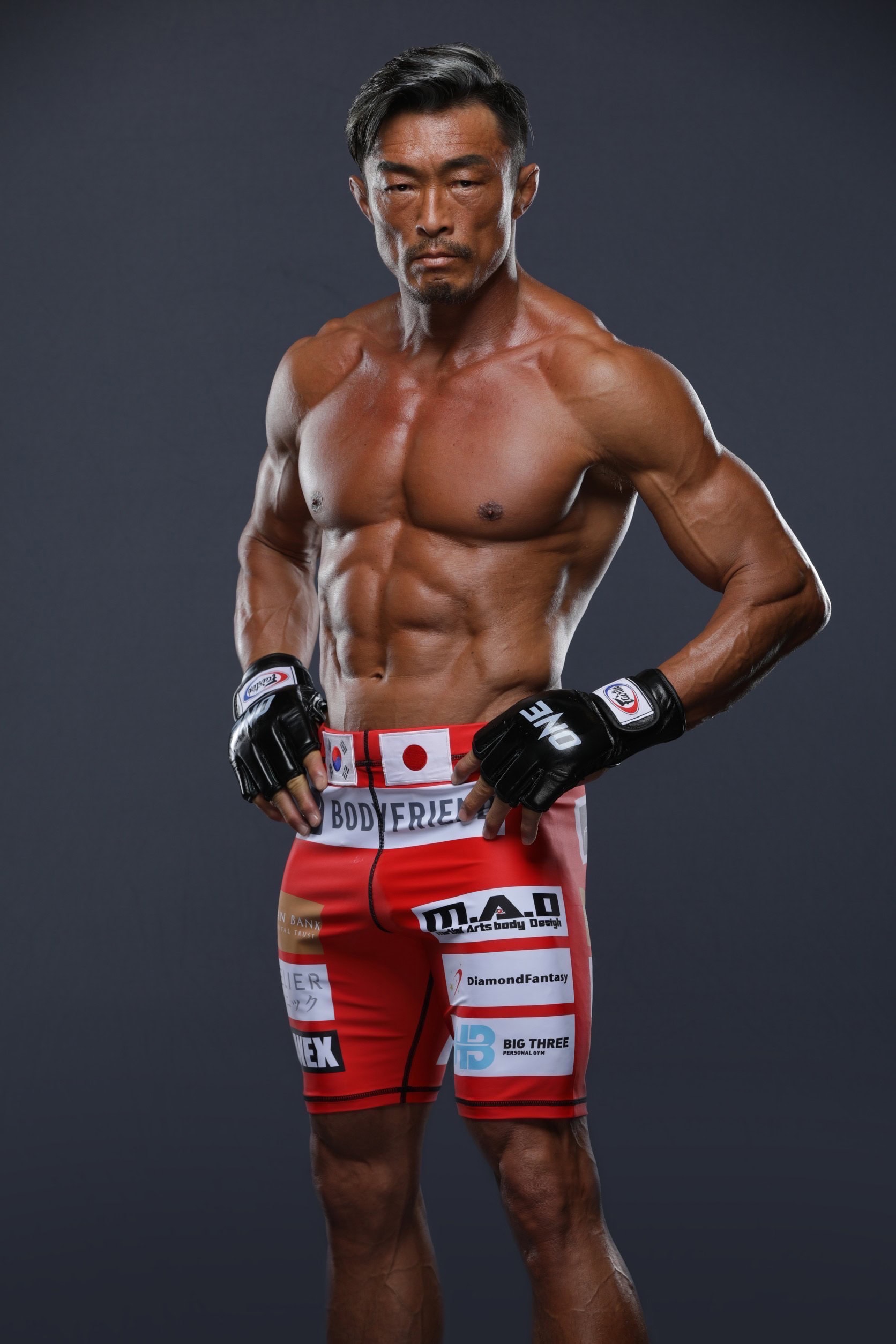
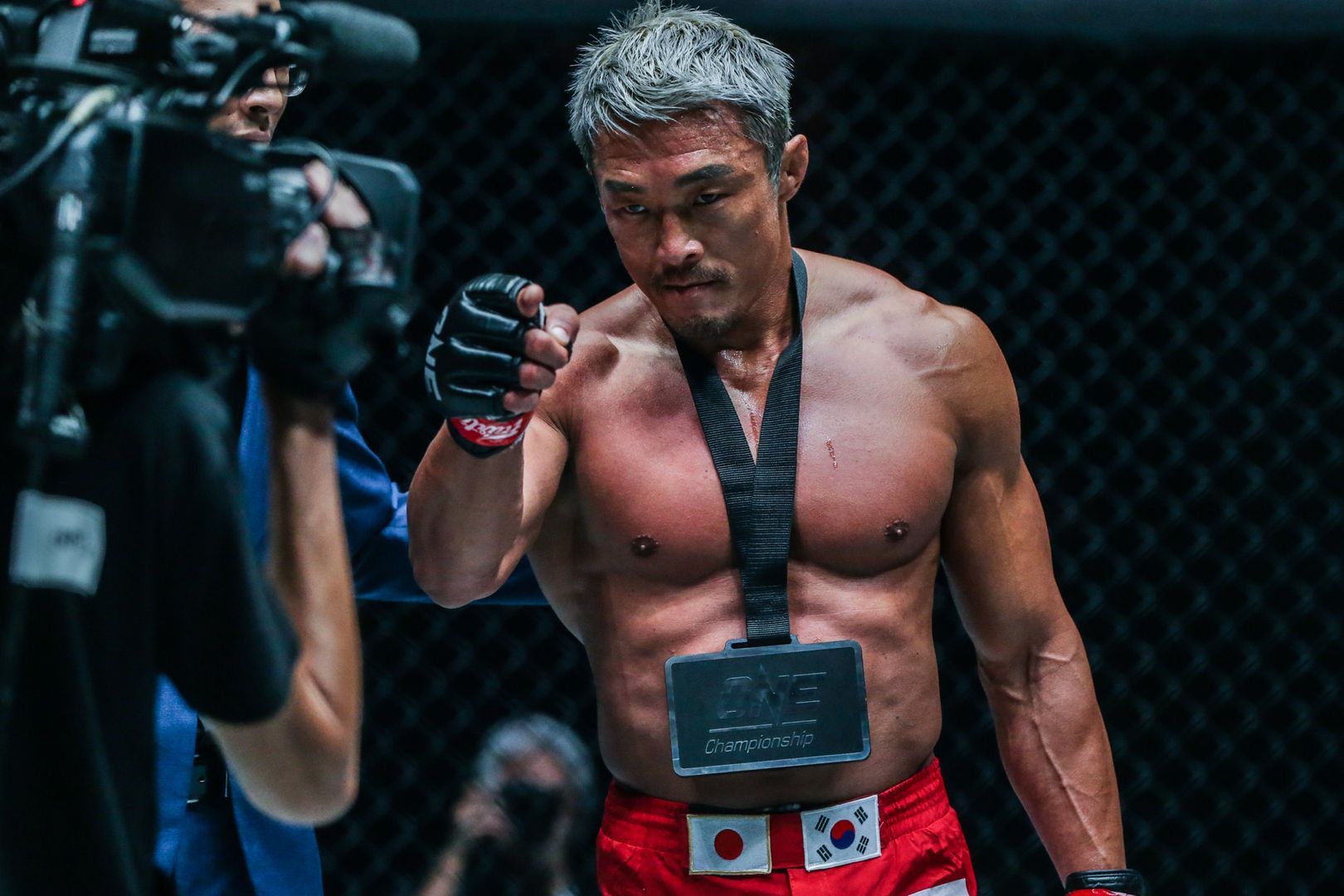
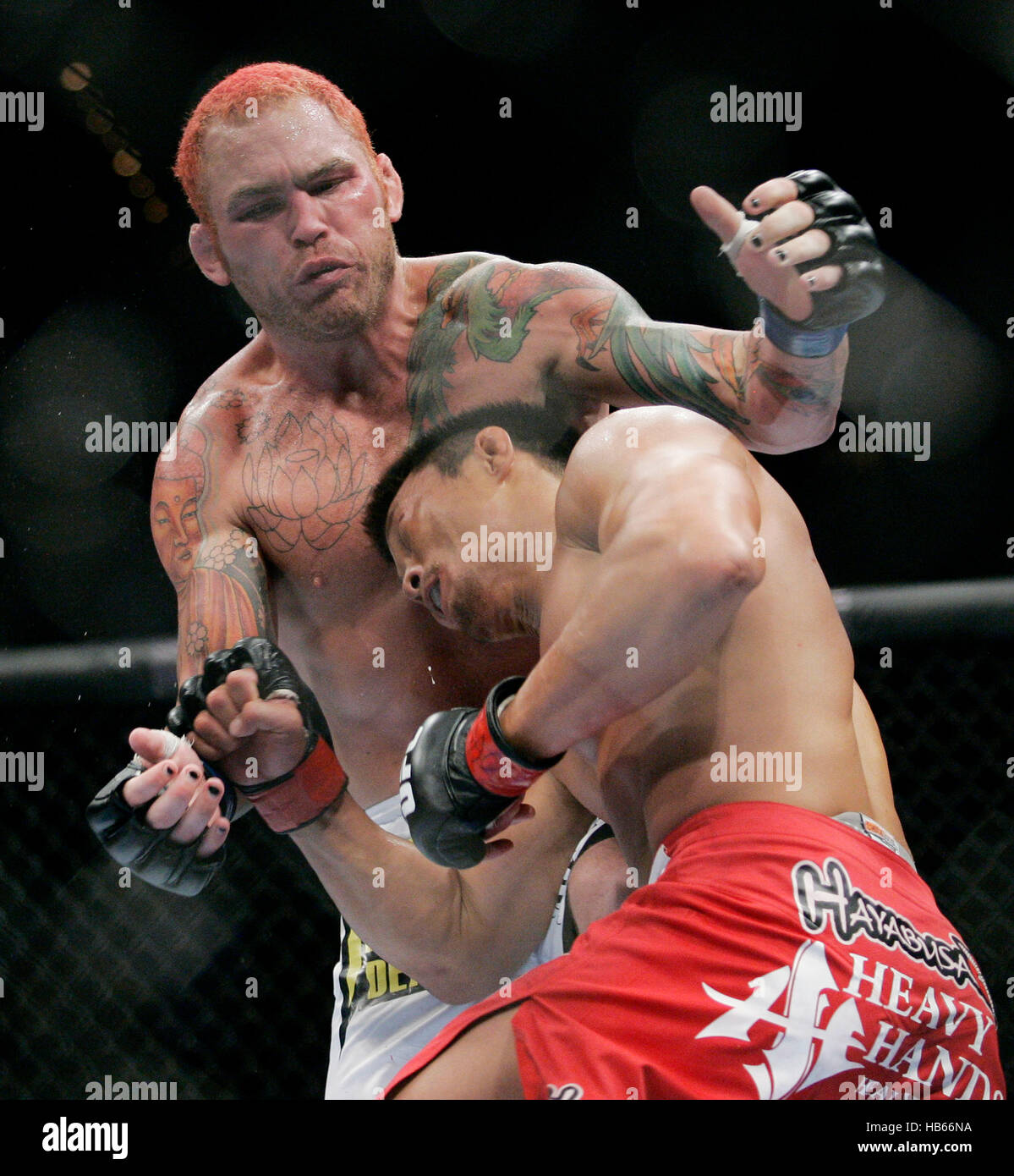
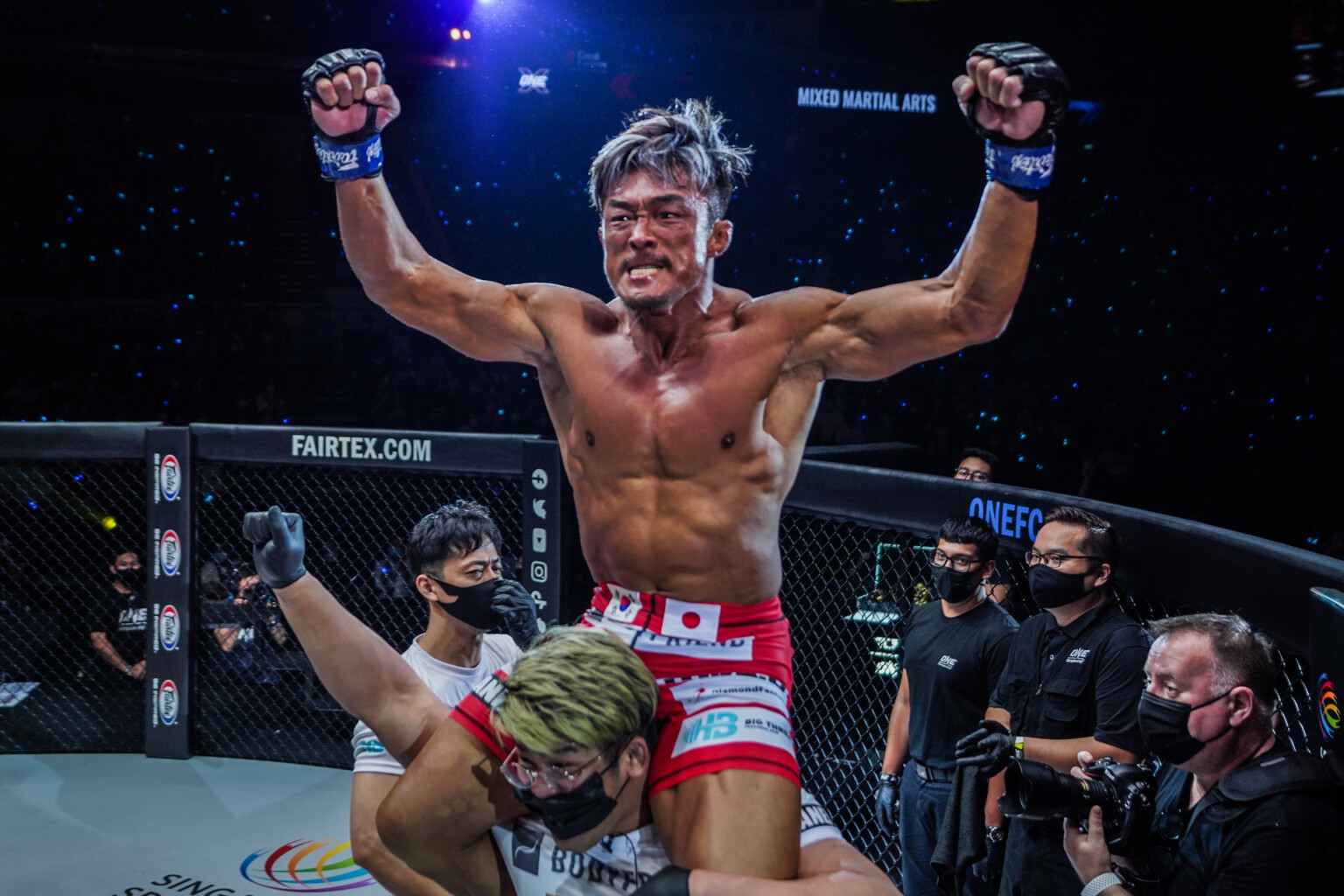
Yoshihiro Akiyama, also known by his Korean name Choo Sung-hoon, is a pioneering mixed martial artist and world-class judoka who bridged the cultural and sporting gaps between Japan and Korea. Renowned for his elite grappling and charismatic persona, he remains a prominent figure in global combat sports and mainstream entertainment as of 2026.
The Dual Identity of Choo Sung-hoon and Yoshihiro Akiyama
To understand the career of Yoshihiro Akiyama, one must first understand the complexity of his heritage. Born in Osaka, Japan, as a fourth-generation Japanese resident of Korean descent (Zainichi Korean), Akiyama’s early life was defined by a search for identity through the lens of elite competition. In the early 2000s, he initially represented South Korea in international judo, winning a gold medal at the 2001 Asian Championships. However, after facing what he perceived as systemic bias within the South Korean judo infrastructure—specifically favoring athletes from certain Korean universities—he returned to Japan and acquired Japanese citizenship.
This transition was a pivotal moment in his life. Representing Japan, he won the gold medal at the 2002 Asian Games in Busan, South Korea, defeating a South Korean opponent in the final. This event cemented his status as a controversial figure in Korea while simultaneously making him a star in Japan. As of 2026, he is celebrated in both nations as a cultural bridge, having successfully navigated the friction of his dual identity to become a beloved figure in Asian pop culture and international sports.
Elite Judo Foundations and Technical Transition to MMA
Akiyama’s success in mixed martial arts (MMA) is fundamentally rooted in his world-class judo background. Unlike many fighters who transition from grappling to striking, Akiyama maintained a high level of technical judo application throughout his entire career. He is particularly famous for his ability to execute high-amplitude throws and trips even in the context of a non-gi (without the traditional uniform) environment.
Core Judo Techniques in MMA
Akiyama’s "Sexyama" moniker often overshadows his technical prowess, but his utility of the following techniques set him apart during the golden age of Japanese MMA:
- Uchi Mata (Inner Thigh Throw): Akiyama adapted this classic judo throw by using an overhook or a head-and-arm clinch, allowing him to launch opponents even when they were sweaty or lacked a gi.
- Ouchi Gari (Major Inner Reap): He frequently used this to disrupt an opponent’s rhythm, transitioning seamlessly from a failed strike into a clinch-based takedown.
- Harai Goshi (Sweeping Hip Throw): Often seen in his early K-1 and HERO'S bouts, this move allowed him to use his powerful core and hips to redirect an opponent's momentum.
As he moved further into his MMA career, Akiyama developed a surprisingly heavy-handed boxing style. He possessed significant knockout power, particularly in his overhand right, which he used to complement his grappling threat. This "puncher-grappler" archetype made him a dangerous match for anyone in the middleweight or welterweight divisions.
The Professional Career Trajectory
Akiyama’s professional journey spans three decades and several of the world's most prestigious organizations. His career is often viewed through the lens of three distinct eras: the Japanese explosion, the UFC tenure, and the ONE Championship resurgence.
The HERO'S and DREAM Era (2004–2008)
Akiyama burst onto the MMA scene in late 2004, competing in K-1 and later HERO'S. During this period, he secured victories over notable names such as Melvin Manhoef and Denis Kang. His victory over Manhoef, a devastating striker, via armbar remains one of the highlights of his early career, showcasing his ability to survive high-pressure striking exchanges to find a submission. However, this era was also marked by the "Grease Controversy" in his match against Kazushi Sakuraba, where Akiyama was found to have applied lotion to his skin, leading to a disqualification and a temporary suspension. This incident shaped his "villain" persona in Japan for years.
The UFC Tenure (2009–2015)
When Akiyama signed with the UFC, he was already an international star. His debut against Alan Belcher at UFC 100 remains a classic, earning "Fight of the Night" honors. Despite a record in the UFC that didn't reflect his talent—largely due to facing top-tier competition like Michael Bisping, Vitor Belfort, and Jake Shields—he remained a massive draw. The North American audience embraced his "Sexyama" persona, characterized by his fashion sense, bronze tan, and unwavering willingness to engage in "slugfests."
The ONE Championship Era (2019–Present)
After a long hiatus, Akiyama returned to competition in ONE Championship. His late-career run is perhaps his most impressive feat of longevity. In 2022, at the age of 46, he defeated Japanese legend Shinya Aoki via TKO in a "grudge match" that captured the attention of the entire martial arts world. This victory validated his continued relevance and his extraordinary physical conditioning.
| Phase | Years | Key Organization | Notable Opponents | Career Milestone |
|---|---|---|---|---|
| Judo Career | 1990s–2004 | International Judo | Jang Sung-ho | 2002 Asian Games Gold Medalist |
| Rising Star | 2004–2006 | K-1 / HERO'S | Melvin Manhoef | HERO'S 2006 Light Heavyweight GP Winner |
| Controversy | 2006–2008 | DREAM / HERO'S | Kazushi Sakuraba | The "Grease" incident and subsequent redemption |
| UFC Run | 2009–2015 | UFC | Michael Bisping, Alan Belcher | 3x Fight of the Night awards |
| Late Resurgence | 2019–2026 | ONE Championship | Shinya Aoki, Sherif Mohamed | Age-defying TKO victory over Shinya Aoki |
Mainstream Media and Cultural Impact
In 2026, Yoshihiro Akiyama is as much a media personality as he is a fighter. His transition into mainstream entertainment began in earnest with the South Korean reality show The Return of Superman, where he appeared with his daughter, Choo Sarang. The show humanized the "tough guy" fighter, showing him as a doting, gentle father. This led to a massive surge in his popularity in South Korea, effectively erasing much of the historical friction regarding his nationality.
His appearance on the Netflix global hit Physical: 100 further solidified his status as a fitness icon. Competing against athletes half his age, Akiyama demonstrated leadership, tactical intelligence, and a physique that defied the biological expectations of a man in his late 40s. He has since become a spokesperson for longevity in sports, health supplements, and men’s fashion across Asia.
Training Philosophy and Longevity
One of the most frequent questions regarding Akiyama in 2026 is how he has maintained his competitive edge at an age when most of his contemporaries have long since retired. His approach to training is a blend of traditional Japanese discipline and modern sports science.
Recovery and Adaptation
Akiyama has publicly discussed moving away from the "grind at all costs" mentality of his youth. Instead, he focuses on:
- High-Intensity Interval Training (HIIT): Maintaining cardiovascular health without the excessive joint wear of long-distance running.
- Targeted Grappling: Focusing on positional sparring rather than high-impact takedowns during every session to preserve his spine and knees.
- Meticulous Nutrition: Akiyama follows a strict diet rich in antioxidants and anti-inflammatory foods, which he credits for his skin health and muscle density.
His ability to compete at a high level into his early 50s serves as a case study for "master" athletes in combat sports. He emphasizes that the mental component—knowing when to push and when to rest—is the most critical factor in a long-term athletic career.
Technical Analysis of the "Akiyama Style"
Akiyama's fighting style is characterized by a "calm before the storm" demeanor. He often stands with a wide, judo-influenced stance, keeping his lead hand active to parry jabs while looking for an opening to either land a power right hand or close the distance for a clinch.
Unlike pure wrestlers who shoot for the legs (double-legs or single-legs), Akiyama prefers to engage the upper body. He uses the clinch to feel the opponent’s center of gravity. Once he detects a shift in weight, he employs his judo sweeps. This makes him particularly dangerous against fighters who rely on a heavy forward pressure style, as he uses their own momentum to send them to the canvas. In 2026, many younger fighters still study his clinch transitions as a blueprint for incorporating judo into modern MMA.
Frequently Asked Questions
Why is Yoshihiro Akiyama called "Sexyama"?
The nickname "Sexyama" was coined by MMA fans and commentators during his UFC tenure. It refers to his high-fashion sense, confident persona, and exceptionally well-defined physique. Akiyama embraced the nickname, using it to build a unique brand that blended the toughness of a fighter with the aesthetic appeal of a model.
Is he Japanese or Korean?
Akiyama is ethnically Korean but is a naturalized Japanese citizen. In Korea, he is known as Choo Sung-hoon. He has spent significant portions of his life in both countries and represents a unique "Zainichi" identity. While he represents Japan in official athletic competitions, he is a major celebrity in the Korean entertainment industry.
What happened in the "Grease Controversy" with Sakuraba?
In 2006, during a high-profile fight against Kazushi Sakuraba, Sakuraba complained that Akiyama was unusually slippery. An investigation revealed that Akiyama had applied multiple layers of Olay body lotion before the fight. While Akiyama claimed it was to treat his dry skin and not an intentional attempt to cheat, he was disqualified, and the result was changed to a No Contest. This incident remained a point of criticism for many years but was eventually overshadowed by his later sportsmanship.
How does he stay in such good shape at his age?
Akiyama credits his physique to a combination of disciplined weight training, a strict diet, and the "warrior's mindset." He often trains in high-temperature environments to increase metabolic demand and focuses heavily on core strength, which is essential for judo-based movements.
What is his most famous fight?
While his UFC debut against Alan Belcher is highly regarded, his 2022 victory over Shinya Aoki in ONE Championship is often cited as his most significant. The fight was a clash of styles and personalities, and Akiyama’s second-round TKO comeback at age 46 became an instant legend in Asian MMA history.
Strategic Recommendations for Aspiring Martial Artists
For athletes looking to emulate Akiyama’s success and longevity, the focus should not merely be on his physical attributes but on his strategic versatility. Aspiring fighters should prioritize the mastery of a foundational grappling art—like Judo or BJJ—while developing a "heavy" striking game that doesn't rely on volume alone.
Furthermore, Akiyama’s career proves the value of personal branding. By being authentic and leaning into his interests—whether fashion, fatherhood, or fitness—he built a career that outlasted his peak physical years. Athletes should look to build a multifaceted public persona that allows for a transition into media and business once their competitive window begins to close.