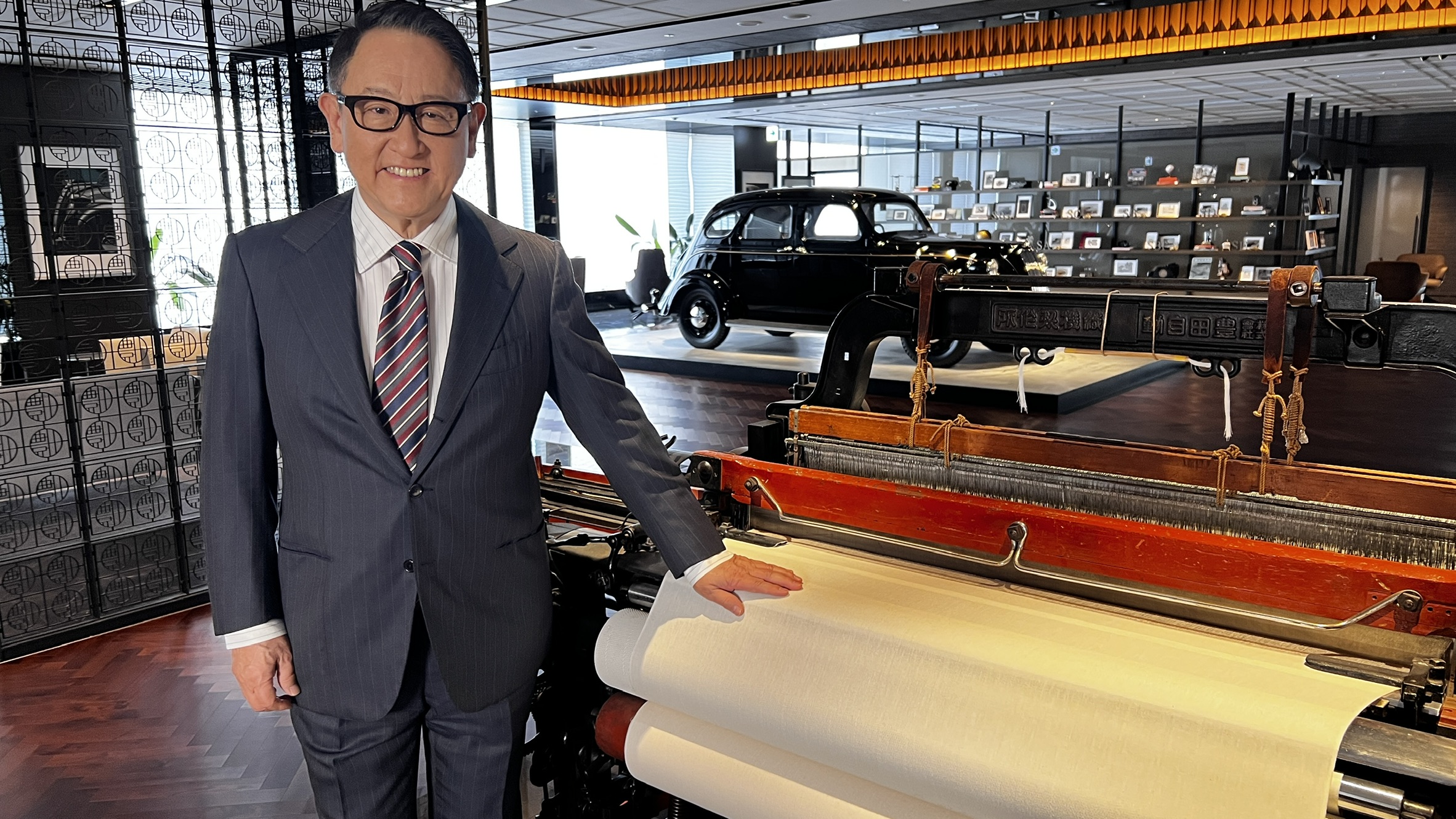
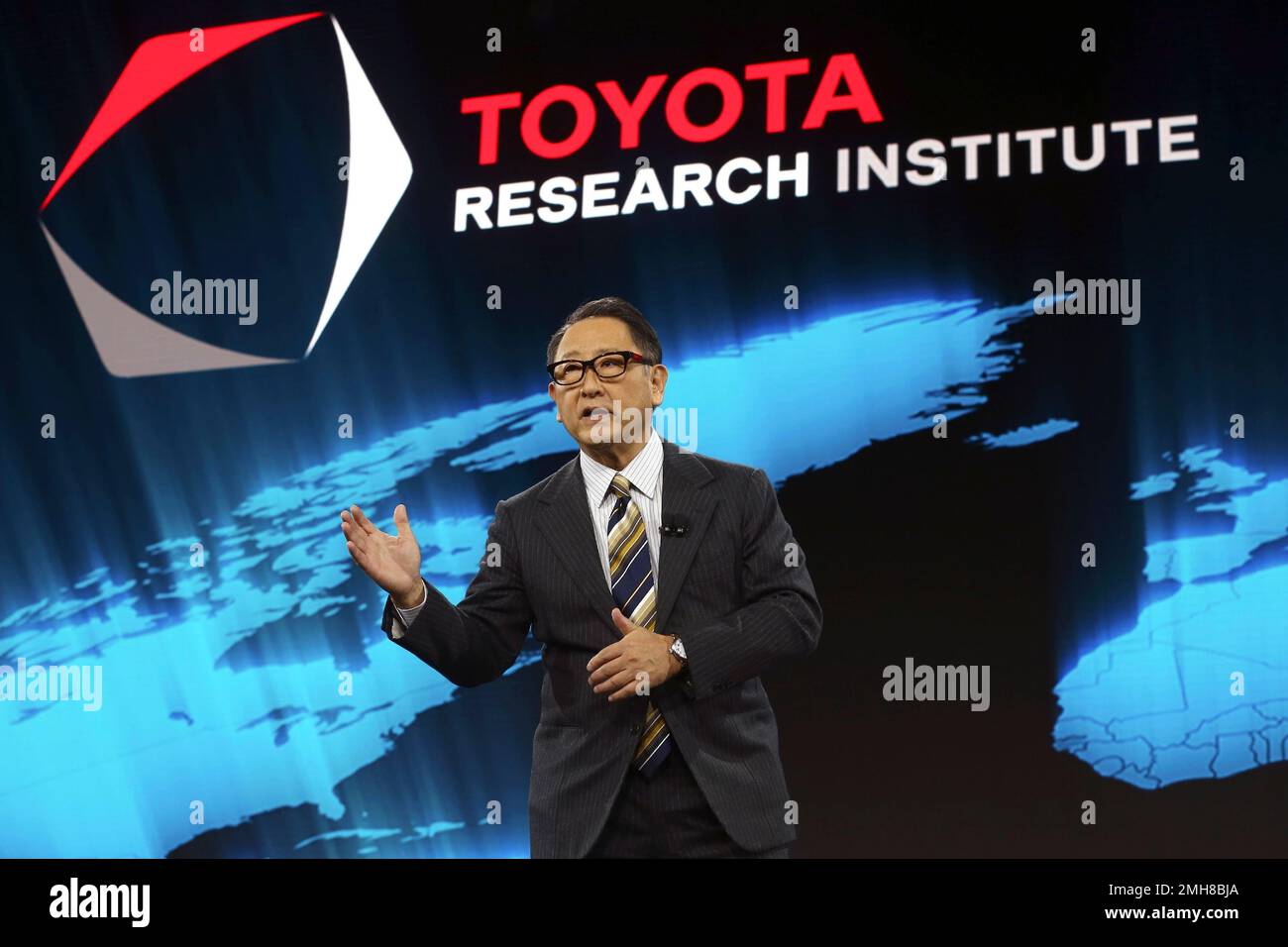
Akio Toyoda’s legacy is defined by transforming Toyota from a volume-driven manufacturer into a product-focused mobility company. By prioritizing "ever-better cars" and a multi-pathway approach to carbon neutrality, he solidified Toyota’s resilience, balancing traditional manufacturing excellence with disruptive innovations in hydrogen, solid-state batteries, and software-defined mobility systems for the 2026 landscape.
The Crisis that Forged a Transformed Leader
When Akio Toyoda, the grandson of the company's founder, took the helm in 2009, he inherited a corporation at its most vulnerable. The global financial crisis had battered the automotive industry, and Toyota was facing its first operating loss in 70 years. However, the true test of his leadership came shortly after with the massive global safety recalls related to unintended acceleration. This period was a crucible for Toyoda, culminating in his 2010 testimony before the U.S. Congress, an event that became a defining moment for the brand’s accountability and transparency.
Toyoda used this crisis to initiate a fundamental cultural shift within the organization. He argued that the company had grown too fast, prioritizing market share and volume over the core principle of Genchi Genbutsu (go and see for yourself). By publicly taking responsibility, he pivoted the company away from the bureaucratic rigidity that had stifled internal communication. This "crisis-driven" leadership style became a hallmark of his tenure, ensuring that Toyota remained agile even as it grew into one of the world's largest automakers. He famously stated that he wanted Toyota to be "the best in town, not the best in the world," emphasizing a community-focused, quality-first approach that resonated with both employees and consumers.
The "Ever-Better Cars" Philosophy and the TNGA Revolution
Perhaps the most visible aspect of Akio Toyoda’s legacy is the radical improvement in the driving dynamics and design of Toyota vehicles. For decades, the brand was synonymous with reliability but often criticized for being "boring" or "appliance-like." Toyoda, a certified "Master Driver" who competed in races under the pseudonym "Morizo," sought to inject passion back into the brand. He issued a directive that has since become legendary within the halls of Toyota City: "No more boring cars."
This shift was underpinned by the Toyota New Global Architecture (TNGA). This wasn't just a platform; it was a complete overhaul of how Toyota designed, engineered, and manufactured vehicles. By standardizing components across different models while lowering the center of gravity and increasing chassis rigidity, TNGA allowed Toyota to produce cars that were both efficient to build and engaging to drive. The results were evident in the revitalization of the Camry, the launch of the GR (Gazoo Racing) sub-brand, and the return of iconic nameplates like the Supra. This legacy of performance-driven engineering ensures that as Toyota moves into 2026, its vehicles maintain a distinct competitive edge in handling and driver engagement, even as they transition to electrified powertrains.
The Multi-Pathway Strategy: Navigating the EV Transition
One of the most debated aspects of Toyoda’s leadership has been his "multi-pathway" approach to carbon neutrality. While many competitors committed exclusively to Battery Electric Vehicles (BEVs) in the early 2020s, Toyoda remained a vocal proponent of a diversified strategy. He argued that because energy infrastructure, economic conditions, and customer needs vary globally, a "one-size-fits-all" solution to decarbonization was unrealistic and potentially harmful to the environment in the short term.
In 2026, this strategy has proven to be remarkably prescient. Toyota’s portfolio includes a balanced mix of Hybrids (HEVs), Plug-in Hybrids (PHEVs), Fuel Cell Electric Vehicles (FCEVs), and BEVs. By refining hybrid technology—a field Toyota has led since the original Prius—the company has been able to reduce total fleet emissions significantly while infrastructure for charging remains unevenly distributed worldwide. This pragmatism has allowed Toyota to maintain high profitability and market share while simultaneously investing billions in next-generation BEV technologies, including the highly anticipated solid-state batteries which are reaching the final stages of commercial preparation this year.
Comparative Evolution: Toyota Under Akio Toyoda’s Influence
| Feature | The Pre-Toyoda Era (Early 2000s) | The Toyoda Transformation (2010–2023) | The Mobility Future (2024–2026) |
|---|---|---|---|
| Primary Goal | Global Volume and Market Share | "Ever-Better Cars" and Quality | Total Mobility and Carbon Neutrality |
| Product Design | Functional and Conservative | Emotional, Bold, and Dynamic | Software-Defined and Purpose-Built |
| Powertrain Focus | Internal Combustion & Early Hybrid | Hybrid Leadership & Multi-Pathway | BEV Acceleration & Hydrogen Ecosystems |
| Leadership Style | Consensus-based / Bureaucratic | Hands-on / "Master Driver" | Agile / Tech-Integrated Succession |
| Innovation Center | Traditional R&D Centers | Woven Planet / Gazoo Racing | Woven City (Living Laboratory) |
From Auto Manufacturer to Mobility Company
A pivotal moment in Akio Toyoda’s leadership was his 2018 announcement at CES that Toyota would transition from being an automobile manufacturer to a "mobility company." This was not merely a rebranding exercise; it represented a fundamental shift in the company's scope. Toyoda recognized that the rise of CASE (Connected, Autonomous, Shared, and Electric) technologies would disrupt the traditional car-ownership model.
The centerpiece of this vision is Woven City, a 175-acre "living laboratory" at the base of Mt. Fuji. By 2026, Woven City has become a functional testbed for autonomous driving, robotics, and smart homes powered by hydrogen fuel cells. Under Toyoda's guidance, the company established Woven by Toyota (formerly Woven Planet), a subsidiary focused on developing the software backbone for future vehicles. The development of the Arene operating system is a direct result of this initiative, aiming to provide a high-performance software-defined vehicle platform that can receive over-the-air updates, much like a smartphone. This legacy ensures that Toyota is not just building hardware but is deeply integrated into the digital infrastructure of future cities.
The Succession to Koji Sato: Continuity and Acceleration
In April 2023, Akio Toyoda stepped down as CEO to become Chairman, passing the torch to Koji Sato, the former head of Lexus and Gazoo Racing. This transition was meticulously planned to ensure that the "Toyoda Way" remained the foundation of the company while allowing a new generation to accelerate the digital and electric transformation. Sato’s leadership in 2026 continues to build upon the "product-first" mentality fostered by Akio, but with an increased emphasis on BEV-specific manufacturing processes, such as giga-casting, to compete with new market entrants.
As Chairman, Akio Toyoda remains a powerful influence, serving as a "guardian" of the company’s culture and long-term vision. His presence provides stability during a period of intense industry volatility. By stepping back from daily operations, he has allowed the company to adopt a more "team-based" leadership approach, which is essential for managing the complexities of a global mobility giant in the mid-2020s. This transition highlights a legacy of humility—knowing when to lead from the front and when to empower others to take the wheel.
Strategic Pillars of Toyota's Innovation in 2026
As we look at the state of Toyota in 2026, several key innovation pillars stand as a testament to the groundwork laid during the Toyoda era:
- Solid-State Battery Progress: Toyota is now integrating pilot-scale solid-state batteries into premium Lexus and Toyota models, offering drastically reduced charging times and increased range compared to traditional lithium-ion cells.
- Hydrogen Ecosystem Development: Beyond passenger cars like the Mirai, Toyota’s fuel cell technology is being deployed in heavy-duty trucking, public transit, and stationary power generation, fulfilling the vision of a "hydrogen society."
- Circular Economy Initiatives: Toyota has ramped up its battery recycling and "second-life" programs, ensuring that the materials used in electrification are managed sustainably from cradle to grave.
- Human-Centric Automation: Rather than replacing drivers, Toyota’s "Guardian" autonomous system focuses on using AI to amplify human capability and prevent accidents, keeping the "joy of driving" at the center of the experience.
Frequently Asked Questions
Why did Akio Toyoda advocate for a multi-pathway strategy instead of just EVs?
Toyoda argued that the goal is carbon neutrality, not just selling electric cars. He recognized that different regions have different infrastructure capabilities. By offering hybrids and hydrogen alongside BEVs, Toyota can reduce carbon emissions immediately for the millions of people who lack access to reliable charging stations.
What does "Master Driver" mean in the context of Akio Toyoda’s leadership?
The title "Master Driver" refers to his ability to evaluate a vehicle's performance at the limit on a racetrack. By personally testing prototypes, Toyoda ensured that engineering decisions were based on actual driving feel rather than just data sheets. This hands-on approach forced engineers to prioritize the sensory experience of the customer.
How is Koji Sato's leadership different from Akio Toyoda's?
While Sato adheres to Toyoda’s "ever-better cars" philosophy, his tenure has seen a more aggressive focus on BEV manufacturing efficiency and software integration. Sato is tasking Toyota with rethinking how cars are built from the ground up, moving toward a "BEV-first" mindset for specific market segments while maintaining the multi-pathway balance.
What is the current status of Toyota's Woven City in 2026?
By 2026, Woven City has transitioned from a construction site to an active testing ground. Initial residents, including researchers and elderly citizens, are living in a hydrogen-powered environment where autonomous e-Palette shuttles manage logistics and personal mobility, providing real-world data for Toyota's future smart-city services.
Adopting the "Toyoda Way" in Modern Business
For leaders and organizations looking to emulate Akio Toyoda’s success, the primary takeaway is the balance of heritage and disruption. Do not abandon the core values that built your organization, but use them as a foundation to pivot toward future technologies. Prioritize the "Genchi Genbutsu" principle by staying close to your product and your customer. Finally, embrace a "multi-pathway" approach to strategy; in a volatile world, having diverse solutions to a single problem—like decarbonization—is often more resilient than betting on a single, unproven trend.