Airport health encompasses the collective public health measures, environmental controls, biosecurity protocols, and medical infrastructure implemented across aviation facilities to safeguard travelers, staff, and surrounding communities. As global travel volumes rebound and expand, maintaining robust hygiene standards, air quality controls, and emergency medical readiness has become a foundational pillar of modern civil aviation infrastructure.
The Regulatory Framework of Global Airport Health
The governance of public health in aviation operates through a complex interplay of international law, national legislation, and voluntary industry standards. Understanding this architecture is vital for passengers and operators alike, as it dictates everything from onboard air filtration mandates to emergency quarantine procedures at international terminals.
The primary international standard-setting body is the International Civil Aviation Organization (ICAO), a specialized agency of the United Nations. Alongside the World Health Organization (WHO), ICAO develops guidance documents such as the CART (Council on Aviation Recovery Taskforce) recommendations, which establish baseline protocols for infectious disease mitigation. Furthermore, the International Air Transport Association (IATA) represents commercial airlines globally, advocating for harmonized health verifications and frictionless passenger processing across international borders.
National civil aviation authorities, such as the Federal Aviation Administration (FAA) in the United States or the European Union Aviation Safety Agency (EASA), translate these international guidelines into legally binding regulations. These bodies collaborate closely with national public health agencies—like the Centers for Disease Control and Prevention (CDC)—to monitor epidemiological trends, issue travel advisories, and enforce targeted quarantine or screening rules during localized or global health emergencies.
Environmental Hygiene and Terminal Infrastructure
Maintaining a clean terminal environment requires continuous operational vigilance, modern engineering controls, and advanced sanitation technologies. Airports handle tens of thousands of transient passengers daily, transforming high-traffic concourses into dynamic ecosystems where surface and airborne pathogen control is paramount.
Air Quality and HVAC Engineering
Modern terminal designs rely heavily on sophisticated Heating, Ventilation, and Air Conditioning (HVAC) systems. These systems are engineered to optimize air exchange rates, typically cycling indoor air with fresh outdoor air multiple times per hour.
- HEPA Filtration: Many critical terminal zones and jet bridges incorporate High-Efficiency Particulate Air (HEPA) filters capable of capturing 99.97% of airborne particles down to 0.3 microns, including bacteria and viral droplets.
- Ultraviolet Germicidal Irradiation (UVGI): HVAC ductwork in several major airports utilizes UVGI lamps to neutralize microorganisms dynamically as air circulates through the ventilation network.
- Real-Time Monitoring: Advanced facilities deploy sensors to measure carbon dioxide ($CO_2$) levels, particulate matter ($PM_{2.5}$), and humidity, ensuring ventilation adjustments occur in real-time based on terminal occupancy density.
Surface Disinfection and Touchless Technology
High-touch surfaces—such as security bins, escalator handrails, self-service check-in kiosks, and restroom fixtures—represent primary vectors for fomite transmission. Airports employ rigorous custodial schedules utilizing hospital-grade virucidal disinfectants certified by environmental protection agencies. Additionally, the widespread adoption of touchless technologies, including biometric boarding gates, automated passport control kiosks, and sensor-operated plumbing, minimizes physical contact points throughout the passenger journey.
Medical Preparedness and Emergency Response
Beyond routine sanitation, airports function as micro-cities requiring comprehensive emergency medical services (EMS) and public health containment capabilities. The scale of these medical operations depends heavily on the classification and passenger volume of the specific hub.
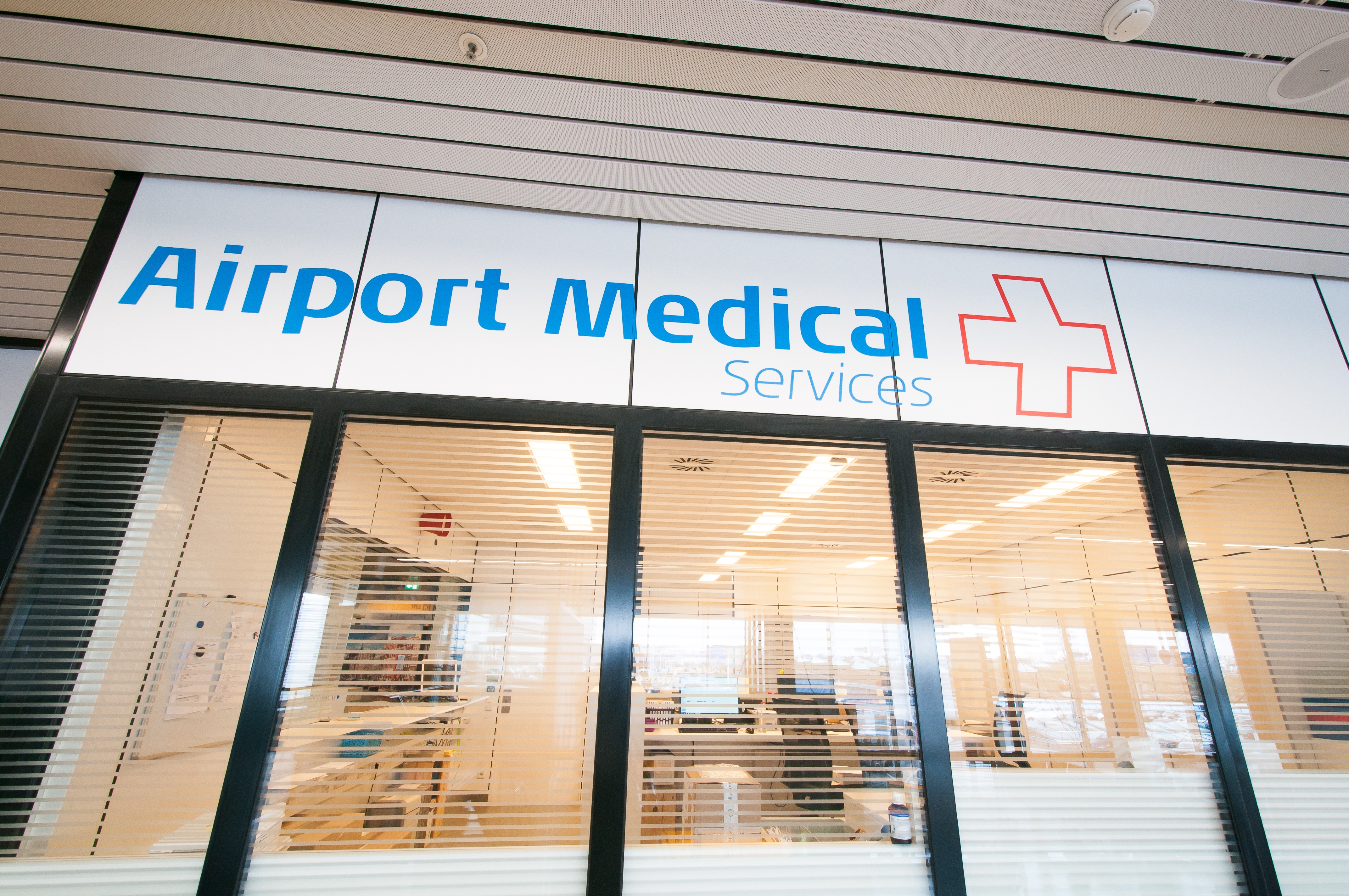
Primary medical stations staffed by licensed paramedics, nurses, or emergency physicians are standard fixtures in large international hub airports. These facilities are equipped to handle acute medical emergencies ranging from cardiac events to severe allergic reactions. Furthermore, automated external defibrillators (AEDs) are strategically positioned throughout terminals, accompanied by clear signage to ensure rapid bystander access.
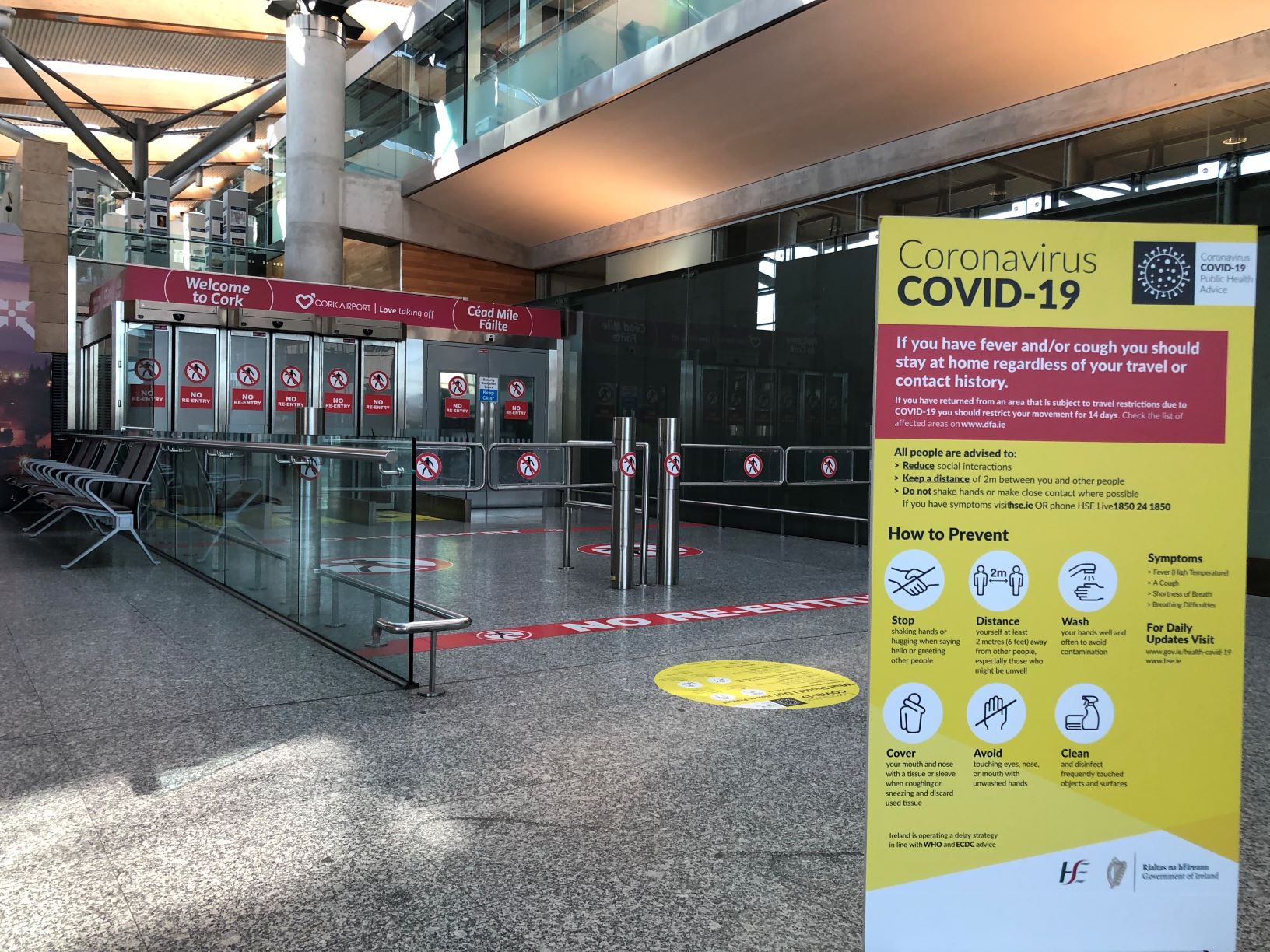
In the event of a suspected communicable disease outbreak involving an arriving aircraft, specialized public health response plans activate. Airport operators coordinate directly with border control, customs, and local health authorities to isolate the aircraft, conduct contact tracing interviews, and manage safe medical transport for symptomatic individuals without compromising the broader terminal population.
| Facility Scale | Typical Passenger Volume | Medical Infrastructure Baseline | On-Site Response Time |
|---|---|---|---|
| Small Regional | Under 1 million annual | Basic first-aid kits, localized EMS dispatch, AEDs | Local municipal EMS (10–20 mins) |
| Medium Domestic | 1 to 10 million annual | Dedicated paramedic response team, multiple AED stations | On-site EMS (4–8 mins) |
| Major International | Over 10 million annual | 24/7 medical clinic, triage isolation rooms, full advanced life support (ALS) | Immediate on-site response (< 4 mins) |
Passenger Wellness and Travel Health Support
Airport health initiatives increasingly extend beyond infection control into holistic passenger wellness, recognizing the physical and mental strains associated with modern air travel. Jet lag, altitude-induced dehydration, reduced cabin pressure, and mobility challenges all impact traveler wellbeing.
Many major international airports now feature dedicated wellness spaces, including quiet rooms, yoga studios, and nursing pods for families. Hydration stations are widely distributed post-security to encourage adequate water consumption, mitigating the diuretic effects of dry cabin air. Additionally, accessible terminal designs, comprehensive assistance programs for passengers with reduced mobility (PRM), and clear directional signage reduce cognitive fatigue and navigational stress.
Travelers preparing for international journeys can often access travel medicine clinics located directly within airport terminals. These facilities provide last-minute vaccinations, prophylactic medications, and destination-specific health consultations, ensuring passengers meet all entry health requirements before boarding their flights.
Common Challenges in Managing Aviation Public Health
Balancing stringent public health measures with operational efficiency remains one of the greatest challenges facing modern airport management. Security bottlenecks, passenger compliance, financial investments, and logistical coordination present ongoing hurdles.
- Operational Bottlenecks: Implementing enhanced screening or health verification checks can drastically extend processing times, leading to severe queue congestion in terminal lobbies.
- Financial Sustainability: Maintaining advanced HVAC upgrades, heightened custodial staffing, and medical response units requires substantial capital expenditure, which can strain airport operational budgets during economic downturns.
- Regulatory Fragmentation: Discrepancies between health policies across different national jurisdictions often create confusion for international travelers navigating multi-leg journeys.
- Communication Deficiencies: Rapidly changing public health directives require instantaneous, multi-lingual communication channels to ensure passengers remain informed without causing panic.
Frequently Asked Questions
What should I do if I feel ill while at the airport?
If you develop acute symptoms while at an airport, immediately locate an airport staff member, information desk, or security personnel to request medical assistance. Major airports maintain dedicated first-aid stations or have direct dispatch lines to emergency medical services. Avoid boarding your flight if you exhibit signs of a contagious illness, and consult with terminal medical staff regarding local health protocols and travel rescheduling options.
Are airport HVAC systems safe against airborne viruses?
Yes. Modern airport terminals utilize advanced HVAC configurations featuring high-volume air exchange rates and high-efficiency particulate air (HEPA) or ultraviolet (UVGI) filtration systems. These mechanisms continuously dilute indoor air with filtered outdoor air, significantly reducing the concentration of suspended viral and bacterial particles compared to standard commercial buildings.
How do airports handle medical emergencies on arriving flights?
When an aircraft reports a medical emergency in flight, the pilot contacts air traffic control to coordinate priority landing and ground support. Upon arrival at the gate, local airport paramedics and emergency medical technicians (EMTs) board the aircraft immediately to triage the patient, administer emergency care, and arrange secure transport to a local hospital if necessary.
Can I get vaccinated or tested for travel at an airport?
Many large international airports feature on-site medical clinics, pharmacies, or pop-up testing facilities that offer travel-related vaccinations, PCR testing, and rapid antigen screenings. However, availability varies significantly by airport and country, so travelers should verify current on-site medical services through the specific airport's official website prior to arrival.
What accommodations are available for passengers with chronic health conditions?
Airports provide extensive support for passengers with chronic medical conditions, including expedited security screening for necessary medical devices and medications, accessible restroom facilities, quiet rest zones, and professional assistance services for travelers with reduced mobility. Passengers should notify their airline and airport accessibility services well in advance to arrange personalized support.
Ensuring Your Personal Health and Safety on Your Next Journey
Navigating airport environments safely requires a proactive approach to personal hygiene and trip preparation. Before heading to the terminal, verify any health documentation requirements mandated by your destination country or carrier. Pack essential personal care items in your carry-on luggage, including hand sanitizer, disinfecting wipes, necessary prescription medications, and copies of your medical history if you manage a chronic condition. While traversing the terminal, practice frequent hand hygiene, utilize touchless mobile check-in options where available, and stay hydrated. By combining personal preparedness with the robust structural safeguards implemented by modern airport operators, you can ensure a safer, healthier travel experience.