The modern airport experience encompasses every touchpoint a traveler encounters from curb to boarding gate, blending physical infrastructure, security screening, digital self-service technologies, and terminal amenities to shape overall journey satisfaction and operational efficiency.
The Evolution of Terminal Infrastructure and Passenger Flow
Navigating a modern commercial aviation hub requires an understanding of how contemporary airport infrastructure is designed to handle millions of annual passengers. Historically, terminals functioned as basic waiting rooms and customs checkpoints. Today, they operate as complex multimodal transport ecosystems. Architects and civil engineers plan these spaces around the principle of continuous passenger flow, seeking to eliminate bottlenecks where congestion frequently occurs.
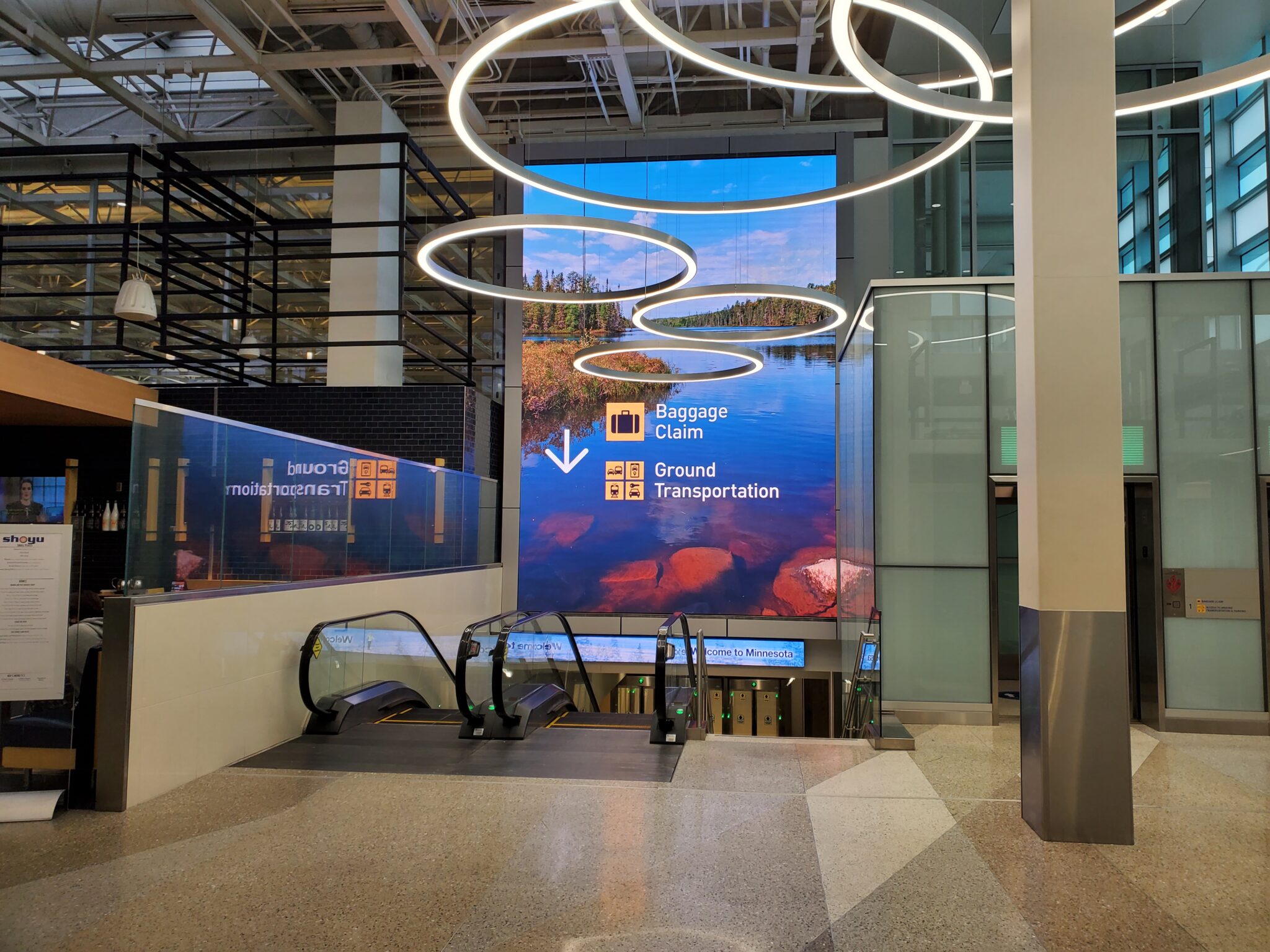
Terminal design relies heavily on compartmentalization. Public curb spaces segregate private drop-offs, commercial ride-shares, and public transit buses to minimize vehicular gridlock. Upon entering the terminal, travelers encounter expansive check-in concourses where traditional airline ticket counters increasingly share floor space with centralized kiosks and baggage drop-drop technology. Understanding this layout allows passengers to anticipate walking distances, which can span over a mile in mega-hubs like Hartsfield-Jackson Atlanta International Airport or London Heathrow, necessitating the use of underground automated people movers, moving walkways, and airside train networks.
Capacity management remains a central challenge for airport operators worldwide. As global air traffic volume expands, hubs utilize predictive analytics and computer vision to monitor real-time queue lengths at security checkpoints and immigration halls. When congestion spikes, automated passenger messaging systems redirect foot traffic toward underutilized processing lanes or alternative terminal entrances. For travelers, acknowledging these architectural and logistical variables is the first step toward reducing transit stress and ensuring on-time gate arrival.
Navigating Security Screening and Biometric Verification
Security screening represents one of the most critical operational hurdles within the terminal environment, balancing stringent regulatory mandates with the need for rapid throughput. The passenger journey through security has transformed radically over the past decade, driven by advanced imaging technologies and automated credential authentication.
Traditional physical boarding pass checks and manual passport inspections are being rapidly phased out in favor of biometric verification systems. Using facial recognition cameras, automated systems capture a passenger’s image and match it against secure government or airline databases in seconds. This technology verifies identity at touchpoints ranging from self-service bag drops to boarding gates without requiring physical document handling. While these systems dramatically accelerate processing times, they also raise important considerations regarding data privacy and consent, leading many jurisdictions to establish opt-out protocols for passengers who prefer manual document checks.
Concurrently, checkpoint technology has evolved past traditional metal detectors and X-ray belt systems. Computed Tomography (CT) scanners generate high-resolution 3D volumetric images of carry-on luggage, allowing security personnel to rotate and inspect organic and inorganic threats with greater precision. For travelers, this technological shift often eliminates the requirement to remove laptops, tablets, and 3-1-1 compliant liquid bags from carry-on luggage, significantly reducing bin prep time and physical footprint sorting at the divestment tables.
| Technology / Feature | Primary Function | Operational Benefit | Passenger Impact |
|---|---|---|---|
| Computed Tomography (CT) Scanners | 3D baggage imaging | Reduces manual bag checks | Electronics and liquids can remain inside bags |
| Biometric E-Gates | Automated identity verification | Accelerates throughput at security and boarding | Eliminates physical passport/boarding pass handling |
| Decentralized Bag Drop | Self-service luggage tagging | Reduces ticket counter staffing pressure | Shorter wait times for checked baggage processing |
| Real-Time Queue Analytics | Foot traffic monitoring | Dynamic resource and staff allocation | Prevents unexpected bottlenecks in terminal halls |
Digital Integration and Self-Service Touchpoints
The integration of mobile technology and self-service applications has fundamentally decentralized the administrative steps of air travel. Passengers routinely manage their journey entirely through smartphone applications before ever stepping foot inside a terminal building.
Digital boarding passes stored in mobile wallets, mobile check-in windows opening 24 hours prior to departure, and push notifications detailing gate changes or baggage carousel assignments have shifted the burden of information management from airport staff to the individual traveler. Self-service infrastructure extends deeply into the physical terminal via remote check-in facilities, off-site luggage acceptance centers, and automated bag-drop belts equipped with integrated scale and barcode verification.
Despite these advances, digital reliance introduces potential vulnerabilities. System outages, low mobile device batteries, or unreadable barcode screens can disrupt a traveler's progression through automated touchpoints. Consequently, maintaining offline access to crucial travel documents—such as printed PDF backups or securely saved screenshots—remains a best practice for mitigating technical glitches during transit.
Terminal Amenities, Retail, and Passenger Wellness
Beyond processing and transit functions, modern airports increasingly function as commercial destinations and wellness hubs. To offset aeronautical revenue constraints and enhance the overall dwell-time experience, operators curate diverse retail, dining, and hospitality portfolios within airside concourses.
Dining options have evolved far beyond generic fast-food concessions, frequently featuring partnerships with acclaimed local chefs, farm-to-table concepts, and regional culinary specialties. Retail offerings span duty-free luxury boutiques, bookstores, electronics kiosks, and localized artisan shops designed to reflect the culture of the departure city. Furthermore, passenger wellness has taken center stage, with airports incorporating quiet zones, yoga rooms, sleep pods, full-service day spas, and showers within premium lounges and public concourses.
Access to these amenities varies significantly based on ticket class, frequent flyer status, or credit card perks granting entry to proprietary or alliance-aligned airline lounges. Passengers navigating terminals with extended layovers must weigh the cost of paid lounge access against public seating availability, terminal noise levels, and the proximity of amenities to their specific departure gate.
Mitigating Common Transit Disruptions and Delays
Even with advanced infrastructure and predictive logistics, air travel remains susceptible to unexpected disruptions caused by weather events, air traffic control restrictions, and technical malfunctions. Effectively managing these disruptions requires a structured approach to troubleshooting and immediate action.
When a flight delay or cancellation occurs, relying solely on physical airport service desks often results in extended wait times behind hundreds of displaced passengers. Savvy travelers leverage mobile applications, airline customer service chat bots, or direct telephone helplines to secure rebooking options while standing in line. Furthermore, understanding passenger rights frameworks—such as the United States Department of Transportation customer service commitments or the European Union Regulation 261/2004 regarding compensation and care—provides travelers with the regulatory leverage necessary to claim appropriate meal vouchers, hotel accommodations, or cash refunds when disruptions are within the airline's control.
Maintaining flexibility, packing essential medications and chargers in carry-on baggage, and purchasing comprehensive travel insurance policies remain critical risk-mitigation strategies for navigating unpredictable operational environments.
Frequently Asked Questions
How early should I arrive at the airport before a domestic flight?
For domestic flights, standard industry guidance recommends arriving at least two hours prior to scheduled departure. This window allows adequate time for parking or transit drop-off, check-in or baggage drop deadlines, security screening queues, and walking to the departure gate before boarding commences.
Can I leave liquids in my bag if the airport uses CT scanners?
Yes, when security checkpoints are equipped with Computed Tomography (CT) scanners, passengers are generally permitted to leave laptops, tablets, and liquids inside their carry-on luggage because the technology provides a clear 3D image. However, travelers should always follow the explicit instructions of local security personnel, as regulations can vary by airport and country.
What are my rights if my flight is significantly delayed?
Passenger rights depend heavily on the jurisdiction of departure and the operating airline. Under regulations like EU 261/2004, passengers facing long delays or cancellations may be entitled to meals, refreshments, communication access, hotel accommodations, and financial compensation unless the disruption stems from extraordinary circumstances.
How do biometric boarding systems handle data privacy?
Biometric boarding systems capture an ephemeral facial image and compare it against a secure gallery of travelers verified for that specific flight. Official agencies and airlines state that these images are typically deleted shortly after flight departure, and passengers in many jurisdictions retain the right to request a manual document verification process instead.
What is the most efficient way to handle a missed connecting flight?
If a missed connection is caused by a delay on the first leg of a single-ticket itinerary, the operating airline is responsible for rebooking you onto the next available flight. The most efficient approach is to contact the airline's customer service desk immediately, utilize their mobile app for self-service rebooking, or call their customer support hotline while simultaneously speaking with a gate agent.
Strategic Preparation for Your Next Flight
To ensure a seamless journey through any aviation hub, begin by completing all check-in procedures and document verification digitally at least 24 hours prior to departure. Monitor real-time terminal traffic and security wait times using official airport mobile applications before leaving for the airport. Pack all essential electronics, medications, and identification documents in your carry-on luggage, and allow a generous buffer for transit and security processing to eliminate terminal stress.