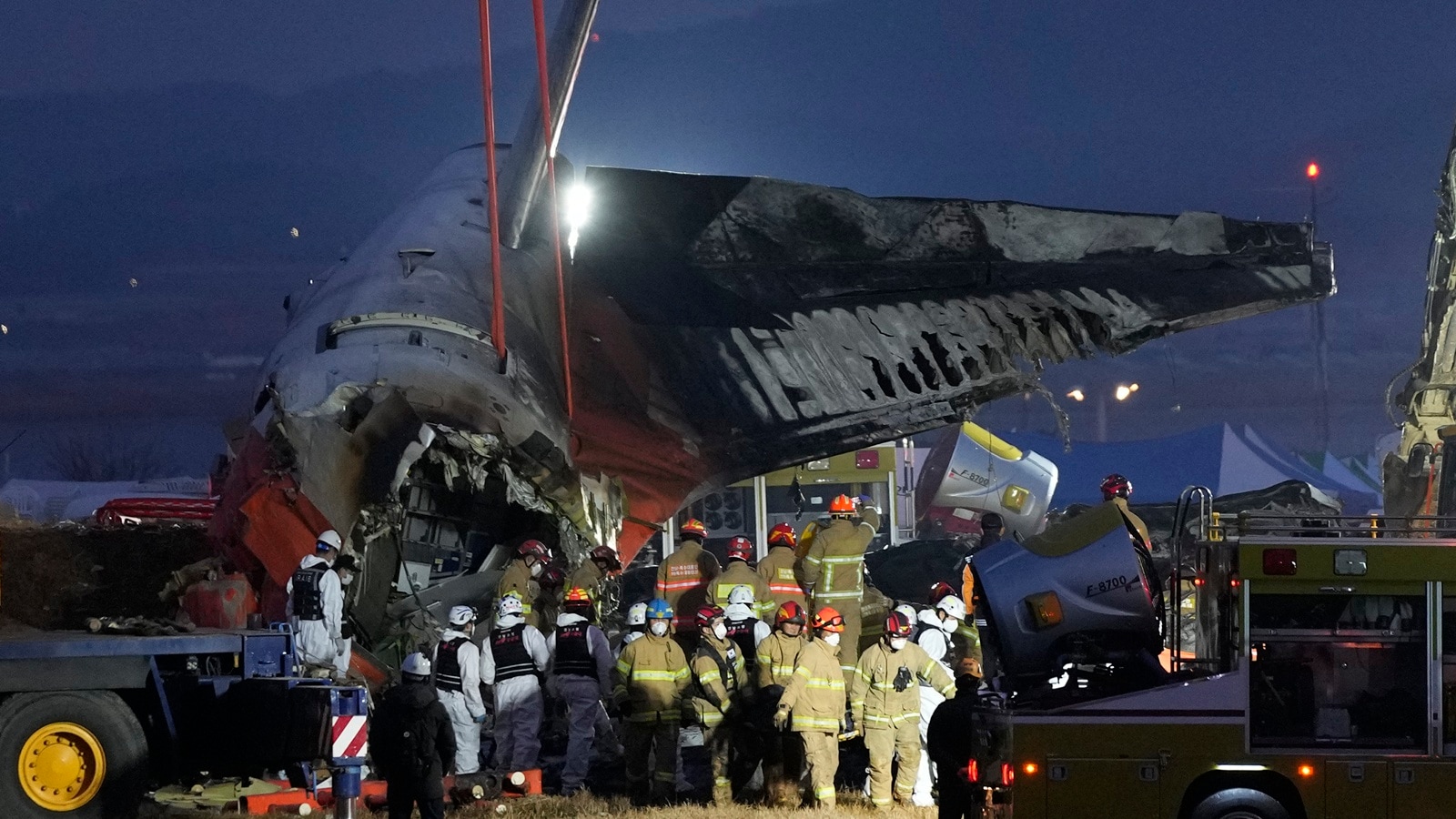
When an aviation incident occurs, the demand for immediate information spikes globally, making access to airplanes crash today live updates and verified information essential for families, aviation professionals, and the public. In fast-breaking situations, social media feeds and unverified news outlets frequently propagate speculative details, conflicting flight numbers, and premature casualty figures. Navigating this environment requires knowing where official data originates, how civil aviation authorities process safety events, and which primary sources maintain strict factual accuracy standards.
Understanding the architecture of crisis communication in aviation helps consumers separate confirmed reports from unverified rumor. This guide examines how global aviation tracking networks operate, which official bodies release credible accident data, and how to verify breaking news responsibly during a developing aviation emergency.
The Anatomy of Breaking Aviation News and Information Flow
When an aircraft accident occurs, information flows through a distinct hierarchy of reporting agencies before reaching the general public. Immediately following an event, air traffic control (ATC) recordings, emergency transponder data, and radar tracks provide the earliest technological footprints. However, raw technical feeds rarely translate into immediate public clarity.
Civil aviation authorities, such as the Federal Aviation Administration (FAA) in the United States or the European Union Aviation Safety Agency (EASA), alongside international bodies like the International Civil Aviation Organization (ICAO), rely on multi-tiered verification protocols. Air navigation service providers first confirm radar loss or distress signals, initiating search and rescue (SAR) operations. Concurrently, airport authorities and airline operations centers coordinate local emergency responses.
Media organizations monitor these primary channels, but speed often compromises accuracy in initial broadcasts. Breaking news cycles frequently feature misidentified aircraft types, incorrect routing details, or speculative cause theories. Establishing verified facts requires waiting for official press releases from the accident investigation board assigned to the jurisdiction, such as the National Transportation Safety Board (NTSB) or equivalent international entities.
Primary Official Sources for Real-Time Flight and Accident Data
Finding accurate updates depends on consulting primary government and industry databases rather than aggregators prone to sensationalism. Official channels provide raw, documented data and vetted statements that adhere to international civil aviation treaties, specifically Annex 13 of the Chicago Convention, which governs aircraft accident and incident investigation.
| Source Entity | Primary Function | Reliability for Breaking News |
|---|---|---|
| National Investigation Boards (e.g., NTSB, BEA) | Official state-mandated accident investigations | High (Provides factual updates, though initial details take hours or days) |
| Civil Aviation Authorities (e.g., FAA, EASA) | Airspace management, emergency safety directives, and immediate airspace closures | High (Authoritative for operational status and regulatory notices) |
| Airlines and Operators | Passenger manifests, immediate support lines, and official corporate statements | Moderate-High (Accurate on flight number and passenger count; cautious on cause) |
| Air Traffic Control / Flight Tracking Services | Radar tracking, ADS-B telemetry, and communication logs | High for telemetry; requires professional interpretation for context |
| Mainstream Wire Services (e.g., Reuters, AP) | On-the-ground reporting and official statement aggregation | Moderate-High (Filtered for major errors, but subject to initial speed pressures) |
Independent flight tracking platforms like Flightradar24 or FlightAware serve as critical tools for verifying whether a specific aircraft experienced an abrupt telemetry loss, route deviation, or emergency squawk code (such as 7700). While these platforms show real-time flight paths and signal drops, they do not provide explanations for why an anomaly occurred, making cross-referencing with air traffic control logs and official statements necessary.
The Risks of Social Media Misinformation During Aviation Incidents
In the digital age, social media platforms have become primary vectors for breaking news, yet they are uniquely susceptible to viral misinformation during aviation crises. Users frequently repurpose footage from historical plane crashes, military airshows, or computer-generated simulations (such as flight simulator software) and present them as live footage of current accidents.
Key indicators of unverified or fabricated social media content include:
- Visual Inconsistencies: Weather conditions, terrain features, or airline livery that contradict the geography and airline of the reported incident.
- Recycled Media: Videos traceable via reverse image search to previous years, different countries, or unrelated military mishaps.
- Sensationalized Language: Urgent appeals to share unverified clips alongside emotional manipulation tactics designed to bypass critical thinking.
- Anonymous Accounts: Profiles lacking editorial oversight, verifiable credentials, or institutional backing publishing definitive claims about the cause of an accident.
Relying on unverified social media reports during an ongoing emergency can lead to profound distress for families of passengers and crew, as well as widespread public confusion. Exercising patience and verifying claims against statements issued directly by government regulators or the operating airline remains the safest approach.
Regulatory Frameworks and How Accident Investigations Begin
An aircraft accident triggers a complex, highly structured international legal and technical process. Under international aviation law, the state where the accident occurs is primarily responsible for organizing the investigation, while the state of registry, the state of design, and the state of manufacture participate via accredited representatives.
The investigative process follows a methodical sequence designed to protect evidence and determine systemic or mechanical factors:
- Initial Notification and Search and Rescue: Local emergency services and air traffic controllers coordinate immediate life-saving operations while notifying national civil aviation authorities.
- Site Securement and Evidence Preservation: Investigators secure the wreckage, radar logs, maintenance records, and flight crew scheduling histories to prevent contamination.
- Recovery of Flight Recorders: Teams locate and extract the Flight Data Recorder (FDR) and Cockpit Voice Recorder (CVR)—commonly known as black boxes—for laboratory analysis.
- Factual Reports and Public Briefings: Investigation boards issue preliminary factual updates typically within 30 days, though comprehensive analyses and final reports can take 12 to 24 months to complete.
Distinguishing between a preliminary statement, an interim report, and a final conclusion is vital for consumers tracking developments. Preliminary findings present confirmed physical evidence without assigning fault or determining definitive causal chains.
Frequently Asked Questions About Tracking Aviation Incidents
Where can I find official, verified updates when a plane crash is reported?
Official updates are best sourced directly from national transportation safety boards (such as the NTSB), civil aviation regulators (such as the FAA), and verified corporate newsrooms of the airline operating the flight. These entities release vetted statements adhering to rigorous investigative standards.
Are flight tracking websites accurate for determining if a plane has crashed?
Flight tracking websites rely on ADS-B (Automatic Dependent Surveillance-Broadcast) and radar data to show real-time aircraft positions. While they accurately display signal drops, sudden altitude changes, or emergency squawk codes, they cannot independently confirm an accident without ground verification or air traffic control confirmation.
Why do media reports often conflict during the first hours of an aviation incident?
Initial news reports often depend on unverified scanner traffic, eyewitness accounts, and unconfirmed social media posts. Because breaking news prioritizes speed, premature details regarding casualties, flight numbers, and causes frequently require correction as official data emerges.
How long does it take for authorities to release definitive information about an air crash?
While initial notifications and basic operational facts are confirmed within hours, preliminary investigation reports usually take up to 30 days. Comprehensive safety analyses, metallurgical testing, and the final investigative report generally require between one and two years to finalize.
What should I do if a family member might be on a flight involved in an incident?
If an aviation incident involves a specific commercial flight, the operating airline immediately establishes dedicated emergency family assistance lines and support centers. Checking the airline’s official website or contacting their established emergency passenger inquiry numbers provides the safest and most accurate channel for personal status updates.
Verifying Sources and Protecting Information Integrity
When searching for airplanes crash today live updates and verified information, maintaining a disciplined approach to information consumption prevents exposure to panic-driven narratives. Prioritize primary sources governed by statutory oversight, disregard unverified social media footage lacking institutional authentication, and allow investigative agencies adequate time to process factual data from flight recorders and physical wreckage. By relying on established regulatory bodies and professional aviation journalism, observers ensure they receive accurate, objective updates during critical events.